
The Top Culinary Mushrooms for Gourmet Meals
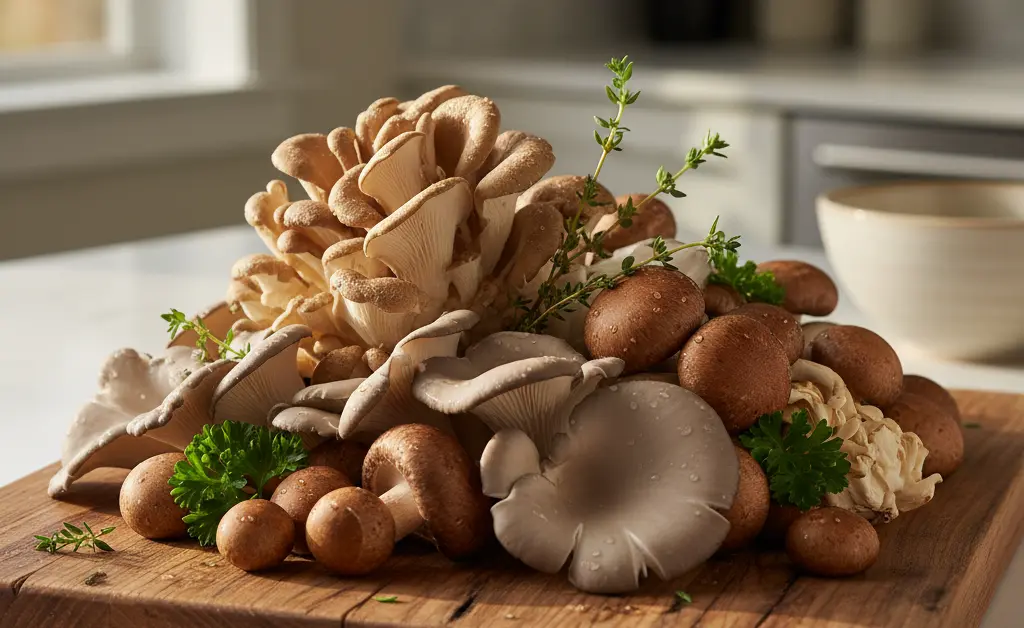
Ever feel like your home-cooked meals are missing that certain je ne sais quoi, a depth of flavor that takes them from good to truly gourmet? Perhaps you’ve tried different spices and techniques, but something still feels just out of reach. The secret often lies in incorporating ingredients that bring unique textures and rich umami notes. Many home cooks overlook the incredible potential of specialty fungi to transform everyday dishes into extraordinary culinary experiences. This guide explores the best culinary mushrooms, offering insights into their distinct characteristics and how they can elevate your cooking, helping you break free from culinary monotony and impress your family and friends with restaurant-quality meals.
Top Culinary Mushroom Varieties
Exploring the diverse world of fungal flavors reveals many unique varieties that can transform your cooking. Understanding the distinct characteristics of the best culinary mushrooms is key to selecting the perfect fungi for your dishes, enhancing both taste and texture. For a broader understanding of different mushroom types, explore 15 types of mushrooms and how to cook with them.
Shiitake Mushrooms
Shiitake mushrooms are celebrated for their rich, earthy flavor and meaty texture when cooked. Native to East Asia, these mushrooms are a staple in many Asian cuisines. They possess a robust umami profile that deepens soups, stir-fries, and sauces. When fresh, they have a firm cap and a woody stem, which is often removed before cooking but can be used to flavor broths. Dried shiitakes are also popular, offering an even more concentrated flavor after rehydration.
Oyster Mushrooms
Oyster mushrooms are characterized by their delicate flavor and soft, velvety texture. They grow in beautiful, fan-shaped clusters and come in various colors, including grey, pink, and yellow. Their mild taste makes them incredibly versatile, suitable for quick sautéing, adding to pasta dishes, or featuring in light stir-fries where their unique texture can shine. They cook relatively quickly and absorb flavors well.
Cremini Mushrooms
Often referred to as “baby bellas,” cremini mushrooms are essentially immature portobello mushrooms. They offer a more intense, earthy flavor than white button mushrooms but are less assertive than their fully mature counterparts. Their firm texture holds up well to various cooking methods, making them excellent for roasting, sautéing, stuffing, or incorporating into stews and casseroles. They are a versatile workhorse in many kitchens.
Portobello Mushrooms
Portobello mushrooms are the mature version of cremini mushrooms, known for their large, flat caps and robust, meaty texture. Their size and dense flesh make them an excellent vegetarian alternative to meat in dishes like burgers or steaks. They excel when grilled, roasted, or baked, developing a deep, savory flavor that can anchor a meal. The gills on the underside of the cap can be removed for a cleaner presentation or left in for a richer, darker sauce.
Morel Mushrooms
Morel mushrooms are highly prized for their distinctive honeycomb appearance and intensely earthy, nutty flavor. They are typically found in the wild and are seasonal, making them a sought-after delicacy. Morels pair wonderfully with spring vegetables, poultry, and creamy sauces. Due to their unique shape, it’s important to clean them thoroughly, often by soaking briefly, to remove any debris trapped in their crevices. Discover more about unique mushroom varieties, such as hedgehog mushrooms, by exploring hedgehog mushroom types.
Chanterelle Mushrooms
Chanterelle mushrooms are recognized by their trumpet-like shape and vibrant golden-yellow to orange color. They boast a delicate, fruity aroma, sometimes described as apricot-like, and a subtly peppery taste. Their firm texture makes them ideal for sautéing, and they are particularly excellent in egg dishes, risottos, and light cream sauces. Like morels, chanterelles are typically wild-foraged and have a distinct seasonal availability.
Enoki Mushrooms
Enoki mushrooms are easily identifiable by their long, slender stems and tiny, delicate caps, often growing in clusters. They have a mild, slightly fruity flavor and a pleasingly crunchy texture. Enokis are frequently used raw in salads, added to hot pots, or quickly cooked in stir-fries where their texture can add an interesting contrast. They require minimal cooking due to their delicate nature.
King Oyster Mushrooms
King oyster mushrooms are distinguished by their thick, meaty stem and small cap, which gives them a substantial presence. Their firm texture and rich umami flavor make them incredibly versatile. The stems can be sliced into medallions and seared like scallops, shredded to mimic pulled pork, or roasted whole. They absorb flavors well and retain their texture beautifully, making them a favorite among chefs for their culinary flexibility. Learn about other interesting textures with edible jelly mushrooms.
Cooking with Best Culinary Mushrooms
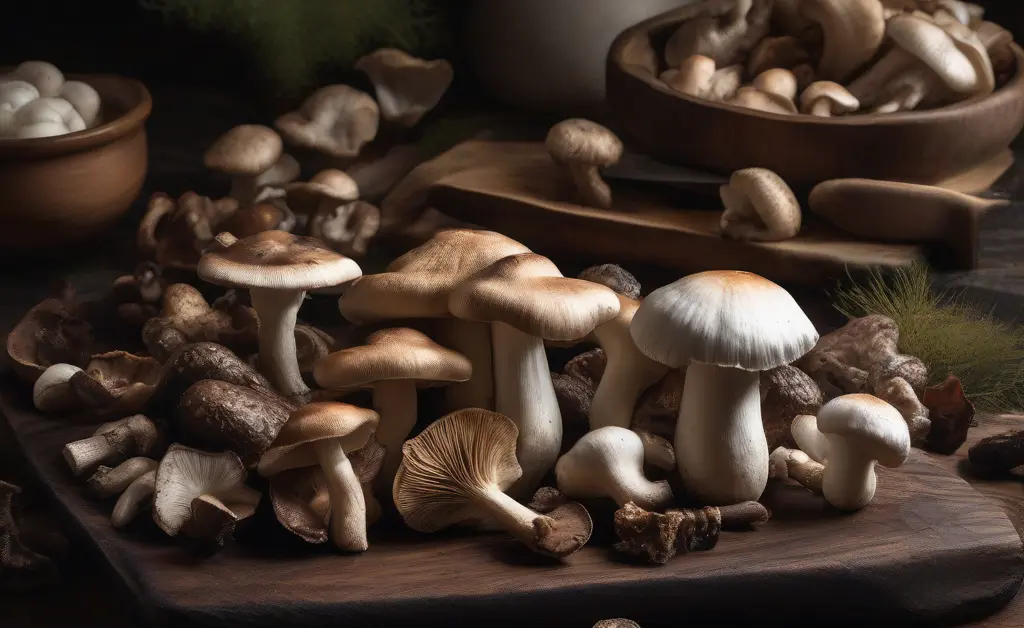
Mastering the preparation of the best culinary mushrooms involves understanding various techniques to bring out their unique flavors and textures. Proper handling from selection to storage ensures a delightful culinary experience.
NYC Chefs: Best Cooking Mushrooms to Use Now
Chefs in bustling culinary centers often favor mushrooms that offer versatility, robust flavor, and appealing texture. They frequently turn to varieties like king oyster mushrooms, shiitakes, and morels for their ability to elevate diverse dishes. These chefs appreciate how these fungi can stand alone as a feature ingredient or blend seamlessly into complex recipes, providing depth and a luxurious mouthfeel. The demand for high-quality, sustainably sourced fungi also influences their choices, leading them to seek out purveyors offering the finest specimens of the best culinary mushrooms available. Understanding global health recommendations for food safety is crucial for chefs and home cooks alike, for instance, consulting resources from organizations like the WHO is advised.
Selecting Fresh Mushrooms
When selecting mushrooms, look for specimens that are firm, plump, and free from blemishes, dark spots, or sliminess. The caps should be smooth, and the gills (if visible) should appear fresh and distinct, not dried out or overly dark. Avoid any mushrooms that show signs of wilting or have a strong, off odor. Freshness is key to ensuring the best flavor and texture in your cooking.
Proper Storage Techniques
To maintain freshness, store mushrooms in their original packaging or in a paper bag in the refrigerator. Avoid storing them in airtight plastic containers, as this can trap moisture and cause them to spoil more quickly. Paper bags allow for air circulation while absorbing excess moisture. Do not wash mushrooms until you are ready to use them, as moisture can accelerate their deterioration.
Sautéing
Sautéing is a popular method to achieve beautifully browned, flavorful mushrooms. Heat a pan over medium-high heat with a small amount of oil or butter. Add a single layer of sliced or whole mushrooms, being careful not to overcrowd the pan. Overcrowding can steam the mushrooms instead of searing them, preventing them from developing that desirable golden crust. Cook until they release their moisture and begin to brown, stirring occasionally. Season with salt, pepper, and herbs to taste.
Roasting
Roasting brings out a deeper, more concentrated flavor in mushrooms. Toss whole or large-cut mushrooms with a little olive oil, salt, pepper, and your favorite herbs (such as thyme or rosemary). Spread them in a single layer on a baking sheet. Roast in a preheated oven until tender and caramelized. This method works particularly well for heartier varieties like cremini or portobello, enhancing their earthiness.
Grilling
Grilling imparts a smoky flavor and appealing char to mushrooms, especially larger varieties like portobellos or king oyster stems. Brush mushrooms lightly with oil and season with salt, pepper, and any desired marinades. Grill over medium-high heat, turning occasionally, until tender and marked with grill lines. Grilled mushrooms make an excellent side dish or a satisfying vegetarian main course.
Best Culinary Mushrooms Recipes
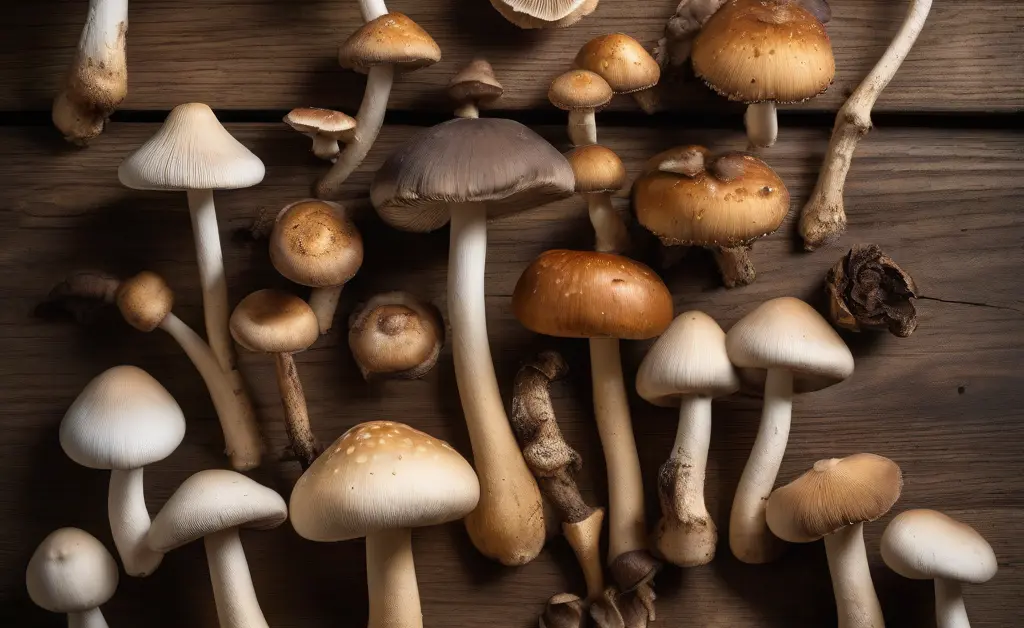
Integrating the best culinary mushrooms into your cooking can unlock a new realm of flavor and texture, transforming everyday meals into gourmet experiences. Their unique profiles lend themselves wonderfully to a variety of preparations.
Incorporating into Sauces and Soups
Mushrooms are excellent for adding depth, umami, and a savory richness to sauces and soups. Sautéed mushrooms can form the base of a creamy pasta sauce, a hearty gravy, or a rich mushroom bisque. Their natural glutamates enhance the overall flavor profile, making dishes more satisfying. For clear broths or lighter sauces, you might use more delicate varieties, while robust mushrooms like shiitake or portobello can withstand longer cooking times in stews and slow-cooked sauces, releasing their full flavor potential.
From the robust earthiness of shiitakes to the delicate crunch of enokis, the world of specialty fungi offers an incredible range of flavors and textures to explore. Incorporating the best culinary mushrooms into your cooking is a simple yet effective way to elevate your meals, adding depth, umami, and a touch of gourmet sophistication. Experiment with different varieties and cooking methods to discover new favorites and unleash your culinary creativity. Enjoy the journey of transforming ordinary dishes into extraordinary dining experiences with these versatile and flavorful ingredients.
The information presented in this article is educational and not meant as professional medical counsel. This content is for informational purposes only and is not intended to provide specific medical advice, diagnosis, or treatment. Always consult with a qualified healthcare professional for any health concerns or before making any decisions related to your health or diet. Individual results may vary.
FAQ
What are the most common culinary mushrooms?
Commonly found culinary mushrooms include button, cremini, and portobello mushrooms, all of which are varieties of the *Agaricus bisporus* species. Shiitake and oyster mushrooms are also widely used for their distinct flavors and textures. These varieties are cultivated globally and are staples in kitchens worldwide due to their versatility.
Which mushrooms are best for frying?
Mushrooms with a firmer texture and a good ability to absorb flavor are ideal for frying. Varieties like shiitake, oyster, and king oyster mushrooms offer a satisfying chew and crisp up nicely when cooked. Their robust structure helps them maintain their shape and avoid becoming mushy during the frying process.