
Should You Eat Button Mushrooms That Are Black Inside?
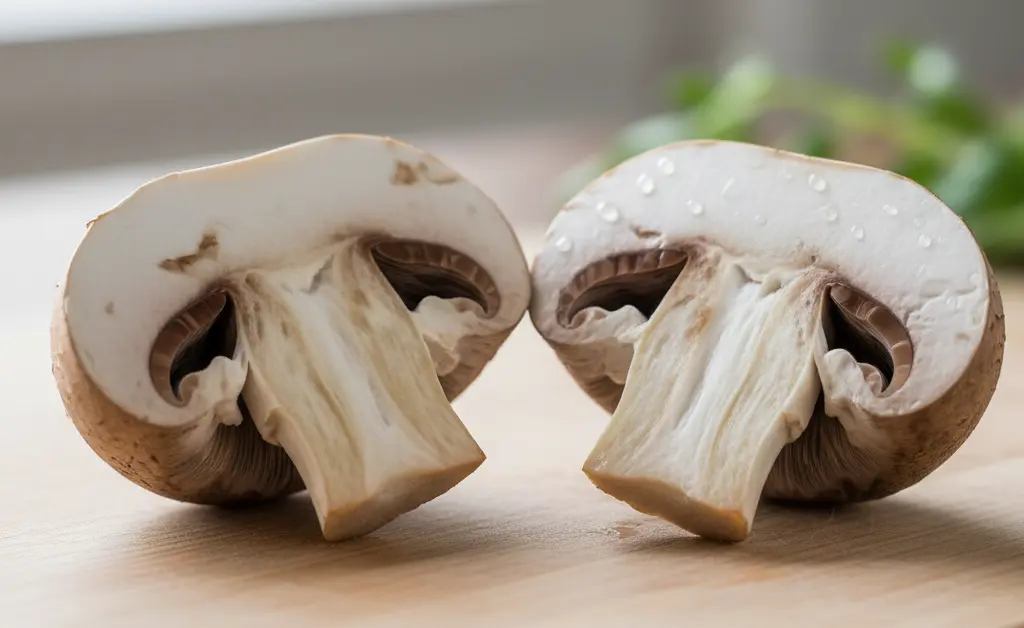
When you’re preparing a meal, a natural curiosity often arises about the freshness and safety of your ingredients. It’s always reassuring to know that what you’re serving is at its best, and sometimes, a small detail can spark a moment of doubt. You might find yourself wondering about the condition of your food, especially if something appears unusual. For instance, encountering a button mushroom black inside can certainly raise questions about its edibility. This guide aims to alleviate those concerns by exploring the reasons behind this discoloration, assessing the safety implications, and providing clear advice on when these common culinary staples are still safe to enjoy or when they should be discarded. Understanding these signs can help you make informed decisions in the kitchen.
What Causes Button Mushrooms to Turn Black Inside?
The appearance of a button mushroom black inside can be unsettling, but it’s often due to natural processes rather than outright spoilage. Understanding the underlying causes can help differentiate between a harmless discoloration and a genuinely unsafe food item. Several factors contribute to this internal darkening, ranging from enzymatic reactions to microbial activity.
Oxidation and Enzymatic Browning
One of the most common reasons a button mushroom might appear black inside is oxidation, specifically enzymatic browning. Much like an apple or avocado, mushrooms contain enzymes that react with oxygen when their cell walls are damaged. This reaction leads to the production of melanin, a pigment that causes browning or blackening. This process is accelerated by bruising, physical damage during handling, or simply exposure to air over time. The dark spots caused by oxidation are generally harmless and do not indicate spoilage, though they may affect the mushroom’s aesthetic appeal. If you are concerned about mushroom allergies, exploring button mushroom allergy information might be helpful.
Bacterial or Fungal Contamination
While oxidation is a natural process, internal blackening can also be a sign of bacterial contamination or fungal contamination. When mushrooms are stored improperly, especially in humid conditions or without adequate air circulation, they become susceptible to the growth of various microorganisms. These microbes can cause cells within the mushroom to break down, leading to soft, mushy, and discolored areas that may appear black or dark brown. This type of discoloration is often accompanied by other signs of spoilage, such as an unpleasant odor or slimy texture, making it crucial to assess the mushroom’s overall condition.
Is It Safe to Eat Button Mushrooms That Are Black Inside?
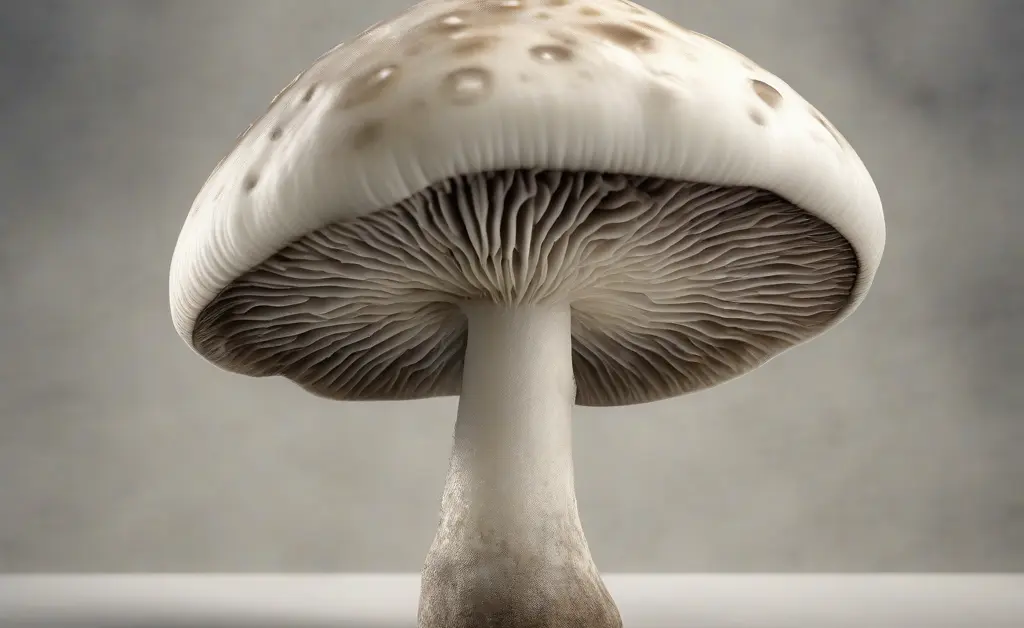
Determining the safety of eating a button mushroom black inside largely depends on the cause of the discoloration and the presence of other spoilage indicators. If the blackening is purely due to oxidation or minor bruising, and the mushroom otherwise appears firm, smells fresh, and has no other signs of decay, it is generally considered safe to consume. In such cases, the flavor and texture might be slightly altered, but there’s no significant food safety risk.
However, if the internal blackening is accompanied by a slimy texture, a strong unpleasant odor (fishy, ammonia-like, or sour), mold growth, or a very soft and mushy feel, these are clear indicators of spoilage. Consuming mushrooms with these advanced signs of decay could lead to digestive upset or other adverse health effects. Therefore, a comprehensive assessment of mushroom quality is essential before deciding whether to use them. Researching tremella mushroom side effects can provide further insights into potential reactions from consuming fungi.
How to Identify Spoiled Mushrooms
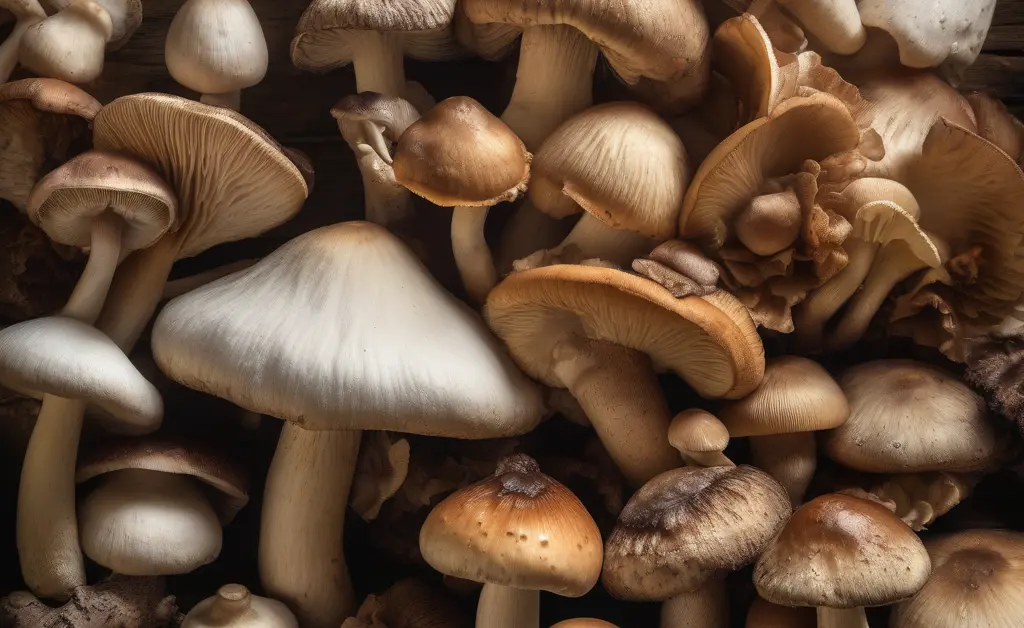
Identifying truly spoiled mushrooms goes beyond just looking for a button mushroom black inside. It involves a multi-sensory approach to assessing mushroom freshness and differentiating discoloration from spoilage. Pay attention to various cues that indicate the mushroom is no longer fit for consumption.
Visual Cues of Spoilage
Visual inspection is the first line of defense in identifying spoiled mushrooms. Beyond minor black spots from bruising or oxidation, look for other warning signs. Discoloration that appears widespread, very dark, or accompanied by fuzzy mold growth is a red flag. Healthy button mushrooms should have a uniform, creamy white or light brown color. Any widespread yellowing, dark brown spots, or black spots that penetrate deeply into the flesh and feel soft or wet are indicators of potential spoilage. The caps should also be closed or only slightly open; widely open caps exposing dark gills can suggest older age, which might precede spoilage.
Signs of Advanced Spoilage
As mushrooms advance in spoilage, more pronounced signs become evident. One of the most telling indicators is texture changes. Fresh mushrooms are firm and plump. Spoiled mushrooms will often become slimy, sticky, or shriveled and rubbery. Another critical sign is odor as an indicator of decay. While fresh mushrooms have a mild, earthy scent, spoiled ones will emit a strong, unpleasant aroma, which can be sour, fishy, or ammonia-like. Any visual presence of green or black fuzzy mold on the surface or inside also unequivocally means the mushroom should be discarded immediately. These combined signs suggest significant bacterial or fungal growth, posing a food safety risk. For more information on food safety and health, the NIH provides valuable resources.
When to Discard Button Mushrooms
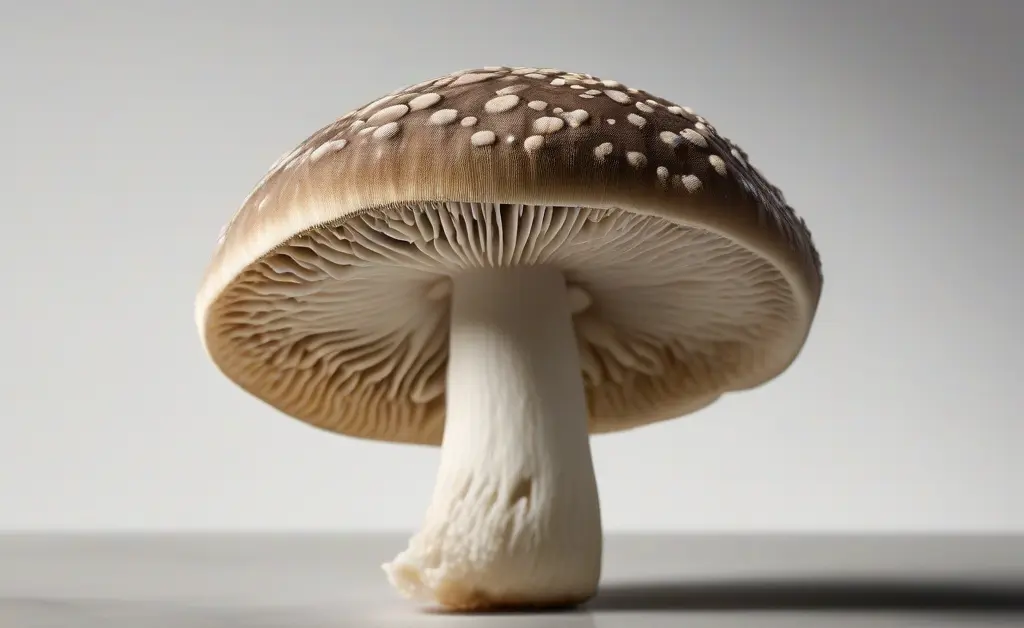
Knowing when to discard button mushrooms is crucial for maintaining food safety and enjoying your meals. If you encounter a button mushroom black inside, and this discoloration is localized, firm, and not accompanied by a bad smell or slimy texture, it might still be edible. This often indicates minor bruising or oxidation, which typically doesn’t pose a health risk, though the mushroom’s quality might be slightly diminished. In such cases, you can usually trim away the discolored parts and use the rest.
However, it is always best to err on the side of caution. You should promptly discard button mushrooms if they exhibit any of the following signs: a slimy or sticky texture, a strong unpleasant odor, visible mold (other than the natural cultivation medium, if applicable), widespread and deep blackening or dark spots that are soft and wet, or if they appear shriveled and feel excessively rubbery. These are clear indicators of significant spoilage, and consuming them could lead to adverse health effects. Proper refrigeration techniques and avoiding moisture can help extend their shelf life, but once these advanced signs of decay are present, it’s safer to dispose of them.
Making informed decisions about food safety is a key part of cooking and enjoying meals. While finding a button mushroom black inside can be concerning, it’s often a harmless sign of oxidation. By understanding the difference between natural discoloration and actual spoilage, you can confidently assess your ingredients. Always rely on a combination of visual cues, texture, and smell to determine freshness. When in doubt, it’s always best to discard the mushroom to ensure your well-being. Keeping an eye on proper storage can also help maintain the quality and extend the shelf life of your button mushrooms, ensuring they remain a safe and delicious addition to your culinary creations.
While this article discusses health-related topics, it does not provide medical guidance. The information presented here is for general knowledge and informational purposes only, and does not constitute advice. Always consult with a qualified healthcare professional for any health concerns or before making any decisions related to your health or treatment.
FAQ
Why are my white mushrooms turning black?
White mushrooms can turn black as they age due to oxidation, a natural enzymatic process that occurs when the mushroom’s cells are damaged or exposed to air. This browning is similar to how a cut apple turns brown. The blackening is a sign of the mushroom becoming overripe and its cellular structure beginning to break down.
Are black spots on mushrooms bad?
Small, isolated black spots on mushrooms are typically not a cause for concern if the mushroom is otherwise firm and smells fresh. These spots can sometimes indicate bruising or slight age. However, if the spots are widespread, accompanied by sliminess, a strong odor, or mold growth, it suggests spoilage.
What does it mean when mushrooms are slimy and black?
When mushrooms become both slimy and black, it signifies spoilage and bacterial growth. The sliminess indicates the breakdown of the mushroom’s tissues, and the black color combined with this texture is a clear sign that the mushrooms are no longer safe to consume. This condition means it’s time to discard them.