
How to Select the Perfect Canned Button Mushrooms
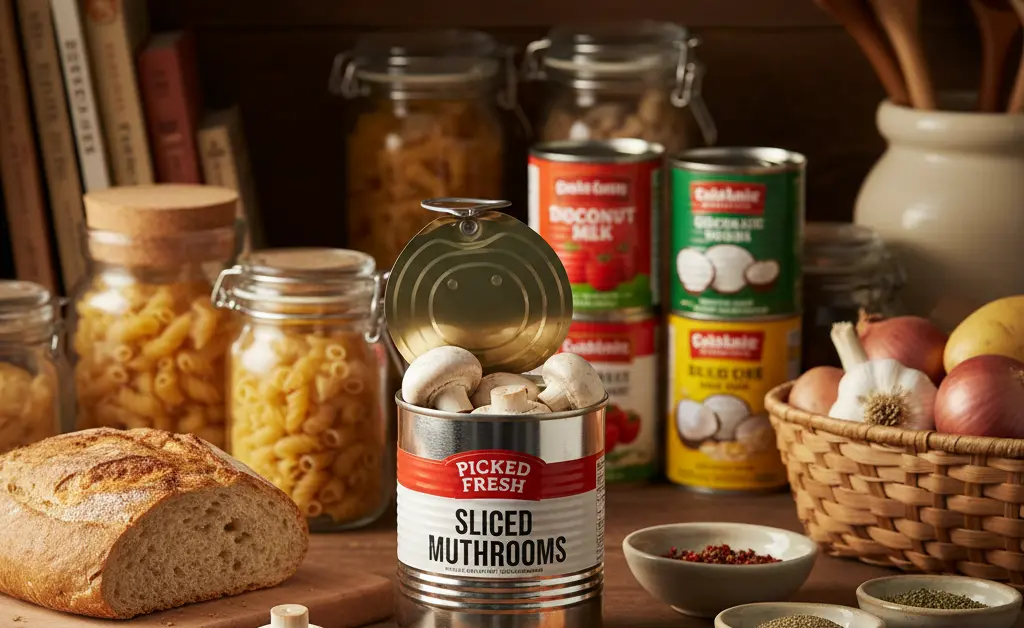
Imagine a busy Tuesday evening. You get home, tired, and realize you forgot to pick up fresh mushrooms for your stir-fry. Panic sets in, but then you remember that trusty can in your pantry. A sigh of relief washes over you as you reach for it. This isn’t just about convenience; it’s about having a reliable ingredient that can elevate a meal without extra hassle. For many home cooks, the button mushroom can is a lifesaver, providing that earthy flavor and satisfying texture whenever inspiration strikes or time is short. This guide will explore everything you need to know about selecting, using, and enjoying this versatile pantry staple, ensuring you make the best choice for your culinary needs.
Understanding Canned Button Mushrooms
What are button mushrooms?
Button mushrooms, scientifically known as Agaricus bisporus, are one of the most widely consumed mushroom varieties worldwide. They are characterized by their small, rounded caps, firm texture, and mild, earthy flavor. These versatile fungi are cultivated in controlled environments, allowing for a consistent supply throughout the year. When young, they are typically white and firm, often referred to as white button mushrooms. As they mature, they can develop a slightly darker cap and open veil, becoming cremini mushrooms, and eventually portobello mushrooms when fully grown.
How are button mushrooms canned?
The canning process for button mushrooms is designed to preserve their quality and extend their shelf life significantly. Freshly harvested button mushrooms are thoroughly cleaned and sorted. They are then blanched in hot water for a short period, which helps to deactivate enzymes and reduce their volume. After blanching, the mushrooms are placed into cans, which are then filled with a brine solution, typically consisting of water, salt, and sometimes citric acid to maintain color and texture. The cans are hermetically sealed and then subjected to high temperatures under pressure, a process known as retorting. This sterilization process eliminates spoilage microorganisms and ensures the product is shelf-stable and safe to consume for extended periods without refrigeration. Research from NCBI offers insights into food preservation techniques.
Difference between fresh and canned button mushrooms
While both fresh and canned button mushrooms originate from the same species, their processing leads to distinct differences. Fresh mushrooms offer a crisp, firm texture and a more delicate, earthy aroma. They are ideal for dishes where their raw texture or subtle flavor is paramount, such as salads or quick sautés. Canned button mushrooms, on the other hand, undergo blanching and heat sterilization, which softens their texture and can slightly alter their flavor, often making it more concentrated or savory. They are typically softer and more absorbent, making them excellent for integrating into sauces, stews, casseroles, and other cooked dishes where their texture blends seamlessly. The primary advantage of the canned variety is convenience and longevity, providing a ready-to-use ingredient without the need for washing, trimming, or immediate refrigeration.
Nutritional Value and Benefits of Button Mushroom Can
Vitamins and minerals in canned button mushrooms
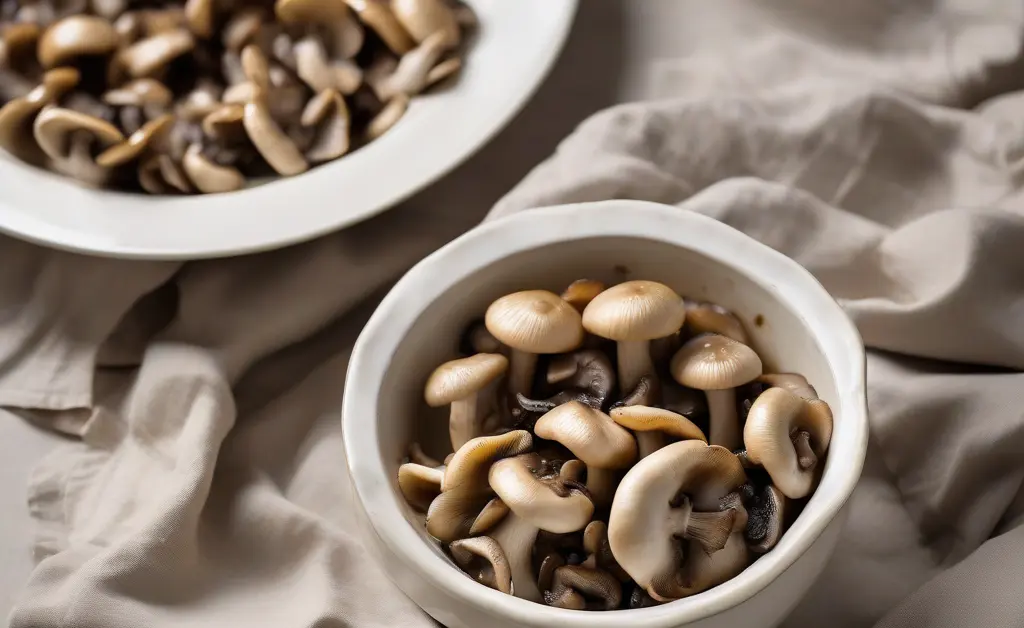
Even after canning, the button mushroom can retains a beneficial profile of vitamins and minerals that can contribute to a balanced diet. These mushrooms are known to contain B vitamins, such as riboflavin (B2) and niacin (B3), which are important for energy metabolism. They also provide a source of pantothenic acid (B5). While quantities may vary slightly compared to fresh mushrooms due to processing, canned button mushrooms still offer dietary minerals like potassium, which plays a role in fluid balance, and phosphorus, which is involved in bone health. They are also a low-calorie food option, often low in fat, and may contain some dietary fiber. Including a button mushroom can in meals can be an accessible way to incorporate some of these nutrients into your diet, especially when fresh options are unavailable or inconvenient.
Culinary Uses for Button Mushroom Can
Flavor profile and texture
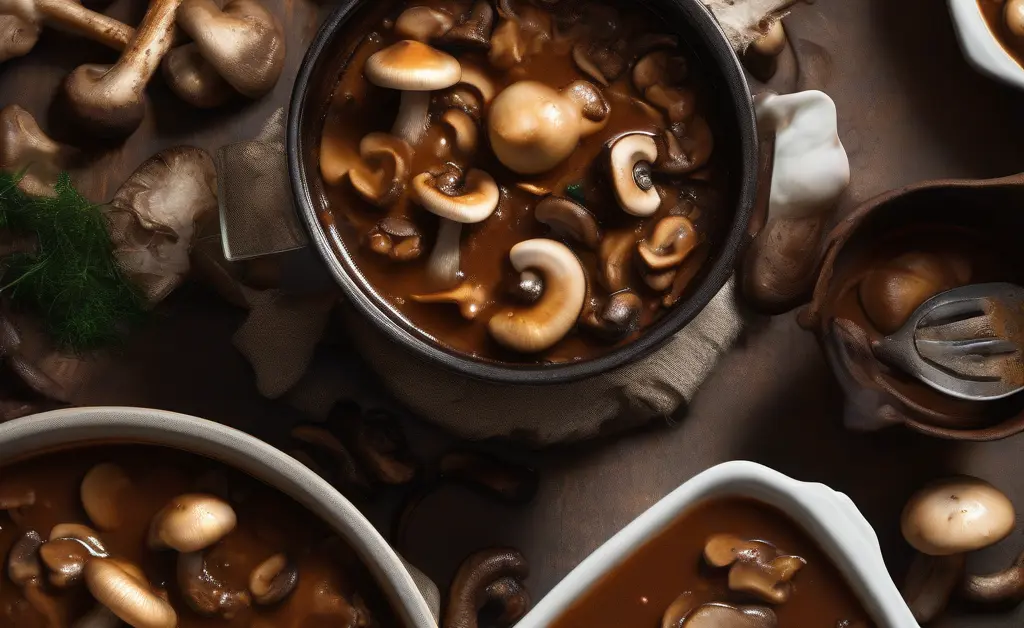
The flavor profile of a button mushroom can is typically savory, earthy, and slightly umami, though often a bit milder than their fresh counterparts. The canning process can intensify some of these underlying flavors, making them a robust addition to many dishes. Their texture is generally soft and somewhat spongy, readily absorbing the flavors of the sauces and ingredients they are cooked with. This characteristic makes them particularly well-suited for applications where they are integrated into liquids or cooked down. They blend effortlessly into gravies, complement rich stews, and add body to creamy soups. The convenience and consistent quality of the button mushroom can make it an invaluable ingredient for adding depth and substance to a wide array of culinary creations, from quick weeknight meals to more elaborate preparations.
Storage and Shelf Life for Button Mushroom Can
How to store unopened cans
Unopened button mushroom cans are designed for long-term pantry storage due to the sterile canning process. To maintain their quality and maximize their shelf life, store them in a cool, dry place away from direct sunlight and extreme temperature fluctuations. A pantry, cupboard, or basement is ideal. Avoid storing them near heat sources like ovens or radiators, as high temperatures can potentially degrade the product over time. When stored correctly, an unopened button mushroom can can remain fresh and safe to consume for several years, often well past the “best by” date printed on the packaging.
Refrigerating opened cans
Once a can of button mushrooms has been opened, its contents are no longer sterile and must be treated similarly to fresh food. To prevent spoilage, promptly transfer any unused mushrooms and their liquid into an airtight, non-metallic container. Refrigerate this container immediately. Consuming the opened button mushroom can contents within a few days, typically 3 to 5 days, is recommended for best quality and safety. Avoid storing them in the opened can, as the metal can leach into the food and affect its flavor and safety over time once exposed to air.
Best by dates and spoilage
The “best by” or “best before” date on a button mushroom can indicates the period during which the product is expected to be at its peak quality. While still safe to eat for some time after this date if stored properly, the texture, flavor, or nutritional value might slightly diminish. Signs of spoilage in canned goods include a bulging or leaking can, a foul odor upon opening, visible mold, or discoloration. If any of these signs are present, the product should be discarded immediately, regardless of the “best by” date. Trust your senses: if it looks or smells off, it’s best not to consume it.
Choosing the Best Button Mushroom Can
Factors to consider when buying
When selecting a button mushroom can, several factors can guide your choice to ensure you get a quality product. First, inspect the can itself: it should be free from dents, bulges, or leaks, which can indicate potential spoilage or damage to the seal. Next, consider the brand; reputable brands often have consistent quality. Look at the ingredient list, which should be simple, typically just mushrooms, water, and salt. Some may include citric acid as a natural preservative to maintain color. If you prefer organic options, check for relevant certifications. Also, pay attention to whether the mushrooms are whole or sliced, depending on your culinary needs. Opting for a trusted button mushroom can ensures you have a reliable ingredient ready for your recipes.
Can size and serving suggestions
Canned button mushrooms are available in various sizes, ranging from small individual-serving cans to larger family-sized options. Common sizes include 4-ounce, 8-ounce, and 16-ounce cans, with larger catering sizes also available. The appropriate can size depends on your recipe and the number of servings. A 4-ounce can might be suitable for a single-serving omelet or a small side dish, while an 8-ounce or 16-ounce can is better for family-sized casseroles, soups, or stir-fries. As a general guideline, a typical serving of button mushrooms is often considered to be about half a cup. Always drain and rinse the mushrooms before use to remove excess sodium from the brine, unless the recipe specifically calls for the liquid. This simple step can significantly improve their flavor and integration into your dish.
The button mushroom can truly stands out as a pantry essential, offering unparalleled convenience and versatility for home cooks. From its humble origins to the careful canning process, it consistently delivers an earthy, savory element to countless dishes. Understanding its nutritional profile, diverse culinary applications, and proper storage methods empowers you to make the most of this dependable ingredient. By considering factors like can integrity, brand reputation, and the appropriate size for your needs, you can confidently select the perfect canned button mushrooms, ensuring delicious and hassle-free meals every time.
While this article discusses health-related topics, it does not provide medical guidance. The information presented is for educational purposes only and should not be used as a substitute for professional medical advice, diagnosis, or treatment. Always consult with a qualified healthcare provider for any health concerns or before making any decisions related to your health or diet.
FAQ
Are canned button mushrooms healthy?
Canned button mushrooms retain many of the nutrients found in fresh mushrooms, including B vitamins and minerals like selenium. The canning process can slightly reduce levels of certain heat-sensitive nutrients, but they remain a source of beneficial compounds. They offer a convenient way to incorporate mushrooms into your diet.
What can I use canned button mushrooms for?
Canned button mushrooms can be added to a variety of dishes to enhance flavor and texture. They are a convenient ingredient for casseroles, soups, stews, pasta sauces, and pizza toppings. Their pre-cooked state means they integrate easily into recipes without requiring extra cooking time.
How long do canned mushrooms last?
Unopened cans of mushrooms generally have a long shelf life, often lasting for one to two years past the “best by” date. Once opened, canned mushrooms should be refrigerated in a covered container and typically last for about 3 to 4 days. It’s always best to check for any signs of spoilage before consuming.
Can you eat canned mushrooms straight from the can?
Yes, canned mushrooms are fully cooked during the canning process and can be consumed directly from the can. They are safe to eat without further preparation. However, draining them and rinsing can sometimes improve their texture and reduce the salty brine.