
Why Button Mushrooms Are a Great Choice for Your Kids
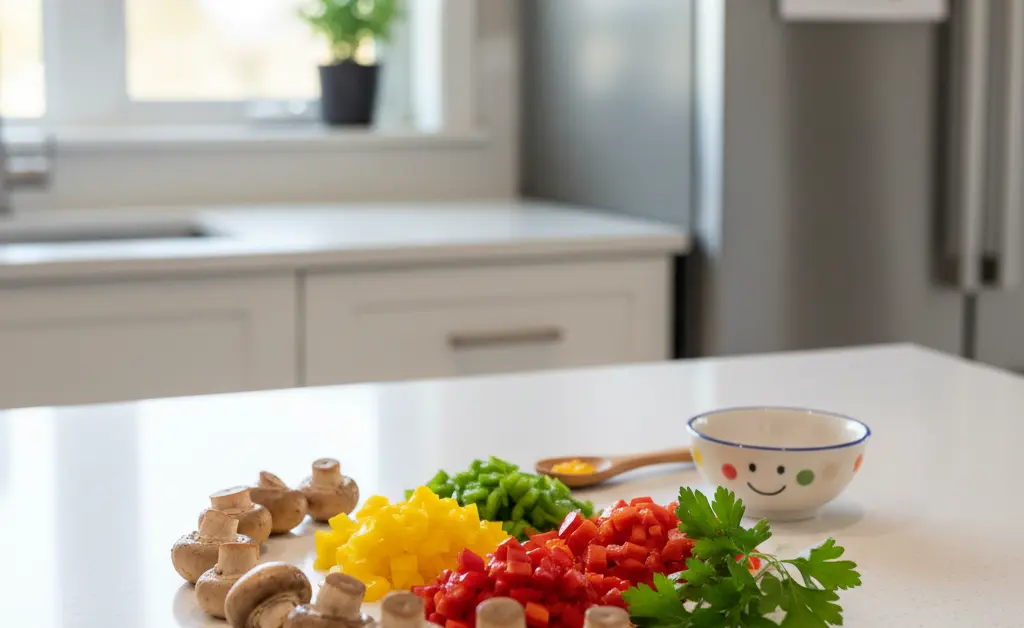
Many parents often overlook button mushrooms as a suitable food for their children, perhaps assuming kids won’t enjoy their texture or that they offer limited nutritional value compared to other vegetables. However, this common perception often misses the mark. Far from being just a side dish for adults, button mushrooms are a surprisingly versatile and nutritious addition to a child’s diet, offering a wealth of benefits that support healthy growth and development. Integrating button mushroom for kids can be a fantastic way to introduce new flavors and essential nutrients early on. They are packed with vitamins, minerals, and antioxidants, making them an excellent choice for a balanced family meal and a valuable component of a healthy eating strategy for young ones.
What Are Button Mushrooms and Why Are They Good for Kids?
Button mushrooms, scientifically known as Agaricus bisporus, are among the most commonly consumed and widely available edible fungi. They are characterized by their small, round caps and mild flavor, making them a versatile ingredient in many dishes. These humble mushrooms offer a surprising array of nutrients that can significantly benefit growing children. Introducing button mushroom for kids into their diet can be a nutritious choice, providing essential elements that support various bodily functions.
Nutritional Benefits of Button Mushrooms for Children
Button mushrooms are a powerhouse of nutrition, often underestimated for their contribution to a child’s health. They contain various B vitamins, such as riboflavin, niacin, and pantothenic acid, which are crucial for energy production and overall cellular function. These mushrooms also provide selenium, an important antioxidant that helps protect cells from damage, and potassium, which supports proper muscle and nerve function. Furthermore, button mushrooms can be a source of vitamin D when exposed to UV light, which is vital for bone health and immune system regulation. The presence of dietary fiber in mushrooms also supports healthy digestion. For more insights into mushroom benefits, you can explore oyster mushroom benefits.
Are Button Mushrooms Safe for Babies?
Many parents wonder about the safety of introducing mushrooms to their youngest family members. When prepared appropriately, button mushrooms can generally be a safe addition to a baby’s diet once they begin consuming solid foods. The key is in the preparation: ensuring they are cooked until very soft and presented in a form that minimizes any choking hazard. As with any new food, a cautious approach and observation for any signs of sensitivity are always recommended. Proper preparation is paramount to ensure they are easy to swallow and digest for infants.
Recommended Age for Introducing Button Mushrooms
The timing for introducing button mushrooms aligns with the general guidelines for introducing other solid foods. Typically, this occurs when a baby shows clear signs of readiness for solids, such as good head control, the ability to sit up with support, and showing interest in food. It is often suggested to introduce mushrooms when a baby is around six months of age or older, always starting with very small quantities and monitoring for any adverse reactions. Gradually introducing new textures and flavors can help broaden a child’s palate and acceptance of diverse foods.
Button Mushroom for Kids Benefits
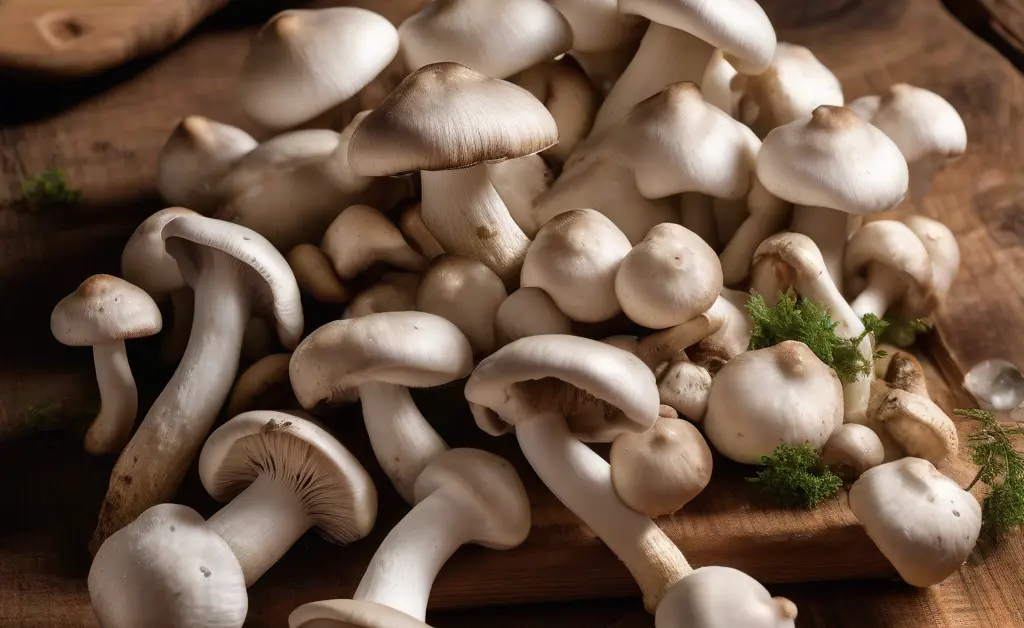
Beyond their basic nutritional content, button mushrooms offer several broader health advantages that are particularly beneficial for children during their developmental years. The overall benefits of button mushroom for kids extend beyond basic nutrition, encompassing immune support, digestive health, and even potential contributions to cognitive function. Their unique profile of vitamins, minerals, and antioxidants plays a role in supporting a child’s robust health.
For instance, the antioxidants present in button mushrooms can help bolster a child’s developing immune system, potentially helping the body ward off common illnesses. The fiber content aids in maintaining a healthy digestive tract, which is crucial for nutrient absorption and overall well-being. Some studies also suggest mushrooms may possess properties that support healthy cognitive development. By offering a different taste and texture profile, they can also contribute to a child’s adventurous eating habits, encouraging them to try a wider variety of foods.
How to Cook Button Mushroom for Kids
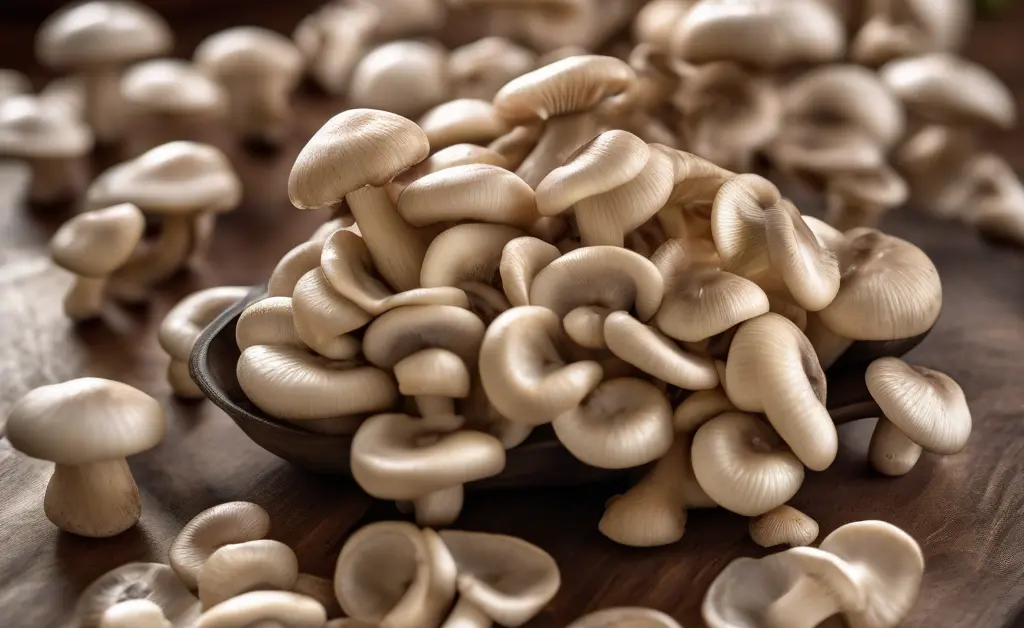
Proper preparation is key to making button mushrooms appealing and safe for young eaters. Understanding how to properly prepare button mushroom for kids is essential for ensuring they are palatable, digestible, and free from choking hazards. This involves careful washing, appropriate cooking methods, and sizing the pieces according to the child’s age and developmental stage.
Mushroom Purees for First Foods
For babies just starting on solids, mushroom purees are an excellent way to introduce this vegetable. After washing the mushrooms thoroughly, they should be cooked until very tender—steaming or sautéing with a little water or broth works well. Once cooked, blend them with a small amount of breast milk, formula, or water until a smooth, lump-free consistency is achieved. This method ensures the mushrooms are easy for infants to swallow and digest, making them a safe and nutritious option for early food exploration.
Finely Chopped Mushrooms in Other Dishes
As children grow and become accustomed to more textured foods, finely chopped mushrooms can be incorporated into a variety of dishes. Sautéing them until soft and then mincing them very small allows them to blend seamlessly into sauces, casseroles, or scrambled eggs. This approach can be particularly useful for children who might be hesitant to eat larger pieces of vegetables, as the mild flavor of button mushrooms often integrates well without overpowering other ingredients.
Button mushroom for kids recipe
When thinking about a button mushroom for kids recipe, simplicity and integration are often the best approaches. Consider dishes where mushrooms can be a subtle addition rather than the main feature. For example, finely diced and sautéed mushrooms can be mixed into pasta sauces, meatloaf, or even tucked into cheese quesadillas. For toddlers, small, soft pieces can be added to omelets or scrambled eggs, providing nutrients without an overwhelming texture. Mild stir-fries with other soft vegetables and proteins are another good option, ensuring all ingredients are cut into appropriate, bite-sized pieces. Research on health topics can be found on NCBI.
Creative Ways to Serve Button Mushrooms to Kids
Making vegetables exciting for children can sometimes be a challenge, but button mushrooms’ mild flavor and adaptable texture make them a great candidate for creative culinary integration. Finding creative ways to introduce button mushroom for kids can make mealtime more enjoyable and help broaden their palate for healthy foods.
Incorporating Mushrooms into Toddler Meals
Toddlers are often particular eaters, but their curiosity can also be a valuable tool. Try incorporating mushrooms into familiar favorites. For instance, finely chop sautéed mushrooms and mix them into macaroni and cheese, meat sauces for pasta, or even blend them into vegetable-based purees for soups. They can also be added to mini quiches or frittatas, offering a soft texture and savory flavor. Presenting them in fun shapes or alongside colorful foods can also pique a toddler’s interest.
Mushroom recipes for toddlers Indian
For parents looking to introduce diverse flavors, button mushrooms can be a wonderful addition to Indian-inspired toddler meals. They can be finely chopped and added to mild vegetable curries, ensuring the spice level is appropriate for a young palate. Mushrooms can also be sautéed and mixed into soft rice dishes like mild vegetable pilaf or khichdi, providing a tender texture and earthy flavor. Adding them to savory pancakes (dosa or uttapam batter) or fritters can also be a creative way to incorporate them, offering a familiar form with a new ingredient.
Potential Concerns and Tips for Introducing Mushrooms
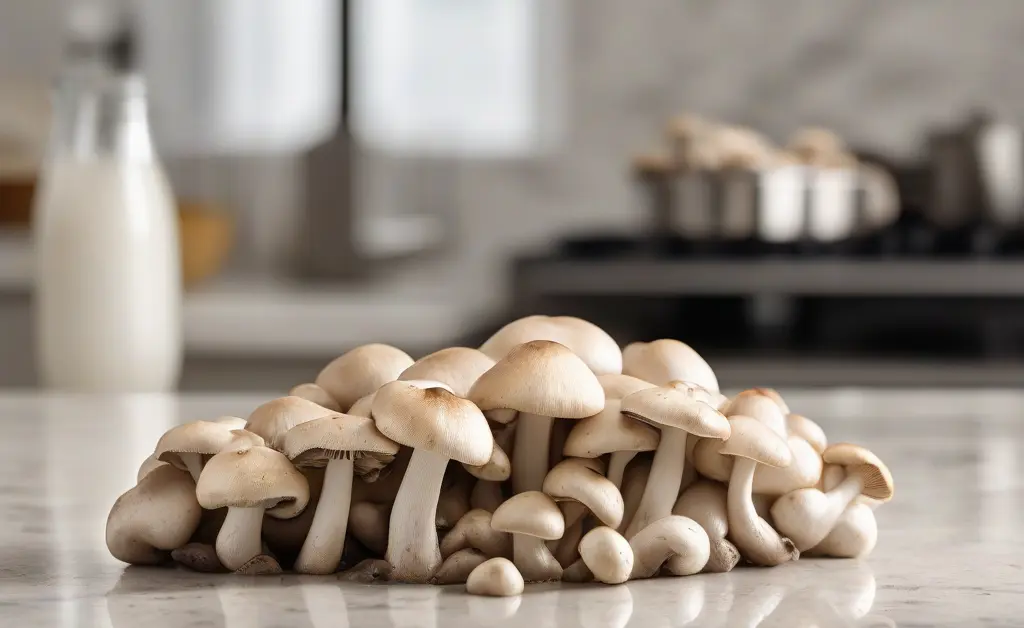
While button mushrooms are generally safe and nutritious, it’s wise to be aware of potential concerns and take precautions when introducing any new food to children. Always ensure mushrooms are sourced from reputable suppliers and stored correctly to maintain freshness and safety. Washing and cleaning mushrooms thoroughly before cooking is important to remove any dirt or residue.
When preparing mushrooms for babies and toddlers, the most significant concern is avoiding choking hazards. This means ensuring they are cooked until very soft and cut into appropriately small, manageable pieces. For infants, purees are ideal. For older babies and toddlers, finely chopped or minced pieces are best. As with any new food, be vigilant for signs of allergies or sensitivities, such as rashes, digestive upset, or breathing difficulties. If any such signs appear, discontinue use and consult a healthcare professional. Consulting with a pediatrician before introducing new foods, especially if there’s a family history of allergies, can provide additional peace of mind and personalized guidance.
Button mushrooms offer a treasure trove of nutritional benefits and culinary versatility, making them a fantastic addition to a child’s diet. By understanding their nutritional value, safe preparation methods, and creative serving ideas, parents can confidently introduce this healthful vegetable to their little ones. From purees for first foods to finely chopped additions in family meals, button mushrooms can play a valuable role in fostering healthy eating habits and supporting optimal growth and development from a young age.
This content is for informational use and should not be considered medical instruction. It is important to consult with a qualified healthcare professional or pediatrician for any health concerns or before making any dietary changes for children. The information provided here is not intended to be a substitute for professional medical advice, diagnosis, or treatment. Always seek the advice of your physician or other qualified health provider with any questions you may have regarding a medical condition.
FAQ
Are button mushrooms safe for babies?
Yes, cooked button mushrooms are generally considered safe for babies when introduced appropriately. They are a good source of nutrients and can be a healthy addition to a baby’s diet once they have started eating solid foods.
What are the benefits of mushrooms for babies?
Mushrooms offer several nutritional benefits for developing babies. They contain vitamins like B vitamins and minerals such as selenium and potassium, which are important for growth and overall health.
How do I cook mushrooms for my baby?
Mushrooms should always be thoroughly cooked before being offered to a baby. Steaming, sautéing, or roasting are effective methods to soften them, making them easier for babies to digest.
When can babies eat whole mushrooms?
Babies should not be given whole mushrooms, especially in their raw or firm state, due to the choking hazard. They are typically introduced in a pureed or finely chopped form as part of a baby’s transition to solids.
What is the best way to introduce mushrooms to a baby?
The best approach is to introduce mushrooms in a pureed or finely mashed form, mixed with other familiar purees. This allows babies to become accustomed to the texture and flavor without the risk of choking.