
The Real Difference Between Button and Champignon Mushrooms
Have you ever stood in the grocery store aisle, puzzled by packages labeled ‘button mushrooms’ and others simply ‘champignons,’ wondering if they are the same thing or distinct varieties? Many home cooks and even seasoned chefs find themselves grappling with this exact culinary dilemma. The terms are often used interchangeably, leading to confusion about what you’re actually buying or cooking with. This common misconception can impact your dish’s flavor and texture, prompting a need for clarity. This article aims to demystify the relationship, exploring the real button mushroom vs champignon differences, helping you make informed choices for your recipes and understand their culinary roles.
Button Mushroom vs Champignon Differences
Understanding the distinction between button mushrooms and champignons can significantly enhance your culinary endeavors. The relationship is often one of a specific type to a broader category, rather than two entirely separate entities. This comparative analysis between button mushroom vs champignon helps clarify common misunderstandings.
The ‘Champignon’ Umbrella Term
The term ‘champignon’ originates from French, where it simply means ‘mushroom.’ In many European countries, particularly France, it serves as a general descriptor for any type of edible fungus. Therefore, when someone refers to ‘champignons’ in a broader sense, they could be talking about a wide array of mushroom varieties, from delicate oyster mushrooms to robust porcini. This broad usage often contributes to the confusion when trying to differentiate specific types.
The ‘Button Mushroom’ Specificity
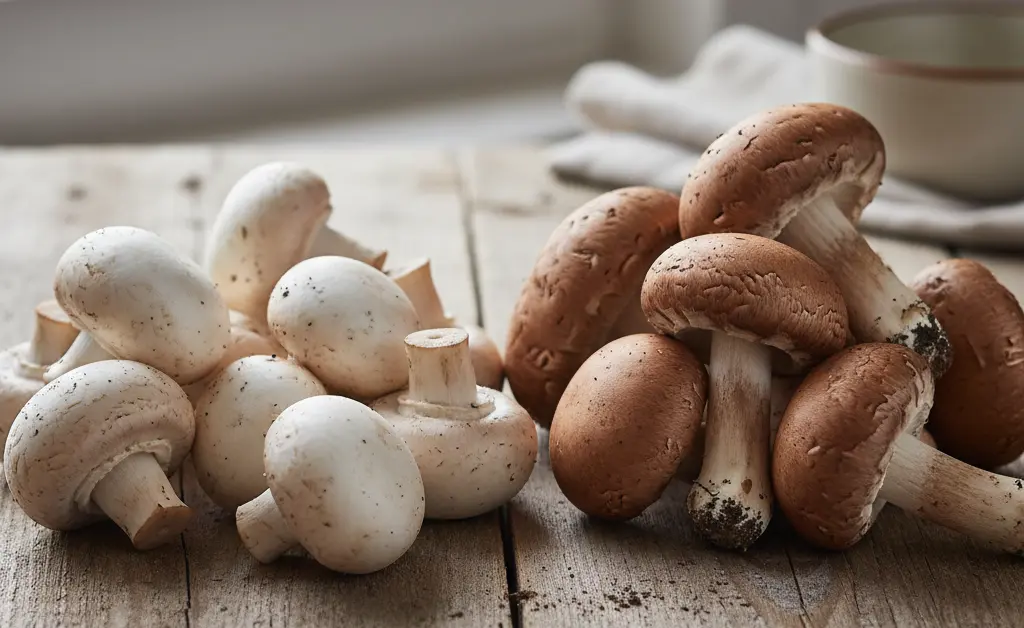
In contrast, ‘button mushroom’ refers to a very specific stage of a particular species of edible fungi. It is the common name given to the young, immature fruiting bodies of *Agaricus bisporus*. These are harvested before their caps have fully opened, resulting in their characteristic small, round, and firm appearance. They represent the earliest stage of what can later become a cremini or portobello mushroom. The difference between cremini mushrooms and white mushrooms is often a point of interest. cremini mushroom vs white mushroom is a common culinary query.
Naming Conventions
The naming conventions for mushrooms vary widely across regions and languages. In English-speaking countries, ‘button mushroom’ specifically denotes the white, immature *Agaricus bisporus*. However, in countries where French is prevalent, any mushroom might be called a ‘champignon,’ including what English speakers would call a button mushroom. This linguistic difference is a primary source of the interchangeable usage and subsequent confusion.
Species vs. General Term
The core of the distinction lies in the fact that ‘champignon’ is a general term for mushrooms, while ‘button mushroom’ refers to a specific species at a particular stage of development. Think of it like comparing ‘fruit’ (champignon) to ‘apple’ (button mushroom). An apple is a type of fruit, just as a button mushroom is a type of champignon. This clarifies that button mushrooms are, in fact, a kind of champignon, not a separate, unrelated category.
Appearance and Texture
Button mushrooms are characterized by their small, rounded caps that remain tightly closed around their short stems. They have a firm, slightly crisp texture when raw and retain some of this firmness when cooked. Their flesh is typically white. Other “champignons” (broader mushroom types) can vary wildly in appearance, from the fluted caps of oyster mushrooms to the large, flat caps of portobellos, and their textures can range from delicate to meaty.
Color Variations (White vs. Cream/Brown)
While the classic button mushroom is white, it’s important to note that *Agaricus bisporus* also comes in other color forms as it matures. The brown or crimini (also spelled cremini) mushroom is the same species as the white button, simply a slightly older, brown-capped variant. When these mature even further and their caps open wide, they become the large, flat portobello mushrooms. So, while white button mushrooms are the most common “button” type, the species itself can exhibit color variations as it ages.
Flavor Profile
Button mushrooms are known for their very mild, earthy, and sometimes slightly sweet flavor. They are delicate and tend to absorb the flavors of the dishes they are cooked with, making them highly versatile. As *Agaricus bisporus* matures into a crimini or portobello, its flavor deepens and becomes more intense and umami-rich. Other types of “champignons” will each have their unique and distinct flavor profiles, from the peppery notes of shiitake to the robust earthiness of chanterelles. Some fungi are even studied for their health benefits, separate from their culinary uses, such as tremella mushroom vs collagen. tremella mushroom vs collagen research delves into these distinct properties.
Key Differences Between Button Mushrooms and Champignons
Navigating the culinary landscape requires a clear understanding of ingredients. When considering the button mushroom vs champignon in your cooking, the primary differences often come down to their developmental stage, flavor intensity, and typical applications, which stem from their varying characteristics.
Common Culinary Uses
Given their mild flavor and versatile nature, button mushrooms are a staple in many kitchens. They are frequently used whole, sliced, or chopped in a vast array of dishes. Other types of champignons, depending on their species, can have very specific culinary niches where their unique textures and flavors shine best, from stir-fries to sophisticated fine dining preparations.
When to Use Button Mushrooms
Button mushrooms are excellent choices when you want a subtle mushroom flavor that doesn’t overpower other ingredients. They work wonderfully in salads, omelets, sautés, and as an addition to soups and stews where a delicate earthiness is desired. Their firm texture makes them suitable for skewers or roasting. They are also a popular choice for stuffing due to their relatively uniform shape and size.
When to Use Other ‘Champignons’
For dishes requiring a more robust mushroom presence, other types of champignons are often preferred. Crimini mushrooms, for example, offer a deeper, more savory flavor than white buttons and hold up well in heartier dishes like gravies, casseroles, or pasta sauces. Portobello mushrooms, with their large, meaty caps, are frequently used as vegetarian burger patties or grilled as a main course, providing a substantial texture and intense umami flavor. Other varieties like shiitake, oyster, or enoki mushrooms each bring their own distinct tastes and textures, suitable for specific cuisines and cooking methods that aim to highlight their unique characteristics.
Ultimately, while all button mushrooms are champignons, not all champignons are button mushrooms. The key distinction lies in the term ‘champignon’ being a broad, general French word for mushroom, whereas ‘button mushroom’ refers specifically to the young, immature stage of the *Agaricus bisporus* species. This understanding empowers cooks to make more informed choices, selecting the right mushroom for the desired flavor and texture in their culinary creations. Whether you’re seeking a delicate accent or a bold earthy note, recognizing these nuances will elevate your dishes and broaden your cooking repertoire. Research into edible fungi provides further insight. PubMed offers extensive scientific literature on the topic.
not applicable
FAQ
Is a button mushroom the same as a champignon?
A button mushroom is a specific type of mushroom, while “champignon” is a broader term used in French and other European languages for edible mushrooms, often referring to the common white or brown varieties. So, while a button mushroom can be considered a champignon, the term champignon encompasses more than just button mushrooms.
Are all button mushrooms technically champignons?
The term “champignon” is often used colloquially in Europe to refer to the common cultivated mushroom, which includes the button mushroom. Therefore, in common usage, button mushrooms are a type of mushroom that falls under the general umbrella of what many might call a champignon.