
Button vs. Milky Mushroom: A Nutritional & Culinary Comparison
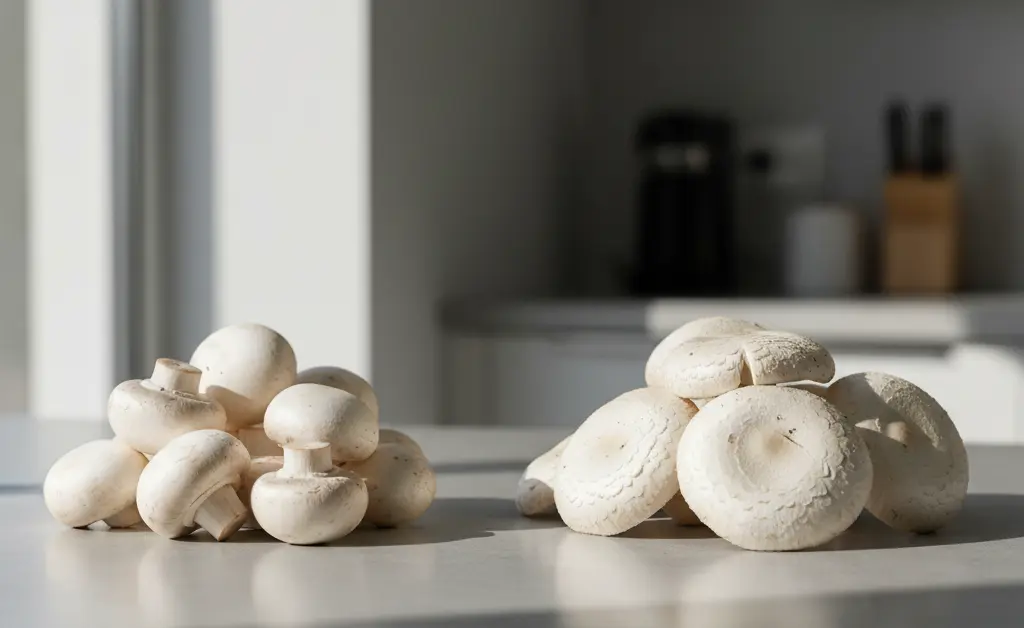
For health-conscious cooks and culinary enthusiasts, selecting the right ingredients is paramount to creating flavorful and nutritious meals. Mushrooms, celebrated for their versatility and umami-rich profiles, often feature prominently in diverse cuisines and dietary approaches. However, with an increasing array of edible fungi available, distinguishing between common varieties can be insightful for optimizing dishes. This guide delves into a detailed examination, exploring the nuances of button mushroom vs milky mushroom, two popular choices that offer distinct characteristics. Understanding their differences in taste, texture, and nutritional value empowers individuals to make informed decisions that align with their modern lifestyle and culinary aspirations, whether for everyday cooking or special gastronomic endeavors.
Button Mushroom vs. Milky Mushroom: A Comprehensive Comparison
Key Differences at a Glance
While both button and milky mushrooms are widely consumed edible fungi, they present notable differences in appearance, origin, cultivation, and culinary application. Button mushrooms are globally ubiquitous, known for their classic appearance and mild flavor. Milky mushrooms, on the other hand, are gaining popularity, particularly in certain regions, and are often recognized for their robust structure and distinct characteristics. Delving into the differences between button mushroom vs milky mushroom reveals how each offers unique attributes that can influence their role in cooking and diet.
White Button Mushrooms | Mushroom Varieties 101
White button mushrooms (Agaricus bisporus) are perhaps the most recognized and consumed mushroom variety worldwide. They are typically small to medium in size, with a smooth, white cap and a short, sturdy stem. Their gills are usually light pink when young, darkening to brown as they mature. Cultivated extensively in controlled environments, they are available year-round and form the base for many mushroom products, including crimini and portobello mushrooms, which are simply more mature stages of the same species. Their widespread availability, consistent quality, and mild flavor make them a staple in many kitchens.
Milky Mushrooms Information and Facts
Milky mushrooms (Calocybe indica) are a fascinating variety, particularly prominent in South Asia, where they are also known as the Indian Summer mushroom. They are typically larger than button mushrooms, with a strikingly white, firm cap that can sometimes appear slightly milky or creamy. Their stems are thick and solid, and the flesh is dense. Milky mushrooms thrive in warmer climates, making them a suitable candidate for cultivation in regions where other popular mushroom varieties might struggle. The Milky Mushroom-Indian Summer Variety is celebrated for its excellent shelf life and adaptability, offering a distinct textural experience compared to many other edible fungi.
Taste and Texture: Button vs. Milky Mushrooms
Taste Comparison
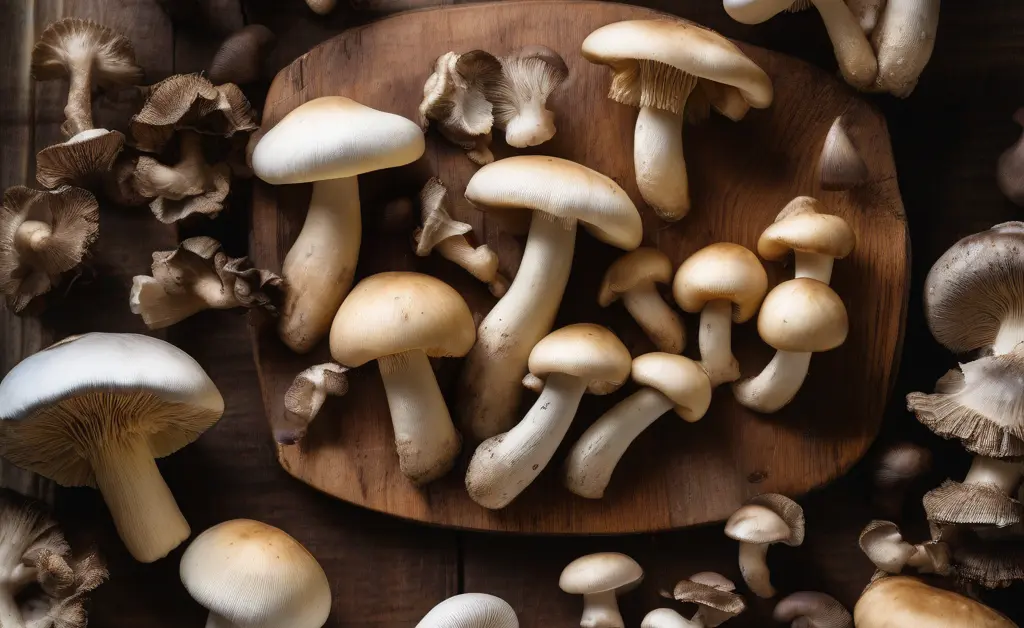
The flavor profiles of these two mushrooms offer distinct culinary experiences. Button mushrooms are characterized by a delicate, earthy, and relatively mild taste. Their flavor is subtle, making them incredibly versatile as they tend to absorb the flavors of other ingredients in a dish. They contribute a gentle umami without overpowering other components. Milky mushrooms, by contrast, often possess a more pronounced flavor. They can have a richer, somewhat nutty, and more savory profile, which can stand out more assertively in a dish.
Texture Comparison (Raw and Cooked)
Texture is another key differentiator between these two varieties. Raw button mushrooms have a crisp yet slightly tender bite. When cooked, they soften considerably, becoming tender and somewhat spongy, often releasing a significant amount of moisture. Raw milky mushrooms, however, are notably firmer and denser, possessing a more robust structure. When cooked, milky mushrooms retain much of their firm, meaty texture, providing a satisfying chewiness that holds up well in various preparations. Understanding the distinct sensory profiles is key in evaluating button mushroom vs milky mushroom for culinary applications.
Culinary Uses: Button vs. Milky Mushrooms
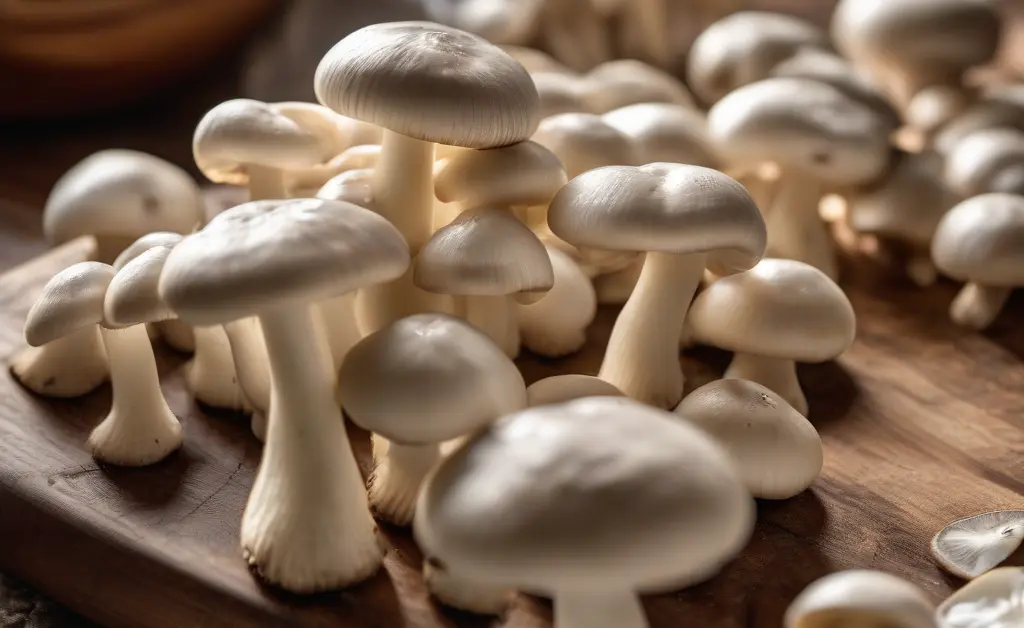
The distinct characteristics of button mushroom vs milky mushroom naturally lead to different culinary applications. Button mushrooms, with their mild flavor and tender cooked texture, are incredibly versatile. They are ideal for dishes where you want a subtle mushroom presence, such as in salads, omelets, stir-fries, sauces, and as a pizza topping. They blend seamlessly with other ingredients and are often chosen for their ability to absorb flavors. Best dishes for button mushrooms include classic sautéed mushrooms, creamy mushroom soups, and as a component in casseroles or quiches.
Milky mushrooms, due to their firm texture and more pronounced flavor, excel in dishes where a substantial, meaty mushroom is desired. They hold their shape well, making them excellent for grilling, roasting, and deep-frying. Their robust nature also means they can stand up to longer cooking times and heartier sauces. Best dishes for milky mushrooms might include mushroom curries, skewers, or as a standalone side dish where their unique texture can be fully appreciated. When considering your recipe needs, if you’re looking for a delicate addition, button mushrooms are a great choice. If you desire a mushroom that provides significant chew and presence, milky mushrooms are an excellent option.
Nutritional Value: Button vs. Milky Mushrooms

Beyond taste and texture, a significant aspect when considering button mushroom vs milky mushroom is their nutritional contribution. Both offer valuable nutrients, though their specific compositions can vary.
Macronutrient Comparison (Protein, Carbs, Fat)
Mushrooms, in general, are recognized for being low in calories and fat, while providing a source of dietary fiber. Both button and milky mushrooms are good sources of carbohydrates, primarily in the form of dietary fiber, which supports digestive health. They also contribute some protein, making them a beneficial addition to vegetarian and vegan diets for boosting protein intake, though not as a primary source. The specific amounts may vary, but broadly, both offer a similar macronutrient profile that aligns with a balanced diet.
Micronutrient Comparison (Vitamins, Minerals)
Both mushroom varieties are known to contain a range of essential micronutrients. They may offer B vitamins, such as riboflavin, niacin, and pantothenic acid, which are important for energy metabolism. Additionally, both can be sources of minerals like selenium, copper, and potassium. Some mushrooms, including button mushrooms, can produce vitamin D when exposed to UV light, which is crucial for bone health and immune function. Milky mushrooms are also studied for their potential to accumulate various beneficial compounds.
For more information on mushroom safety and regulations, consult the FDA.
Potential Health Advantages
The consumption of both button and milky mushrooms is associated with several potential health advantages. Their rich content of antioxidants may help combat oxidative stress in the body. The fiber content supports gut health and can contribute to feelings of fullness. Research into edible mushrooms often highlights their potential to support immune function, due to various bioactive compounds they contain. While specific effects can vary between species, incorporating diverse mushroom varieties like button mushroom vs milky mushroom into one’s diet can contribute to overall well-being.
Choosing between button and milky mushrooms ultimately comes down to personal preference and the specific requirements of your recipe. If you prefer a mild flavor and a soft texture that blends seamlessly into dishes, the ubiquitous button mushroom is an excellent choice. However, if you are seeking a mushroom with a firmer, meatier texture and a more pronounced, savory flavor that can truly stand out, milky mushrooms offer a compelling alternative. Both varieties offer unique culinary experiences and contribute beneficial nutrients to a balanced diet. Experimenting with both can expand your culinary repertoire and allow you to appreciate the diverse world of edible fungi.
The purpose of this content is to educate, not to diagnose or treat. This article provides general information about different types of mushrooms. It is not intended to be a substitute for professional medical advice, diagnosis, or treatment. Always seek the advice of your physician or other qualified health provider with any questions you may have regarding a medical condition or before making any decisions about your health.
FAQ
What is the taste difference between button and milky mushrooms?
Button mushrooms offer a mild, earthy flavor that becomes slightly more pronounced when cooked. Milky mushrooms have a more delicate, subtly sweet taste with a hint of umami, which some find more nuanced than that of button mushrooms.
Are button mushrooms or milky mushrooms healthier?
Both mushrooms provide valuable nutrients, including B vitamins and minerals. Milky mushrooms have been studied for their potential to support immune function, while button mushrooms are a good source of selenium.
Which mushroom is better for cooking, button or milky?
Button mushrooms are a versatile culinary staple due to their mild flavor and firm texture, making them suitable for a wide range of dishes. Milky mushrooms can also be used in cooking, offering a softer texture and a more subtle flavor profile that complements lighter preparations.
Can you substitute button mushrooms for milky mushrooms in recipes?
Generally, button mushrooms can be used as a substitute for milky mushrooms, though the resulting flavor and texture will differ. The milder taste of buttons might not impart the same subtle sweetness, and their firmer texture will affect the final dish’s mouthfeel.
What are the nutritional benefits of milky mushrooms compared to button mushrooms?
Milky mushrooms contain various beneficial compounds, including polysaccharides, which are relevant to their potential health-promoting properties. While both types offer protein and fiber, the specific micronutrient profiles can vary, with some studies suggesting milky mushrooms may have a higher concentration of certain antioxidants.
Is milky mushroom edible?
Yes, milky mushrooms are edible and are cultivated and consumed in various cuisines. They are recognized for their distinct taste and texture, adding a unique element to culinary creations.