
Choosing Between Button and Shiitake Mushrooms
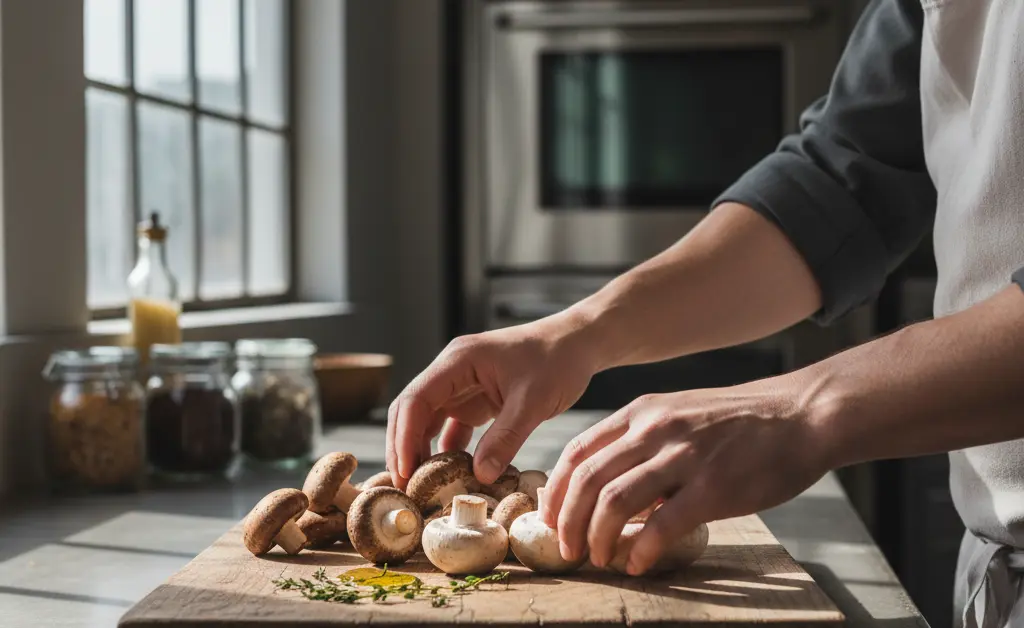
Last weekend, while browsing the produce aisle for ingredients to elevate my stir-fry, I found myself pausing between two distinct fungi: the familiar, unassuming white button mushrooms and the more exotic, earthy shiitake. Each offered its own appeal, prompting a moment of consideration about their unique qualities. This scenario is common for many home cooks and professional chefs alike, highlighting a frequent culinary dilemma. Understanding the nuances between these popular varieties is key to making informed choices that can significantly impact a dish’s flavor and texture. This article delves into a comprehensive comparison of button mushroom vs shiitake, exploring their distinct characteristics to help you decide which is best suited for your next culinary creation.
Button Mushroom vs Shiitake: A Comprehensive Comparison
When comparing button mushroom vs shiitake, the differences extend far beyond their visual appearance. These two popular fungi offer distinct experiences in terms of taste, texture, and culinary applications, making each a unique asset in the kitchen. Understanding these fundamental distinctions is crucial for selecting the right mushroom to complement your dish.
Taste and Flavor Profile: Button Mushroom vs Shiitake
The flavor profiles of button and shiitake mushrooms represent two different ends of the culinary spectrum, each bringing a unique character to dishes. Their distinct tastes are often a primary factor in deciding which to use.
Button Mushroom Flavor
Button mushrooms are widely recognized for their mild, earthy, and sometimes subtly sweet flavor. They are often described as having a delicate, almost neutral taste, which makes them incredibly versatile. This gentle flavor allows them to absorb the tastes of other ingredients they are cooked with, making them a great base for many dishes. Their unassuming profile means they rarely overpower other components, allowing them to blend seamlessly into sauces, stir-fries, and casseroles.
Shiitake Mushroom Flavor
Shiitake mushrooms, in contrast, boast a much bolder and more complex flavor. They are known for their rich, savory, and distinctly umami taste, often with a smoky or woody undertone. When cooked, their flavor intensifies, offering a depth that can stand out in a dish. This robust profile makes shiitake a star ingredient in many Asian cuisines, where their unique taste is celebrated. The flavor is often described as meatier and more pronounced than that of button mushrooms.
Umami Characteristics
Umami, often referred to as the fifth taste, is a savory deliciousness that enhances the overall flavor of food. Both button and shiitake mushrooms contain naturally occurring compounds that contribute to umami, though to different degrees. Shiitake mushrooms are particularly rich in guanosine monophosphate (GMP), a nucleotide that synergistically enhances the savory perception, leading to their intensely umami flavor. Button mushrooms also offer umami, primarily through glutamate, but their contribution is generally milder compared to the powerful effect of shiitake. This difference in umami characteristics significantly influences their culinary impact, particularly in broths, stocks, and savory dishes.
Button Mushroom Texture
The texture of button mushrooms is generally soft and spongy when raw. When cooked, they become tender and juicy, retaining some of their plumpness. Their relatively high water content contributes to this delicate texture. They can become quite soft when stewed or sautéed for an extended period, which allows them to melt into sauces and gravies, adding body without being overly chewy. The culinary uses often leverage this tender texture in dishes where a soft mushroom bite is desired.
Shiitake Mushroom Texture
Shiitake mushrooms present a firmer, more substantial texture than button mushrooms. When cooked, they remain chewy and meaty, offering a satisfying bite. The stems of shiitake mushrooms are notably tougher and more fibrous than their caps and are often removed before cooking, especially in stir-fries or dishes where a uniformly tender texture is preferred. However, the stems can be simmered to add flavor to stocks and broths. This resilient texture is highly valued in various recipes, particularly those that require a mushroom to maintain its integrity and offer a distinct textural contrast.
Can I substitute shiitake for button mushrooms?
While substitution is often possible in cooking, replacing shiitake with button mushrooms (or vice-versa) depends heavily on the desired outcome for the dish. If a recipe calls for button mushrooms and you use shiitake, the dish will likely have a much stronger, earthier, and more umami-rich flavor profile, potentially overshadowing other delicate ingredients. Conversely, using button mushrooms instead of shiitake may result in a milder flavor and a softer texture, lacking the characteristic depth and chewiness shiitake provides. For optimal results, consider the flavor intensity and texture requirements of the specific recipe when deciding on a substitution. For example, in a light cream sauce, button mushrooms might be preferred, while a robust Asian stir-fry would benefit more from shiitake.
Are shiitake and button mushroom the same?
No, shiitake and button mushrooms are not the same. They belong to different species of fungi, possess distinct flavor profiles, and vary significantly in appearance, cultivation methods, and nutritional composition. Button mushrooms (Agaricus bisporus) are commonly known in various stages of maturity, including cremini (baby bellas) and portobello mushrooms, all sharing a similar underlying flavor. For a closer look at this comparison, you can explore cremini mushroom vs champignon. Shiitake mushrooms (Lentinula edodes), on the other hand, are celebrated for their unique umami and woody notes. Despite both being edible fungi, their unique characteristics make them distinct ingredients with different culinary applications and health benefits.
Nutritional Comparison: Button Mushroom vs Shiitake
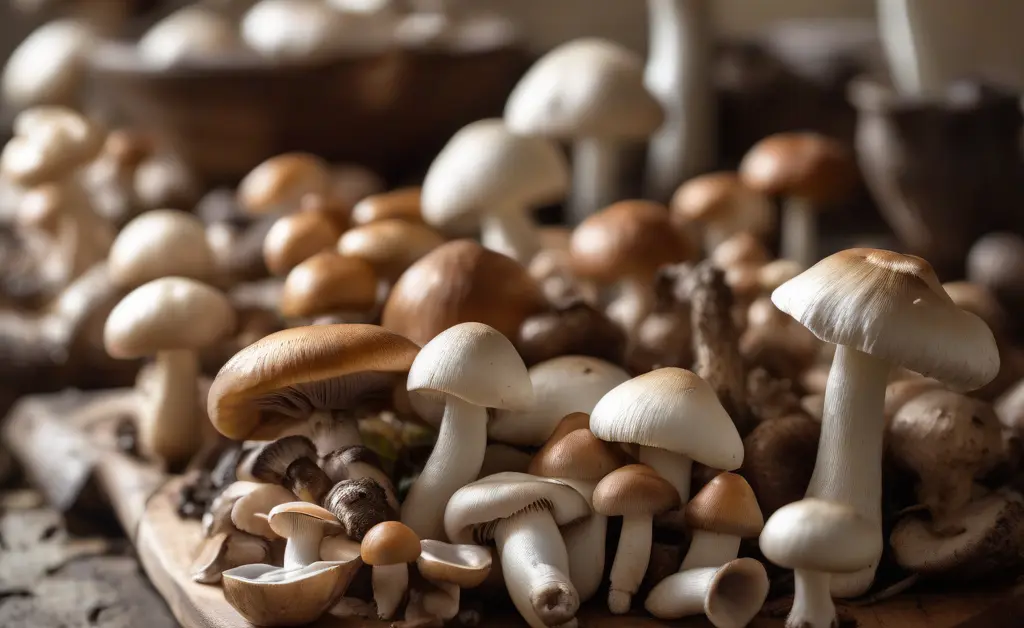
Exploring the nutritional aspects reveals further differences between button mushroom vs shiitake, offering insights into their respective health benefits. Both fungi are considered nutritious additions to a balanced diet, providing a range of vitamins, minerals, and other beneficial compounds, but their specific contributions can vary. You can find more information on mushroom nutrition from sources like the NIH.
Button mushrooms are recognized for being a good source of several B vitamins, including riboflavin, niacin, and pantothenic acid. They also contain certain minerals such as selenium and potassium. They are a low-calorie food, offering dietary fiber and protein. For those seeking a mild-flavored, versatile ingredient with a solid nutritional foundation, button mushrooms are an excellent choice. Their health benefits may include supporting cellular function and providing antioxidants.
Shiitake mushrooms are particularly noted for their unique nutritional profile, including the presence of compounds like lentinan, which has been studied for its potential health effects. They are also a notable source of B vitamins, especially B6, and provide minerals like copper and selenium. Shiitake mushrooms are also a good source of dietary fiber. The potential medicinal uses of shiitake have been a subject of research, with traditional practices often valuing them for their wellness properties. Like button mushrooms, they also contribute to overall health through their nutrient content and antioxidant properties.
Both types of mushrooms are low in fat and cholesterol-free, making them heart-friendly ingredients. The key differences in their vitamin and mineral content often relate to specific B vitamins and trace minerals, giving each mushroom distinct advantages. Incorporating both into one’s diet can provide a broader spectrum of nutrients.
Appearance, Cultivation, and Availability
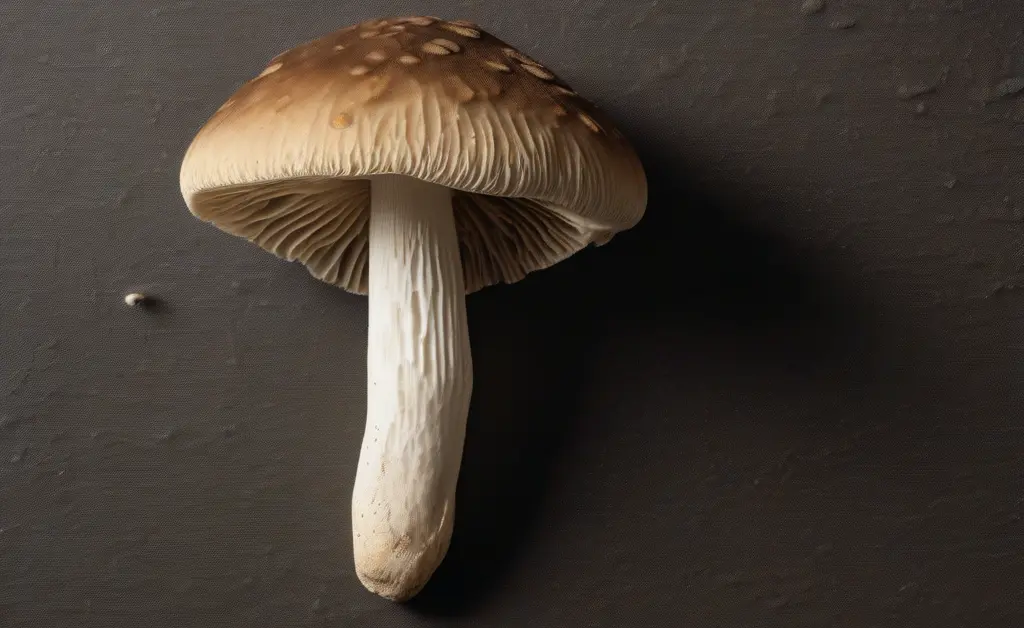
The visual distinctions, growing practices, and market presence further differentiate button mushroom vs shiitake, influencing their accessibility and use in kitchens worldwide.
What button mushrooms look like is quite familiar to most consumers. They typically have a smooth, rounded cap that is white or off-white, and a short, sturdy stem. When they mature into cremini (brown button mushrooms) or portobellos, their caps darken and expand, but the basic shape remains. They are primarily cultivated indoors in controlled environments, often on composted agricultural byproducts, allowing for year-round production. This efficient cultivation method contributes to their widespread availability in almost all grocery stores and markets globally, making them one of the most accessible mushroom varieties.
What shiitake mushrooms look like is generally more rustic and distinctive. They possess a broad, umbrella-shaped cap that ranges in color from light to dark brown, often with characteristic white speckles or cracks on the surface. Their stems are tougher and more fibrous than those of button mushrooms. Traditionally, shiitake mushrooms are grown on hardwood logs, which contributes to their unique flavor profile. Modern cultivation also includes growing them on sawdust blocks, which allows for more controlled production. While perhaps not as ubiquitous as button mushrooms, shiitake are widely available in Asian markets, specialty grocery stores, and increasingly in mainstream supermarkets, especially in their dried form, which concentrates their flavor.
The distinguishing features between the two extend to their growth environment and seasonality. Button mushrooms, being cultivated indoors, have no specific season. Shiitake, though often cultivated, still retain some of their natural growing characteristics, and wild shiitake have specific seasons. These factors play a role in their culinary applications, with button mushrooms often being a go-to for everyday cooking due to their constant availability, while shiitake might be sought after for specific recipes where its unique qualities are essential.
Cost and Value Comparison
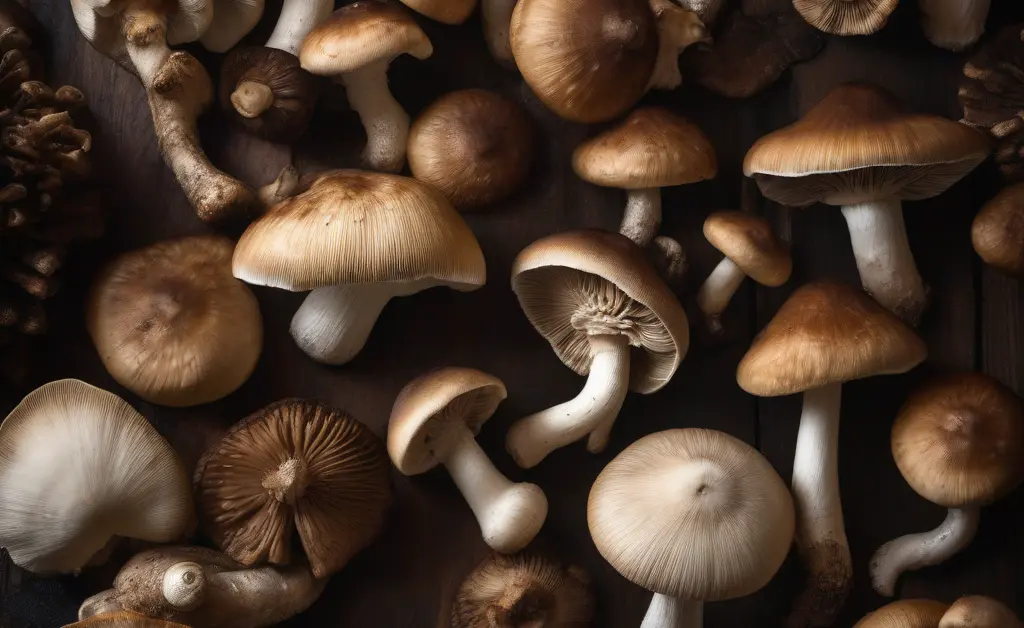
When considering the cost and value between button mushroom vs shiitake, several factors come into play, including their cultivation methods, availability, and culinary impact. These elements contribute to their price comparison and overall value for money in the kitchen.
Button mushrooms are generally the most affordable and widely available fresh mushroom option. Their efficient, large-scale indoor cultivation ensures a consistent supply throughout the year, which helps keep prices relatively low. This accessibility makes them a cost-effective choice for everyday cooking, allowing home cooks to add earthy flavor and beneficial nutrients to meals without a significant financial outlay. Their mild flavor means they can be used generously in dishes without overpowering other ingredients, offering good value in terms of bulk and versatility.
Shiitake mushrooms typically command a higher price per pound than button mushrooms. This is partly due to their more involved cultivation process, whether grown on hardwood logs or specialized sawdust blocks, and their strong demand in specific cuisines. The concentrated flavor and distinct texture of shiitake often mean that less is needed to achieve a significant impact in a dish, which can sometimes balance the higher initial cost. Dried shiitake, while more expensive per weight, rehydrate to yield a substantial amount and offer an even more intensified flavor, providing excellent value for dishes where their robust taste is paramount. While their upfront cost may be higher, their unique health benefits and culinary properties can justify the investment for many chefs and home cooks seeking a specific flavor profile and textural experience.
Ultimately, the value for money often depends on the specific culinary application. For a general earthy note and tender texture, button mushrooms are an economical and effective choice. For a dish that truly benefits from a rich, umami-packed flavor and a satisfying chewiness, the investment in shiitake mushrooms can provide superior culinary results.
The choice between button and shiitake mushrooms ultimately comes down to the specific requirements of your dish and your personal preferences for flavor and texture. While button mushrooms offer a mild, versatile base suitable for a wide array of recipes, shiitake mushrooms provide a bold, umami-rich experience that can elevate certain culinary creations. Understanding their distinct characteristics, from their nutritional profiles to their cultivation and cost, empowers you to make an informed decision, ensuring that your culinary endeavors are both delicious and well-suited to the ingredients at hand. Experimenting with both varieties can open up new dimensions in your cooking, allowing you to appreciate the unique contributions each brings to the table.
The information presented in this article is educational and not meant as professional medical counsel. While mushrooms are recognized for their nutritional content and potential health benefits, this content should not be used for self-diagnosis or to replace professional medical advice. Always consult with a qualified healthcare provider for any health concerns or before making any decisions related to your health or diet. This article does not provide medical instructions or prescriptions.
FAQ
What is the difference between button and shiitake mushrooms?
Button mushrooms are the most common variety, known for their mild flavor and dense texture. Shiitake mushrooms, native to East Asia, offer a richer, more savory taste and a chewier consistency.
Are button mushrooms or shiitake mushrooms healthier?
Both mushrooms contribute valuable nutrients to a balanced diet. Shiitake mushrooms are recognized for their distinct flavor compounds and certain beneficial polysaccharides not found in common button mushrooms.
Which mushroom has a stronger flavor, button or shiitake?
Shiitake mushrooms possess a significantly more robust and umami-rich flavor profile compared to the subtle taste of button mushrooms. This makes shiitake a popular choice for adding depth to dishes.
Can I substitute button mushrooms for shiitake mushrooms in recipes?
While you can substitute button mushrooms for shiitake, the resulting flavor and texture will be quite different. Button mushrooms offer a milder taste and a softer texture, which may alter the overall character of a dish that calls for shiitake.
What is the texture difference between button and shiitake mushrooms?
Button mushrooms generally have a tender and slightly crisp texture when raw, becoming softer when cooked. Shiitake mushrooms are known for their distinctly chewier and meatier texture, even after cooking.