
Eating Raw Cremini Mushrooms: Risks and Benefits

Mushrooms are a widely used ingredient, appreciated for their earthy flavor and versatile culinary applications. Among the many varieties available, cremini mushrooms, also known as baby bella mushrooms, are a staple in kitchens around the world. These brown-capped fungi are often cooked in various dishes, from stir-fries to pasta sauces, enhancing the taste with their robust profile. However, a common question arises regarding their preparation: can you eat cremini mushrooms raw? This query is important for home cooks and food enthusiasts alike, as understanding the safety and potential benefits or risks associated with consuming them uncooked is crucial for both culinary enjoyment and health considerations. This article explores the nuances of incorporating raw cremini mushrooms into your diet.
Can You Eat Cremini Mushrooms Raw?
Many culinary enthusiasts often wonder, can you eat cremini mushrooms raw? The general consensus is that cremini mushrooms are indeed edible in their raw form and are frequently used in salads and as garnishes. Unlike some wild mushroom varieties, commercially cultivated cremini mushrooms are typically considered safe for raw consumption. Their firm texture and earthy, mild flavor make them a suitable addition to various cold dishes, offering a distinct culinary experience that differs from their cooked counterparts.
Can all varieties of cremini mushrooms be eaten raw?
While cremini mushrooms, also known as baby bella mushrooms, are generally regarded as safe for raw consumption, it is important to distinguish them from other mushroom varieties. Not all types of mushrooms are suitable or safe to eat raw. Some wild mushrooms contain compounds that can be toxic or cause severe digestive upset if not properly cooked. However, cremini mushrooms, being a cultivated variety, are typically bred for safe consumption, including in their raw state. This distinction is crucial for anyone considering adding raw mushrooms to their diet.
What makes cremini mushrooms safe to consume raw?
The safety of consuming cremini mushrooms raw largely stems from their cultivation and composition. Unlike many wild mushrooms that may contain harmful toxins requiring heat to neutralize, cultivated cremini mushrooms do not typically possess such dangerous compounds. They are grown in controlled environments, which minimizes exposure to environmental contaminants often associated with foraging. Furthermore, their relatively mild flavor and texture are appealing in uncooked preparations, making them a popular choice for salads and other raw dishes. Proper cleaning, however, remains essential to remove any surface dirt or potential microbial presence.
Potential Risks of Eating Raw Mushrooms
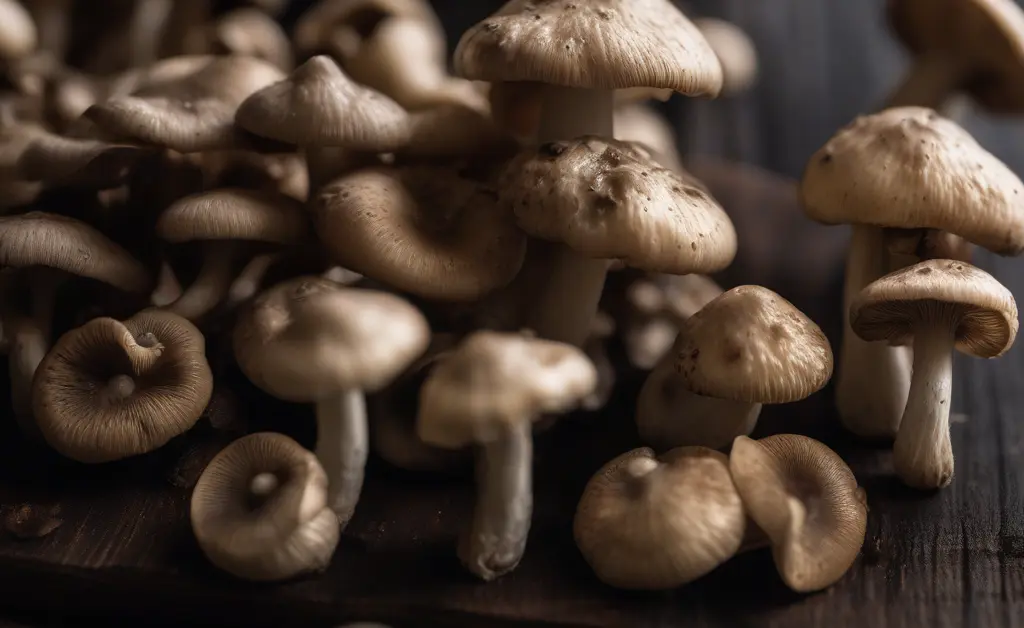
While many people enjoy them, it’s natural to consider the potential downsides when asking, can you eat cremini mushrooms raw? There are a few factors that might suggest caution or moderation when consuming raw mushrooms, including cremini varieties. These concerns primarily revolve around digestive comfort, potential mild irritants, and microbial safety, rather than outright toxicity in the case of cultivated cremini.
Digestive issues from raw mushrooms
One of the most commonly cited concerns with eating raw mushrooms, including cremini, is the potential for digestive discomfort. Mushrooms contain a tough carbohydrate called chitin, which is also found in the exoskeletons of insects and shellfish. While not harmful, chitin can be difficult for the human digestive system to break down, especially when raw. Cooking helps to soften the chitin walls, making the nutrients more bioavailable and the mushroom easier to digest. Consuming large quantities of raw cremini mushrooms may lead to bloating, gas, or general stomach upset for some individuals due to this indigestible compound.
Toxins and allergens in raw mushrooms
While cultivated cremini mushrooms are not considered poisonous, raw mushrooms may contain very low levels of naturally occurring compounds that are typically denatured by heat. For example, some mushrooms contain agaritine, a hydrazine derivative. While studies on its effects from consumption of cultivated mushrooms are varied and often suggest minimal risk in typical dietary amounts, cooking is known to significantly reduce its levels. Additionally, like any food, mushrooms can be an allergen for some individuals, regardless of whether they are raw or cooked. Allergic reactions could manifest as skin rashes, digestive issues, or respiratory symptoms.
Microbial contamination concerns
Another risk associated with consuming raw cremini mushrooms involves potential microbial contamination. Like all fresh produce, mushrooms grow in environments where they can come into contact with bacteria, yeasts, and molds from soil, water, or handling. While commercial growers adhere to strict food safety standards, there’s always a slight risk of surface contaminants. Proper washing and handling are crucial to minimize this risk. Cooking, on the other hand, effectively kills most harmful microorganisms present on the food surface, providing an additional layer of safety.
Benefits of Eating Mushrooms Raw
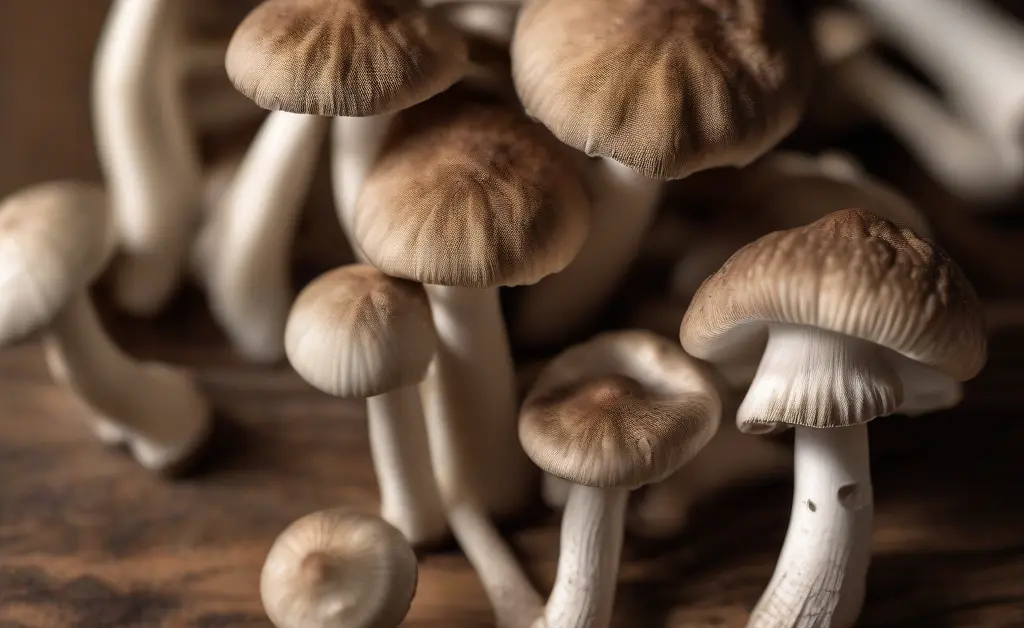
Beyond the question of whether you can eat cremini mushrooms raw, exploring the benefits provides a fuller picture. There are distinct advantages to consuming these fungi in their uncooked state, particularly concerning their nutritional profile and unique sensory attributes. These benefits often appeal to those looking to maximize nutritional intake or enjoy varied textures and flavors in their meals.
Nutrient retention in raw mushrooms
Eating cremini mushrooms raw may offer an advantage in terms of nutrient retention. Some vitamins and beneficial compounds found in mushrooms, such as certain B vitamins (like folate) and antioxidants, can be sensitive to heat. Cooking, especially at high temperatures or for extended periods, can sometimes degrade these delicate nutrients. Consuming cremini mushrooms raw helps preserve their full spectrum of heat-sensitive vitamins, minerals, and antioxidants, allowing the body to potentially absorb them in their most intact form. This makes raw cremini a nutritious addition to salads and cold dishes.
Flavor and texture of raw cremini
One of the primary benefits of eating raw cremini mushrooms lies in their unique flavor and texture profile, which is quite distinct from their cooked state. Raw cremini possess a firm, slightly crisp texture that adds a satisfying bite to dishes. Their flavor is earthy and subtly woody, with a fresh, mild sweetness that can be masked by intense cooking. When raw, they contribute a delightful textural contrast and an umami richness that complements various ingredients without overpowering them. This makes them an excellent choice for adding depth to salads, sandwiches, or as a fresh garnish.
How to Prepare and Serve Raw Cremini Mushrooms Safely
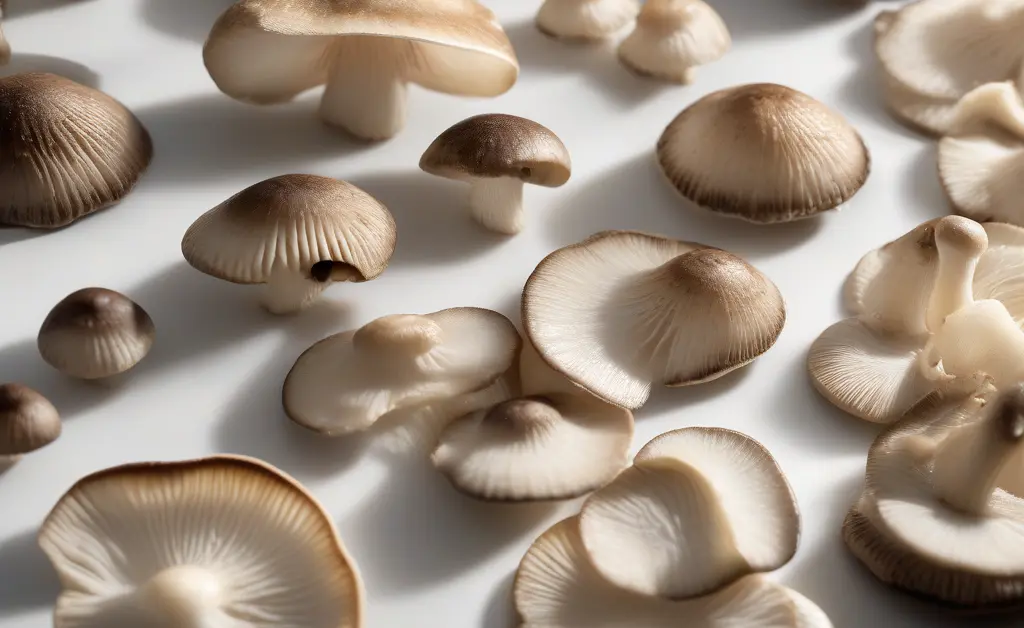
If you’ve decided that you can eat cremini mushrooms raw and wish to incorporate them into your diet, proper preparation is key to ensuring both safety and enjoyment. Attention to cleaning, slicing, and pairing can elevate your raw mushroom experience while mitigating potential risks. Following simple guidelines can help you savor their unique qualities without concern.
Washing and cleaning raw cremini
Thorough washing and cleaning are paramount when preparing raw cremini mushrooms. While mushrooms are porous, a quick, gentle rinse under cool running water is generally effective for removing dirt and debris without causing them to absorb excessive water. Avoid soaking them, as this can make them soggy. After rinsing, pat them dry with a clean cloth or paper towel. Some prefer to use a soft brush to gently remove any stubborn soil. Trimming the very end of the stem, if it appears woody or discolored, is also a good practice before slicing or serving. If you are unsure about the freshness of your cremini mushrooms, it is helpful to know how to tell if cremini mushrooms are bad.
Best ways to incorporate raw cremini into dishes
Raw cremini mushrooms can be a versatile addition to many dishes, offering both texture and flavor. They are excellent when thinly sliced and added to green salads, providing an earthy crunch. They can also be marinated briefly in a vinaigrette to tenderize them slightly and infuse them with additional flavor for antipasto platters or grain bowls. Other popular uses include finely dicing them for salsas, adding them to wraps and sandwiches, or using them as a fresh topping for pizzas after baking, or even in some cold pasta dishes. Their mild taste allows them to blend well with a variety of ingredients. For different mushroom preparations, you might consider how to cut king oyster mushroom.
Recommended serving sizes for raw cremini
When incorporating raw cremini mushrooms into your diet, it is often advisable to start with moderate amounts, especially if you are new to consuming them raw. While there isn’t a strict universal guideline, a small to moderate serving size, such as a handful of sliced mushrooms, is a common starting point. This allows your digestive system to adapt to the chitin content. Individuals may find their optimal serving size varies based on personal tolerance and digestive sensitivity. Listening to your body and gradually increasing consumption, if desired, can help ensure a comfortable experience. Consider the stems as well; you can learn if you can eat cremini mushroom stems.
Cremini mushrooms can be a delightful and nutritious addition to your diet, whether cooked or raw. While raw consumption offers unique textural and flavor profiles along with potentially enhanced nutrient retention, it is essential to be mindful of digestive considerations and meticulous about cleaning. By understanding the nuances of how to prepare and consume them safely, you can confidently enjoy the versatility of these earthy fungi in various culinary creations. For information on other mushroom types, you might find resources on how to prepare turkey tail mushroom helpful.
While this article discusses health-related topics, it does not provide medical guidance. The information presented is for informational purposes only and should not be considered a substitute for professional medical advice, diagnosis, or treatment. Always consult with a qualified healthcare provider or registered dietitian for any health concerns or before making any dietary changes. Individual results and experiences may vary, and safety precautions should always be followed. Further research on nutrition and health can be found on the NIH website.
FAQ
Can you eat any mushrooms raw?
While some mushrooms can be consumed raw, it’s generally recommended to cook most varieties. Cooking helps break down tough cell walls, making nutrients more accessible and potentially reducing the risk of digestive upset. Certain edible mushrooms, like button or cremini mushrooms, are sometimes eaten raw in salads or appetizers.
What mushrooms should not be eaten raw?
Mushrooms with tough or woody textures, such as shiitake or maitake, are best cooked to improve digestibility and flavor. Wild mushrooms, in general, should not be consumed raw unless you are an expert identifying them and are certain of their edibility and preparation methods. Some mushrooms can contain compounds that are better deactivated or made more bioavailable through heat.
How do you prepare mushrooms to eat raw?
If choosing to eat mushrooms raw, select fresh, firm specimens and wash them thoroughly. Thinly slice or chop them to make them easier to digest and incorporate into dishes like salads or wraps. Ensuring proper cleaning is essential to remove any surface contaminants.