
Should You Remove Portobello Mushroom Gills?
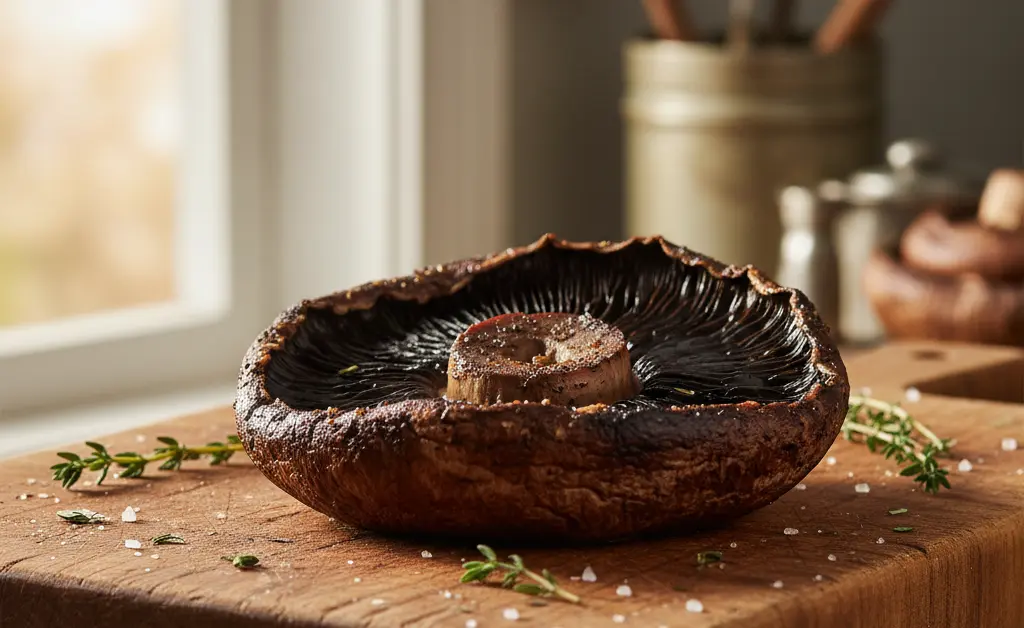
As home cooking and plant-based diets continue to grow in popularity, many individuals are exploring how to best prepare their ingredients for optimal flavor and presentation. Among the versatile options in the kitchen, the portobello mushroom stands out, frequently featured in vegetarian burgers, stir-fries, and grilled dishes. This rise in culinary exploration often leads to questions about ingredient preparation, particularly concerning elements that might be unfamiliar or subject to common practices. A recurring point of discussion for mushroom enthusiasts and novice cooks alike revolves around whether it’s necessary or even advisable to remove certain parts of the mushroom before cooking. This article delves into a specific query many people have when preparing these fungi: can you eat the gills of a portobello mushroom, and what are the implications for your dish?
Can You Eat the Gills of a Portobello Mushroom?
The question of whether one can eat the gills of a portobello mushroom is a common one, and the straightforward answer is generally yes. Portobello mushroom gills are entirely edible and pose no health risks when consumed as part of a properly prepared meal. Many culinary traditions embrace the whole mushroom, gills included, leveraging their unique contributions to the dish. Understanding their composition and how they interact with other ingredients can help you decide whether to keep them in your recipes. The decision often comes down to personal preference, the desired aesthetic, and the impact on the overall flavor and texture of the cooked dish.
Are Portobello Mushroom Gills Edible?
From a purely physiological standpoint, portobello mushroom gills are perfectly safe and edible. They are a natural part of the mushroom’s reproductive structure, responsible for producing spores. Unlike some wild mushrooms where certain parts may be toxic, the gills of commercially available portobello mushrooms are safe for consumption. There is no inherent danger in eating them, whether cooked or, in some preparations, raw. So, if you’re wondering if you can eat the gills of a portobello mushroom, rest assured that they are not harmful.
Safety of Consuming Portobello Gills
When it comes to the safety of consuming portobello gills, there are no known adverse effects specifically tied to their ingestion. As with any produce, proper cleaning is always recommended to remove any dirt or debris that might be clinging to the gills. Learning how to clean portobello mushrooms is essential. A gentle wipe with a damp cloth or a quick rinse is usually sufficient. Some people notice that the dark spores from the gills can “bleed” into other ingredients, potentially altering the visual appeal of a light-colored sauce or dish. However, this is purely an aesthetic consideration and does not impact food safety or the nutritional value of the mushroom. For further information on food safety guidelines, consult with organizations like the FDA.
Why Some People Remove Portobello Gills
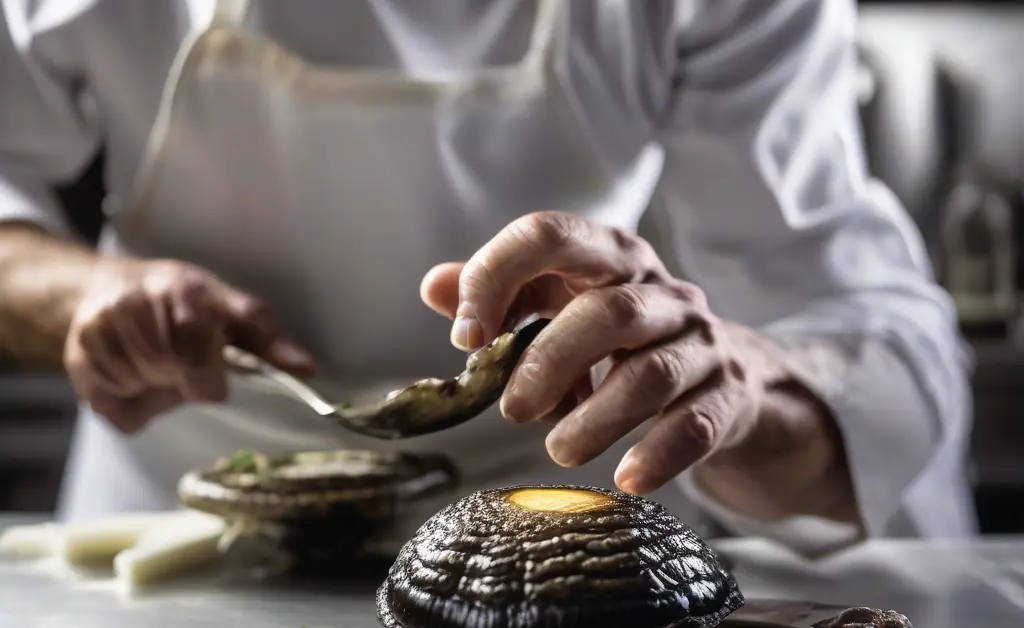
Despite their edibility, many chefs and home cooks routinely remove the gills from portobello mushrooms. The reasons for this practice are varied and largely stem from culinary considerations rather than safety concerns. Understanding these perspectives can help you decide how you want to prepare your mushrooms. When considering whether can you eat the gills of a portobello mushroom, it’s worth exploring why some prefer to omit them from their recipes.
General Consensus on Eating Portobello Gills
There isn’t a universal consensus on whether to remove portobello gills; it largely depends on the specific dish and personal preference. For some, the aesthetic preferences play a significant role. The dark, spore-laden gills can release their dark color into a dish, which might be undesirable if a clean, light presentation is sought, such as in a creamy risotto or a delicate stir-fry. Texture considerations are also a factor; while not dramatically different, the gills can sometimes contribute a slightly more fibrous or “slimy” mouthfeel, particularly if not cooked thoroughly. Flavor intensity is another point of discussion. The gills can concentrate some of the mushroom’s earthy, sometimes slightly bitter notes. Removing them may result in a milder, more uniform mushroom flavor. Ultimately, the decision to remove gills or not comes down to how you want the finished dish to look, feel, and taste.
Taste and Texture Differences with Gills
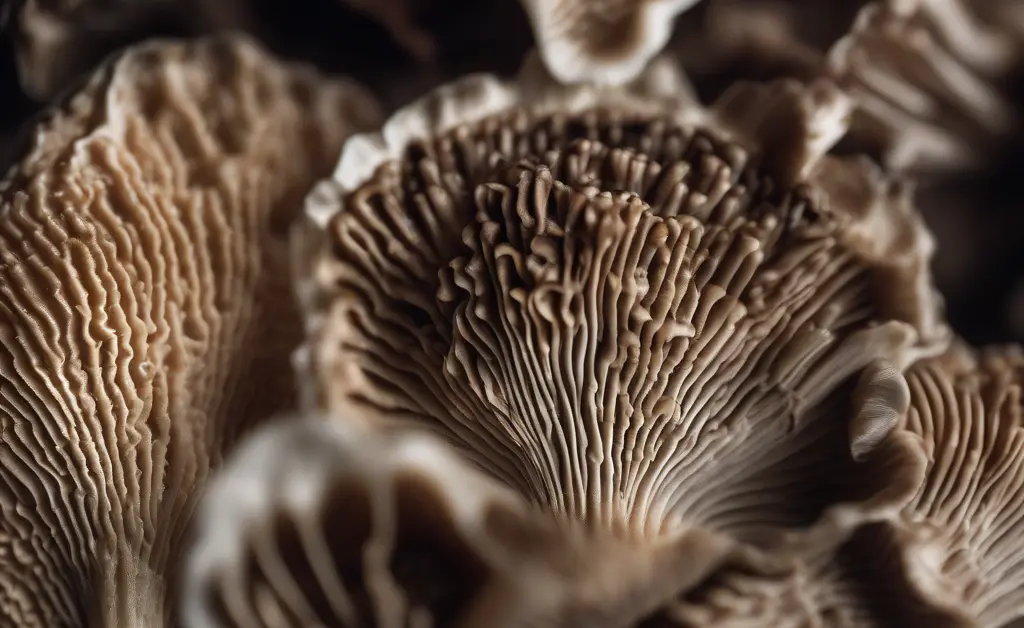
Including or removing the gills of a portobello mushroom can subtly but distinctly alter the taste and texture of your finished dish. This impact on overall flavor profile and effect on mouthfeel is a primary consideration for many cooks. When deciding if you can eat the gills of a portobello mushroom in a specific recipe, it’s beneficial to consider these differences.
When left intact, the gills contribute a more pronounced earthy flavor and a deeper umami note to the dish. They tend to absorb and release moisture differently than the cap’s flesh, which can influence the final texture, sometimes creating a slightly softer or more tender experience in certain areas. The dark spores they contain can also add a richer, almost meaty visual appeal to hearty dishes like stews or grilled mushroom burgers. Conversely, removing the gills often results in a cleaner, less intense mushroom flavor, allowing other ingredients to shine more prominently. The texture of the cap itself becomes the sole focus, often perceived as firmer and more uniform. For those who find the mushroom’s natural bitterness too strong, gill removal might offer a milder taste. Experimenting with both approaches can help you determine which best suits your palate and the specific culinary application you have in mind.
Consider how to cook portobello mushroom effectively, whether the gills are removed or not. The decision of whether to remove portobello mushroom gills before cooking is ultimately a matter of personal preference and culinary intent. While entirely safe to eat and offering a distinct flavor and texture contribution, their removal can be beneficial for specific aesthetic or textural goals. Understanding these nuances allows you to tailor your mushroom preparation to achieve the desired outcome in your dishes, ensuring a delightful culinary experience every time.
This information is provided for educational purposes only. It is not intended to be a substitute for professional medical advice, diagnosis, or treatment. Always seek the advice of your physician or other qualified health provider with any questions you may have regarding a medical condition or dietary changes. Never disregard professional medical advice or delay in seeking it because of something you have read in this article.
FAQ
Are portobello mushroom gills poisonous?
The gills of a portobello mushroom are not poisonous. They are a natural part of the mushroom’s structure and are safe for consumption.
What do portobello mushroom gills taste like?
Portobello mushroom gills have an earthy flavor that is similar to the rest of the mushroom. Many people find they absorb flavors from cooking well, contributing to the overall taste of a dish.