
The Edibility of Portobello Mushroom Stems

Many home cooks and health enthusiasts are increasingly mindful of reducing food waste and maximizing the nutritional value of their ingredients. As portobello mushrooms gain popularity as a versatile, meat-alternative ingredient in various dishes, from gourmet burgers to hearty stir-fries, a common question arises regarding their preparation: what to do with the often-discarded stem? While some recipes might suggest removing them, considering their potential use can elevate culinary practices and contribute to more sustainable cooking. This article delves into the various aspects of portobello mushroom stems, addressing whether can you eat the stem of a portobello mushroom, their flavor profile, nutritional benefits, and creative ways to incorporate them into your meals, helping you make the most of this earthy fungus.
Can You Eat Mushroom Stems?
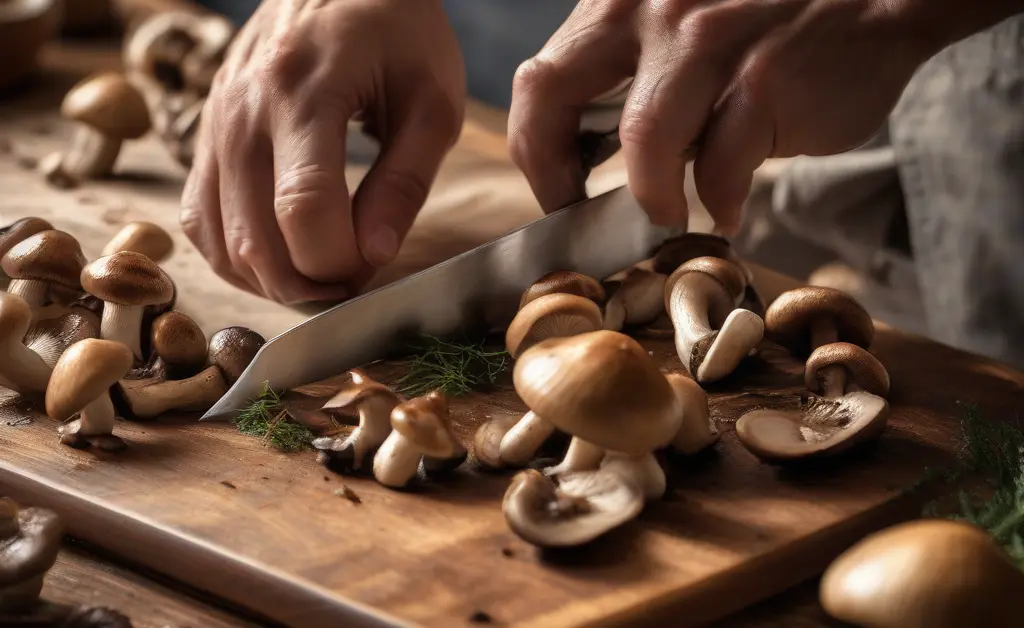
A common culinary query revolves around the edibility of various mushroom stems. While some varieties of mushrooms have tough or woody stems that are typically discarded, many others, including cultivated types like cremini, white button, and portobello mushrooms, possess perfectly edible stems. The decision to use them often comes down to texture preferences and how they will be incorporated into a dish. When considering whether can you eat the stem of a portobello mushroom, the answer is generally yes, though their preparation might differ slightly from that of the caps.
Cleaning Portobello Stems
Before cooking, proper cleaning of portobello mushroom stems is essential. Unlike some produce that can be thoroughly washed, mushrooms tend to absorb water quickly, which can make them soggy. It is often recommended to gently brush off any visible dirt or debris with a soft brush or a damp cloth. If the stems appear particularly dirty, a quick rinse under cold running water followed by immediate patting dry with a paper towel can be effective. This helps remove any lingering soil without compromising their texture. Many chefs suggest avoiding soaking the stems to preserve their firmness and flavor. For more details on this process, you can learn how to clean portobello mushroom.
Texture and Flavor of Portobello Stems
The texture of portobello mushroom stems is generally firmer and more fibrous than the delicate cap. They have a slightly chewy consistency which can add a pleasant contrast to dishes. In terms of flavor, portobello stems mirror the earthy, umami notes of their caps, although they might be slightly less intense. This subtle flavor makes them a versatile ingredient that can absorb other flavors in a dish without overpowering them. Their robust structure allows them to hold up well to various cooking methods, from sautéing to simmering in broths.
Nutritional Value of Portobello Stems
Just like their caps, portobello mushroom stems are a nutritious addition to your diet. They contain various vitamins and minerals, including B vitamins, potassium, and selenium. They are also a source of dietary fiber, which is beneficial for digestive health. While the exact concentration of nutrients may vary slightly compared to the caps, incorporating the stems helps maximize the nutritional yield of the entire mushroom, contributing to a more wholesome meal. They are also low in calories and fat, making them a suitable ingredient for a balanced diet. For reliable health information, consult resources from the National Library of Medicine.
Can You Eat Portobello Mushroom Stems?
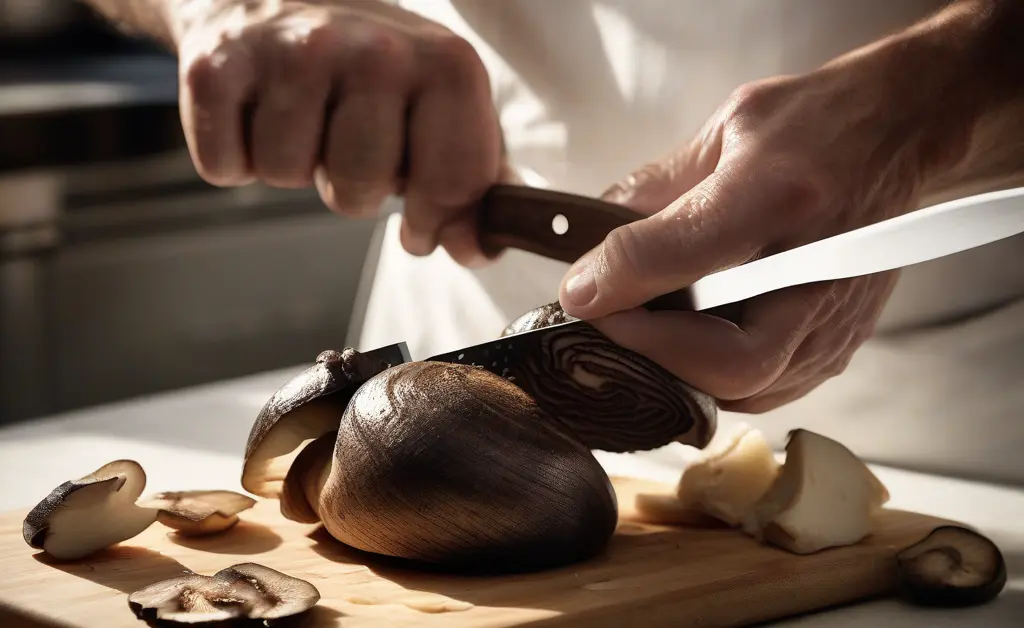
Yes, you absolutely can eat portobello mushroom stems, and doing so offers an excellent opportunity to reduce food waste and enhance the flavor profile of your culinary creations. Their sturdy texture and earthy flavor make them a valuable component in many recipes, transforming what might be considered scraps into delicious ingredients. Whether you’re wondering can you eat the stem of a portobello mushroom or how to best utilize them, their versatility in the kitchen is considerable, extending beyond simple sautéing to more complex preparations.
Portobello Stem Stock or Broth
One of the most effective ways to utilize portobello mushroom stems is by transforming them into a flavorful stock or broth. By simmering cleaned and chopped stems with aromatic vegetables like onions, carrots, and celery, along with herbs and spices, you can create a rich, earthy liquid. This mushroom stock serves as an excellent base for soups, stews, sauces, and gravies, imparting a deep umami flavor that enriches many dishes. It’s a fantastic way to capture the essence of the mushroom that might otherwise be discarded.
Incorporating into Sauces and Gravies
Finely dicing portobello mushroom stems allows them to be seamlessly incorporated into a variety of sauces and gravies. When cooked down, they contribute a hearty texture and deepen the savory notes of the dish. They can be added to cream sauces for pasta, rich brown gravies for meats, or even vegetarian mushroom-based sauces. Their ability to absorb flavors while adding a subtle chewiness makes them a valuable ingredient for enhancing the overall mouthfeel and complexity of these preparations.
Adding to Soups and Stews
Portobello mushroom stems are a natural fit for soups and stews. Chopped or diced, they can be added directly to the cooking pot, where they will soften and release their earthy flavors over time. Their firm texture holds up well to longer cooking durations, providing substance and a satisfying bite to hearty vegetable stews, minestrone, or even creamy mushroom soups. This is an efficient way to add more volume, flavor, and nutritional value to your comfort food favorites.
Using in Stuffing Recipes
For a unique twist, consider using finely chopped portobello mushroom stems in stuffing recipes. Whether it’s for poultry, bell peppers, or other vegetables, the stems can add moisture, flavor, and a pleasant chewiness. They blend well with breadcrumbs, herbs, and other vegetables, contributing an extra layer of savory depth to the stuffing. Pre-sautéing the chopped stems before mixing them into the stuffing can help to further tenderize them and concentrate their flavor.
Sautéing Portobello Stems
A simple yet effective way to enjoy portobello mushroom stems is by sautéing them. After cleaning and dicing, they can be quickly cooked in a pan with a little oil, garlic, and herbs. Sautéed stems make an excellent side dish, a flavorful addition to scrambled eggs, omelets, or stir-fries, and can even be added to salads for extra texture and taste. This method allows their natural earthy flavor to shine through, providing a delicious and versatile ingredient for many meals. Learn more about how to cook portobello mushroom in various ways.
In conclusion, the stems of portobello mushrooms are not only edible but also offer a wealth of culinary possibilities. From enriching stocks and broths to adding depth in sauces, soups, and stuffings, or simply enjoyed sautéed, their unique texture and earthy flavor can enhance a wide range of dishes. By utilizing the entire mushroom, home cooks can minimize food waste and unlock new dimensions of flavor in their cooking. Embracing the versatility of portobello mushroom stems is a simple yet impactful step towards more sustainable and creative kitchen practices.
This material is shared for educational insight, not for clinical decision-making. The information presented here is for general knowledge and informational purposes only, and does not constitute medical advice. Always consult with a qualified healthcare professional for any health concerns or before making any decisions related to your health or treatment. Reliance on any information provided in this article is solely at your own risk.
FAQ
Are portobello mushroom stems edible?
Yes, portobello mushroom stems are entirely edible and can be a flavorful addition to dishes. They have a slightly tougher texture than the cap, but when cooked properly, they offer a pleasant chew.
What do you do with portobello mushroom stems?
Portobello mushroom stems can be finely chopped and added to sauces, gravies, or stuffing mixtures for added depth of flavor. They also work well when minced and sautéed alongside other vegetables for stir-fries or soups.
How to cook portobello mushroom stems?
To cook portobello mushroom stems, begin by removing any tough outer skin and then chopping them into desired sizes. Sautéing them in a pan with a little oil or butter until tender is a common and effective method. They can also be roasted or added to braises.
Are mushroom stems safe to eat?
Generally, mushroom stems are safe to eat and are a nutritious part of the mushroom. The texture and flavor can vary between mushroom varieties, but most stems are perfectly suitable for culinary use.