
The Right Way to Freeze Wood Ear Mushrooms

Have you ever wondered if you can freeze wood ear mushrooms, the delightfully crunchy fungi often found in Asian cuisine? Many home cooks find themselves with more fresh wood ear mushrooms than they can use immediately and look for ways to preserve their unique texture and flavor for later enjoyment. Understanding the best methods for freezing these mushrooms ensures they retain their desirable qualities, making them ready for stir-fries, soups, or other dishes whenever inspiration strikes. This guide will walk you through the essentials of properly preparing, freezing, and using wood ear mushrooms so you can maximize their shelf life and minimize waste in your kitchen.
Can You Freeze Wood Ear Mushrooms?
The short answer is yes, you can. Freezing is an excellent option for preserving surplus wood ear mushrooms, especially when you have more than you can use while they’re fresh or after rehydrating a large batch of dried ones. However, the success of freezing depends heavily on the preparation method. The unique, gelatinous, and crunchy texture of wood ear mushrooms can be sensitive to the freezing process. Proper technique is key to ensuring they don’t turn mushy or lose their desirable bite when thawed. By following specific steps, you can successfully store them in the freezer for several months, ready to be incorporated into future meals.
Can I freeze raw wood ear mushrooms?
Freezing fresh, raw wood ear mushrooms is generally not recommended. Like many types of mushrooms, wood ears have a high water content. Placing them directly into the freezer in their raw state causes large ice crystals to form within their cell structures. When the mushrooms are thawed, these ice crystals rupture the cell walls, leading to a significant loss of texture. The result is often a soft, mushy, and unappealing product that has lost its signature crunchiness. To preserve the quality and texture, it’s essential to prepare them before freezing.
Can I freeze rehydrated wood ear mushrooms?
Yes, freezing rehydrated wood ear mushrooms is the preferred method and yields much better results. If you start with dried wood ear mushrooms, the process of rehydrating them prepares them perfectly for the next step of preservation. Once they are plump and have regained their characteristic texture, they can be properly prepared for the freezer. This method is also ideal for fresh wood ear mushrooms, which should be cooked or blanched before freezing, effectively mimicking the state of a rehydrated mushroom. This pre-treatment helps stabilize their structure, making them more resilient to the freezing and thawing cycle.
Preparing Wood Ear Mushrooms for Freezing
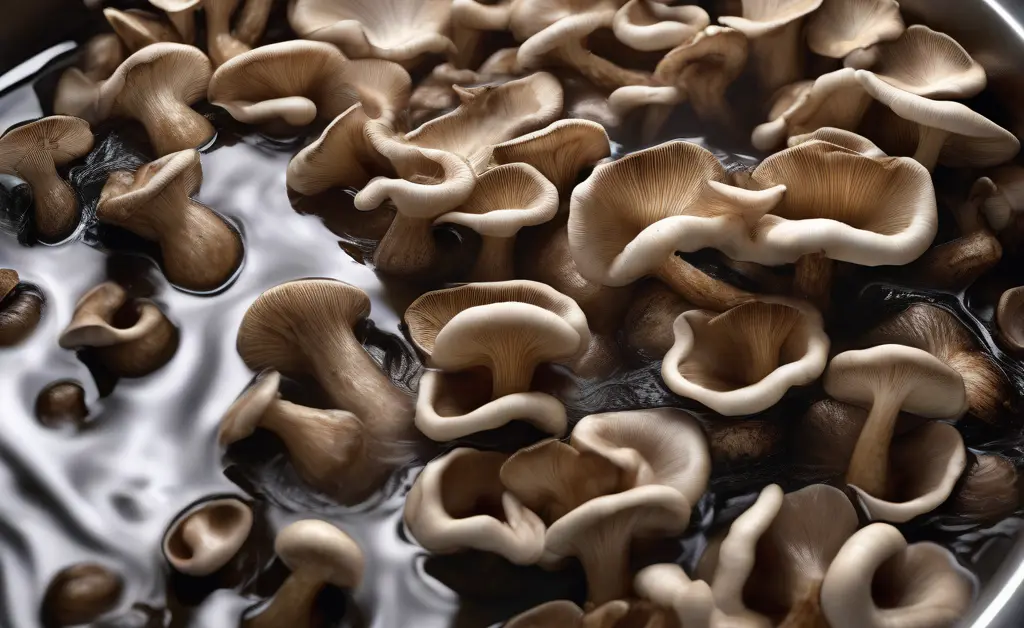
Proper preparation is the most critical stage for preserving the quality of wood ear mushrooms in the freezer. Whether you are starting with fresh or rehydrated mushrooms, the initial steps are similar. First, ensure the mushrooms are thoroughly cleaned. Rinse them under cold water to remove any dirt, debris, or remnants of the growing medium. Pay special attention to the folds and crevices where grit can hide. After cleaning, inspect the mushrooms and trim away any tough, woody parts, particularly near the base where they were attached to the wood.
The next step, blanching, is crucial. Blanching involves briefly cooking the mushrooms in boiling water, followed by rapidly cooling them in an ice bath. This process stops enzymatic activity that can lead to deterioration in flavor, color, and texture during freezer storage. Bring a pot of water to a rolling boil, add the cleaned mushrooms, and cook them for a couple of minutes. Immediately remove them with a slotted spoon and plunge them into a bowl of ice water to halt the cooking process. Once cooled, drain them thoroughly. This preparation makes all the difference when you later ask if can you freeze wood ear mushroom successfully.
Freezing Wood Ear Mushrooms: Best Practices
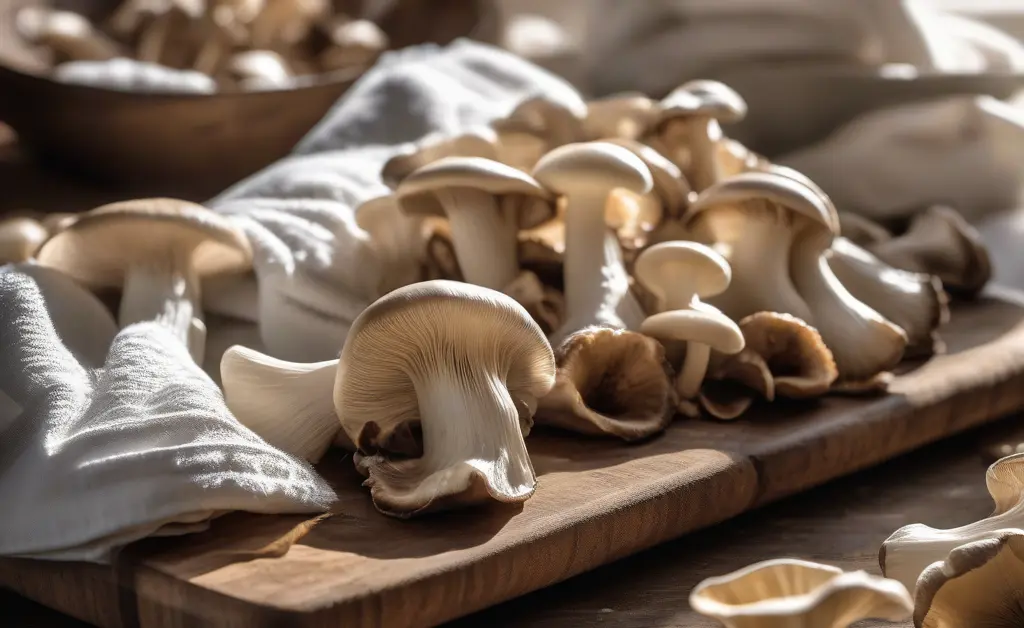
Once your wood ear mushrooms have been blanched and cooled, the next step is to dry them as thoroughly as possible. Excess moisture on the surface will lead to ice crystals and freezer burn. Pat them dry with a clean kitchen towel or use a salad spinner for a more efficient method. The drier they are, the better they will freeze.
For best results, use the flash-freezing technique. Spread the prepared mushrooms in a single layer on a baking sheet lined with parchment paper. Make sure the individual pieces are not touching. Place the baking sheet in the freezer until the mushrooms are frozen solid. This method prevents them from clumping together into a single, large mass, allowing you to easily portion out what you need later. Once the mushrooms are solidly frozen, transfer them to a freezer-safe bag or an airtight container. Squeeze out as much air as possible from the bag before sealing it to further protect against freezer burn. Label the bag or container with the date. Following these best practices for how you can you freeze wood ear mushroom will ensure they maintain the best possible quality for your future culinary creations.
Thawing and Cooking Frozen Wood Ear Mushrooms

When you’re ready to use your frozen wood ear mushrooms, you have a couple of options for thawing. The best method for preserving texture is to transfer the desired amount from the freezer to the refrigerator and let them thaw slowly overnight. This gentle approach minimizes moisture loss. If you’re short on time, you can place them in a colander and run cold water over them until they are thawed.
In many cases, thawing isn’t even necessary. For dishes like soups, stews, and hot pots, you can add the frozen wood ear mushrooms directly to the simmering liquid. They will thaw quickly while cooking and absorb the flavors of the dish. For stir-fries, it’s often better to thaw them partially so they don’t release too much water and lower the temperature of the wok. Frozen and thawed wood ear mushrooms are best suited for cooked dishes where their texture is appreciated, rather than in raw applications. This is the final step in answering how can you freeze wood ear mushroom and still enjoy it in your meals. Always inspect stored food for signs of spoilage; if the mushrooms have an off smell or slimy texture after thawing, they should be discarded. For comprehensive health information, resources from the NIH provide valuable insights.
The information presented in this article is educational and not meant as professional medical counsel. The methods described are for informational purposes related to food preservation. Always use your best judgment regarding food safety and consult resources from culinary or food safety authorities for specific guidelines. If you are unsure about the freshness or safety of any food item, it is best to discard it.
FAQ
Can you freeze wood ear mushrooms after rehydrating them?
Yes, you can freeze rehydrated wood ear mushrooms to preserve them for later use. Freezing is an effective method for extending their shelf life after they have been soaked and softened. This technique helps maintain their texture and flavor for future culinary applications.
What is the best way to freeze rehydrated wood ear mushrooms?
The best approach involves thoroughly drying the rehydrated mushrooms to remove excess moisture before freezing. Once dry, spread them in a single layer on a baking sheet and freeze until solid, then transfer them to an airtight container or freezer bag. This prevents them from clumping together and maintains their individual integrity.
How long do frozen rehydrated wood ear mushrooms last?
Frozen rehydrated wood ear mushrooms can maintain good quality for several months when stored properly in an airtight container. While they may remain safe to eat for longer, their texture and flavor are best preserved within a six-month to one-year timeframe. For optimal results, it’s advisable to consume them within this period.
Do wood ear mushrooms get mushy after freezing and thawing?
It is common for wood ear mushrooms to experience a slight change in texture, becoming softer or a bit more delicate, after freezing and thawing. This textural alteration is a natural consequence of the freezing process affecting the cellular structure. However, they generally retain enough firmness to be suitable for many dishes.
How do you use frozen wood ear mushrooms?
To use frozen wood ear mushrooms, it is often recommended to thaw them in the refrigerator or directly add them to cooking dishes like soups or stir-fries. While they may not have the same crispness as fresh ones, they absorb flavors beautifully and add a unique textural element. Their suitability depends on the desired outcome of the recipe.