
A Forager’s Guide to Chanterelle Mushrooms in Australia
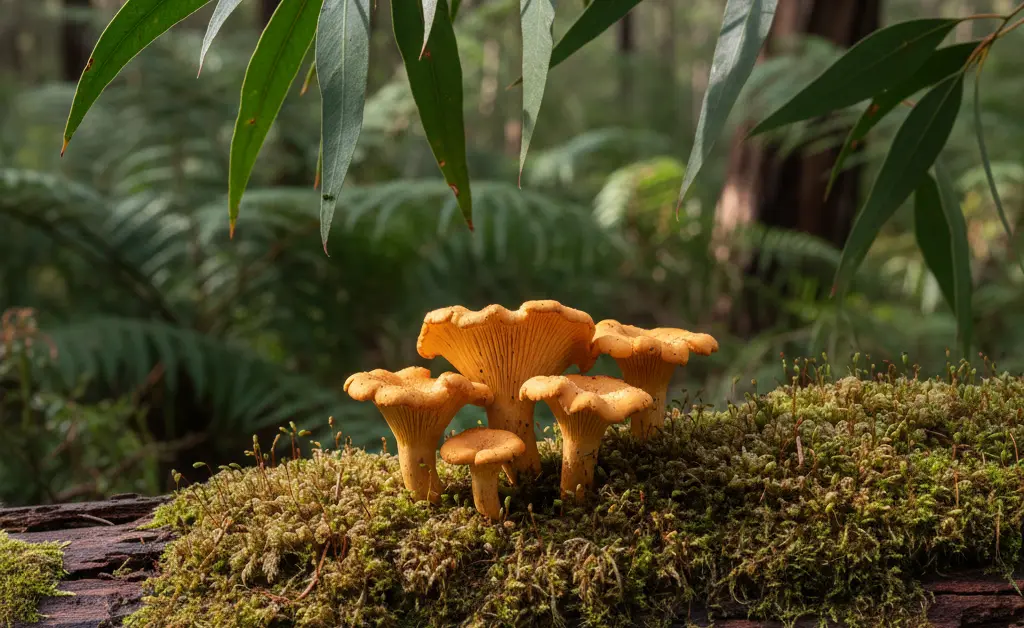
Imagine a golden-hued, funnel-shaped mushroom with a delicate fruity aroma, often described as tasting subtly of apricots. That’s the essence of a chanterelle, a prized edible mushroom that graces forests worldwide. While many associate these delightful fungi with European woodlands, Australia also boasts its own unique varieties, offering a seasonal bounty for adventurous cooks and nature enthusiasts. Exploring the world of Australian chanterelles involves understanding their specific habitats, identifying them accurately among native flora, and mastering the art of sustainable foraging. This guide delves into the exciting realm of finding and enjoying these culinary treasures down under, focusing on the native species and their particular characteristics.
Understanding the Australian Chanterelle (Cantharellus concinnus)
While foragers globally hunt for various species within the *Cantharellus* genus, Australia has its own special variety that commands attention. Gaining a deeper knowledge of this specific mushroom is the first step for any aspiring forager in the region.
Australian Chanterelle (Cantharellus concinnus)
The primary chanterelle species found in Australia is known scientifically as *Cantharellus concinnus*. This native fungus is the main prize for local mushroom hunters seeking the famed chanterelle experience. It shares the same desirable culinary qualities as its international relatives, including a firm texture and a distinctively fruity, apricot-like scent and flavour. Its presence adds a unique dimension to Australian mycology, representing a local expression of a globally celebrated edible mushroom. For those interested in acquiring these mushrooms, you can buy chanterelle mushrooms.
Are Chanterelles Native to Australia?
Yes, chanterelles are native to Australia. The discovery and classification of *Cantharellus concinnus* confirm that the continent has its own indigenous species. This is a common pattern in the fungal kingdom, where a well-known genus like *Cantharellus* has distinct species that have evolved in different geographical regions. The Australian chanterelle is not an introduced species but a natural part of the country’s biodiversity, uniquely adapted to its specific ecosystems.
Key Differences from European or American Species
While sharing the classic chanterelle look, *Cantharellus concinnus* has subtle differences compared to its more famous European (*C. cibarius*) or North American counterparts. Mycologists note that the Australian species can sometimes be more slender and may exhibit a slightly different colour palette, though it still falls within the typical yellow-to-orange spectrum. The most significant difference, however, is its symbiotic relationship with native Australian flora. Unlike European chanterelles that associate with oak and beech, the Australian variety has adapted to partner with local trees like water gums, making its habitat very specific to the region.
Chanterelle Mushrooms Australia Season
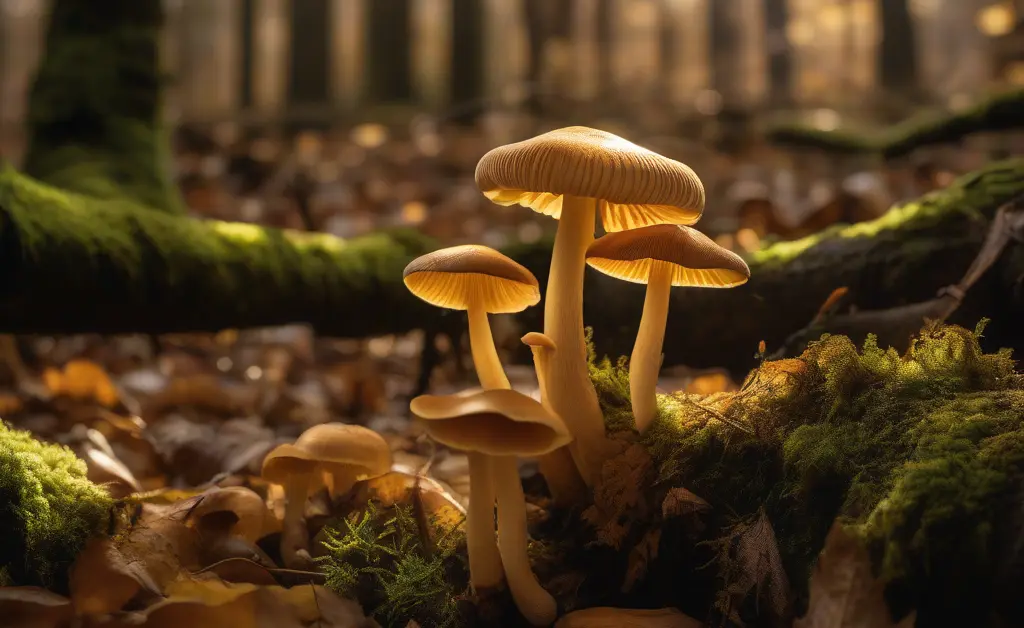
Timing is everything in the world of mushroom foraging. The appearance of chanterelles is fleeting and heavily dependent on specific environmental triggers, making it crucial for foragers to understand the seasonal cycles and weather patterns that encourage their growth.
Optimal Season and Weather
The season for Australian chanterelles generally spans from summer into late autumn, though the exact timing can vary significantly based on location and annual weather fluctuations. The key ingredient is rain. These mushrooms typically fruit after periods of substantial rainfall are followed by several days of warm, humid weather. This combination of deep soil moisture and high air humidity creates the perfect conditions for the mycelial network to produce fruiting bodies. A dry summer will likely yield a poor season, while a wet and warm one can result in a bumper crop for those who know when and where to look.
Where to Find Chanterelle Mushrooms in Australia
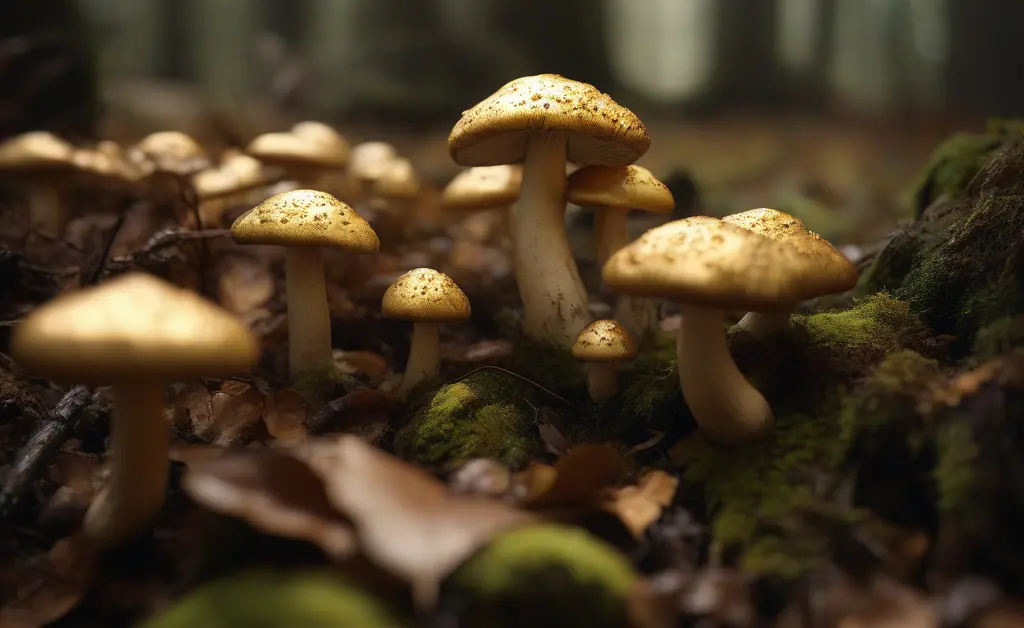
Finding chanterelles requires more than just luck; it demands a deep understanding of their preferred environment. These mushrooms form a mycorrhizal relationship with specific trees, meaning they thrive in particular ecosystems where their host plants are present and the soil conditions are just right.
Typical Habitats and Ecosystems
Australian chanterelles are most commonly found in wet sclerophyll forests and the fringes of rainforests, particularly in the eastern and southern parts of the country. States like Victoria, New South Wales, and Tasmania are known hotspots. They favor damp, mossy areas, often appearing on shaded banks near creeks or in gullies where moisture is retained. These ecosystems provide the necessary humidity and protection from direct sun that allows the delicate fungi to flourish. While less documented, searching for `chanterelle mushrooms australia` in similar habitats in regions like the southwest of Western Australia around Perth could also be rewarding after suitable rains.
Associated Trees and Plants (e.g., Water Gums, Palms)
The single most important clue for locating Australian chanterelles is the presence of their host trees. *Cantharellus concinnus* is known to form a strong symbiotic association with water gums (*Tristaniopsis laurina*). Searching the ground around and beneath these trees dramatically increases the chances of a successful hunt. In some habitats, they may also be found in proximity to certain native palms and other rainforest vegetation that contribute to the damp, shaded microclimate they prefer. Learning to identify water gums is therefore a fundamental skill for any aspiring chanterelle forager in Australia.
Preferred Soil and Moisture Conditions
Chanterelles thrive in soil that is well-drained yet consistently moist. They are often found in sandy or loamy soils, particularly those rich in organic matter from decaying leaves and wood. They do not grow in waterlogged, swampy ground, but rather in areas where water can percolate through the soil while maintaining a high level of ambient moisture. The ideal location is often a gentle slope or forest floor that catches rainfall but doesn’t become a puddle, ensuring the mycelium can breathe without drying out.
How to Identify Chanterelles in Australia
Proper identification is the most critical skill in wild mushroom foraging. Chanterelles have several distinct features that help distinguish them from other fungi, but careful examination is essential to ensure safety. Misidentification can lead to consuming a toxic lookalike.
Distinctive Color and Cap Shape
The Australian chanterelle typically presents with a vibrant colour ranging from golden yellow to a deep, rich apricot-orange. The cap is not perfectly round but is instead funnel- or trumpet-shaped, often with an irregular, wavy, and uplifted margin, especially in mature specimens. The surface of the cap is generally smooth and dry to the touch. Young chanterelles may start with a more convex cap that flattens and then becomes vase-like as they grow.
Examining the False Gills
The most reliable feature for identifying a chanterelle is its “false gills.” Unlike the true, paper-thin, blade-like gills of many mushrooms that can be easily separated from the cap, chanterelles have ridges or folds. These blunt, forked ridges run down the underside of the cap and continue seamlessly down the stem. They look more like melted, shallow veins than separate structures. This characteristic is a key differentiator from potentially toxic lookalikes. You can learn more about mushroom identification from resources like PubMed.
Stem and Flesh Characteristics
The stem, or stipe, of a chanterelle is solid all the way through—it is never hollow. It is typically smooth and tapers downwards, often appearing paler in colour than the cap. When you slice a chanterelle in half vertically, the flesh inside should be thick, firm, and a pale white or yellowish colour. A crucial identifying feature is the aroma; a fresh chanterelle should have a faint, pleasant smell reminiscent of apricots or fruit. The flesh does not typically stain or bruise a dark colour when cut or handled. Taking the time to properly identify `chanterelle mushrooms australia` is paramount for safety.
Common Lookalikes to Avoid
The most dangerous chanterelle lookalike is the toxic Jack-o’-lantern mushroom (*Omphalotus* species). While it has a similar orange colour, there are key differences: Jack-o’-lanterns have true, sharp, non-forking gills, not the blunt ridges of a chanterelle. Furthermore, they almost always grow in dense clusters directly on wood (stumps, logs, or buried roots), whereas chanterelles grow from the soil. Another, less dangerous group of lookalikes are the false chanterelles (*Hygrophoropsis aurantiaca*), which have true gills and flimsier flesh. Always remember the primary rule of foraging: if you are not 100% certain of your identification, do not consume the mushroom.
Best Practices for Foraging Australian Chanterelles
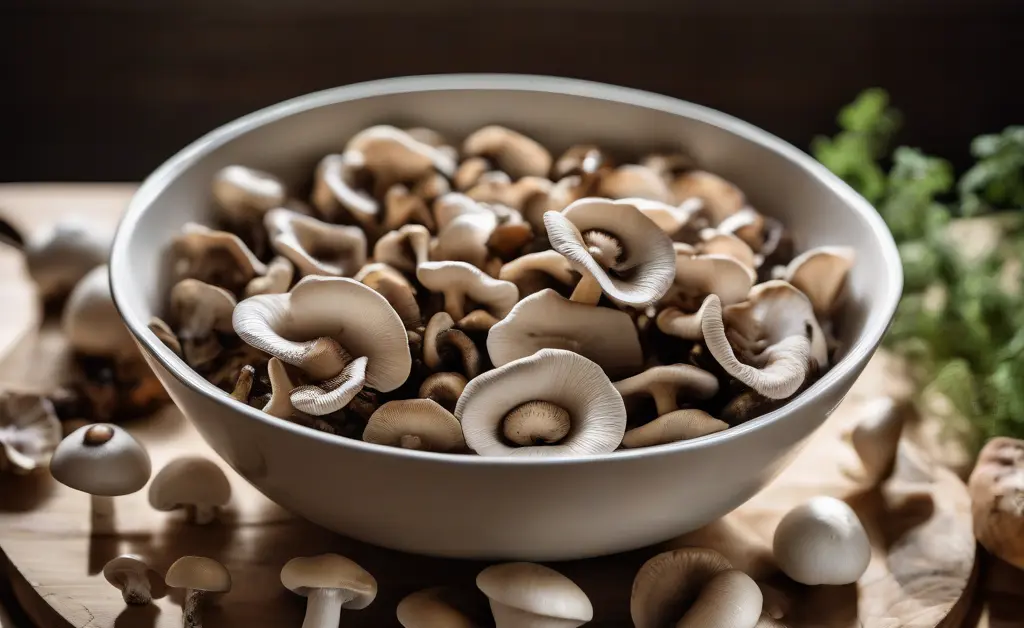
Foraging is not just about finding mushrooms; it’s about interacting with the ecosystem in a responsible and safe manner. Adhering to best practices ensures the long-term health of the fungal population and protects the forager from potential harm.
Sustainable Harvesting Techniques
To ensure chanterelle patches remain productive for years to come, always practice sustainable harvesting. It is recommended to use a small knife to cut the mushroom at the base of the stem rather than pulling it from the ground. This leaves the delicate underground mycelial network undisturbed. Carry your harvest in a mesh bag or a basket with holes, as this allows spores from the mushrooms to disperse throughout the forest as you walk, potentially seeding new patches. Avoid over-harvesting a single area and leave small, immature specimens to grow and release their own spores.
Safety Precautions for Wild Mushroom Foraging
Safety must be the top priority. Never eat any wild mushroom unless you are absolutely certain of its identity. Cross-reference your findings with multiple reliable field guides and, if possible, have your harvest checked by an experienced mycologist or a local foraging expert. “When in doubt, throw it out” is a non-negotiable rule. It is also wise to cook all wild mushrooms thoroughly, as this can break down compounds that may be difficult to digest. When trying a new wild mushroom for the first time, consume only a small amount to see how your body reacts. When learning to forage `chanterelle mushrooms australia`, prioritize caution above all else.
Where to Buy Chanterelle Mushrooms Australia
For those who love the taste of chanterelles but are not inclined to forage, acquiring them can still be a challenge. Due to their mycorrhizal nature, they cannot be commercially cultivated like button or portobello mushrooms. Their short shelf life also makes them difficult to transport and sell in mainstream supermarkets. The best places to look for fresh `chanterelle mushrooms australia` during the season are specialty food stores, high-end grocers, and farmers’ markets in regions where they grow wild. Licensed professional foragers sometimes supply directly to restaurants or select retailers. Many people search for `chanterelle mushrooms costco` to see if they are available there. Dried chanterelles, often imported from Europe or North America, are a more readily available alternative and can be found online or in gourmet food shops year-round. For those specifically looking for the price, you can check the `chanterelle mushroom price`.
Chanterelle Mushroom Recipes Australia
The culinary appeal of chanterelles lies in their delicate flavour and firm, meaty texture that holds up well during cooking. The best recipes are often the simplest, as they allow the mushroom’s unique character to be the star. A classic preparation involves sautéing them in butter with a little garlic, salt, and fresh parsley or thyme. They can then be served on toast, alongside steak, or folded into scrambled eggs or an omelette. Their fruity notes also pair beautifully with cream-based sauces for pasta or chicken dishes. Due to their low water content, they roast well and can be added to tarts, pizzas, and savoury pastries for a gourmet touch. Some foragers find chanterelles in areas such as `chanterelle mushrooms malaysia`, though this is not typically Australia.
The quest for the Australian chanterelle is a rewarding journey that combines nature appreciation, culinary adventure, and scientific curiosity. From understanding the specific habitats of *Cantharellus concinnus* around water gums to mastering the key identification features like false gills, foraging for these golden treasures is a skill built on knowledge and respect for the environment. Whether you choose to hunt for them yourself with extreme caution or source them from a specialty supplier, enjoying the unique apricot-like flavour of a native Australian chanterelle offers a delicious connection to the local landscape.
The information in this article is intended for knowledge purposes only. Identifying wild mushrooms requires expert knowledge, and this guide should not be used as a substitute for in-person identification by a qualified mycologist or experienced forager. Misidentifying wild fungi can lead to serious illness or death. Always exercise extreme caution and never consume a mushroom unless you are 100% certain of its identity and edibility.
FAQ
Do chanterelle mushrooms grow wild in Australia?
Yes, certain species of chanterelle mushrooms are native to Australia and grow wild there. These fungi form symbiotic relationships with the roots of specific trees, contributing to forest ecosystems.
What is the Australian chanterelle called?
The most commonly referred to chanterelle species in Australia is *Cantharellus concinnus*. However, other related species may also be found and are sometimes included in general discussions.
Where can I find chanterelles in Australia?
Chanterelles in Australia are typically found in native forests, particularly those with eucalyptus and pine trees. They often grow on the forest floor, sometimes nestled among leaf litter or moss.
How do you identify a Cantharellus concinnus?
*Cantharellus concinnus* is recognized by its distinctive funnel or trumpet shape and its wavy, irregular cap margin. Instead of true gills, it features blunt, ridge-like folds running down the stem.
Are there any poisonous lookalikes to chanterelles in Australia?
While less common than in some other parts of the world, there are fungi that can superficially resemble chanterelles. It is always crucial to have positive identification from an expert before considering any wild mushroom for consumption.
What time of year do chanterelles grow in Australia?
Chanterelle mushrooms in Australia typically emerge after significant rainfall, most commonly during the warmer months from late spring through summer and into early autumn. Specific timing can vary based on local climate conditions and rainfall patterns.
Can you get chanterelle mushrooms in Australia?
Yes, chanterelle mushrooms are available in Australia, both wild-harvested and sometimes cultivated. Their availability in markets can be seasonal, depending on growing conditions and harvesting success.