
Understanding Pfifferlinge: The German Chanterelle
Many people enjoy foraging for wild mushrooms in the forest. When it comes to one of the most sought-after wild fungi in Germany, the chanterelle mushrooms in german are known as Pfifferlinge. These vibrant, golden mushrooms are not only a culinary delight but also a significant part of German gastronomy, appearing in traditional dishes and local markets. Their distinct aroma and delicate flavor make them a highly prized ingredient, especially during their short growing season. This guide delves into the world of Pfifferlinge, exploring their identification, seasonal availability, culinary uses, and cultural importance within Germany, offering a comprehensive look at this beloved wild mushroom.
Understanding Pfifferlinge: The German Chanterelle
The term Pfifferling is synonymous with a celebrated culinary experience in Germany. These wild mushrooms are revered for their unique flavor and texture, which cannot be replicated by cultivated varieties. Their appearance signals the height of summer and early autumn, bringing a special excitement to kitchens and restaurants across the country.
Characteristics of German Chanterelles
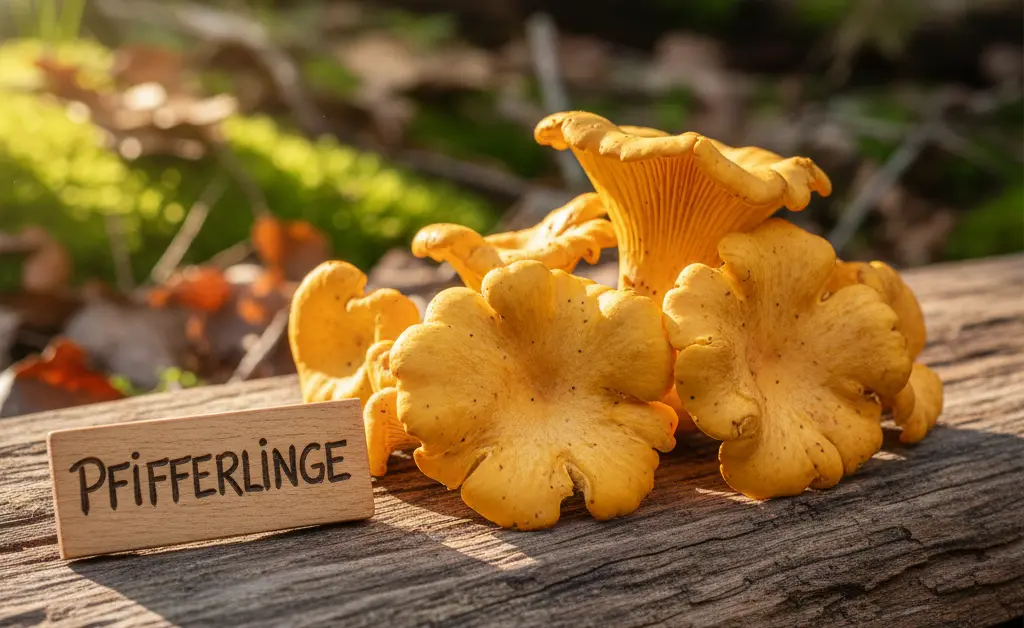
German chanterelles, or Pfifferlinge, are easily recognized by their striking golden-yellow or egg-yolk color. They have a distinct funnel shape with a wavy, irregular cap edge. One of their most important identifying features is their “false gills.” Instead of the sharp, blade-like gills found on many other mushrooms, chanterelles have rounded, vein-like ridges that run down the stem from the underside of the cap. When fresh, they possess a firm texture and a characteristic fruity aroma, often compared to apricots, combined with a mildly peppery flavor.
Why Pfifferlinge are a Seasonal Delicacy
The status of Pfifferlinge as a delicacy is deeply tied to their wild nature. These mushrooms have a symbiotic relationship with the roots of specific trees and, as a result, have resisted all attempts at commercial cultivation. They must be foraged from the forest floor, making their supply entirely dependent on weather conditions and the skill of foragers. This scarcity, combined with their short growing season, elevates their value and makes them a highly anticipated seasonal treat. If you are interested in purchasing these mushrooms, you can buy chanterelle mushrooms.
When to Find Fresh Chanterelles (Early Summer)
The Pfifferling season in Germany typically begins in early summer and can extend into the autumn months. The first sightings often occur in June, following periods of sufficient rainfall and warm temperatures. The season’s peak usually falls between July and September, when the mushrooms are most abundant. However, the exact timing and duration of the season can vary significantly each year based on regional climate patterns, making each harvest a unique event.
Identifying Peak Season at Local Markets
Local farmers’ markets are the best indicators of the peak chanterelle season. When Pfifferlinge are at their prime, they will be prominently displayed at nearly every produce stall, often piled high in wooden crates. During this time, the mushrooms will look exceptionally fresh—vibrant in color, firm to the touch, and free from dark spots or sliminess. While the chanterelle mushroom price remains at a premium level due to their foraged nature, the abundance during peak season ensures the highest quality is available. The enthusiasm of vendors and the sheer volume on display are unmistakable signs that the season has truly arrived.
Chanterelle Mushrooms in German Pronunciation
Understanding the local terminology is key to appreciating the cultural context of this mushroom. While “chanterelle” is known internationally, the German name is what you will encounter in daily life throughout Germany.
Chanterelle in English
In English-speaking countries, the mushroom is universally known as the chanterelle. This name is French in origin and is used in culinary and mycological contexts around the world.
German Translation of “CHANTERELLE”
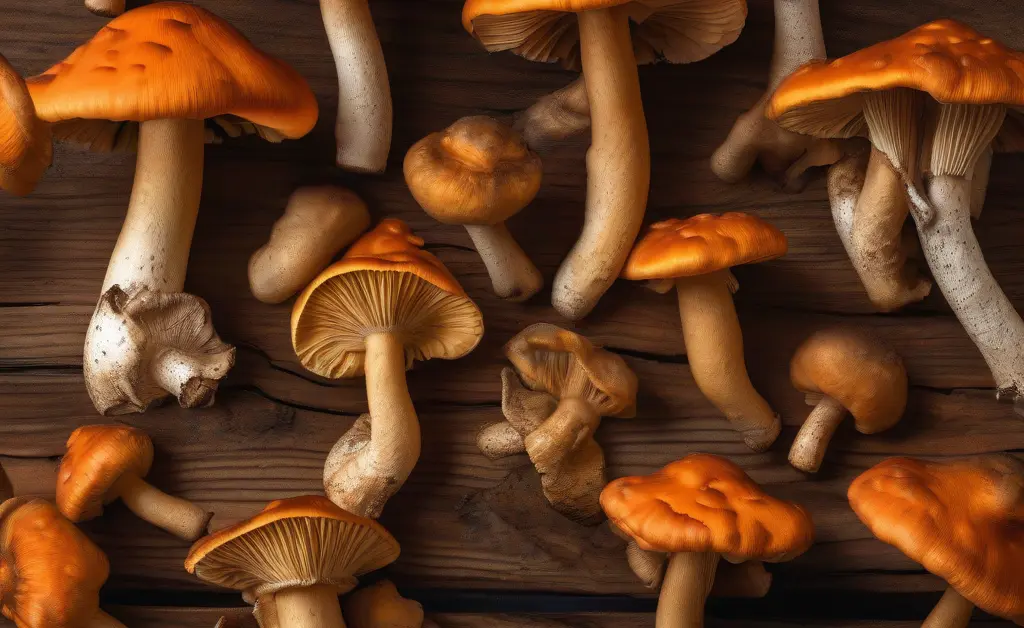
The most common and direct German translation for “chanterelle” is Pfifferling. This term is used exclusively when referring to this specific type of mushroom. While other regional names exist, Pfifferling is understood and used nationwide.
Direct Translation: Pfifferlinge
The singular form is “der Pfifferling,” and the plural form is “die Pfifferlinge.” The name itself is thought to derive from its peppery taste, as the German word for pepper is “Pfeffer.” This connection highlights the mushroom’s distinct flavor profile, which has been part of its identity for centuries.
Pronunciation and Common Usage
For an English speaker, the pronunciation of Pfifferlinge can be approximated as “FIFF-er-ling-eh.” The singular, Pfifferling, is pronounced “FIFF-er-ling.” This word is a staple of German culinary language during the summer and autumn. You will see it written on chalkboards outside restaurants advertising the “Pfifferlingkarte” (chanterelle menu) and hear it frequently at markets. Knowing how to pronounce the name for chanterelle mushrooms in german helps bridge a connection with local vendors and chefs.
Chanterelle Mushrooms in German Recipes
In German cuisine, simplicity is often the best approach to highlight the delicate flavor of Pfifferlinge. Cooking methods are designed to complement the mushroom’s natural taste rather than overpower it. Classic preparations of chanterelle mushrooms in german cuisine are a testament to this philosophy, turning a simple ingredient into a gourmet experience.
Common Culinary Preparations
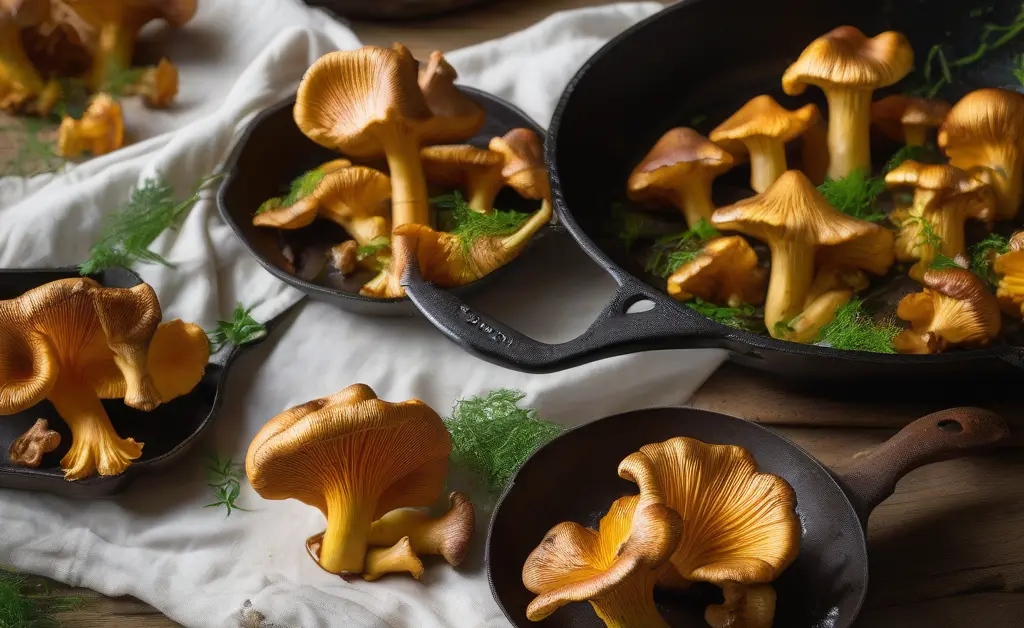
The most traditional way to prepare Pfifferlinge is to clean them gently and sauté them in butter with finely chopped onions or shallots and a bit of fresh parsley. This simple dish can be served as a side or as a main course over a slice of rustic bread. Other popular preparations include:
- Cream Sauce: A rich cream sauce with chanterelles is a classic pairing for Semmelknödel (bread dumplings), Spätzle (egg noodles), or pasta. It is also commonly served with pan-fried meat such as pork medallions or schnitzel.
- Soups and Stews: A creamy chanterelle soup (Pfifferlingscremesuppe) is a popular starter when the mushrooms are in season. They also add a wonderful depth of flavor to hearty game stews.
- Omelets and Scrambled Eggs: For a simple yet elegant meal, fresh Pfifferlinge are often folded into fluffy omelets or mixed with scrambled eggs, allowing their unique flavor to shine through.
Pfifferlinge in German Food and Culture
Pfifferlinge hold a special place in German culture that goes beyond their role as a food item. Their annual appearance is a celebrated event that connects people to nature, seasonal cycles, and long-standing culinary traditions. The cultural impact of these golden fungi is felt by Germans and appreciated by visitors who get to experience the seasonal excitement.
The Cultural Significance for Expats and Locals
For locals, the Pfifferling season evokes a sense of tradition and nostalgia. Many have fond memories of foraging for mushrooms with their families or enjoying the first chanterelle dish of the year at a favorite restaurant. Restaurants across the country embrace the season by creating special menus dedicated entirely to dishes featuring the prized fungus. This seasonal focus is a hallmark of German gastronomy. For expats and tourists, experiencing the craze around the most popular chanterelle mushrooms in german offers a delightful insight into the country’s deep appreciation for seasonal, locally sourced ingredients. It is an opportunity to participate in a shared culinary ritual that defines the German summer and early autumn.
In conclusion, Pfifferlinge are far more than just a type of wild mushroom in Germany. They represent a cherished culinary tradition rooted in seasonality and a connection to the natural world. From their distinctive golden appearance and peppery, apricot-like aroma to their resistance to cultivation, every aspect adds to their allure. The annual hunt for them in forests and markets, followed by their appearance in classic dishes like creamy sauces over Spätzle or simply sautéed in butter, marks a special time of year. Understanding the role of chanterelle mushrooms in german food culture provides a deeper appreciation for this seasonal delicacy that captivates chefs and food lovers alike.
The information in this article is intended for knowledge purposes only. It is not a substitute for professional guidance or expertise. When considering foraging for wild mushrooms, correct identification by a qualified expert is essential to prevent the consumption of poisonous look-alike species. This content should not be interpreted as safety or medical advice.
FAQ
What are chanterelle mushrooms called in German?
Chanterelle mushrooms are commonly known as Pfifferlinge in German. This name is widely used throughout German-speaking regions.
When is chanterelle mushroom season in Germany?
The chanterelle mushroom season in Germany typically runs from late spring through early autumn. Peak harvest times often occur during the warmer, wetter months of summer.
How do Germans cook Pfifferlinge?
Germans often prepare Pfifferlinge simply, sautéing them in butter with onions and herbs like parsley. They are frequently served as a side dish or incorporated into cream sauces for dishes like schnitzel or pasta.
Where can you find Pfifferlinge in Germany?
Pfifferlinge are found in deciduous and mixed forests across Germany. They often grow in mossy areas or among leaf litter on the forest floor.
What is another name for chanterelle mushrooms?
Another common name for chanterelle mushrooms is the golden chanterelle. This name reflects their distinctive bright yellow to orange color.