
The Italian Art of Chanterelle Mushrooms
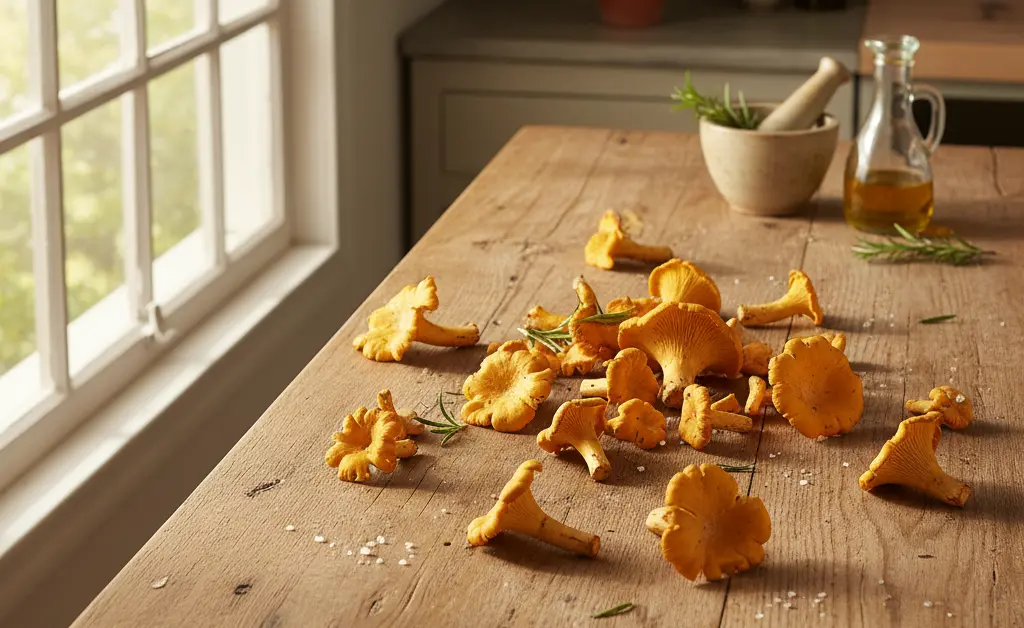
Chanterelle mushrooms are prized for their delicate, slightly peppery flavor and beautiful golden hue, making them a sought-after ingredient in kitchens worldwide. In Italy, these fungi hold a special place in the culinary landscape, often referred to by specific regional names that hint at their unique characteristics and the traditions surrounding their harvest. Understanding their Italian appellation and characteristics is the first step to appreciating their role in the country’s rich gastronomic heritage. This guide explores the journey of chanterelles from Italian forests to the dinner table, covering their translation, identification, seasonality, and their starring role in classic Italian dishes.
Translation of “Chanterelle Mushrooms” in Italian
Understanding the local terminology is key to exploring the world of culinary fungi in Italy. The names used for these golden mushrooms can vary significantly from one region to another, reflecting the country’s deep-rooted linguistic and cultural diversity. Exploring the language around chanterelle mushrooms in italian culture reveals a rich tapestry of local traditions.
What is the translation of “chanterelle” in Italian?
The most common and widely recognized translation for “chanterelle” in Italian is finferlo (plural: finferli). This term is understood in most parts of the country and is frequently used in restaurants, markets, and cookbooks. It is the standard name you will likely encounter when searching for recipes or discussing these mushrooms in a general Italian context. You can buy chanterelle mushrooms from various sources.
What do you call chanterelles in Italian?
Beyond finferli, Italians use several other regional names for chanterelles. In parts of Tuscany and central Italy, they are often called gallinacci, which translates to “little chickens,” likely a reference to their golden-yellow color. Other local appellations include gialletti (“little yellow ones”) and garitule. These names are a testament to the mushroom’s importance in local folklore and cuisine, with each term carrying a sense of place and tradition. The chanterelle mushroom price can vary depending on availability and region.
Identifying Chanterelles (Finferli)
Properly identifying chanterelles, or finferli, is crucial. They are known for their distinctive appearance. True chanterelles have a vibrant golden or egg-yolk yellow color and a funnel or trumpet shape. A key feature is the underside of the cap; instead of true, blade-like gills, they have false gills that appear as forked, blunt ridges running down the stem. They also emit a characteristic faint, fruity aroma often compared to apricots. When torn, the flesh is solid and white. It’s essential to distinguish them from potential look-alikes, such as the jack-o’-lantern mushroom, which has true, sharp gills and grows in tight clusters on wood. Ensure you know the differences before foraging; some information on chanterelle mushrooms in Russian might have different identification tips.
Chanterelle Mushrooms in Italian Cuisine
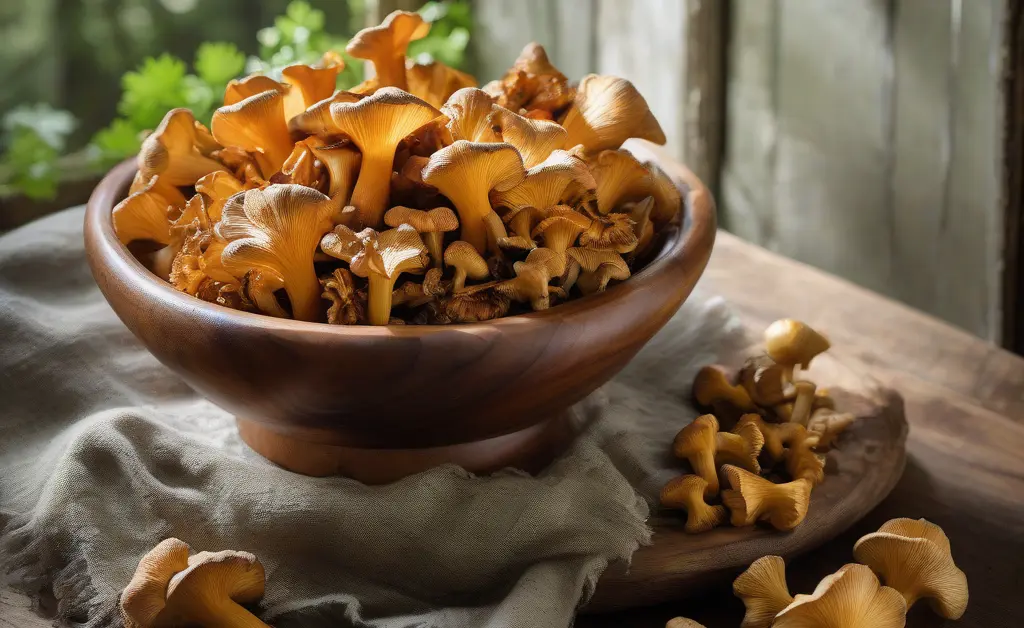
In the realm of Italian cooking, few wild ingredients are as celebrated as the chanterelle. Their arrival is an anticipated event that marks a shift in the culinary seasons. These mushrooms are not just an ingredient but a representation of the forest’s bounty, bringing earthy, elegant notes to a wide array of dishes. The culinary use of chanterelle mushrooms in italian cooking is a tradition that elevates simple ingredients into memorable meals.
Flavor Profile of Italian Chanterelles
Italian chanterelles possess a unique and sophisticated flavor profile that sets them apart. They are prized for their subtle, fruity aroma, often likened to apricots or peaches, which becomes more pronounced upon cooking. Their taste is delicate and nutty, with a slightly peppery finish that adds a pleasant warmth without being overpowering. Unlike more robust fungi, their texture is wonderfully firm and slightly chewy, allowing them to hold their shape well in sauces, sautés, and slow-cooked dishes.
When are Chanterelles in season in Italy?
The seasonality of chanterelles in Italy is largely dependent on weather and altitude. Typically, the main season runs from late summer through autumn, beginning as early as July in the cooler Alpine regions and extending into October or even November in the central and southern Apennines. The ideal conditions for their growth are damp, but not waterlogged, soil following periods of rain, combined with warm temperatures. This makes the forest floor in late August and September a prime environment for them to flourish.
Where to find fresh Chanterelles in Italy
Fresh chanterelles can be found in several places throughout Italy during their peak season. Foragers and mushroom enthusiasts often gather them from mixed woodlands, particularly near oak, chestnut, and beech trees, with which they form a symbiotic relationship. For those not venturing into the woods, fresh finferli are a common sight at local farmers’ markets (mercati contadini) and specialty food shops (gastronomie). High-end restaurants often source them directly from trusted local pickers to ensure maximum freshness and quality. It’s interesting to note that these mushrooms are also found in other parts of the world, such as in chanterelle mushrooms New Zealand.
How to store fresh Chanterelles
Proper storage is essential to preserve the delicate flavor and texture of fresh chanterelles. They should never be stored in a sealed plastic bag, as this traps moisture and accelerates spoilage. The best method is to place them in a paper bag or a loosely covered bowl in the refrigerator. This allows them to breathe and prevents them from becoming slimy. Before storing, gently brush off any visible dirt with a soft brush or a damp paper towel. It’s best to avoid washing them until just before cooking, as they are porous and can absorb water, which dilutes their flavor.
Chanterelle mushrooms in Italian recipe
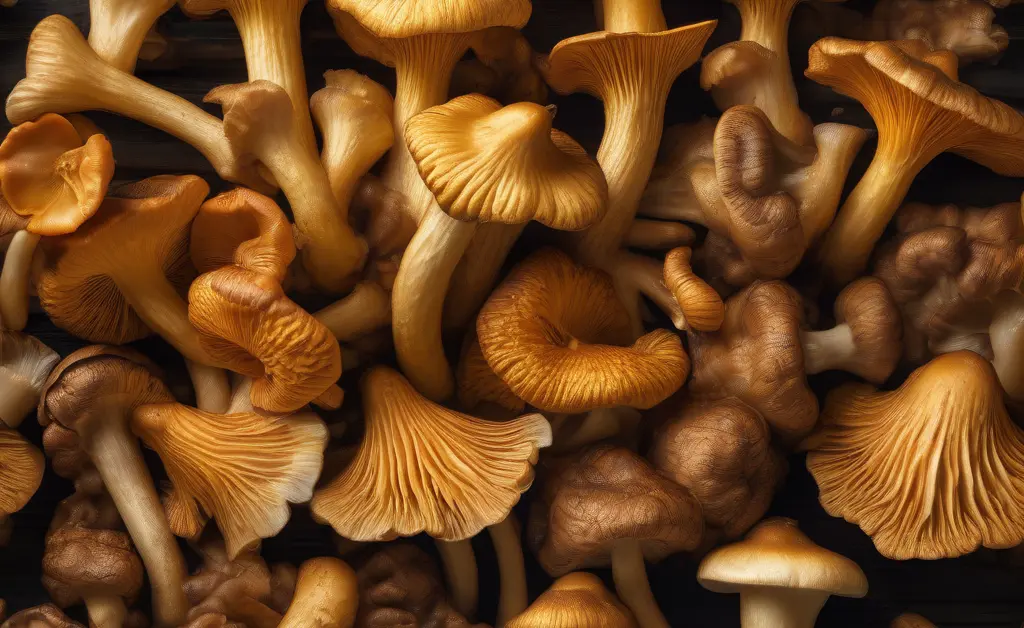
The versatility of the chanterelle mushroom makes it a beloved component in countless Italian recipes, from rustic mountain fare to elegant urban dishes. Its ability to pair with a variety of ingredients while maintaining its distinct character is what makes it so special. When featured in a classic chanterelle mushrooms in italian recipe, the fungus is always the star of the show.
Piedmont’s Risotto ai Finferli
In the northern region of Piedmont, Risotto ai Finferli is a quintessential autumn dish. This creamy risotto showcases the mushrooms’ flavor in its purest form. The process begins by gently sautéing the cleaned chanterelles with garlic and a touch of parsley. Arborio or Carnaroli rice is then toasted in the same pan before being slowly cooked with ladles of hot broth. The mushrooms are often added back in towards the end of cooking to preserve their texture. The dish is finished with a generous amount of Parmigiano Reggiano and a knob of butter, creating a rich, earthy, and deeply comforting meal.
Tuscany’s Pasta with Chanterelles
In Tuscany, pasta dishes featuring local gallinacci are a common sight on seasonal menus. A classic preparation involves creating a simple yet flavorful sauce to toss with fresh pasta, such as tagliatelle or pappardelle. The chanterelles are typically sautéed in olive oil with garlic, perhaps a hint of chili flake for warmth, and finished with fresh parsley. Sometimes, a splash of white wine is added to deglaze the pan and build a more complex sauce. The goal is to let the mushrooms’ delicate, peppery flavor shine, complemented by the simple, high-quality ingredients typical of Tuscan cooking.
Other regional specialties
Beyond risotto and pasta, chanterelles appear in various other regional specialties across Italy. In the Veneto region, they might be served as a contorno (side dish), simply sautéed and served alongside grilled polenta. In Umbria, they are sometimes used as a topping for crostini or bruschetta, often combined with other wild mushrooms. In some mountain communities, they are preserved in oil or vinegar to be enjoyed throughout the winter months. For information on food safety regulations regarding wild mushrooms, you can refer to the European Food Safety Authority.
Common Italian cooking methods
The most common Italian cooking method for chanterelles is sautéing. This technique, known as cooking trifolati style, involves gently cooking the mushrooms in olive oil or butter with garlic and fresh parsley. This simple preparation highlights their natural flavor and is the foundation for many other dishes. They are also excellent when braised, added to frittatas, or incorporated into savory tarts (torte salate). Roasting is less common, as it can dry them out, but a quick turn in a very hot oven can concentrate their flavor.
Pairing Chanterelles with other ingredients (e.g., prosciutto, garlic, herbs)
Chanterelles pair beautifully with a range of classic Italian ingredients. Garlic is a natural companion, bringing out the mushroom’s savory notes. Fresh herbs like parsley, thyme, and marjoram complement their earthy profile without overwhelming it. For added richness, cured meats like prosciutto or pancetta can be rendered and cooked with the mushrooms. Cream, butter, and high-quality cheeses like Parmigiano Reggiano or Pecorino enhance their texture and create luxurious sauces.
The golden chanterelle, or finferlo, is more than just a mushroom in Italy; it is a seasonal treasure that captures the essence of the forest. From the misty woodlands of Piedmont to the sun-dappled hills of Tuscany, its arrival signals a shift towards the comforting, earthy flavors of autumn. Whether stirred into a creamy risotto, tossed with fresh pasta, or simply sautéed with garlic and herbs, the chanterelle offers a taste of Italian culinary tradition at its finest. Its delicate, peppery flavor and firm texture make it a versatile and elegant ingredient, rightfully celebrated by chefs and home cooks across the country.
While this article discusses health-related topics, it does not provide medical guidance. The information provided is for educational and culinary purposes only and should not be considered a substitute for professional advice. Always consult with a qualified expert for mushroom identification before consumption, as misidentification can lead to serious health risks. The content herein is not intended to diagnose, treat, or prevent any condition.
FAQ
What is the Italian name for chanterelle mushrooms?
The Italian name for chanterelle mushrooms is finferli. This term is widely used throughout Italy to refer to these prized fungi.
When is chanterelle season in Italy?
Chanterelle mushrooms typically appear in Italy during the late spring and summer months. Their fruiting is influenced by rainfall and temperature, often making them a delightful seasonal find.
Are chanterelles common in Italian cooking?
While not as ubiquitous as some other wild mushrooms, chanterelles are a treasured ingredient in regional Italian cuisine. They are particularly sought after in the mountainous areas where they grow.
How do you cook chanterelles like an Italian chef?
Italian chefs often prepare chanterelles with simple methods to highlight their delicate, peppery flavor. They are frequently sautéed with garlic, parsley, and a touch of butter or olive oil, then served with pasta, polenta, or as a side dish.