
The Essential Guide to Cooking Enoki Mushrooms
In today’s health-conscious culinary landscape, home cooks are increasingly seeking versatile and nutritious ingredients to elevate their meals. Among these, the delicate yet distinct enoki mushroom has emerged as a popular choice, known for its mild flavor and satisfying, slightly crunchy texture. These slender fungi not only add an elegant touch to various dishes but also boast a wealth of nutritional benefits, making them a fantastic addition to a balanced diet. Mastering the art of cooking enoki mushrooms opens up a world of culinary possibilities, from quick weeknight meals to sophisticated appetizers. This guide provides comprehensive insights and techniques to help you confidently prepare these unique mushrooms, ensuring delicious results every time.
Tips for Cooking Enoki Mushrooms
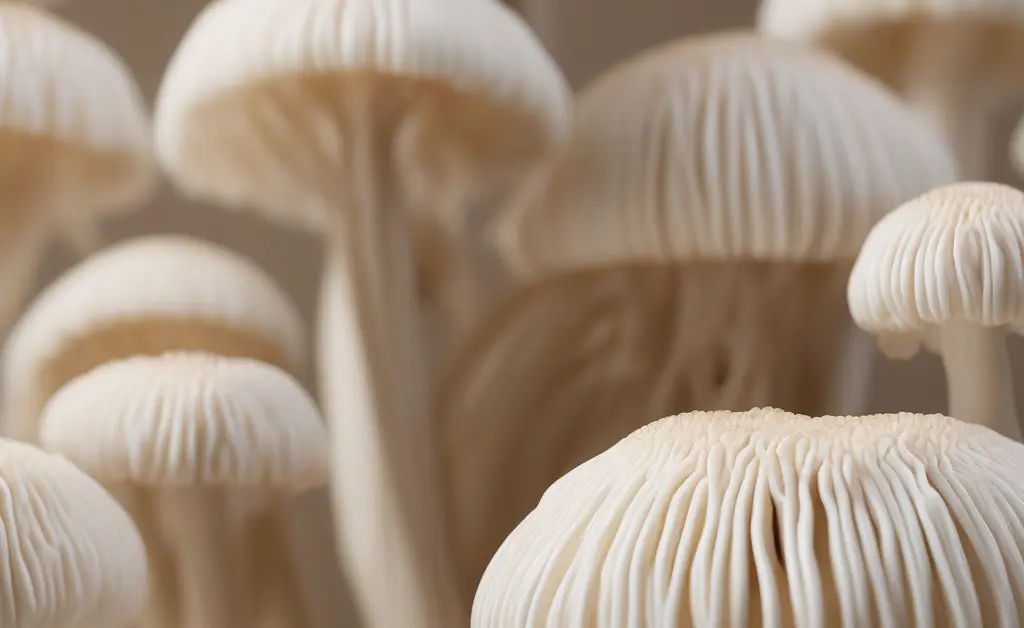
When approaching enoki mushrooms, careful preparation is key to preserving their delicate structure and maximizing flavor. Begin by gently trimming the very bottom of the cluster, where the mushrooms are typically bound together and may contain some substrate. While generally clean, a quick, gentle rinse under cool water is acceptable, followed by careful patting dry to prevent sogginess. Enoki mushrooms have a mild, slightly sweet, and earthy taste with a pleasant, firm-chewy texture, especially when cooked briefly. They readily absorb flavors from surrounding ingredients, making them highly versatile in various cuisines. Understanding these characteristics will greatly enhance your approach to cooking them. For different mushroom types, methods like cooking mushrooms from frozen may also be explored.
Cooking Methods
Enoki mushrooms are remarkably adaptable to numerous cooking methods, each bringing out different aspects of their unique texture and flavor. Their slender form and quick cooking time make them suitable for everything from quick stir-fries to more intricate preparations. The key is often a light hand and short cooking durations to retain their desirable bite, preventing them from becoming overly soft or watery. Whether you prefer a subtle addition to a vibrant salad or a prominent feature in a warming soup, enoki can be incorporated with ease.
Similar techniques can be applied when considering how to cook turkey tail mushroom, adapting for their unique characteristics.
Enoki Mushroom Stir-Fry
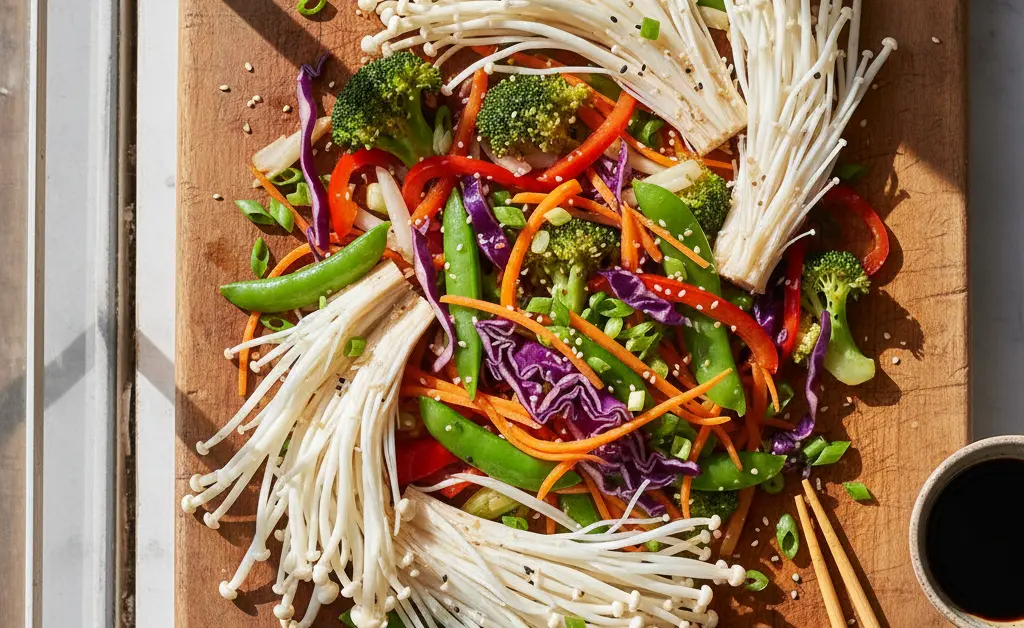
Stir-frying is an excellent method for cooking enoki mushrooms, as their quick cooking time integrates well with other ingredients. After separating the strands, add enoki towards the end of the stir-frying process to maintain their distinct texture. They can be combined with an array of meats like thinly sliced chicken or beef, or a variety of vegetables such as bell peppers, snow peas, and carrots. The mild flavor of enoki allows them to absorb the savory sauces, spices, and aromatics of the stir-fry, making them a delicious and textural component. They pair wonderfully with a base of noodles or rice.
Enoki Mushroom Soup
The delicate nature of enoki mushrooms makes them a superb addition to soups. They contribute a subtle earthy note and a delightful, slightly firm texture that contrasts beautifully with softer ingredients. For best results, add enoki mushrooms to soups during the final stages of cooking, allowing them to simmer for just a few minutes until tender-crisp. They are frequently found in Asian-inspired broths, miso soups, or clear vegetable consommés, where their elegant appearance also adds visual appeal.
Enoki Mushroom Salad
Enoki mushrooms can be enjoyed in salads, either lightly blanched or served raw, though some prefer a quick cook. If serving raw, ensure they are thoroughly cleaned. For a blanched preparation, immerse them in boiling water for merely a minute, then immediately transfer to an ice bath to stop the cooking and preserve their crispness. This brief preparation allows them to retain their natural crunch and mild flavor, adding an interesting textural element to mixed green salads or Asian-style noodle salads. They pair well with light vinaigrettes or sesame dressings.
Enoki Mushroom Skewers
For a visually appealing and flavorful appetizer or side dish, enoki mushroom skewers are an excellent choice. The mushrooms can be bundled and threaded onto skewers, often wrapped with thin slices of bacon, prosciutto, or even seaweed for an umami boost. These skewers can then be grilled, pan-fried, or roasted until the enoki are tender and the accompanying wrapper is crisp. A light marinade or glaze, applied during or after cooking, can further enhance their flavor profile, making them a popular choice for gatherings.
Cooking enoki mushrooms on stove
The stovetop offers several versatile ways for cooking enoki mushrooms, from quick sautes to pan-frying. Before placing them on the stove, ensure the mushrooms are clean and dry, as excess moisture can lead to steaming rather than browning. A hot pan with a small amount of oil or butter is ideal to achieve a pleasant texture and bring out their natural flavors. Whether you’re aiming for a quick addition to a meal or a foundational ingredient, stovetop methods are efficient for preparing these delicate fungi. Proper heat management is crucial to avoid overcooking and preserve their delicate bite. Further detailed guidance is available on how to prepare mushrooms for cooking effectively.
How to cook enoki mushrooms with egg
Enoki mushrooms pair exceptionally well with eggs, creating delicious and nutritious dishes. You can chop and fold them into scrambled eggs or omelets for added texture and earthiness. For a more traditional approach, they are often featured in Japanese or Korean egg drop soups, where their delicate strands intertwine with the cooked egg threads. Another popular method involves wrapping small bundles of enoki in a thin omelet or adding them to a frittata. The mild flavor of enoki complements the richness of eggs without overpowering them, making for a harmonious combination. Information on dietary guidelines and safe food practices can be referenced from organizations like EFSA.
Pan-Frying Enoki Mushrooms
Pan-frying is a popular method for achieving a slightly crisp exterior and tender interior when cooking enoki mushrooms. Heat a frying pan over medium-high heat with a small amount of oil or butter. Add the enoki mushrooms in a single layer, avoiding overcrowding the pan, which can lead to steaming. Cook for a few minutes, turning occasionally, until they turn golden brown and slightly softened. Season with salt, pepper, or a dash of soy sauce. This method works well for serving them as a side dish, topping for steaks, or mixed into pasta.
Roasting Enoki Mushrooms
Roasting brings out a deeper, more concentrated flavor in enoki mushrooms and can achieve a wonderfully tender yet slightly crisp texture. Toss clean enoki with a small amount of olive oil, salt, pepper, and perhaps some herbs like thyme or rosemary. Spread them in a single layer on a baking sheet. Roast in a preheated oven at a moderate temperature for a relatively short period, usually around 10-15 minutes, depending on the oven and desired doneness. Keep a close eye on them to prevent them from drying out. Roasted enoki can be a fantastic addition to grain bowls, roasted vegetable medleys, or as a flavorful garnish.
Steaming Enoki Mushrooms
Steaming is an excellent method for cooking enoki mushrooms if you want to preserve their natural moisture, subtle flavor, and delicate texture without added fats. Arrange the cleaned enoki mushrooms in a single layer in a steamer basket. Steam over simmering water for a very short duration, typically just 2-3 minutes, until they are tender but still retain a slight bite. Once steamed, they can be dressed with a light sauce, such as soy sauce, sesame oil, and a sprinkle of green onions, making them a healthy and elegant side dish or a component in other preparations.
Sautéing Enoki Mushrooms
Sautéing is one of the quickest and most common methods for cooking enoki mushrooms, perfect for incorporating them into almost any savory dish. Heat a pan with a little oil or butter over medium-high heat. Add minced garlic or shallots if desired, then toss in the enoki mushrooms. Sauté for a few minutes, stirring frequently, until they soften and release some of their moisture. Season lightly with salt and pepper, or add a splash of soy sauce or mirin for Asian-inspired dishes. This method quickly prepares them for use in stir-fries, omelets, or as a topping for grilled meats or fish.
Enoki mushrooms are a versatile and nutritious ingredient that can elevate a wide range of dishes with their unique texture and mild flavor. From quick stir-fries to elegant soups and salads, mastering their preparation opens up many culinary possibilities. By understanding their delicate nature and employing appropriate cooking techniques, you can confidently integrate these slender fungi into your everyday meals and special occasions, adding both visual appeal and a delightful eating experience.
This content is for informational use and should not be considered medical instruction. It is not intended to provide specific dietary advice, diagnosis, or treatment. Always consult with a qualified healthcare professional or registered dietitian for any health concerns or before making any changes to your diet or health regimen. Individual results may vary.
FAQ
How long do you cook enoki mushrooms?
Enoki mushrooms are delicate and cook very quickly, often requiring just a few minutes. They can be stir-fried, added to soups, or briefly sautéed until they are tender. Overcooking can make them mushy, so a short cooking time is generally preferred.
What is the best way to cook enoki mushrooms?
The best way to cook enoki mushrooms often involves methods that preserve their unique texture and subtle flavor. They are frequently incorporated into hot pots, stir-fries, or baked dishes where their distinct appearance can be showcased. Many find that gently sautéing or adding them near the end of cooking soups allows them to absorb flavors beautifully without becoming overcooked.
Are enoki mushrooms supposed to be cooked?
Yes, enoki mushrooms are typically cooked before consumption to improve their texture and digestibility. While some mushrooms can be eaten raw, enoki mushrooms benefit significantly from heat, which softens their firm structure and enhances their mild, umami taste. Cooking also helps to ensure any potential surface contaminants are rendered inactive.