
A Culinary Guide to Cooking Japanese Mushrooms
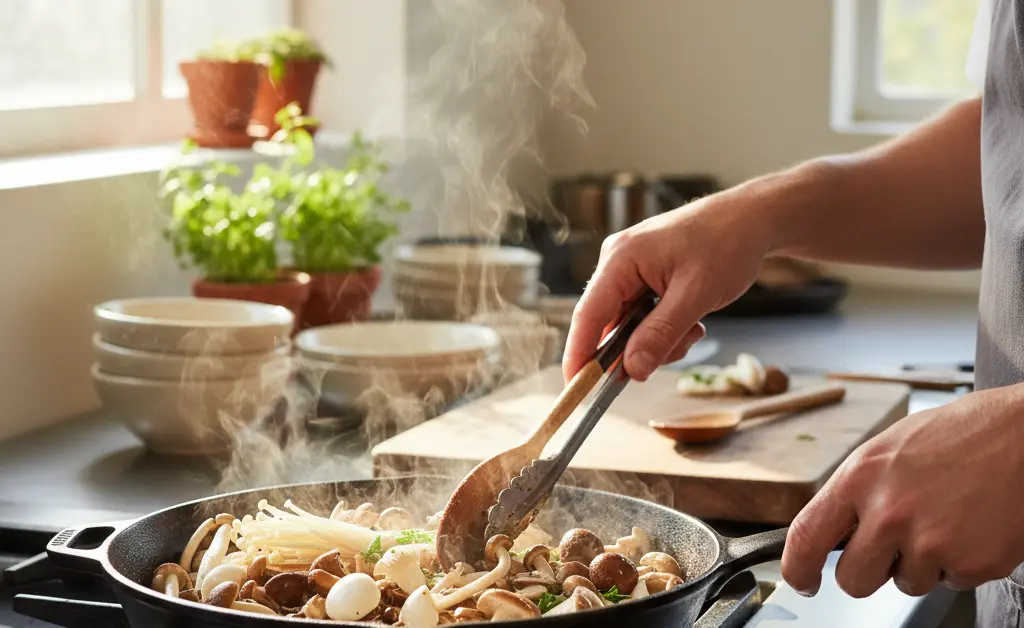
There’s a unique satisfaction that comes from exploring new ingredients, especially those rooted in rich culinary traditions. I recall a quiet evening, experimenting in my kitchen, when I first truly appreciated the distinct textures and umami depths of Japanese mushrooms. The delicate aroma as they hit the pan, the subtle transformation of flavors – it was a moment of simple culinary discovery. This experience solidified my appreciation for their versatility and health benefits. Beyond their delicious taste, these fungi are celebrated for their nutritional value and ability to elevate a wide range of dishes. This comprehensive guide aims to demystify the art of cooking Japanese mushrooms, offering insights into their diverse varieties, preparation techniques, and inspiring recipes. Prepare to embark on a flavorful journey, transforming these earthy treasures into culinary masterpieces in your own home.
Types of Japanese Mushrooms
The world of Japanese mushroom types is incredibly diverse, offering a wide array of textures and flavors that can enhance any dish. Among the most popular are shiitake mushrooms, known for their rich, earthy, and smoky umami flavor. They are versatile, working well in stir-fries, soups, and even grilled dishes. Enoki mushrooms are another favorite, recognized by their long, slender stems and small caps. Often described as delicate and slightly fruity, they are excellent in hot pots, salads, and as a garnish. When considering what are long, skinny Japanese mushrooms called, Enoki is the answer. Shimeji mushrooms, including both white and brown varieties, boast a firm, slightly crunchy texture and a mild, nutty flavor that intensifies when cooked. Maitake mushrooms, also known as ‘hen of the woods’, have a feathery appearance and a robust, earthy taste, making them superb for sautéing or frying. King oyster mushrooms, with their thick stems and meaty texture, can be sliced and prepared much like scallops or used in hearty stews.
How to Prepare Japanese Mushrooms
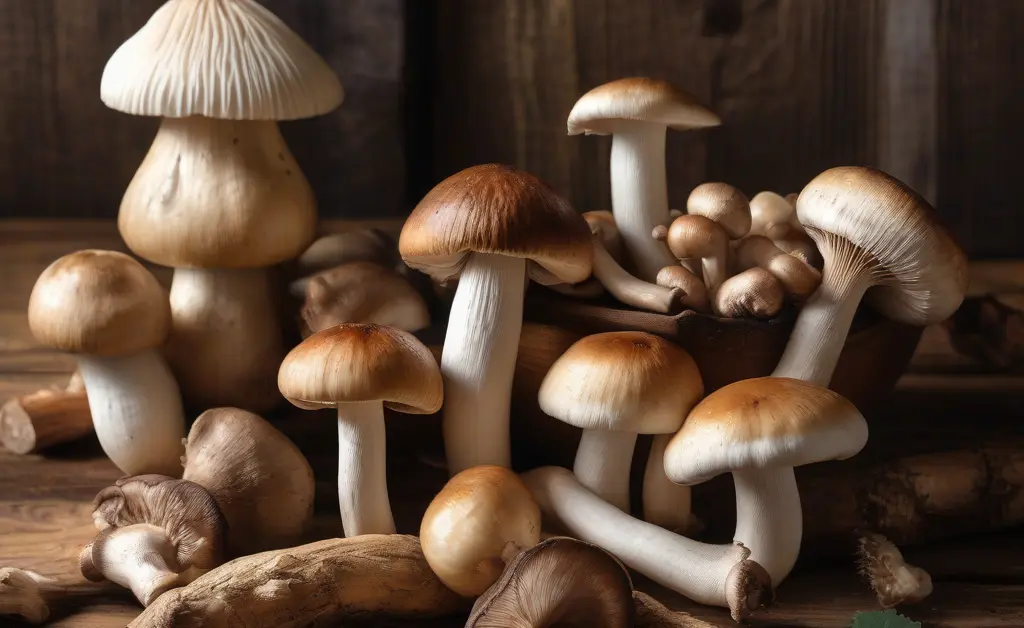
Proper preparation is key to unlocking the full potential when cooking Japanese mushrooms. Most varieties require minimal cleaning. Typically, a soft brush or a damp cloth is sufficient to remove any dirt; avoid soaking them in water, as this can diminish their flavor and make them soggy. For most mushrooms, such as shiitake, remove the tough stems, which can be fibrous, though they can be saved for making broths. Enoki mushrooms usually come in a cluster; trim off the very bottom of the root portion where the stems connect. Shimeji mushrooms also need their firm root base removed before separating the individual stems. While some mushrooms are enjoyed raw in certain contexts, it’s generally advisable to cook Japanese mushrooms thoroughly. For instance, while some raw enoki is sometimes seen in salads, for optimal flavor and digestibility, it is recommended to cook them. The high temperatures bring out their deep umami and break down components that can be harder to digest when raw, making them more enjoyable and safer to consume.
Enoki Mushroom Recipe
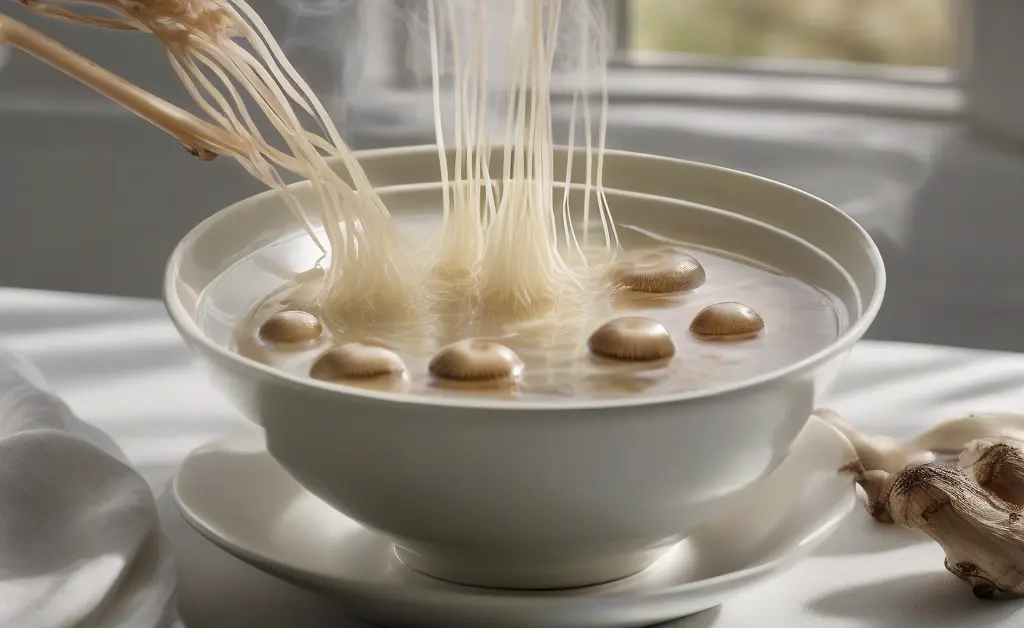
Enoki mushrooms are celebrated for their delicate texture and mild flavor, making them a fantastic addition to various dishes. Their ability to quickly absorb flavors makes them ideal for quick preparations. They are particularly popular in stir-fries, hot pots, and soups, where their long, thin strands add visual appeal and a unique mouthfeel. Enoki mushrooms are also excellent when incorporated into egg-based dishes, creating a satisfying and flavorful combination.
How to cook enoki mushrooms with egg
One delightful way to enjoy these slender fungi is by cooking enoki mushrooms with egg. Start by trimming the root end of a bundle of enoki mushrooms and separating the strands. Whisk a few eggs with a dash of soy sauce and a pinch of salt. In a lightly oiled pan, sauté the enoki mushrooms for a few minutes until they begin to soften. Pour the whisked eggs over the mushrooms, spreading them evenly. Allow the eggs to set partially before gently folding or scrambling them with the enoki. This creates a quick and satisfying meal, perfect for a light breakfast, lunch, or a savory side dish.
Sautéed Japanese Mushroom Recipes
Sautéing is one of the most popular and straightforward methods for cooking Japanese mushrooms, allowing their natural flavors and textures to shine. This technique quickly cooks the mushrooms over medium-high heat, often with a small amount of fat, resulting in tender yet slightly browned and flavorful pieces. Sautéed mushrooms can serve as a versatile side dish or be incorporated into larger meals, making them an essential skill for anyone looking to master cooking Japanese mushrooms. Discover different ways of cooking mushrooms without oil for a lighter option.
Basic Sautéed Japanese Mushrooms
To prepare basic sautéed Japanese mushrooms, begin by cleaning and slicing your chosen varieties, such as shiitake or shimeji. Heat a pan over medium-high heat with a small amount of oil, such as neutral vegetable oil or olive oil. Add the mushrooms in a single layer, avoiding overcrowding the pan, which can lead to steaming instead of sautéing. Cook for several minutes without stirring until they release their moisture and begin to brown. Stir occasionally until they are tender and golden. Season simply with salt and freshly ground black pepper to taste, allowing the inherent umami of the mushrooms to take center stage.
Garlic Butter Sautéed Japanese Mushrooms
For an elevated flavor profile, garlic butter sautéed Japanese mushrooms are an excellent choice. Follow the steps for basic sautéing. Once the mushrooms are nearly tender and have released most of their moisture, add a knob of butter and minced garlic to the pan. Sauté for another 1-2 minutes, stirring frequently, until the garlic is fragrant and the butter is melted and coating the mushrooms beautifully. Be careful not to burn the garlic. A sprinkle of fresh parsley or chives at the end can add a fresh, herbaceous note, complementing the rich garlic and butter flavors.
Japanese Mushroom Side Dish

Japanese mushrooms make excellent side dishes due to their versatile textures and flavors, which can complement a wide range of main courses. Whether you’re preparing a traditional Japanese meal or something more contemporary, a thoughtfully prepared mushroom side dish can add depth, umami, and a touch of elegance. The key to successful cooking Japanese mushrooms as a side is often in enhancing their natural qualities with simple yet effective seasonings.
Japanese Miso Mushrooms
Japanese miso mushrooms offer a savory and deeply flavorful side dish. This preparation highlights the umami of the mushrooms with the fermented richness of miso. To make this, select a mix of your favorite Japanese mushrooms, such as shiitake, shimeji, and enoki, and clean them thoroughly. In a bowl, whisk together a small amount of miso paste (white or red, depending on desired intensity), a splash of mirin, and a touch of soy sauce to create a smooth glaze. Sauté the mushrooms in a hot pan with a little oil until they are tender and slightly browned. Then, add the miso glaze to the pan, tossing gently to coat the mushrooms evenly. Cook for just a minute or two until the glaze thickens slightly and adheres to the mushrooms. Garnish with sesame seeds or thinly sliced green onions for an authentic finish.
Japanese Marinated Mushrooms
Marinating mushrooms is a fantastic way to infuse them with deeper flavors before cooking or to create a tangy, ready-to-eat appetizer or side. The firm texture of many Japanese mushrooms allows them to absorb marinades beautifully, resulting in a more complex and satisfying taste experience. This method is particularly effective for mushrooms intended for grilling, roasting, or serving chilled.
Soy Sauce Glazed Japanese Mushrooms
Soy sauce glazed Japanese mushrooms are a wonderfully savory and slightly sweet preparation. This method involves cooking the mushrooms in a marinade that reduces into a sticky, flavorful glaze. Begin by cleaning and preparing a variety of mushrooms, such as shiitake, king oyster, or shimeji. In a bowl, combine soy sauce, a touch of mirin or sake, a hint of sugar or honey, and finely minced ginger or garlic for the marinade. You can either marinate the mushrooms for about 15-30 minutes, or you can directly cook them in the sauce. Sauté the mushrooms in a pan until they begin to soften, then pour in the marinade. Cook over medium heat, stirring occasionally, until the liquid reduces and coats the mushrooms in a beautiful, glossy glaze. This dish is excellent served hot or at room temperature, making it a versatile addition to any meal.
Other Japanese Mushroom Dishes
Beyond sautéing and marinating, the culinary world offers a myriad of ways to enjoy Japanese mushrooms. Their diverse characteristics lend themselves well to various cooking methods and recipe styles, from comforting soups to flavorful stir-fries. Exploring these options further broadens the appreciation for cooking Japanese mushrooms in their many forms. If you’re looking for methods beyond the pan, consider cooking mushrooms in oven for a different texture. You can also explore cooking mushrooms on blackstone for a distinct flavor profile.
Shimeji mushroom Japanese recipe
Shimeji mushrooms, with their mild flavor and slightly crunchy texture, are delightful in a simple Japanese stir-fry or soup. For a classic shimeji mushroom Japanese recipe, consider a quick stir-fry with vegetables. Start by separating the shimeji clusters and sautéing them in a hot wok or pan with a little oil until tender-crisp. Add sliced carrots, snap peas, or bell peppers. For the sauce, combine soy sauce, a splash of mirin, a touch of sake, and a hint of dashi or vegetable broth. Pour the sauce over the vegetables and mushrooms, tossing to coat and cook until the sauce slightly thickens. Serve immediately over steamed rice for a wholesome and flavorful meal that showcases the shimeji’s unique qualities.
Cooking Japanese Mushrooms
Mastering the art of cooking Japanese mushrooms opens up a world of culinary possibilities, allowing you to infuse your meals with rich umami and diverse textures. From the earthy notes of shiitake to the delicate strands of enoki, each variety offers a unique contribution to a dish. Whether you’re preparing a quick weeknight meal or an elaborate feast, Japanese mushrooms can elevate flavors, add nutritional value, and bring an authentic touch to your cooking. Their versatility makes them an invaluable ingredient in any kitchen, encouraging endless experimentation with various seasonings and cooking techniques. Embrace the culinary journey that these fantastic fungi offer and discover new dimensions in your home cooking. For further information on mushroom consumption and health, consult resources from the NHS.
The culinary journey through the world of Japanese mushrooms offers a delightful exploration of flavors, textures, and aromas. From the robust umami of shiitake to the delicate crunch of enoki, these versatile fungi can transform ordinary dishes into extraordinary culinary experiences. We hope this guide has inspired you to experiment with various types and preparations, making cooking Japanese mushrooms a regular and rewarding practice in your kitchen. Embrace their unique characteristics and enjoy the depth they bring to your meals.
This information is provided for educational purposes only. It is not intended to be a substitute for professional medical advice, diagnosis, or treatment. Always seek the advice of your physician or other qualified health provider with any questions you may have regarding a medical condition or dietary needs. Never disregard professional medical advice or delay in seeking it because of something you have read here.
FAQ
How do you cook shiitake mushrooms?
Shiitake mushrooms can be enjoyed in a variety of ways, from sautéing and grilling to adding them to soups and stews. Their rich, umami flavor deepens when cooked, making them a versatile ingredient in many dishes, including recipes that involve cooking japanese mushrooms. They also lend a satisfying texture to stir-fries and ramen.
What can I make with enoki mushrooms?
Enoki mushrooms are delicate and have a mild, slightly fruity flavor, making them ideal for adding a unique texture to dishes. They are commonly used in hot pots, soups, and stir-fries, where their crispness can be preserved. Enoki can also be wrapped in bacon or thinly sliced meat and pan-fried for a delightful appetizer.