
The Technique for Perfectly Dry, Flavorful Mushrooms
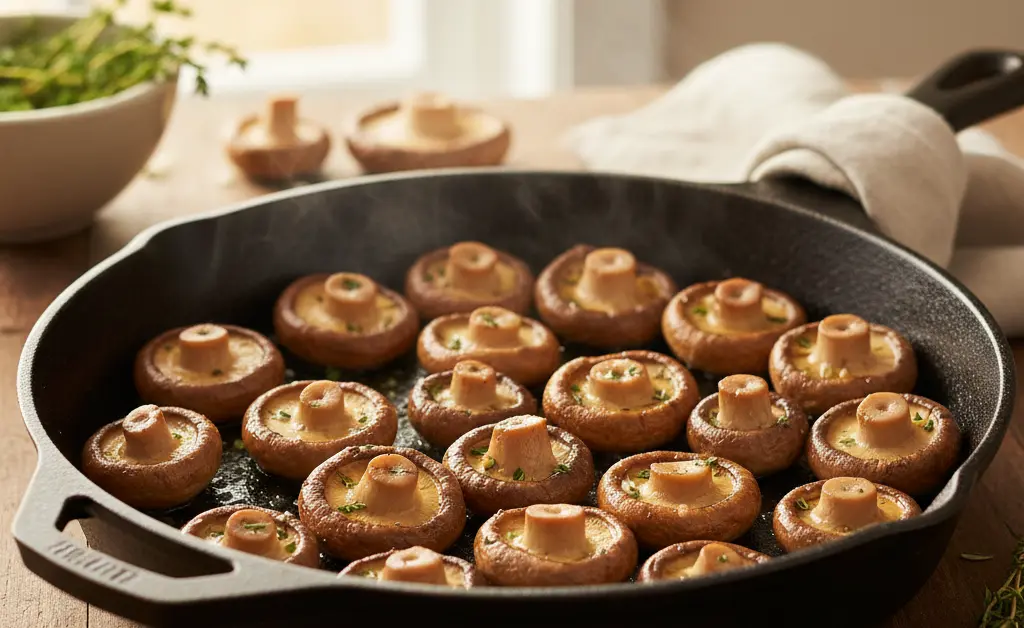
Many home cooks face the challenge of mushrooms that turn out soggy and lack deep flavor, often releasing excessive moisture during preparation. However, mastering specific techniques can transform these versatile fungi into golden, richly flavored, and perfectly textured culinary components. The secret lies in understanding how to manage moisture effectively, particularly when cooking mushrooms dry. This approach ensures they brown beautifully and retain their earthy essence, elevating any dish they accompany. This guide will explore precise methods for achieving this ideal state, detailing step-by-step instructions and crucial tips to help you consistently produce mushrooms that are firm, flavorful, and free from excess water, moving beyond the common pitfalls of watery results to achieve culinary excellence.
Dry Sautéing Mushrooms for Enhanced Flavor and Texture
Achieving perfectly cooked mushrooms often hinges on effective moisture management. The dry sautéing technique is a superior method for enhancing both the flavor and texture of these versatile fungi. By initially cooking mushrooms without oil, you allow their natural water content to evaporate rapidly, preventing them from stewing in their own juices. This process is crucial for developing a rich, browned exterior and a tender, meaty interior. When you focus on cooking mushrooms dry, you unlock a depth of umami and a satisfying texture that simply cannot be achieved with traditional sautéing methods that introduce oil too early.
Why Dry Sauté Mushrooms?
The primary reason to dry sauté mushrooms is to prevent them from becoming soggy. Mushrooms are composed of a significant amount of water. When heated, this water is released. If oil is present from the start, it can impede the water’s evaporation, essentially steaming the mushrooms rather than browning them. Dry sautéing allows this moisture to escape efficiently, concentrating their natural flavors and promoting the Maillard reaction—the chemical process responsible for the desirable browning and development of complex savory notes. This technique produces mushrooms that are deeply flavorful, with a firm yet yielding texture, making them a more impactful addition to any dish.
How to Dry Sauté Mushrooms: Step-by-Step
Mastering the dry sautéing technique involves a few key steps to ensure optimal results. Begin by gently cleaning your chosen variety of mushrooms. Avoid washing them under running water, as they can absorb excess moisture; instead, wipe them clean with a damp cloth or a soft brush. Once cleaned, prepare the mushrooms by slicing or quartering them into uniform pieces, which promotes even cooking. Next, heat a large, heavy-bottomed pan, such as cast iron or stainless steel, over medium-high heat. It’s essential to get the pan sufficiently hot before adding the mushrooms. Place the mushrooms in the dry, hot pan in a single layer, ensuring not to overcrowd them. Allow them to cook undisturbed for several minutes until they begin to release their moisture and develop a golden-brown crust. Once adequately browned on one side, you can toss or stir them to brown the other sides. Only after most of the moisture has evaporated and the mushrooms are significantly browned should you add a small amount of oil or butter, along with any desired aromatics like garlic or herbs, to finish cooking and coat them with flavor. For instance, you might consider how to cook turkey tail mushroom using this method.
Tips for Perfect Dry Sautéed Mushrooms
- Don’t Overcrowd the Pan: This is perhaps the most critical tip. Overcrowding lowers the pan’s temperature and traps moisture, leading to steaming instead of browning. Cook mushrooms in batches if necessary.
- Use the Right Pan: A wide, heavy-bottomed pan with good heat retention, like cast iron or stainless steel, is ideal. Non-stick pans can work but may not achieve the same level of browning.
- Control the Heat: Maintain medium-high to high heat. This ensures rapid evaporation of moisture and promotes browning. Adjust as needed to prevent burning.
- Resist Stirring Too Early: Allow the mushrooms to sit undisturbed for a few minutes to develop a good sear before tossing.
- Seasoning Strategies: Add salt and pepper towards the end of the cooking process. Adding salt too early can draw out moisture prematurely, hindering browning.
Common Mistakes to Avoid When Dry Sautéing Mushrooms
- Using Too Much Oil Initially: The “dry” in dry sautéing is paramount. Adding oil at the beginning defeats the purpose, causing the mushrooms to steam.
- Stirring Too Frequently: Constant stirring prevents the mushrooms from making consistent contact with the hot pan, impeding the development of a flavorful crust.
- Cutting Mushrooms Too Small: Smaller pieces can cook too quickly and become overly soft before browning, or they may release too much moisture too fast, making them mushy. Aim for uniform, moderately sized pieces.
- Rushing the Process: Browning mushrooms takes time. Be patient and allow the moisture to evaporate fully and the Maillard reaction to occur for optimal flavor and texture.
How to Cook Mushrooms So They Are Dry?
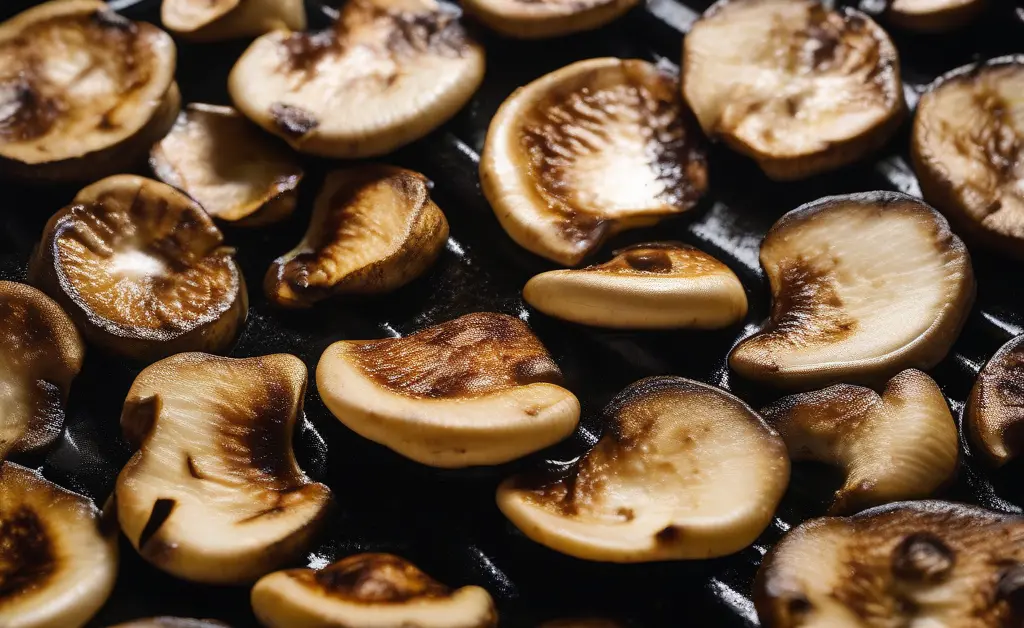
The goal when preparing mushrooms is often to achieve a firm, flavorful result that isn’t watery or slimy. This requires specific approaches to moisture removal. Whether you call it dry sautéing or dry frying, the principle remains the same: drawing out internal moisture to concentrate flavor and improve texture. The art of cooking mushrooms dry ensures they become golden brown, imparting a rich, savory essence to any dish. Understanding these techniques is key to transforming your mushroom preparations from ordinary to extraordinary.
Dry Fry Mushrooms First
The concept of dry frying mushrooms as a preliminary step or a standalone technique is similar to dry sautéing. It involves heating mushrooms in a hot pan without any added fat or liquid until a significant amount of their internal water has evaporated. This initial process is fundamental to creating a desirable texture and intensifying the mushroom’s natural umami. By forcing the moisture out first, you prepare the mushrooms for better absorption of subsequent seasonings or fats, resulting in a more robust flavor profile and a superior eating experience. This is particularly important for mushrooms with higher water content, unlike when you are cooking mushrooms from frozen, where the initial water content is already altered.
How to Dry Fry Mushrooms
To dry fry mushrooms effectively, begin with a clean, uncrowded pan over medium-high heat. Distribute your prepared mushroom pieces in a single layer. As the pan heats, you will observe the mushrooms beginning to release their moisture. Resist the urge to stir them immediately. Allow them to cook undisturbed for several minutes, letting the released water evaporate and the surfaces in contact with the pan begin to brown. Once a golden crust forms on the underside, you can gently toss or stir them to expose other surfaces to the heat. Continue this process until most of the visible moisture has gone, and the mushrooms have shrunk slightly and developed a deep, appetizing color. At this point, they are ready to be used as-is, or you can proceed to add butter, oil, or other ingredients to finish cooking.
How Long to Dry Fry Mushrooms
The duration for dry frying mushrooms varies based on several factors, including the type and size of the mushrooms, the heat of your pan, and how crowded it is. Generally, for sliced button or cremini mushrooms, expect the initial dry frying phase to take about 5-10 minutes per batch. You’ll know they are sufficiently dry-fried when they have visibly shrunk, are well-browned on multiple sides, and there is little to no moisture pooling in the bottom of the pan. They should have a slightly chewy but firm texture. Continue cooking until they reach your desired level of browning and moisture reduction, ensuring not to burn them. If you are preparing delicate mushrooms, you might need to adjust your timing, similar to when cooking enoki mushrooms.
What to Do with Dry Sautéed Mushrooms
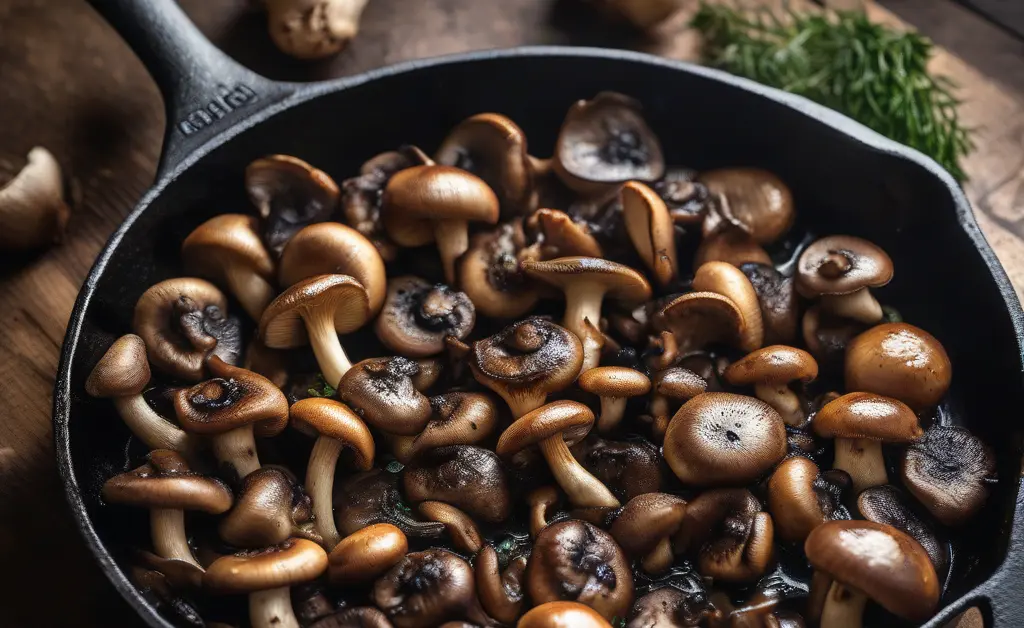
Once you’ve mastered cooking mushrooms dry, a world of culinary possibilities opens up. These perfectly browned, intensely flavorful mushrooms are incredibly versatile and can elevate a wide array of dishes. Their concentrated taste and satisfying texture make them a valuable ingredient, far surpassing the potential of their soggy counterparts. Incorporating expertly dry sautéed mushrooms into your meals can add a layer of sophistication and depth that is truly remarkable.
As a Side Dish
Dry sautéed mushrooms make an excellent standalone side dish. A simple seasoning of salt, pepper, and perhaps a touch of fresh parsley or thyme is often all that’s needed to highlight their rich flavor. They pair wonderfully with roasted meats, grilled poultry, or a simple steak. Their earthy notes complement a variety of main courses, providing a grounding element to the meal. You can also drizzle them with a balsamic glaze or a squeeze of lemon juice just before serving for an extra burst of flavor. Consider the unique flavors of how to prepare hedgehog mushroom for a unique side.
Incorporating into Main Courses
The robust flavor of dry sautéed mushrooms allows them to seamlessly integrate into various main courses. Stir them into pasta dishes, risottos, or grain bowls for added texture and umami. They are fantastic in omelets, frittatas, or quiches, contributing a savory depth. For heartier meals, mix them into meatloaf, stuffings, or use them as a topping for pizzas and flatbreads. They can even form the base of vegetarian and vegan main dishes, providing a meaty texture and rich flavor.
Adding to Sauces and Gravies
One of the best uses for intensely flavored dry sautéed mushrooms is to incorporate them into sauces and gravies. Their concentrated umami can significantly deepen the overall flavor profile of these liquids. Add them to beef bourguignon, coq au vin, or rich brown gravies for an extra layer of earthiness. They are also excellent in creamy sauces for chicken or pork, or blended into vegetarian gravies. The residual browned bits in the pan from cooking the mushrooms can also be deglazed and added to sauces, maximizing flavor extraction. Ensuring proper cooking is key to food safety, and understanding guidance from agencies like the FDA is always recommended.
Mastering the art of cooking mushrooms dry is a fundamental technique that transforms a common ingredient into a star component of many dishes. By understanding and applying the principles of moisture management, especially through dry sautéing and dry frying, you can consistently achieve mushrooms with exceptional texture and profoundly concentrated flavor. This approach not only prevents the undesirable sogginess often associated with mushroom preparation but also unlocks their full umami potential, making them a more impactful and versatile addition to your culinary repertoire. From simple side dishes to complex main courses and rich sauces, perfectly cooked dry mushrooms elevate every bite, proving that a little patience and the right technique can make all the difference in the kitchen.
FAQ
How do you dry sauté mushrooms?
Dry sautéing involves cooking mushrooms in a hot pan without added fat, allowing their natural moisture to evaporate. This process concentrates their flavor and creates a tender yet slightly crisped texture. By controlling the heat and stirring occasionally, you can achieve delicious results.
Should you add oil when dry sautéing mushrooms?
No, the principle of dry sautéing is to cook without added oil. The mushrooms release their own liquid as they heat up, which then steams them. This method is ideal for cooking mushrooms dry.
Can you cook mushrooms without oil?
Absolutely, you can cook mushrooms without oil using methods like dry sautéing or roasting. Roasting allows the mushrooms to caramelize and develop a rich flavor as their moisture evaporates in the oven. Both techniques highlight the natural taste of the mushrooms.