
Unlock the Secret to Perfect Lasagna Mushrooms
Elevating your lasagna often comes down to mastering individual ingredients. Mushrooms, when prepared correctly, can add a remarkable depth of flavor and texture to this classic dish. While they might seem straightforward, there’s an art to cooking mushrooms for lasagna that ensures they complement, rather than overpower, the other components. This guide will explore the best mushroom varieties, essential preparation techniques, and expert cooking methods to transform your fungal additions into a savory highlight. We’ll cover everything from proper slicing to effective sautéing and roasting, helping you avoid common pitfalls. By following these steps, you can achieve perfectly tender yet flavorful mushrooms that integrate seamlessly into your rich lasagna layers, enhancing its overall appeal and making every bite memorable.
Why Cook Mushrooms for Lasagna?
Incorporating mushrooms into lasagna layers offers a wonderful way to introduce earthy notes and a satisfying textural contrast. Beyond their distinctive flavor, mushrooms contribute a rich umami depth that can beautifully complement the robust tomato sauces and creamy cheeses typical of a traditional lasagna. When properly prepared, they absorb and meld with the surrounding flavors, enhancing the overall complexity of the dish without making it feel heavy. The process of cooking mushrooms for lasagna is designed to concentrate their natural flavors and ensure they are tender, providing a pleasant chew that stands up to the pasta and fillings.
Do you put mushrooms in lasagna?
Absolutely, mushrooms are a popular and delicious addition to many lasagna recipes. While not a universal ingredient in every traditional lasagna, they are frequently included to add flavor, texture, and a vegetable component. Their versatility allows them to blend seamlessly into various lasagna styles, from meat-based to vegetarian versions. Many enthusiasts of a rich, savory lasagna mushroom recipe consider them an essential element for an enhanced culinary experience, and mastering the art of cooking mushrooms for lasagna is key to their success.
Choosing the Best Mushrooms for Lasagna
The choice of mushroom variety can significantly impact the final flavor profile and texture of your lasagna. Different mushrooms offer distinct characteristics that can either blend subtly or stand out boldly. When selecting mushrooms, consider both their taste and how well they will hold up during the baking process within the lasagna.
What are the best mushrooms to put in lasagna?
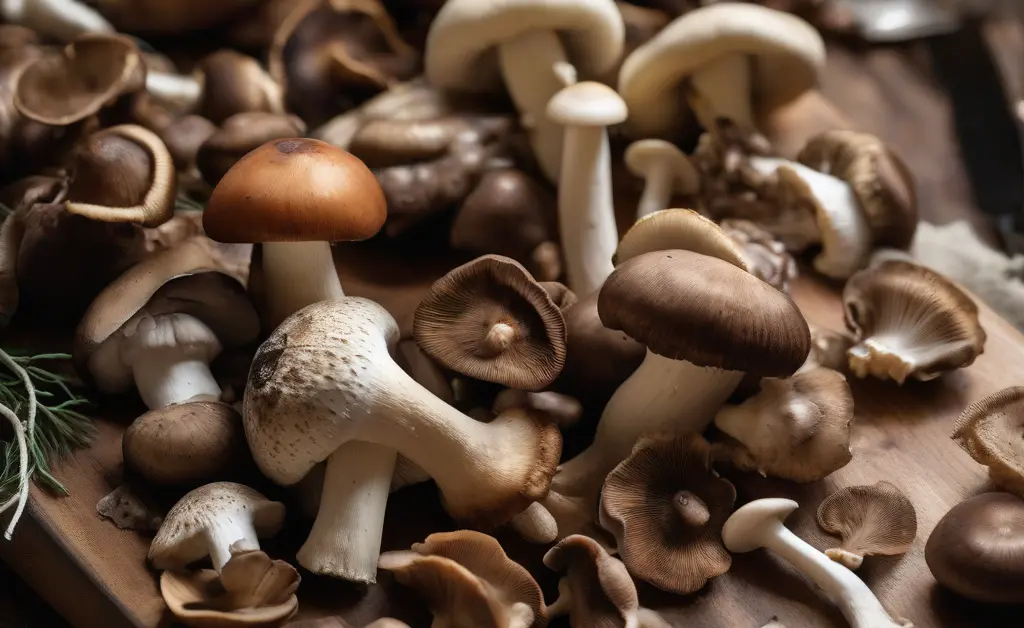
For a classic lasagna, cremini mushrooms, also known as baby bellas, are an excellent choice. They offer a deeper, more earthy flavor than white button mushrooms and maintain a good texture when cooked. Portobello mushrooms, which are mature creminis, can also be used, especially if you want larger, more substantial pieces. Their robust flavor and meaty texture make them a popular option for vegetarian lasagna recipes. Shiitake mushrooms contribute a rich umami flavor, but it’s often recommended to remove their tougher stems before cooking. For those seeking a gourmet touch, oyster mushrooms or thinly sliced wild mushrooms like porcini (rehydrated if dried) can elevate the dish with their unique aromas and tastes. The goal when cooking mushrooms for lasagna is to select varieties that enhance the overall dish without overpowering its other elements.
How to Prepare and Cook Mushrooms for Lasagna
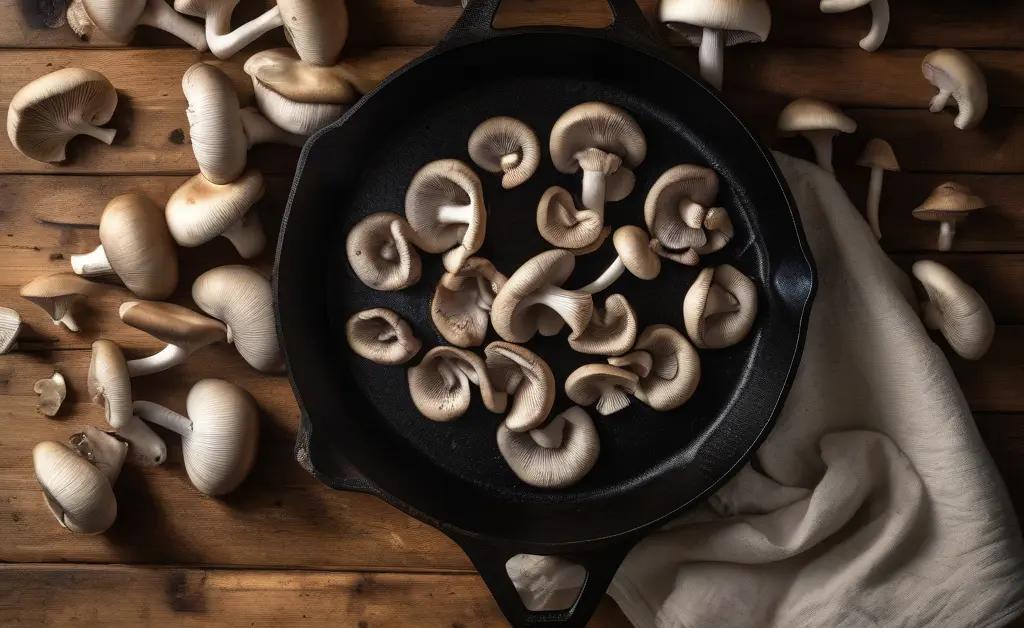
Proper preparation and cooking techniques are crucial for ensuring your mushrooms contribute positively to your lasagna. The aim is to remove excess moisture, concentrate their flavors, and achieve a desirable texture. Skipping these steps can result in watery or rubbery mushrooms that detract from the dish.
Slicing Mushrooms for Lasagna
The way you slice your mushrooms can affect both their texture and how they integrate into the lasagna layers. For most recipes, a consistent, medium slice (roughly 1/4 inch thick) is ideal. This thickness allows the mushrooms to cook evenly, soften nicely, and still retain some bite, preventing them from becoming mushy during the lasagna’s bake time. Larger varieties like portobellos may benefit from being cut into strips or larger chunks, here is a guide on preparing portobello mushroom steak, while smaller creminis can be halved or quartered depending on preference. Uniformity in slicing is important for even cooking.
Sautéing Mushrooms
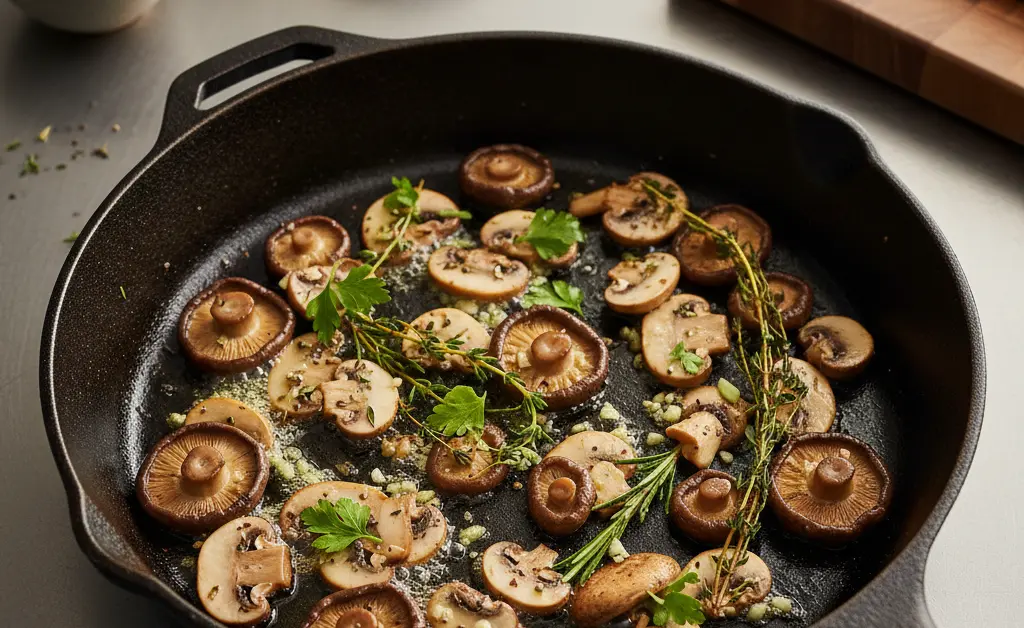
Sautéing is one of the most common and effective methods for cooking mushrooms for lasagna. To achieve a golden-brown, flavorful result, start with a hot pan and a small amount of oil or butter. Do not overcrowd the pan; cook mushrooms in batches if necessary to allow them to brown rather than steam. High heat helps evaporate their natural moisture, concentrating their flavor and creating a pleasing texture. Cook until they are tender and beautifully caramelized, then season lightly with salt and pepper.
Roasting Mushrooms
Roasting provides another excellent way to develop deep, earthy flavors in mushrooms. This method is particularly good for larger quantities and results in a slightly drier, more intensely flavored mushroom. Toss sliced mushrooms with a bit of olive oil, salt, and pepper, then spread them in a single layer on a baking sheet. Roast in a moderately hot oven until they are tender and browned at the edges. Roasting helps reduce their water content effectively, making them perfect for layering into a lasagna without adding excess moisture.
Deglazing the Pan
After sautéing mushrooms, your pan will likely have flavorful browned bits, known as “fond,” stuck to the bottom. Deglazing this pan is a great way to capture those concentrated flavors. Add a splash of liquid, such as vegetable broth, wine, or even water, to the hot pan and scrape up the fond with a wooden spoon. This flavorful liquid can then be added to your mushroom mixture or incorporated into your lasagna sauce, adding another layer of depth to your cooking mushrooms for lasagna.
Do I cook mushrooms before putting in lasagna?
Yes, it is highly recommended to cook mushrooms before adding them to lasagna. Raw mushrooms contain a lot of water, which they will release during the lasagna’s baking process. This excess moisture can make your lasagna watery and compromise its texture, leading to a soggy dish. Pre-cooking, whether by sautéing or roasting, removes much of this water, concentrates their flavor, and improves their texture, ensuring they integrate beautifully into the final baked dish. This step is essential for any great lasagna mushroom recipe.
Tips for Perfectly Cooked Lasagna Mushrooms
Achieving perfectly cooked mushrooms for your lasagna involves a few key considerations that go beyond the basic cooking methods. Attention to these details can elevate your dish significantly. Always aim to work with clean, fresh mushrooms. Avoid washing them under running water, as they absorb moisture like sponges; instead, wipe them clean with a damp cloth or a soft brush. Ensure they are dry before cooking to facilitate proper browning. Don’t rush the cooking process; allow them enough time to release their moisture and caramelize. A little patience in this stage pays off in flavor.
Common Mistakes to Avoid When Cooking Lasagna Mushrooms
When preparing mushrooms for your lasagna, several common pitfalls can diminish their quality and, by extension, the overall dish. One frequent mistake is overcrowding the pan during sautéing or roasting. This lowers the temperature of the pan, causing the mushrooms to steam rather than brown, leading to a rubbery texture and less developed flavor. Another error is not pre-cooking the mushrooms sufficiently, which leaves too much moisture within them. This excess water can seep into your lasagna during baking, making it watery and runny, which is generally undesirable for a classic, firm lasagna. Additionally, under-seasoning can leave the mushrooms tasting bland; remember to season them during cooking to enhance their natural flavors. Lastly, attempting to force the primary keyword, cooking mushrooms for lasagna, into every sentence can lead to unnatural phrasing, so ensure it flows organically within the text.
By understanding the nuances of mushroom selection, preparation, and cooking, you can transform a simple vegetable into a star ingredient in your lasagna. Whether you prefer the deep umami of creminis or the robust texture of portobellos, mastering these techniques will ensure your fungal additions are perfectly tender, flavorful, and integrated. The effort invested in properly cooking mushrooms for lasagna will undoubtedly be rewarded with a more delicious and satisfying meal, making every layer a delight.
These techniques are also beneficial when cooking mushrooms for pasta sauce. The principles of removing excess moisture and concentrating flavor apply across various dishes.
not applicable
FAQ
How do you cook mushrooms so they don’t get watery in lasagna?
To prevent watery mushrooms in your lasagna, aim to remove as much moisture as possible during the initial cooking phase. Sautéing them over medium-high heat allows the water to evaporate, concentrating their flavor. Once the liquid has visibly reduced and the mushrooms begin to brown, they are ready to be incorporated.
Should I cook mushrooms before adding them to lasagna?
Yes, cooking mushrooms before adding them to lasagna is a crucial step for optimal texture and flavor. This pre-cooking process helps to release their natural water content, preventing a soggy lasagna. It also intensifies their earthy taste, which is desirable in baked dishes.
What kind of mushrooms are best for lasagna?
Many mushroom varieties can lend deliciousness to lasagna, with common choices like cremini and shiitake mushrooms being popular for their robust flavor and satisfying texture. While white button mushrooms are a milder option, their texture can also be well-suited. Experimenting with a blend of different types can introduce more complex flavors and aromas.
How do you cut mushrooms for lasagna?
For lasagna, mushrooms are typically sliced or chopped into bite-sized pieces. Slicing them to a uniform thickness ensures even cooking and distribution throughout the layers. If you prefer smaller pieces, you can finely chop them after removing the stems.