
Your Guide to Perfecting Mushroom Pasta Sauce
Embracing home cooking has become a significant part of a modern, balanced lifestyle, offering both comfort and culinary exploration for individuals and families alike. Among countless dishes, a well-prepared pasta sauce stands out as a versatile and satisfying option, perfect for weeknight dinners or special occasions, especially when it features the earthy depth of mushrooms. Mastering the art of cooking mushrooms for pasta sauce is key to transforming a simple meal into an extraordinary dining experience, infusing it with umami richness and a delightful texture. This comprehensive guide will walk you through everything from selecting and preparing the right fungi to building layers of flavor that will elevate your homemade pasta sauce to restaurant-quality standards.
Choosing the Right Mushrooms
The foundation of any exceptional mushroom pasta sauce begins with the selection of quality fungi. Different varieties of mushrooms offer distinct flavors and textures, each contributing uniquely to the final dish. Common options for pasta sauce include cremini (baby bella), which provide a robust, earthy flavor, and white button mushrooms, known for their milder taste and versatility. For those seeking a more intense umami experience, shiitake mushrooms offer a rich, savory profile, while oyster mushrooms can add a delicate, slightly sweet note. Dried mushrooms, such as porcini, are also an excellent choice, especially for imparting a deep, concentrated mushroom flavor after rehydration. Consider the overall flavor profile you aim to achieve when making your selection, as this will significantly influence the character of your finished pasta sauce. Understanding these nuances is crucial for truly elevating your cooking mushrooms for pasta sauce.
Slicing or Chopping Mushrooms
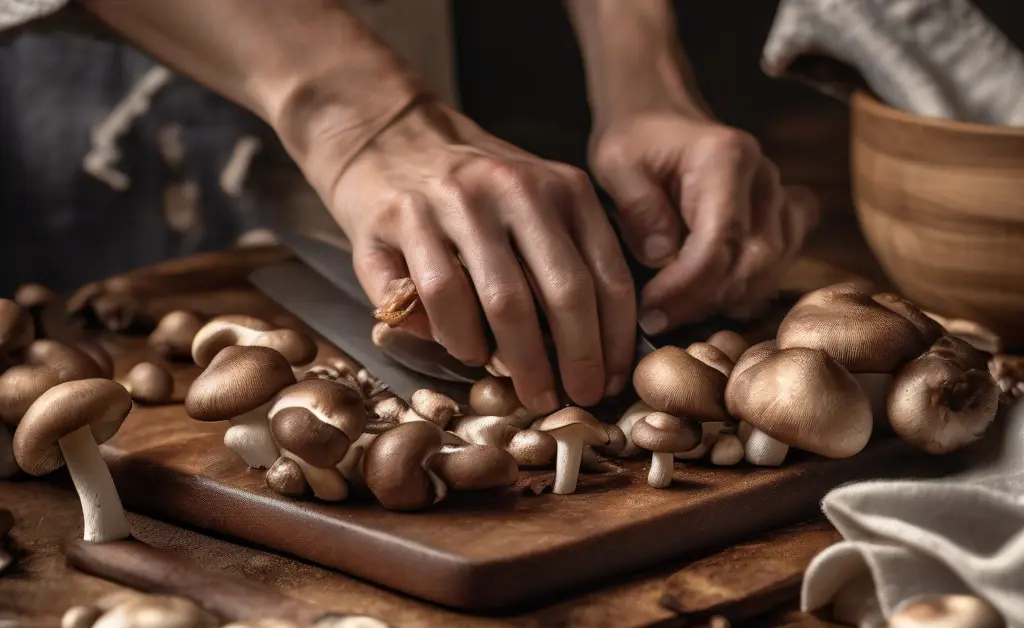
Once you’ve chosen your mushrooms, the way you prepare them—whether slicing or chopping—can influence both the texture and how well they integrate into the sauce. For a more rustic sauce where you want distinct pieces of mushroom, a thicker slice or a coarse chop works well. If you prefer the mushrooms to meld more seamlessly into the sauce, a finer dice might be more appropriate. Consistency in size is important to ensure even cooking. Irregularly sized pieces can lead to some being overcooked and others undercooked, affecting the overall texture of your pasta sauce. For larger varieties like portobello, you might even consider dicing them for better distribution and easier eating within the sauce.
Preparing Your Mushrooms
Proper preparation is essential before you begin cooking mushrooms for pasta sauce. This stage sets the groundwork for their texture and flavor development. Taking a few extra minutes here can prevent common issues like watery or bland mushrooms, ensuring they contribute their full potential to your dish.
Cleaning Mushrooms
Mushrooms are often grown in soil, so cleaning them thoroughly is a crucial step. However, they are also like sponges and can absorb water quickly, which can lead to soggy mushrooms during cooking. Instead of rinsing them under running water, which is generally discouraged, use a damp cloth or a soft brush to gently wipe away any dirt or debris. If your mushrooms are particularly dirty, a quick, light rinse followed by immediate drying with paper towels is acceptable, but ensure they are as dry as possible before proceeding. This careful approach helps maintain their natural texture and prevents them from becoming waterlogged.
Avoiding Soggy Mushrooms
Soggy mushrooms are a common culinary pitfall, often resulting from overcrowding the pan or insufficient heat during cooking. To prevent this, ensure your mushrooms are as dry as possible after cleaning. When you begin to cook, use a wide pan and avoid piling too many mushrooms in at once. Cook them in batches if necessary, allowing enough space for moisture to evaporate rather than stewing in their own juices. High heat is also key; it helps to quickly sear the outside, locking in flavor and promoting browning without releasing excessive moisture. This technique is vital for achieving the desired texture when cooking mushrooms for pasta sauce.
Building the Pasta Sauce
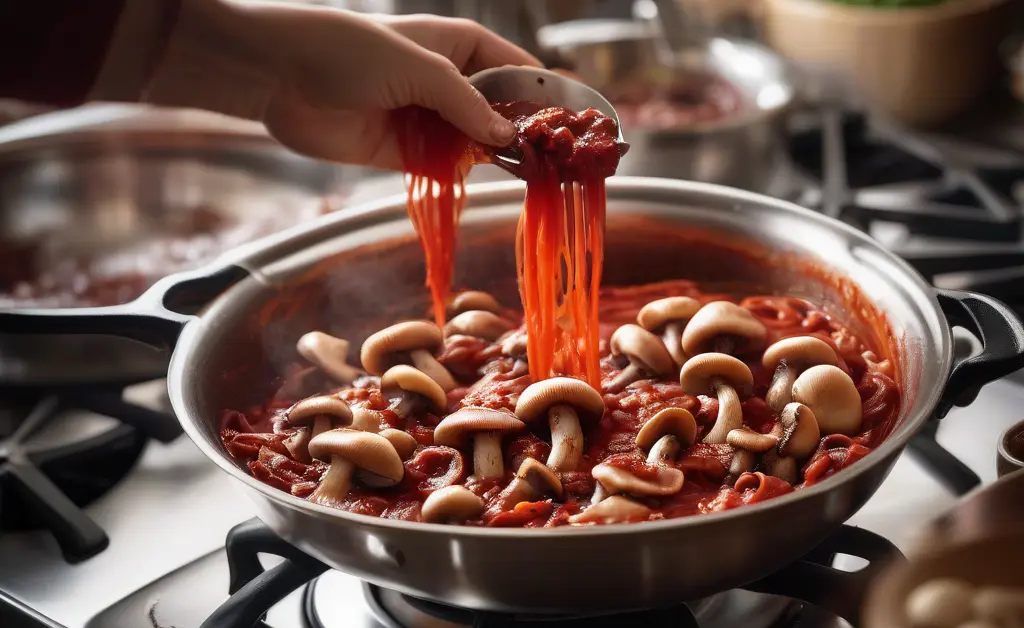
Crafting a flavorful pasta sauce involves layering ingredients thoughtfully, with mushrooms playing a starring role. Each step in this process is designed to extract maximum flavor and create a rich, cohesive sauce that beautifully coats your pasta.
Sautéing Mushrooms
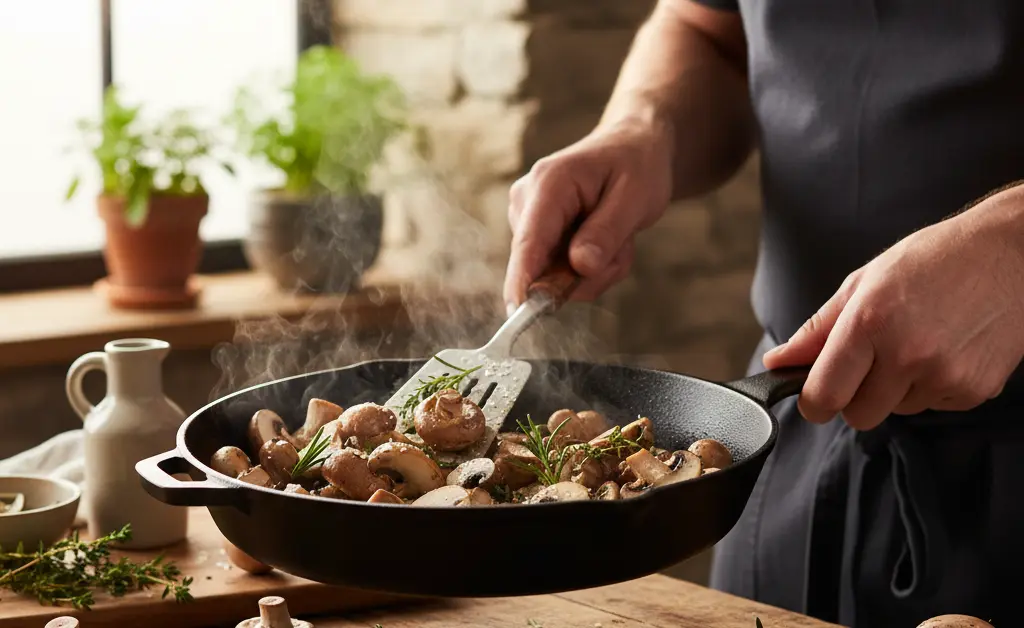
Sautéing is often the first step when incorporating mushrooms into your pasta sauce. Heat a generous amount of oil or butter in a pan over medium-high heat. Add your cleaned and prepared mushrooms in a single layer, ensuring not to overcrowd the pan. Allow them to cook undisturbed for a few minutes until they release their moisture and begin to brown. This initial sautéing step is crucial for developing their deep, earthy flavors and achieving a desirable texture. Resist the urge to stir constantly, as this can hinder browning.
Browning Mushrooms for Flavor
Browning is where the true magic happens with mushrooms. As they cook, their natural sugars caramelize, and their umami compounds intensify, creating a more complex and satisfying flavor profile. Continue to cook the mushrooms, stirring occasionally, until they achieve a deep golden-brown color. This browning contributes significantly to the richness of the overall pasta sauce, making them a central element to the dish. Proper browning is paramount when cooking mushrooms for pasta sauce, as it unlocks their full potential.
Aromatics: Garlic and Onions
Once your mushrooms are beautifully browned, it’s time to introduce aromatics. Finely chopped garlic and onions are classic companions that provide a foundational layer of flavor to almost any savory sauce. Add them to the pan with the mushrooms and cook until softened and fragrant, typically for a few minutes. Be careful not to burn the garlic, as it can turn bitter. These aromatics meld with the mushroom flavors, creating a harmonious base for the rest of your ingredients.
Deglazing the Pan
Deglazing is a technique used to capture all the flavorful brown bits (fond) stuck to the bottom of the pan after sautéing. Once the aromatics are softened, pour a liquid, such as broth, wine, or even a little water, into the hot pan. Use a wooden spoon or spatula to scrape up all the delicious, caramelized bits from the bottom. This process not only adds depth of flavor to your sauce but also helps to create a smoother, more integrated consistency.
Broth and Wine for Depth
After deglazing, add additional liquids to build the body of your pasta sauce. Vegetable or chicken broth can provide a savory base, while a splash of dry white or red wine can introduce a nuanced acidity and complexity. Allow the sauce to simmer gently, letting the flavors meld and the liquids reduce slightly. This reduction concentrates the flavors, creating a richer and more satisfying sauce. The choice of broth and wine can subtly shift the overall character of your mushroom pasta sauce.
Adding Cream or Dairy Alternatives
For a creamy mushroom pasta sauce, this is the stage to incorporate cream, half-and-half, or a dairy-free alternative like cashew cream or coconut milk. Stir in the chosen ingredient and allow the sauce to simmer gently until it thickens to your desired consistency. Avoid boiling vigorously once cream is added, as it may curdle. This step transforms the sauce into a luxurious, velvety texture that beautifully coats the pasta. When considering dairy alternatives, choose options with a neutral flavor profile that won’t overpower the delicate mushroom taste.
Herbs and Seasonings
Herbs and seasonings are vital for brightening and completing the flavor profile of your pasta sauce. Fresh herbs like parsley, thyme, and rosemary are excellent choices, adding aromatic notes. Dried herbs such as oregano or basil can also be used, though fresh often provides a more vibrant taste. Season with salt and freshly ground black pepper to taste, adjusting as needed. A pinch of red pepper flakes can add a subtle kick, while a touch of nutmeg can enhance the creaminess of the sauce. Add fresh herbs towards the end of cooking to preserve their flavor and color.
Finishing Touches and Serving
The final steps are just as important as the initial preparation, ensuring your mushroom pasta dish is perfectly cohesive and visually appealing.
Tossing with Pasta
To achieve the best possible coating, always finish your pasta dish by tossing the cooked pasta directly into the sauce. This allows the pasta to absorb the flavors of the sauce and helps the sauce cling to each strand or shape. Add a splash of the starchy pasta cooking water as you toss; this liquid acts as an emulsifier, helping the sauce to thicken and adhere better to the pasta, creating a silkier texture. Ensure the pasta is al dente when it enters the sauce, as it will continue to cook slightly as you toss it.
Garnishes and Toppings
Garnishes and toppings provide the final flourish, adding freshness, texture, and an extra layer of flavor. A sprinkle of freshly grated Parmesan cheese or a dairy-free alternative is a classic choice for mushroom pasta, offering a salty, savory kick. Freshly chopped parsley or chives can add a burst of color and a herbaceous note. For an added textural contrast, consider a light sprinkle of toasted breadcrumbs or chopped nuts. A drizzle of high-quality extra virgin olive oil just before serving can also elevate the dish.
Simple Mushroom Pasta Sauce
Creating a delicious mushroom pasta sauce doesn’t always require a long list of ingredients or complex techniques. Sometimes, simplicity allows the natural flavors of the mushrooms to truly shine. This approach focuses on fundamental steps that maximize taste with minimal fuss, making it ideal for everyday meals. Mastering the art of cooking mushrooms for pasta sauce in a simple way is highly achievable.
Mushroom pasta without cream
A mushroom pasta sauce without cream emphasizes the earthy and savory notes of the mushrooms themselves, often complemented by robust ingredients like garlic, herbs, and a good quality broth or wine. This style of sauce tends to be lighter yet still deeply flavorful, relying on proper browning of the mushrooms and careful layering of aromatics. It allows the natural umami to be the star, making for a less heavy but equally satisfying meal. A well-executed non-cream mushroom pasta showcases the pure essence of the fungi.
Cooking mushrooms for pasta sauce no cream
When cooking mushrooms for pasta sauce without cream, the focus shifts even more to developing deep flavor through browning. Start by sautéing the mushrooms intensely until they achieve a rich, golden-brown color. Deglaze the pan with broth or wine to capture all the caramelized bits, then simmer with garlic, onions, and your chosen herbs. A touch of tomato paste can add sweetness and acidity, enhancing the overall profile without adding dairy. This method highlights the inherent deliciousness of the mushrooms. For a different culinary application, consider cooking mushrooms for lasagna.
Cooking mushrooms for pasta sauce without cream
For a non-creamy mushroom pasta sauce, select mushrooms with strong individual flavors, such as shiitake or porcini, to ensure a robust foundation. After thoroughly browning the mushrooms, introduce finely chopped shallots or onions and garlic, cooking until translucent. Deglaze with a dry white wine or vegetable broth, scraping up all the fond from the pan. Simmer the mixture with fresh or dried herbs like thyme or oregano. A small amount of crushed tomatoes or tomato paste can add body and a subtle tang. Finish with fresh parsley and a drizzle of olive oil, letting the mushrooms truly be the centerpiece of the sauce.
Creamy Mushroom Pasta
Creamy mushroom pasta is a beloved dish that marries the earthy notes of mushrooms with a rich, velvety sauce. This luxurious version often incorporates dairy, creating a comforting and indulgent meal perfect for a variety of occasions. The key is to balance the richness of the cream with the savory depth of the mushrooms.
Mushroom Pasta Recipe
A classic creamy mushroom pasta recipe typically begins by intensely browning mushrooms to develop their deep umami flavor. Once browned, garlic and shallots are often sautéed until fragrant. A deglazing liquid, such as white wine or vegetable broth, is then used to lift any flavorful bits from the pan. Heavy cream or a dairy alternative is added, bringing the sauce to a gentle simmer until it thickens slightly. Fresh herbs like thyme or parsley are stirred in, along with Parmesan cheese, before tossing with al dente pasta. This creates a harmonious blend of textures and tastes. For a more substantial mushroom dish, explore recipes like the portobello mushroom steak.
Mastering the art of cooking mushrooms for pasta sauce is a rewarding culinary endeavor that opens up a world of rich, earthy flavors. Whether you prefer a light, herbaceous sauce or a decadent, creamy creation, the techniques for selecting, preparing, and cooking mushrooms remain fundamental. By focusing on proper browning, strategic layering of aromatics, and careful seasoning, you can transform simple ingredients into a truly memorable dish. Embrace the versatility of mushrooms and confidently experiment with different varieties and flavor combinations to discover your perfect pasta sauce. Research on mushroom benefits can be found on PubMed.
It is important to note that this content is not intended as medical advice. The information provided is for general knowledge and informational purposes only, and does not constitute a recommendation or endorsement of any particular treatment, product, or procedure. Always seek the advice of a qualified healthcare professional for any questions regarding your health or a medical condition.
FAQ
How do you cook mushrooms so they aren’t slimy in pasta sauce?
To prevent slimy mushrooms in pasta sauce, ensure they are properly dried before cooking and use medium-high heat. This allows the water content to evaporate quickly, promoting browning rather than steaming. Cooking mushrooms until they release their liquid and then allowing that liquid to evaporate is key to achieving a desirable texture.
Should you wash mushrooms before cooking for pasta sauce?
It is generally recommended to avoid washing mushrooms before cooking, as they absorb water like sponges. Instead, gently brush or wipe them clean with a damp cloth or paper towel to remove any dirt. Excess moisture can lead to steaming instead of sautéing, which can contribute to a less desirable texture in your dish.
How long should you cook mushrooms for pasta sauce?
The cooking time for mushrooms in pasta sauce can vary depending on the type and size of the mushrooms, as well as the desired texture. Generally, mushrooms are cooked until they are tender and have released most of their moisture, often between 5 to 10 minutes of sautéing. Ensuring proper browning is more important than a strict time frame.