
A Practical Guide to Cooking Frozen Mushrooms
Have you ever pulled a bag of frozen mushrooms from your freezer, only to wonder how to transform them into a delicious dish without ending up with a watery, bland mess? It’s a common culinary challenge, as mushrooms have a high water content that can make them particularly tricky to cook successfully after freezing. Many home cooks struggle with achieving that desirable firm texture and rich, earthy flavor when working with previously frozen fungi. This guide aims to demystify the process, offering practical techniques and valuable insights to ensure your meals are never compromised by soggy mushrooms again. We’ll explore various effective methods for cooking mushrooms from frozen, helping you unlock their full potential and incorporate them seamlessly into your favorite recipes, whether you’re short on time or aiming for gourmet results.
Best Methods for Cooking Frozen Mushrooms
When approaching cooking mushrooms from frozen, the primary goal is often to remove excess moisture while developing flavor and a desirable texture. Different cooking methods excel at this in various ways, each suited to particular culinary applications and preferences.
Cooking mushrooms from frozen on stove
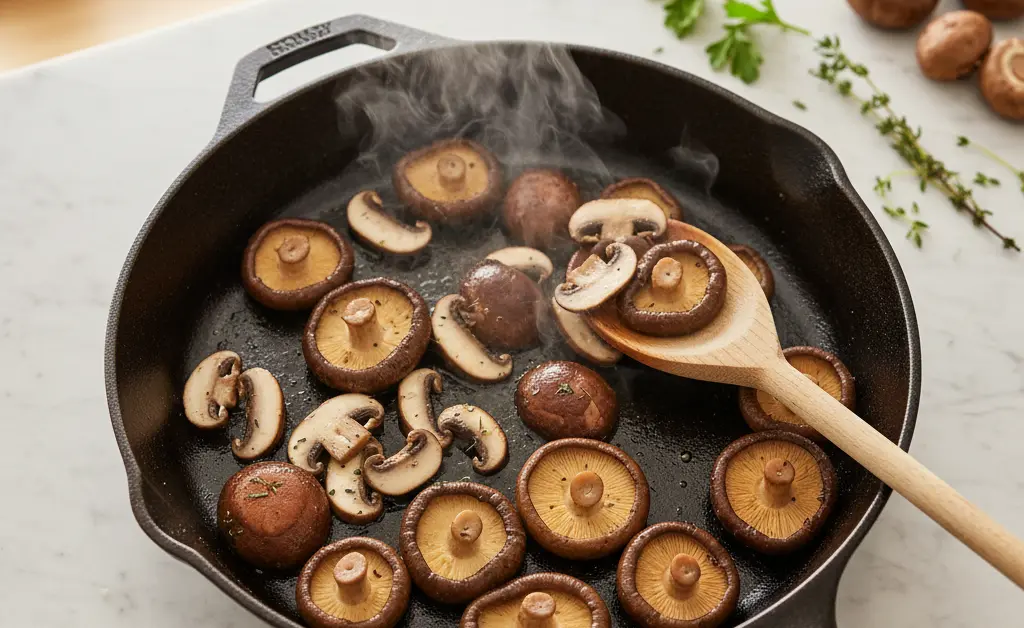
Cooking mushrooms from frozen on the stovetop is a versatile and common method. For best results, use a wide, heavy-bottomed pan or cast-iron skillet over medium-high heat. Add a small amount of oil or butter, then spread the frozen mushrooms in a single layer. Resist the urge to overcrowd the pan, as this will steam the mushrooms instead of allowing them to brown. The initial heat will cause the ice to melt and release water. Continue cooking, stirring occasionally, until all the liquid has evaporated. Once dry, the mushrooms will begin to brown and develop a richer flavor. This process may take longer than with fresh mushrooms, but it’s essential for achieving a good texture.
Cooking mushrooms from frozen in oven
Roasting frozen mushrooms in the oven is an excellent way to achieve a tender interior and slightly crispy exterior. Preheat your oven to a relatively high temperature, such as 400-425°F (200-220°C). Toss the frozen mushrooms with a little olive oil, salt, pepper, and any desired herbs or spices. Spread them in a single layer on a baking sheet, ideally one with a wire rack if you have it, to promote air circulation. The high heat helps to quickly evaporate moisture, preventing sogginess. Roast for about 20-30 minutes, or until browned and tender, stirring halfway through.
Cooking mushrooms from frozen in microwave
While not ideal for achieving browning or crispness, the microwave can be used for a quick initial defrost or to par-cook frozen mushrooms before adding them to other dishes. Place the frozen mushrooms in a microwave-safe dish and microwave on high in short intervals, stirring occasionally, until thawed and some of the liquid has been released. Drain the liquid thoroughly before proceeding with further cooking, such as sautéing, if you want to develop more flavor and better texture.
How to cook frozen mushrooms in air fryer
The air fryer is particularly effective for cooking mushrooms from frozen, offering a convenient way to achieve a crisp texture. Preheat your air fryer to around 375-400°F (190-200°C). Toss the frozen mushrooms with a light coating of oil and seasonings. Place them in the air fryer basket in a single layer, ensuring not to overcrowd. Air fry for 10-15 minutes, shaking the basket every 5 minutes, until they are tender and slightly browned. The circulating hot air helps to evaporate moisture efficiently.
Can you fry frozen mushrooms
Yes, you can fry frozen mushrooms directly, but it requires a strategic approach to avoid a watery outcome. The key is to use high heat and give them space. Add frozen mushrooms to a hot pan with oil and do not stir them immediately. Allow the high heat to start caramelizing them and evaporating the surface moisture. As they release their water, keep the heat up, allowing the liquid to boil off. Once the water has largely evaporated, the mushrooms will begin to truly fry, developing a desirable golden-brown color and firm texture.
Sautéing Frozen Mushrooms
Sautéing is a classic method that works well for frozen mushrooms, especially if you follow the high-heat, minimal-stirring principle. Start with a very hot pan, add oil or butter, and then spread the frozen mushrooms. Resist the urge to constantly stir; let them sit and sear for a few minutes before tossing. This allows the water to cook out and the surfaces to brown. Once the moisture has evaporated and they begin to turn golden, you can add aromatics like garlic or onions. This method is excellent for intensifying their natural umami flavor.
Roasting Frozen Mushrooms
Roasting is an effective technique for cooking mushrooms from frozen, similar to oven baking but often implying higher heat for browning. Ensure the mushrooms are spread thinly on a baking sheet, allowing ample space for moisture to escape. Tossing them with a small amount of oil and seasoning before roasting will help in developing a delicious crust. High temperatures, typically 400°F (200°C) or above, encourage rapid water evaporation, leading to tender, flavorful mushrooms without the risk of sogginess. They are ready when deeply browned and much smaller in volume.
Tips for Cooking Frozen Mushrooms
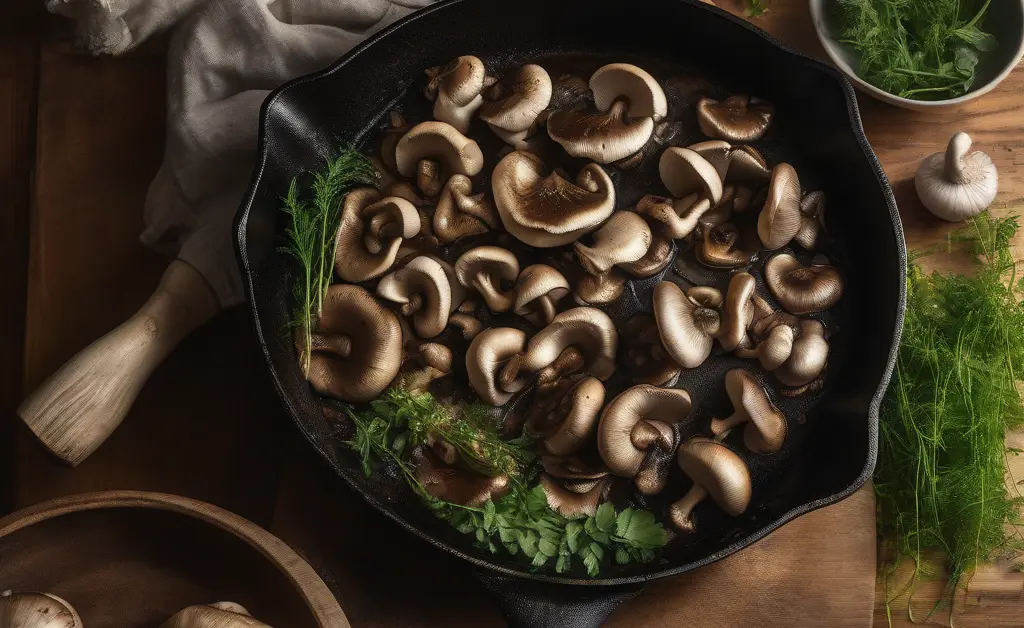
Mastering the art of cooking mushrooms from frozen involves understanding their unique properties and applying specific techniques to overcome the challenges posed by their high water content. These tips aim to enhance flavor and texture, ensuring a successful dish every time. These general principles can also be applied when you want to learn how to cook turkey tail mushroom.
How to cook frozen mushrooms in air fryer
Beyond the basic air frying process, consider these advanced tips. For extra crispness, pat the mushrooms dry with a paper towel if they have any visible ice crystals before tossing them with oil. Add a pinch of baking soda to the seasoning blend; it can help promote browning and crispiness. Always avoid overfilling the basket; cook in batches if necessary to maintain proper air circulation. Finish with a squeeze of lemon juice or a sprinkle of fresh herbs after cooking to brighten their flavor.
How to cook frozen sliced mushrooms
When dealing with frozen sliced mushrooms, the key is maximizing surface area exposure. Whether sautéing, roasting, or air frying, spread them out as much as possible to allow moisture to escape quickly. If cooking on the stovetop, use a larger pan than you think you need. For oven or air fryer methods, ensure they are in a single layer on the baking sheet or in the basket. Sliced mushrooms tend to cook faster due to their smaller size, so monitor them closely to prevent overcooking, which can make them rubbery.
Can you fry frozen mushrooms
To achieve the best results when frying frozen mushrooms, ensure your pan and oil are very hot before adding them. Use a neutral oil with a high smoke point. Do not thaw them first; placing them directly into a hot pan allows the intense heat to immediately begin evaporating the surface moisture and start the Maillard reaction. After the initial burst of steam, as the water boils off, they will start to brown. Only then should you add butter, garlic, or other ingredients, as these can burn if added too early while the water content is still high.
How long do you cook frozen mushrooms
The cooking time for frozen mushrooms varies significantly depending on the method and desired outcome. On the stovetop, it can take 10-20 minutes to fully evaporate moisture and achieve browning. In the oven or air fryer, 20-30 minutes is a good starting point, though thinner slices or higher heat may reduce this. Microwave cooking is generally shorter, around 3-5 minutes for initial defrosting/par-cooking. The best indicator is their appearance: they should be significantly reduced in size, browned, and have a firm yet tender texture.
Cooking with frozen, sliced mushrooms
Frozen, sliced mushrooms are a convenient ingredient for many dishes. Their pre-cut nature saves preparation time, and their texture, once properly cooked, integrates well into various recipes. They are particularly suitable for dishes where they will be mixed with other ingredients, absorbing flavors. While they might not achieve the same crispness as fresh mushrooms in certain applications, their earthy flavor remains intact. They are excellent for adding depth to casseroles, frittatas, or rice dishes, where the slight moisture content won’t negatively impact the final product.
Recipes Using Cooked Frozen Mushrooms
Once properly cooked, frozen mushrooms can be a fantastic addition to a wide array of recipes, lending their rich, umami flavor without the added prep time of fresh varieties. Successfully cooking mushrooms from frozen opens up many culinary possibilities. Further research into the health benefits of fungi can be explored through resources from the NIH.
Adding Frozen Mushrooms to Soups and Stews
Cooked frozen mushrooms are a natural fit for soups and stews. Their earthy flavor deepens the broth and their tender texture complements other ingredients. To use them, first cook the frozen mushrooms using a method that reduces their water content, such as sautéing or roasting, until they are browned and flavorful. Then, add them to your soup or stew during the last 15-20 minutes of simmering. This ensures they absorb the flavors of the broth without releasing excess water, which could thin out the consistency of your dish. They are particularly good in beef stews, creamy chicken soups, or hearty vegetable broths.
Using Frozen Mushrooms in Sauces
Frozen mushrooms, once properly cooked, can elevate the complexity of many sauces. They work wonderfully in pasta sauces, gravies, and creamy pan sauces. Start by sautéing the frozen mushrooms until all their moisture has evaporated and they have developed a nice color. This process is crucial for concentrating their flavor. After browning, deglaze the pan with wine or broth, then incorporate other sauce ingredients like cream, tomatoes, or herbs. The cooked mushrooms will contribute a robust, savory note, making the sauce richer and more satisfying, perfect for serving over meats, vegetables, or pasta.
By understanding the unique challenges and opportunities presented by frozen mushrooms, home cooks can confidently integrate them into their cooking. The key lies in strategic moisture management and employing appropriate cooking techniques to unlock their full flavor potential. Whether you’re short on time or simply looking to make the most of your freezer stock, properly cooked frozen mushrooms can be a convenient and delicious addition to countless dishes.
not applicable
FAQ
Can you cook mushrooms directly from frozen?
Yes, you can cook mushrooms directly from frozen, which can save time and is often a convenient option for many dishes. When frozen mushrooms are heated, the water content within their cells expands and breaks down the cell walls, which is why they can release more moisture during cooking.
How do you cook frozen sliced mushrooms?
To cook frozen sliced mushrooms, it’s best to heat them in a pan over medium-high heat without adding oil initially. Allow the water to evaporate before adding any fats or seasonings. This process helps to remove excess moisture and develop a better texture.
Do you need to thaw frozen mushrooms before cooking?
Thawing frozen mushrooms before cooking is generally not necessary and can sometimes lead to a mushier texture. Cooking them directly from their frozen state allows for better control over moisture release, leading to a more desirable outcome.
What is the best way to cook frozen mushrooms without them being watery?
The best way to cook frozen mushrooms without them being watery involves using high heat and not overcrowding the pan. This ensures that the moisture evaporates quickly rather than steaming the mushrooms. Starting with dry, frozen mushrooms and cooking them in batches if needed can further help manage water content.