
Introducing Cremini Mushrooms to Your Baby
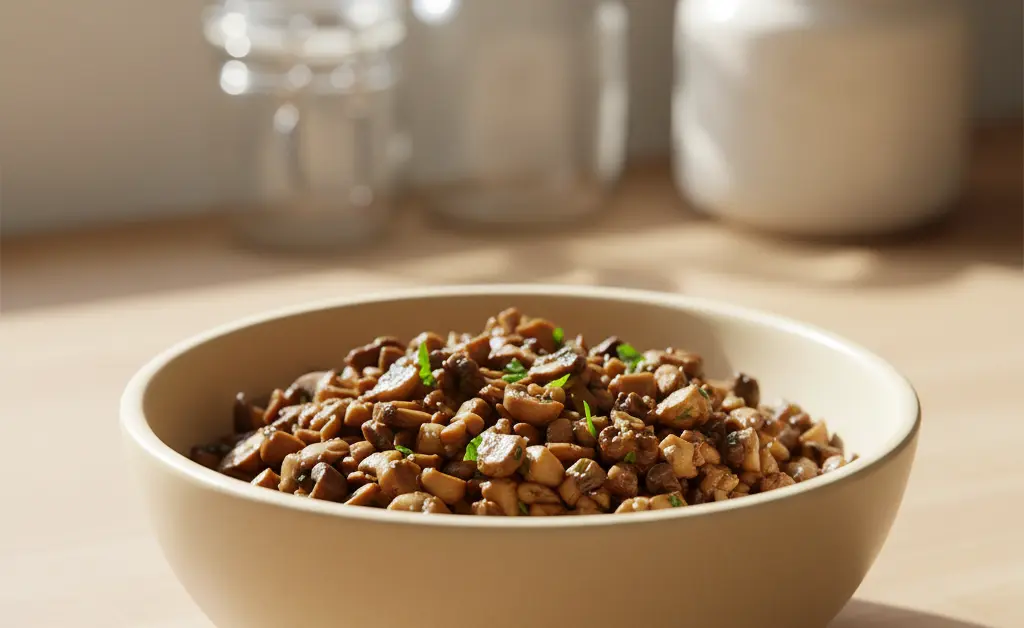
Imagine standing in your kitchen, looking at a basket of fresh produce, and contemplating how to expand your baby’s culinary horizons beyond traditional purees. As your little one explores new textures and flavors, introducing nutrient-rich vegetables becomes a key part of their developmental journey. Among the many healthy options available, cremini mushrooms offer a unique blend of benefits, making them an intriguing addition to a baby’s diet. This guide explores the advantages and safe preparation methods for introducing cremini mushroom for baby, ensuring that this versatile ingredient can be incorporated thoughtfully and deliciously into their meals. We will delve into their nutritional contributions, discuss appropriate textures, and provide essential safety precautions to help parents confidently navigate this exciting feeding stage.
Benefits of Cremini Mushrooms for Babies
Introducing a diverse range of foods early in life can lay a strong foundation for healthy eating habits. Cremini mushrooms, often considered a culinary delight for adults, also present a compelling nutritional profile that may support a baby’s growth and development. When considering a cremini mushroom for baby, parents might be surprised by the array of beneficial compounds these fungi contain. Many types of mushrooms offer significant health advantages, including oyster mushroom benefits.
Nutritional Profile of Cremini Mushrooms for Babies
Cremini mushrooms are a source of various vitamins and minerals that are important for infant health. They contain B vitamins, such as riboflavin, niacin, and pantothenic acid, which play roles in energy metabolism. These mushrooms also offer minerals like selenium, copper, and potassium. Additionally, cremini mushrooms may provide a natural source of vitamin D when exposed to ultraviolet light, a crucial nutrient for bone development and immune system function. Their fiber content can also contribute to digestive regularity.
Supporting Baby’s Development with Mushrooms
The array of nutrients found in cremini mushrooms can contribute to several aspects of a baby’s development. For instance, B vitamins are involved in neurological development and function. Minerals like selenium act as antioxidants, potentially helping to protect cells from damage, while copper is important for iron absorption and red blood cell formation. The potential presence of vitamin D supports the healthy formation of bones and teeth. Incorporating these elements through varied foods like mushrooms can be a positive step in providing a well-rounded diet during crucial developmental stages. Some varieties, like the king oyster mushroom benefits for skin, highlight the diverse health properties mushrooms possess.
How to Prepare Cremini Mushrooms for Babies
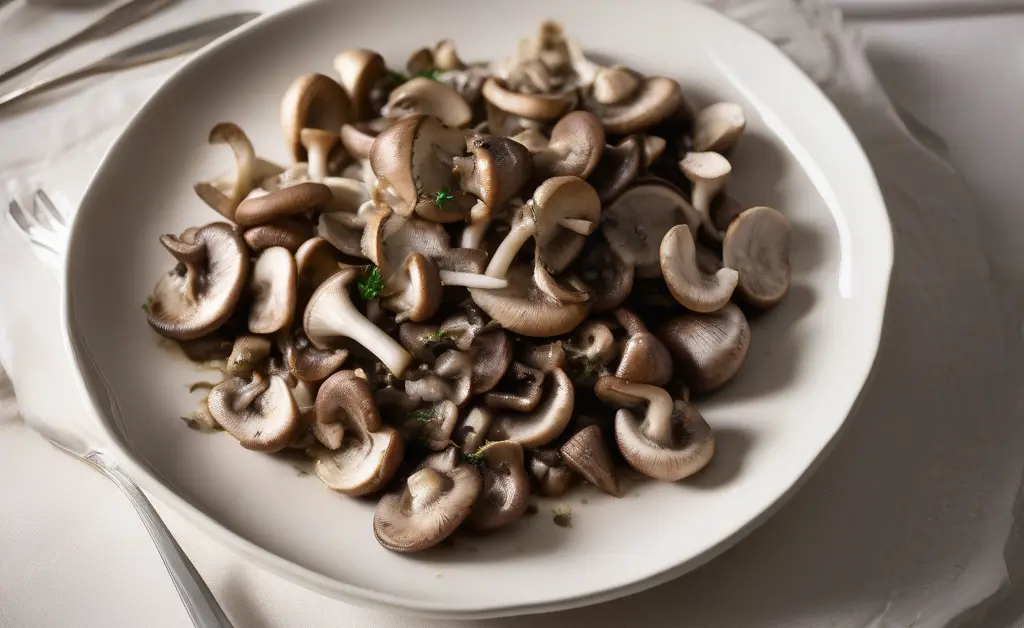
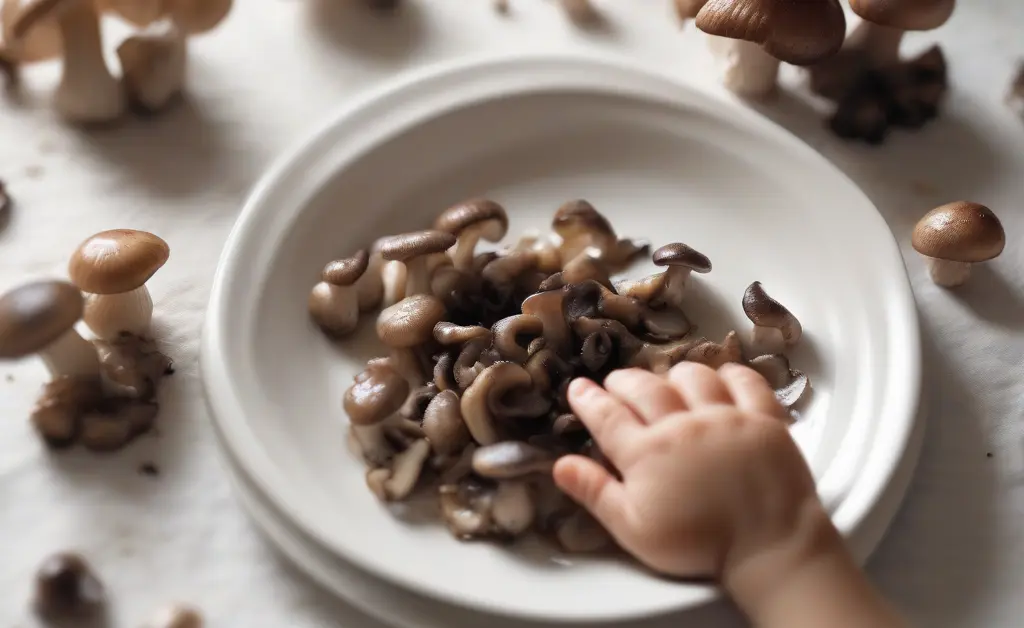
Proper preparation is key to safely introducing any new food to a baby, and cremini mushrooms are no exception. Parents often wonder about the best approach to ensure that a cremini mushroom for baby is both safe and palatable. The method of cooking and the final texture are paramount, especially when considering the developmental stage of the infant.
Texture and Form Recommendations
When preparing cremini mushrooms for babies, the texture should be soft and easily mashable or in small, manageable pieces to minimize choking hazards. For younger infants just starting solids, pureeing cooked mushrooms with breast milk, formula, or vegetable broth can create a smooth consistency. As babies grow and develop their pincer grasp and chewing skills, finely chopped or shredded cooked mushrooms can be offered. Always ensure mushrooms are thoroughly cooked until very soft. Raw mushrooms are generally not recommended for babies due to their tougher texture and potential for digestive discomfort.
Signs of Baby’s Readiness for Solids
Before introducing any solid foods, including cremini mushrooms, it’s important to observe key developmental signs that indicate a baby is ready. These signs typically include the ability to sit up with minimal support, good head control, opening the mouth when food is offered, and showing interest in what others are eating. These indicators suggest that a baby has developed the necessary motor skills and digestive readiness to begin exploring solid foods. For detailed guidance on food safety, including information on mushroom preparation and other dietary concerns, the FDA provides comprehensive resources.
Safety Precautions When Feeding Cremini Mushrooms to Babies

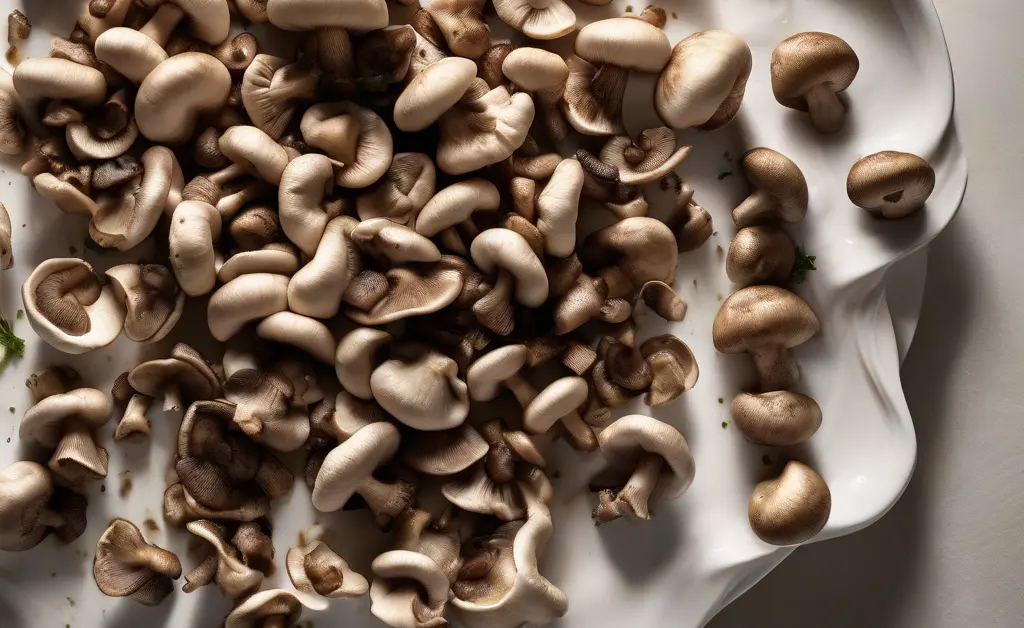
The safety of introducing new foods to infants is a top priority for parents. While cremini mushrooms can offer nutritional benefits, it’s essential to follow certain safety precautions to ensure a positive feeding experience. Understanding potential concerns and how to mitigate them is crucial when preparing a cremini mushroom for baby.
First and foremost, always ensure that mushrooms are fresh and thoroughly cleaned before cooking. Wash them gently under cool running water or wipe them with a damp cloth to remove any dirt. Always cook mushrooms completely; they should never be served raw to infants. When introducing any new food, it’s advisable to do so one at a time and wait for a few days before introducing another new food. This practice, often referred to as the “four-day rule,” can help parents identify any potential sensitivities or adverse reactions. While allergic reactions to mushrooms are not common, they can occur, so parents should be vigilant for any signs of discomfort or allergic symptoms such as hives, swelling, or digestive upset. Furthermore, due to their natural shape, mushrooms can pose a choking hazard if not prepared correctly. Ensure all pieces are cut into very small, easily chewable, or mashable forms appropriate for the baby’s age and developmental stage.
Cremini Mushroom Recipes for Babies
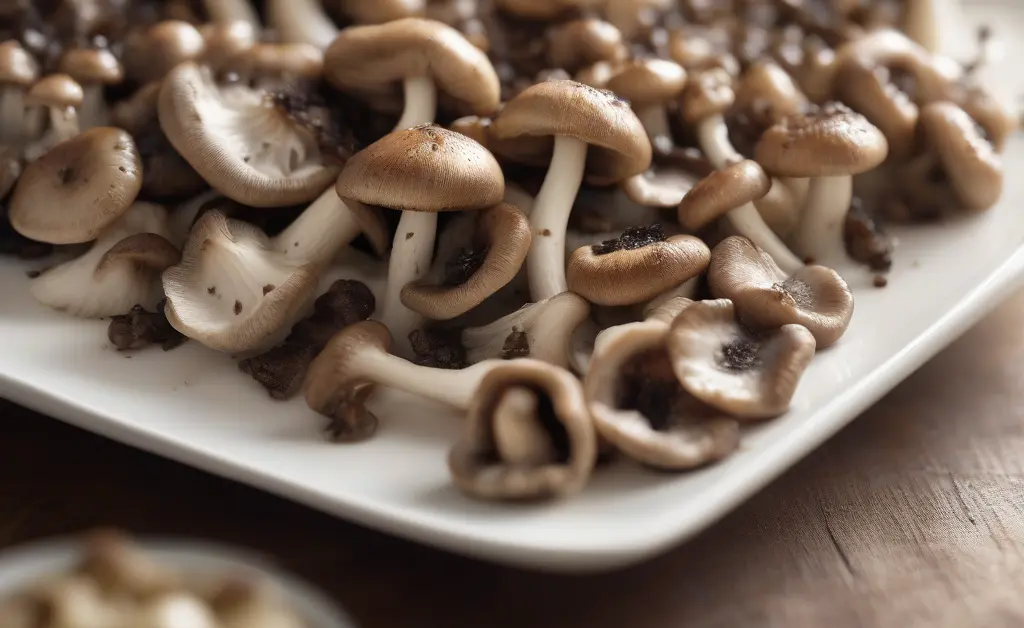
Once you are confident in your baby’s readiness and understand the necessary safety precautions, incorporating cremini mushrooms into their diet can open up a world of new flavors and textures. Developing creative and simple recipes ensures that a cremini mushroom for baby is an enjoyable and nutritious addition to their meals.
For younger infants, a simple mushroom puree can be an excellent starting point. Gently sauté washed and chopped cremini mushrooms in a little water or low-sodium vegetable broth until very tender, then blend them into a smooth consistency, adding breast milk or formula if needed to reach the desired texture. As your baby becomes more accustomed to solids, cremini mushrooms can be finely minced and added to vegetable purees, such as sweet potato, pea, or carrot, creating nutrient-dense mushroom and vegetable blends. For older babies who are practicing self-feeding, tiny, well-cooked mushroom pieces can be mixed into soft pasta dishes, rice, or scrambled eggs, ensuring they are small enough to prevent choking. Always cook mushrooms thoroughly until soft and tender, and avoid adding salt, sugar, or excessive seasonings to baby foods.
Exploring new foods with your baby is an exciting part of their early development. Cremini mushrooms offer a unique nutritional profile and can be a valuable addition to a baby’s diet when introduced thoughtfully and safely. By prioritizing proper preparation, understanding developmental readiness, and adhering to safety guidelines, parents can confidently introduce this versatile ingredient, enriching their baby’s culinary journey with diverse flavors and essential nutrients. Remember to always consult with a pediatrician before making significant changes to your baby’s diet, especially when introducing new or less common foods.
The information in this article is intended for knowledge purposes only. It is not a substitute for professional medical advice, diagnosis, or treatment. Always seek the advice of your physician or other qualified health provider with any questions you may have regarding a medical condition or before making any decisions related to your health or the health of others. Reliance on any information provided in this article is solely at your own risk.
FAQ
Are cremini mushrooms safe for babies?
Cremini mushrooms are generally considered safe for babies to consume once they have started eating solid foods, typically around 6 months of age. Ensuring mushrooms are thoroughly cooked and pureed or finely chopped helps make them easier for babies to digest and reduces any potential choking risks. As with any new food, it’s advisable to introduce them one at a time and watch for any signs of allergic reaction.
What mushrooms are best for babies?
When introducing mushrooms to babies, starting with commonly available varieties like cremini or white button mushrooms is a good approach. These mushrooms have a mild flavor and a softer texture when cooked, making them palatable for little ones. It is always important to cook mushrooms thoroughly and prepare them in an age-appropriate texture.