
How to Grow Cremini Mushrooms at Home With a Kit
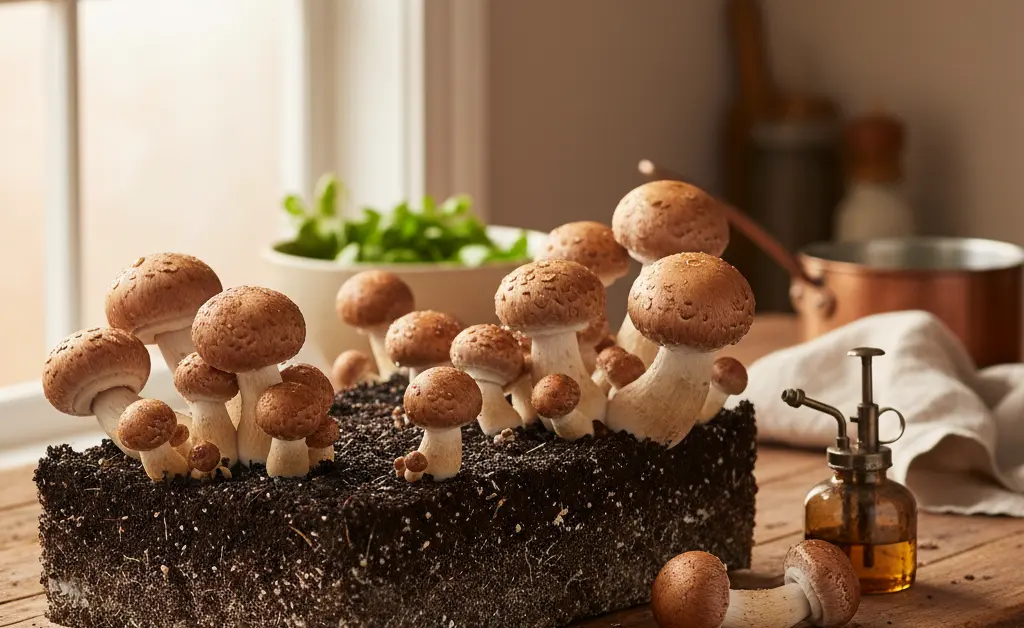
Achieving a continuous supply of fresh, organic cremini mushrooms right in your kitchen is now remarkably accessible, even for those without prior gardening experience. A cremini mushroom growing kit simplifies the cultivation process, transforming what might seem like a complex agricultural endeavor into a straightforward and immensely rewarding indoor activity. These self-contained systems provide all the necessary components to initiate mushroom growth, from the pre-inoculated substrate to clear, step-by-step instructions. This enables anyone to enjoy homegrown produce with minimal effort and without the need for extensive equipment or specialized knowledge. This guide will walk you through everything you need to know about selecting, setting up, and maintaining your kit to ensure successful harvests, demonstrating how easily you can integrate sustainable food practices into your daily life.
What is a Cremini Mushroom Growing Kit?
A cremini mushroom growing kit is a convenient, all-in-one package designed to simplify the cultivation of cremini mushrooms (Agaricus bisporus) in a home environment. Typically, these kits contain a block of sterilized substrate, such as sawdust or a blend of agricultural byproducts, already inoculated with mushroom spawn (mycelium). The mycelium, which is the vegetative part of the fungus, is dormant until activated by specific environmental conditions. These kits usually include instructions and sometimes additional components like misting bottles or humidity tents to create the ideal growing environment.
Unlike kits for more exotic fungi, cremini mushroom kits focus on this popular culinary mushroom, known for its rich, earthy flavor. They are essentially compact, self-contained fungi cultivation systems, making indoor gardening accessible to many. While similar to other mushroom kits, cremini varieties specifically target this common type. It’s worth noting that cremini mushrooms are simply young portobello mushrooms of the same species. A kit labeled for cremini or portobello cultivation will grow the same mushroom at different stages of maturity.
Learning about growing turkey tail mushroom can offer insights into different fungal cultivation techniques.
Beginner-Friendly Options
These mushroom growing kits are specifically designed for individuals with little to no prior experience in fungi cultivation or gardening. Their beginner-friendly nature stems from the pre-inoculated substrate, eliminating the complex and often sterile process of spawning. Users primarily need to provide the right environmental triggers, such as moisture and temperature, to initiate growth. This makes them an excellent entry point into the world of sustainable food practices and indoor gardening.
Ease of Use and Convenience
The core appeal of a cremini mushroom growing kit lies in its exceptional ease of use and convenience. Everything needed to start growing is contained within the box, often requiring minimal space on a countertop or shelf. The process typically involves cutting open a bag, misting regularly, and waiting for the mushrooms to appear. This “grow mushrooms in a box” concept truly requires zero specialized skills, offering a hassle-free way to produce fresh culinary mushrooms without extensive equipment or a dedicated grow room setup.
Choosing the Right Cremini Mushroom Growing Kit
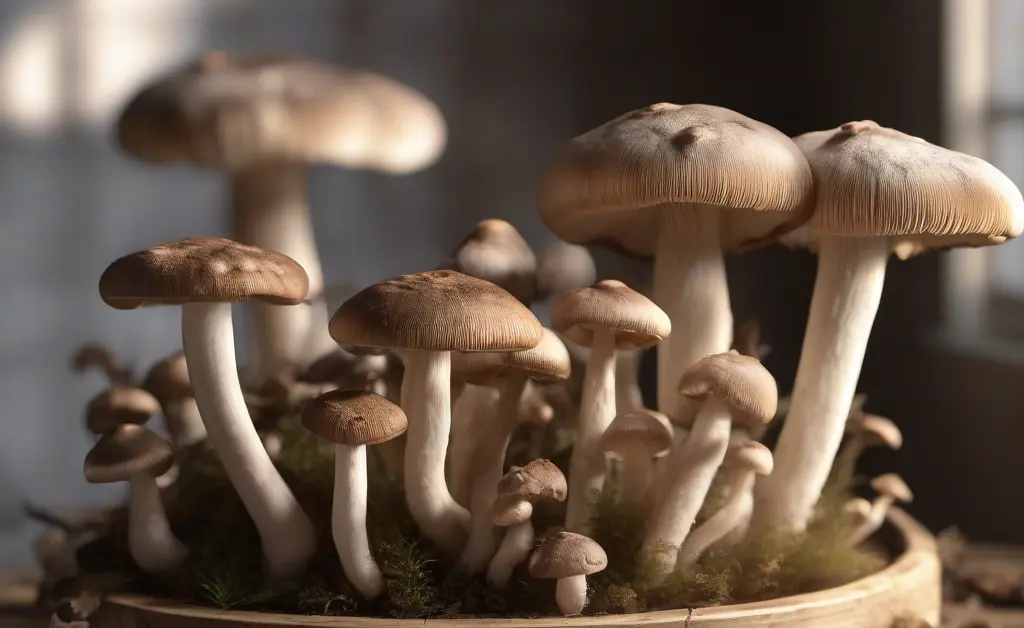
When selecting a cremini mushroom growing kit, several factors can influence your success and overall experience. Consider the reputation of the manufacturer, the quality of the substrate, and the clarity of the instructions provided. Some kits also prioritize sustainability and organic practices, which might be a deciding factor for environmentally conscious growers. Organic kits often use substrates that are certified free from pesticides and harmful chemicals, ensuring your homegrown mushrooms are as natural as possible.
Kit Size and Yield Potential
Cremini mushroom growing kits come in various sizes, each offering a different yield potential. Smaller kits might produce a single flush of mushrooms, suitable for a few meals, while larger kits can offer multiple “flushes” or harvests over several weeks, providing a more continuous supply. The expected yield is usually indicated on the packaging, often in terms of total weight. Consider how many mushrooms you anticipate using and how much space you have available before making a selection. If you’re new to the process, starting with a smaller cremini mushroom growing kit can be a good way to learn the ropes before committing to a larger setup.
For those interested in commercial ventures, understanding growing gourmet mushrooms for profit is essential.
How to Use a Cremini Mushroom Growing Kit
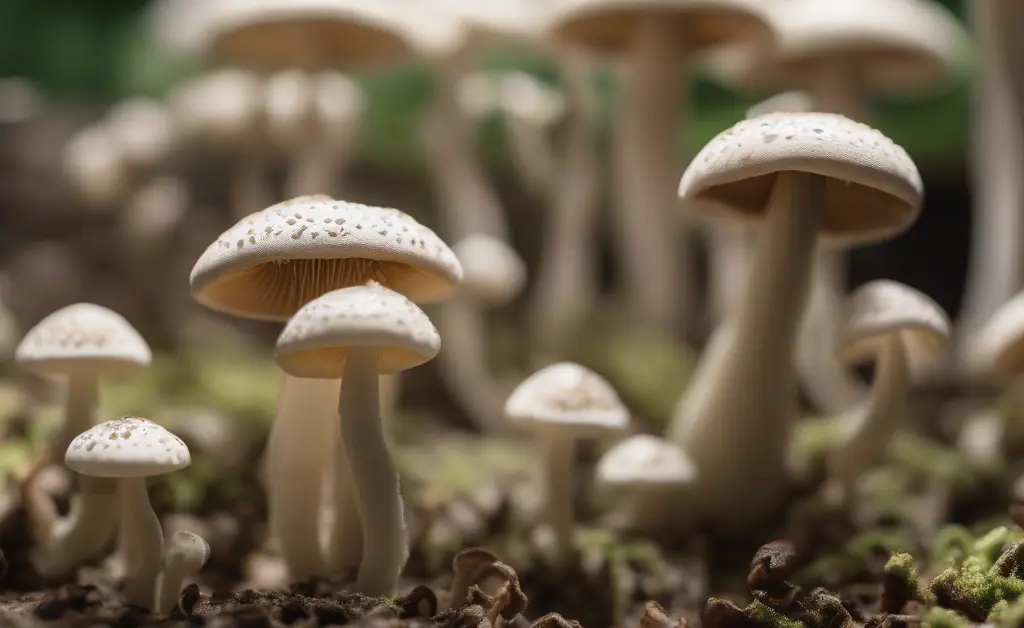
Using a cremini mushroom growing kit is a straightforward process, but attention to detail, especially regarding environmental conditions, can significantly impact your harvest. Most kits come with specific instructions, and it’s always best to follow those provided by your chosen manufacturer. Generally, the process involves activation, consistent care, and patience as the mycelium develops into edible mushrooms.
Unboxing and Setup
The first step typically involves unboxing your cremini mushroom growing kit. You’ll usually find a sealed block of substrate, often in a plastic bag or box. The instructions will guide you on how to prepare the kit for fruiting. This often includes cutting an “X” or a slit into the plastic on one or more sides of the block, exposing the mycelium to air. Some kits may require soaking the block in water for a short period to rehydrate it and stimulate the mycelium before placing it in its designated growing spot.
Environmental Conditions (Light, Humidity, Temperature)
Mushrooms require specific conditions to thrive. While cremini mushrooms can tolerate a range of environments, optimal growth occurs with indirect light, consistent humidity, and stable temperatures. Avoid direct sunlight, which can dry out the substrate. Ideal temperatures generally fall within a moderate range, often around room temperature. High humidity is crucial for mushroom development, as they are mostly water. Many kits suggest placing the block in a slightly humid environment, or providing a humidity tent, to maintain moisture levels. Globally, health organizations like the WHO provide information on safe food practices.
Watering and Misting
Consistent moisture is paramount for successful mushroom growth. The substrate should remain damp, not waterlogged. Most cremini mushroom growing kits require regular misting, often several times a day, to keep the surface of the block and any developing pins (tiny mushroom primordia) moist. Use a fine mist spray bottle with non-chlorinated water. Over-watering can lead to contamination, while under-watering will prevent growth. Observe your kit; if the surface appears dry, it likely needs more misting.
Subsequent Flushes
After your initial harvest, many cremini mushroom growing kits are capable of producing subsequent “flushes” or additional rounds of mushrooms. To encourage this, some kits suggest rehydrating the block by soaking it in water for several hours or overnight after the first harvest. This recharges the mycelium with moisture. Then, you simply return it to the growing environment and continue the misting routine. Subsequent flushes might be smaller than the first, but they offer an extended period of fresh mushroom production from a single kit, maximizing the value and enjoyment of your cremini mushroom growing kit.
Benefits of Using a Cremini Mushroom Growing Kit
Utilizing a cremini mushroom growing kit offers a multitude of advantages, transforming your kitchen into a miniature farm and providing a rewarding experience beyond just fresh food.
Fresh, Homegrown Mushrooms
The most immediate and apparent benefit is the availability of fresh, homegrown cremini mushrooms. These mushrooms often possess a superior flavor and texture compared to store-bought varieties, as they are harvested at their peak and consumed almost immediately. You also have complete control over their growth environment, ensuring they are free from unwanted chemicals or pesticides if you choose an organic kit. This provides a truly organic and sustainable food source right at your fingertips.
Educational and Fun Activity
Beyond culinary delights, a mushroom growing kit serves as an engaging educational tool and a fun activity for individuals and families alike. Watching the mycelium colonize and then “pin” and grow into full-sized mushrooms is a fascinating biological process. It offers a hands-on lesson in mycology, biology, and sustainable food production. It’s a low-effort hobby that can bring a sense of accomplishment and connect you with the natural world, even from an urban apartment.
Troubleshooting Common Cremini Mushroom Growing Issues

While a cremini mushroom growing kit simplifies cultivation, occasional issues may arise. Understanding how to troubleshoot common problems can help ensure a successful harvest. The most frequent challenges include a lack of growth, contamination, or problems with mushroom quality.
If you experience a lack of growth, first check that the environmental conditions (temperature, humidity, and light) are within the recommended range. Insufficient misting is a common culprit. If the kit appears dry or shows no signs of life after the initial setup period, re-read the instructions carefully and ensure all steps were followed. Sometimes, it just requires a bit more patience.
Contamination problems often manifest as patches of green, black, or unusual colors on the substrate, indicating mold or other fungi competing with your mushroom mycelium. This is usually due to unsterile conditions or excessive moisture without adequate air circulation. If contamination is severe, it’s generally best to discard the kit to prevent further spread. Mushroom quality issues, such as small, brittle, or deformed mushrooms, can often be traced back to insufficient humidity, inconsistent watering, or suboptimal air exchange.
Harvesting Your Cremini Mushrooms
Knowing when and how to harvest your cremini mushrooms is crucial for optimal flavor and to encourage subsequent flushes. Cremini mushrooms are typically ready for harvest when their caps have fully expanded but before the veil (the membrane connecting the cap to the stem) has fully broken, revealing the gills. At this stage, they are firm and have a rich, earthy aroma. To harvest, gently twist each mushroom off the substrate at its base, or use a clean, sharp knife to cut the stem as close to the block as possible. Avoid pulling too hard, as this can damage the mycelium and reduce the chances of future growth. Regular harvesting also helps prevent the mushrooms from over-maturing and releasing spores, which can sometimes signal the end of the flush for the cremini mushroom growing kit.
For those looking for alternatives, consider sourcing button mushroom seeds, though these are not typically how mushrooms are cultivated.
Where to Buy a Cremini Mushroom Growing Kit
Finding a quality cremini mushroom growing kit is easier than ever, with numerous options available both online and in physical stores. The accessibility of these kits makes starting your home cultivation journey incredibly convenient.
Online retailers are a popular choice, offering a wide selection from various brands. Websites like Amazon, Etsy, and specialized gardening or mycology stores provide detailed descriptions, customer reviews, and often competitive pricing. This allows you to compare different cremini mushroom growing kit options and have them delivered directly to your door.
Specialty gardening stores, local nurseries, and even some health food stores may carry mushroom growing kits, including those for cremini varieties. Purchasing from a local store allows you to see the product in person and ask questions to knowledgeable staff. Direct from manufacturers is another excellent option. Many companies that specialize in mushroom cultivation sell their kits directly through their websites, often providing the freshest stock and expert customer support. Regardless of where you choose to purchase your cremini mushroom growing kit, ensure the seller has a good reputation and offers clear instructions and support for their products.
When you are ready to start a new cultivation project, look for reliable button mushroom spawn.
Embarking on the journey of growing your own cremini mushrooms at home with a kit is a rewarding experience that combines the joy of gardening with the satisfaction of fresh, homegrown food. From selecting the right kit to mastering environmental conditions and harvesting your bountiful flushes, the process is accessible and enjoyable. The simplicity and convenience of these kits make them an ideal choice for anyone looking to add a sustainable and delicious element to their kitchen, proving that gourmet mushrooms can indeed be a staple of your home-cooked meals.
This article is meant for general informational use and awareness. It is not intended to provide specific advice for individual situations. Always follow the instructions provided with your specific cremini mushroom growing kit for best results. If you have any concerns about growing or consuming mushrooms, please consult a relevant expert or mycologist. The information provided is for educational purposes and should not be taken as professional guidance.
FAQ
How long does it take for a cremini mushroom growing kit to produce mushrooms?
The fruiting period for a cremini mushroom growing kit typically begins within one to three weeks after the initial setup. This timeframe can vary based on factors like environmental conditions and how consistently the kit is maintained. Patience is key, as the mushrooms need time to develop from pinheads to harvestable size.
What are the best conditions for growing cremini mushrooms in a kit?
Cremini mushrooms thrive in environments with consistent humidity, moderate temperatures, and indirect light. Maintaining a humid microclimate, often achieved by misting regularly, is crucial for successful fruiting. Slightly cooler room temperatures are generally preferred over very warm conditions.
Can you regrow mushrooms from a kit?
Yes, it is often possible to achieve a second or even third harvest from a used mushroom growing kit. After the first flush of mushrooms is picked, continuing to maintain appropriate humidity and temperature can encourage the mycelium to produce more mushrooms. Providing adequate rest and moisture between harvests is important for subsequent yields.