
German Translations for the Cremini Mushroom
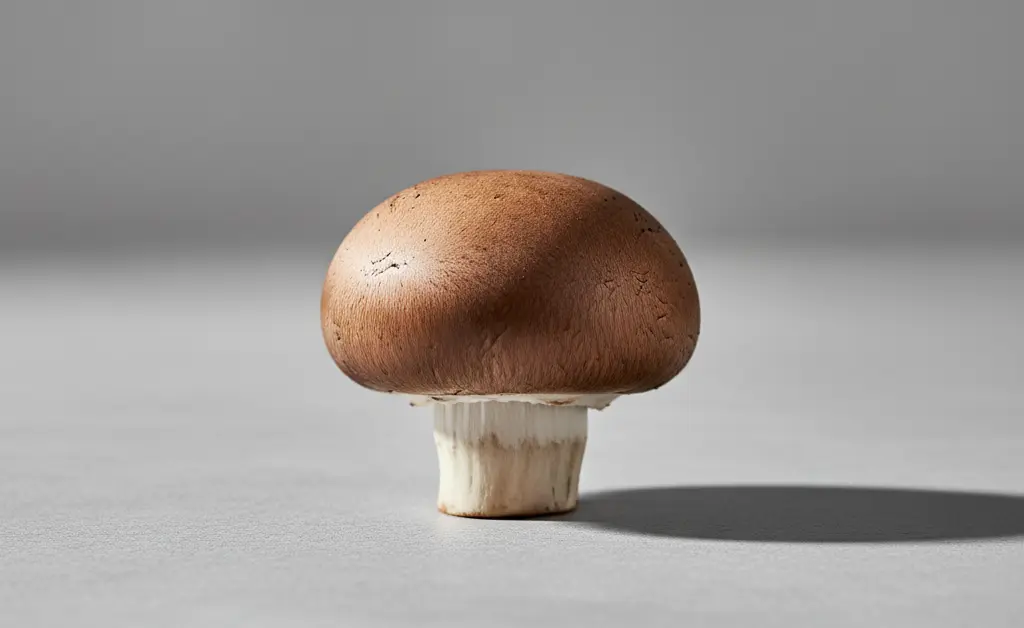
When venturing into international culinary landscapes or exploring global markets, a common question often arises: how are familiar ingredients referred to in different languages? The cremini mushroom, a widely appreciated and versatile fungus frequently incorporated into diverse dishes worldwide, presents an interesting case in point, as its nomenclature can vary significantly by region. For culinary enthusiasts, travelers, and home cooks seeking authenticity, knowing these specific terms is invaluable. This guide aims to demystify what a cremini mushroom in German is precisely called, offering clarity for those navigating German recipes, dining experiences, or fresh produce sections in a German Wochenmarkt. We will explore its common appellations and how to distinguish it within the rich tapestry of German fungal varieties, ensuring your culinary explorations are both accurate and flavorful.
Cremini Mushroom in German: Names and Translations
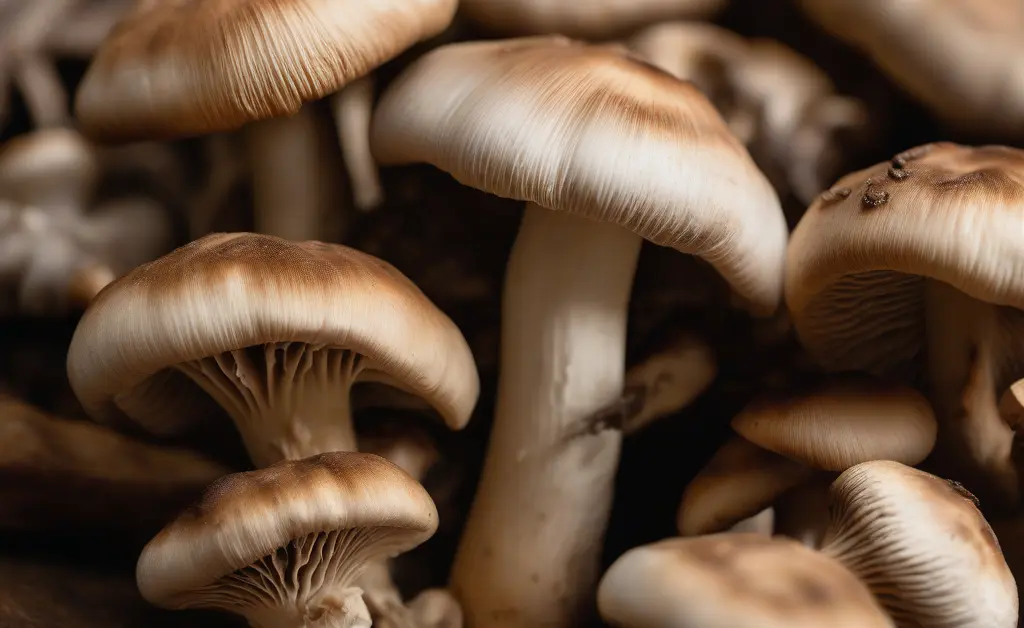
Understanding the proper terminology for a cremini mushroom in German is essential for anyone exploring German cuisine or shopping in German markets. In Germany, the general term for any button-like cultivated mushroom is “Champignon.” However, to specifically refer to the cremini, which is characterized by its light brown cap and firmer texture compared to the white button mushroom, the most accurate and commonly used German term is “Brauner Champignon.” This directly translates to “brown mushroom” or “brown button mushroom,” clearly indicating its distinct color. The [cremini mushroom](/cremini-mushroom-l-g) is a popular choice in many cuisines.
Another, less common, but sometimes encountered term for a type of brown mushroom is “Egerling.” While “Egerling” can refer to certain brown-capped fungi, “Brauner Champignon” remains the go-to phrase for what is known as a cremini in English-speaking countries. When encountering a recipe or a market stall, asking for a “Brauner Champignon” will ensure you receive the desired mushroom, which is the same species as the white button mushroom (Agaricus bisporus) but harvested at a slightly later stage, resulting in a more developed flavor and texture.
Common German Names for Cremini
As established, “Brauner Champignon” is the most direct and widely understood term for the cremini mushroom in German-speaking regions. This designation helps differentiate it from its paler counterpart, the “Weißer Champignon” (white button mushroom). While both are versatile in the kitchen, the brown variety often boasts a deeper, earthier flavor profile, making it a preferred choice for dishes where a more robust mushroom taste is desired. For those wondering how to say “button mushroom” in German more broadly, “Champignon” alone usually suffices, but for the specific brown variety, adding “Brauner” is key.
In some contexts, particularly in culinary circles that appreciate precise mushroom identification, the term “Steinchampignon” might also be heard. This term generally refers to a firm, often wilder-looking brown mushroom, and while it shares characteristics with the cremini, “Brauner Champignon” remains the more common and precise translation for the cultivated cremini available in most stores. Familiarity with these terms empowers cooks and shoppers to confidently navigate German food culture. For information on other mushroom types in different languages, explore [turkey tail mushroom in different languages](/turkey-tail-mushroom-in-different-languages).
Distinguishing Cremini from Other Mushrooms in German Markets
When searching for a cremini mushroom in German markets, specifically a “Brauner Champignon,” several visual cues can help you identify it amidst the array of other fungal varieties. Look for mushrooms with a firm, uniformly light to dark brown cap. Unlike the white button mushroom, which is pure white, or the larger Portobello, which is essentially a fully mature cremini, the “Brauner Champignon” will be medium-sized with a distinct brownish hue. The gills underneath the cap will also typically be darker than those of a white button mushroom.
German markets, known as “Wochenmärkte,” often display a rich selection of fresh produce, including a variety of cultivated and wild mushrooms. Beyond the “Brauner Champignon,” you might encounter “Austernpilze” (oyster mushrooms), “Shiitake,” and seasonal wild mushrooms like “Pfifferlinge” (chanterelles) or “Steinpilze” (porcini). When selecting fresh mushrooms, regardless of type, always look for firm caps, absence of sliminess or dark spots, and fresh-smelling earthy aroma. Avoid any mushrooms that appear shriveled or have a strong, unpleasant odor. Most German supermarkets and organic food stores (“Bio-Märkte”) will clearly label their “Brauner Champignon” alongside other fresh produce, making it straightforward to find the specific mushrooms you need for your cooking. For reliable health information, you can consult the [National Institutes of Health](https://www.nih.gov).
Cremini Mushroom in German Recipes
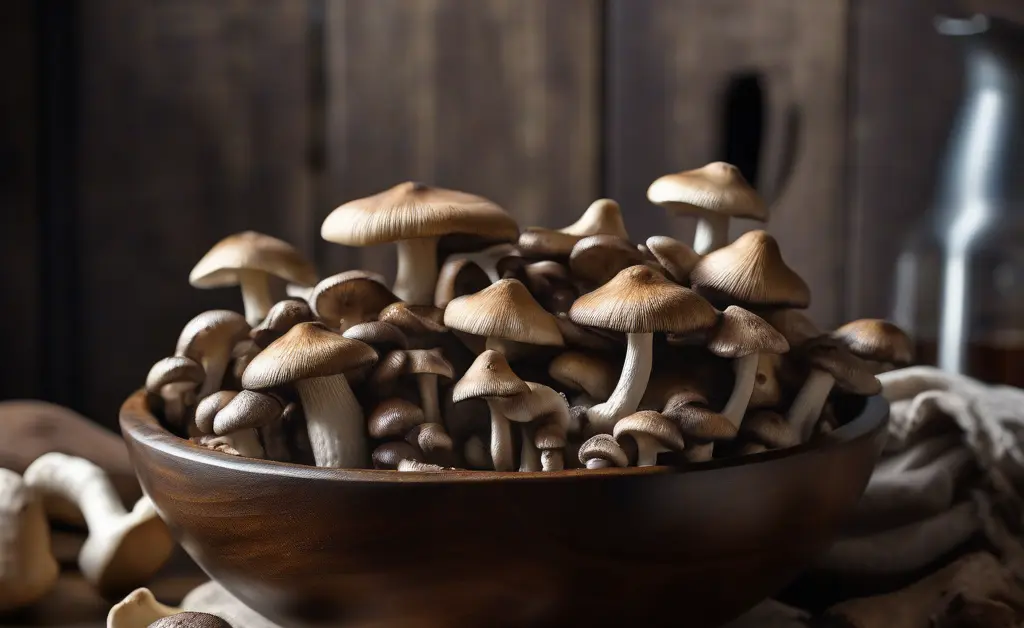
The versatility of the cremini mushroom in German cuisine is quite pronounced, lending itself well to a wide array of dishes, much like in other culinary traditions. While “Braune Champignons” might not always be explicitly called out in older traditional German recipes that might simply state “Pilze” (mushrooms), modern German cooking embraces the distinct flavor profile these brown button mushrooms offer. They are frequently used in rich stews, savory sauces for meats, and hearty vegetable pan-fries. Their robust, earthy taste stands up well to stronger flavors and contributes a satisfying umami depth to dishes.
Many German mushroom dishes feature “Braune Champignons” either as a central ingredient or as a supporting element. Think of classic “Rahmchampignons” (mushrooms in cream sauce), often served with schnitzel or roasted meats, where the cremini’s texture and flavor shine. They are also excellent in “Pilzpfanne” (mushroom pan-fry) with onions and herbs, or as a flavorful addition to “Knödel” (dumplings) or “Spätzle” (German egg noodles). When buying and storing “Braune Champignons” in Germany, look for pre-packaged options or loose mushrooms in the fresh produce section. Store them in a paper bag in the refrigerator to allow them to breathe and prevent moisture build-up, which can lead to spoilage.
Cremini mushroom in german pasta
The integration of “Brauner Champignon” into pasta dishes, while not traditionally German, is a popular culinary fusion that German home cooks and restaurants frequently embrace. Pasta with mushrooms is a beloved meal across Europe, and the cremini’s firm texture and rich flavor make it an ideal choice for a variety of sauces. For a simple yet flavorful dish, “Braune Champignons” can be sautéed with garlic, onions, and fresh parsley, then tossed with pasta and a drizzle of olive oil or a knob of butter. Their earthiness pairs wonderfully with the comforting warmth of pasta. You can also find the cremini mushroom in Japanese cuisine by looking for [cremini mushroom in Japanese](/cremini-mushroom-in-japanese).
For a richer experience, a cream-based sauce featuring “Braune Champignons” is a common preparation. This involves simmering the sautéed mushrooms in a white wine or vegetable broth base, then enriching it with cream or crème fraîche, seasoned with black pepper and perhaps a touch of nutmeg. This type of mushroom pasta dish can be a vegetarian main course or a hearty side. Furthermore, cremini mushrooms are often included in vegetarian Bolognese sauces or baked pasta casseroles, adding a substantial, meaty texture that is highly valued in plant-forward cooking. The “Brauner Champignon” truly elevates these dishes, providing a depth of flavor that complements many pasta preparations.
Navigating the culinary world, especially when it involves different languages, can be a delightful adventure. Understanding that the cremini mushroom in German is most accurately identified as a “Brauner Champignon” opens up a new realm of authentic German recipes and market discoveries. Whether you’re seeking to replicate a German dish at home or simply wish to communicate effectively in a German market, knowing these specific terms will enhance your culinary journey, allowing you to fully appreciate the rich flavors and traditions of German cuisine. For those interested in East Asian culinary terms, the [cremini mushroom in Chinese](/cremini-mushroom-in-chinese) is also an interesting topic.
The information in this article is intended for knowledge purposes only. It is presented for general understanding and informational context regarding culinary terms and ingredient identification. This content is not intended to provide professional advice or substitute for expert guidance in any specific field. Readers should always consult with appropriate professionals for specific concerns or information.