
Understanding Cremini Mushroom Mycelium
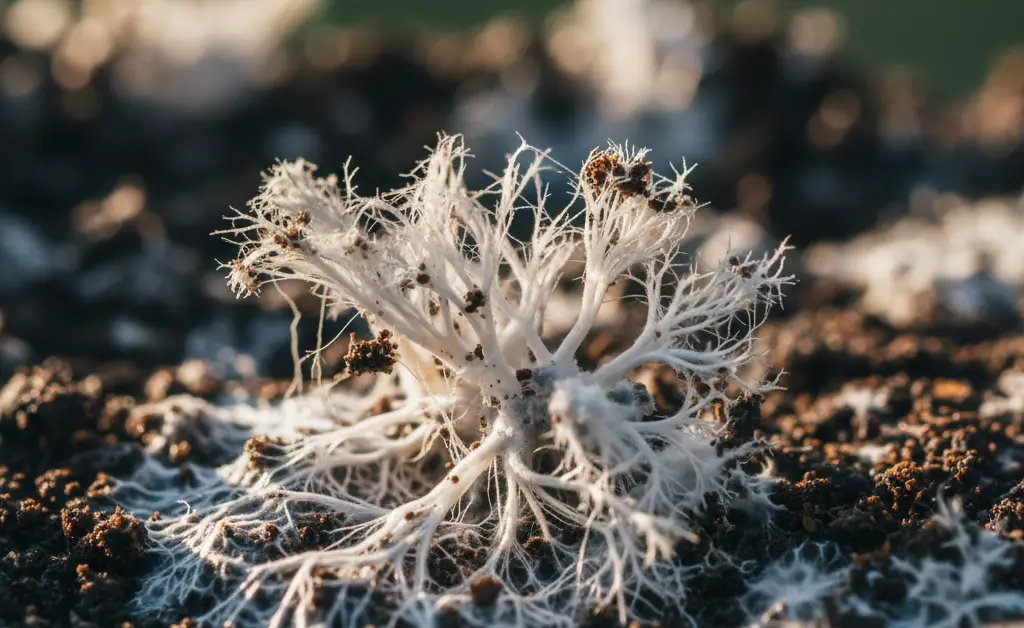
Many people are familiar with the delicious cremini mushroom on their plate, yet few realize the complex biological network responsible for its existence. Beyond the visible fruiting body lies a crucial, often unseen, component that drives its growth and development. Understanding this fundamental structure is essential for successful cultivation, whether you’re a curious home gardener or a professional mycologist. This article provides a comprehensive exploration of cremini mushroom mycelium, detailing its definition, characteristics, and indispensable role in the mushroom life cycle. We will examine how this intricate network functions as the organism’s ‘root system,’ absorbing nutrients, colonizing substrates, and ultimately leading to the bountiful harvest we enjoy.
What is Cremini Mushroom Mycelium?
Definition and Characteristics
Mycelium refers to the vegetative part of a fungus, consisting of a mass of branching, thread-like hyphae. In the case of cremini mushrooms, this intricate network is primarily responsible for nutrient absorption and substrate colonization. Visually, cremini mushroom mycelium often appears as a white, fuzzy, or cobweb-like growth that spreads across and within its growing medium. These delicate threads work tirelessly, secreting enzymes to break down complex organic materials into simpler compounds, which are then absorbed to fuel the fungus’s growth and development. It’s the foundational stage that precedes the formation of the mushroom itself.
What is Cremini Mushroom Spawn?
Cremini mushroom spawn is essentially a growing medium (such as grain, sawdust, or wood chips) that has been fully colonized by cremini mushroom mycelium. It serves as the “seed” for mushroom cultivation, containing the living fungal culture needed to inoculate a larger substrate. Instead of using spores directly, which can be a more challenging and slower process, cultivators use spawn to introduce a robust, actively growing mycelial network to their chosen substrate. This significantly speeds up the colonization process and increases the likelihood of a successful crop, acting as a powerful starter for a new generation of fungi.
The Role of Mycelium in Cremini Mushroom Growth
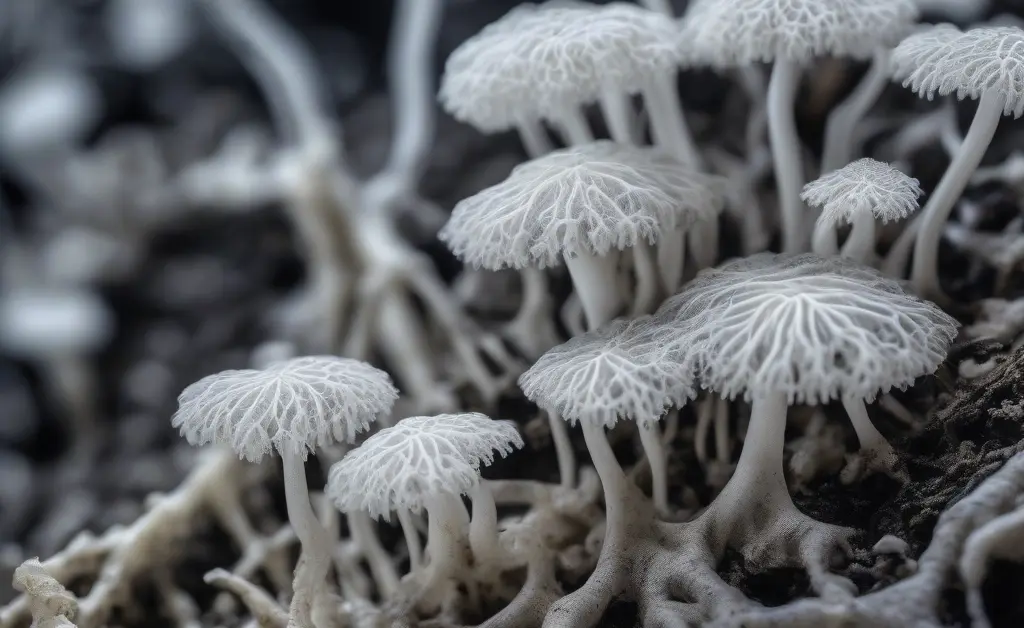
Mycelium as the ‘Root System’ of Mushrooms
The mycelial network functions much like the root system of a plant, but with unique fungal adaptations. While roots anchor plants and draw water and minerals from the soil, mycelium extends through its substrate, acting as a vast digestive and absorptive organ. It explores its environment, searching for nutrients, and forms the structural basis from which the fruiting body will eventually emerge. Without a healthy and extensive mycelial network, the mushroom would not be able to develop or sustain itself.
Nutrient Absorption and Transport
One of the primary roles of mycelium is the efficient absorption and transport of nutrients. The hyphae secrete extracellular enzymes directly into the substrate. These enzymes break down complex organic matter—like lignin and cellulose found in wood or straw—into simpler sugars and other compounds. The mycelium then absorbs these smaller molecules, distributing them throughout the network to support the growth of the entire organism, including the eventual formation of mushroom growth. For insights into fungal research, explore resources from the NIH.
Colonization of Substrate
Once introduced to a suitable growing medium, the mycelium begins the vital process of colonization. This involves the hyphae rapidly spreading and intertwining throughout the substrate, forming a dense, interconnected web. Successful colonization is crucial because it ensures that the mycelium has access to sufficient nutrients and moisture to support the subsequent stages of mushroom development. A fully colonized substrate signals that the fungus has established its territory and accumulated the resources needed for fruiting.
Inoculation Process
The inoculation process is the deliberate act of introducing cremini mushroom mycelium, typically in the form of spawn, into a prepared substrate. This is a critical step in cultivation, ensuring that the desired fungal species begins to colonize the medium. Whether using grain spawn, sawdust spawn, or liquid culture, the goal is to evenly distribute the mycelial starter throughout the substrate. Proper inoculation sets the foundation for vigorous growth and is a key factor in the success of any cremini mushroom mycelium project.
Incubation and Colonization Conditions
After inoculation, the substrate needs a period of incubation, during which the mycelium grows and colonizes the entire medium. Optimal conditions for this stage typically involve specific temperature ranges, adequate humidity, and often darkness. These controlled environmental factors encourage the mycelium to spread vigorously without competition from other microorganisms. Maintaining sterility and consistent conditions throughout incubation is paramount to achieving full and healthy colonization, preparing the substrate for the subsequent fruiting phase.
Troubleshooting Common Mycelium Issues
Cultivators may encounter various issues during the mycelial growth phase. Common problems include contamination by molds (often green or black), bacteria (which may manifest as slimy or foul-smelling patches), or stalled mycelial growth. Proper sterilization of the substrate, maintaining sterile inoculation techniques, and controlling environmental factors are essential preventive measures. Addressing issues promptly, such as isolating contaminated batches, can help preserve the integrity of the overall cultivation effort and ensure successful mushroom development.
Benefits of Cremini Mushroom Mycelium
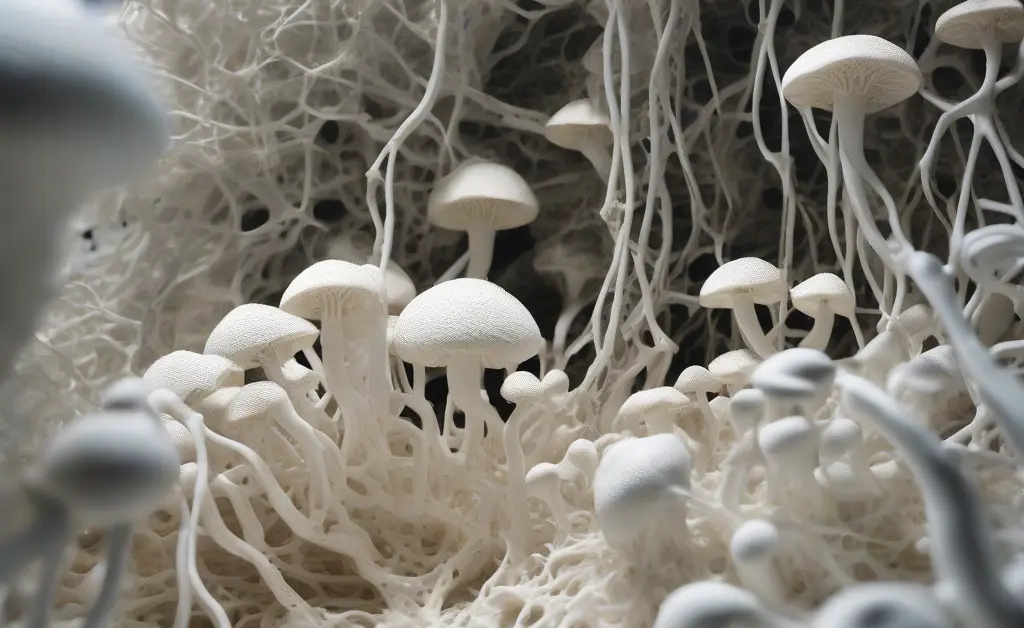
The robust nature of cremini mushroom mycelium makes it a cornerstone of successful cultivation. Its ability to efficiently break down organic matter and colonize substrates offers significant advantages for cultivators seeking reliable harvests. Beyond its foundational role in producing fruiting bodies, exploring the nuances of cremini mushroom mycelium offers insights into sustainable agricultural practices and the broader ecological benefits fungi provide. Understanding the life cycle from this perspective can also inform discussions around potential health benefits associated with the mushroom itself, or ecological advantages of its growth. The successful establishment of a strong mycelial network is the ultimate aim, as it directly leads to Fruiting Body Formation, which is the desired outcome for most cultivators, whether they are working with a basic Cremini Mushroom Growing Kit or engaging in more complex cultivation methods.
Sourcing Cremini Mushroom Spawn
Sourcing high-quality cremini mushroom spawn is a critical first step for any cultivation project. Reliable suppliers provide spawn that is vigorous, free from contamination, and derived from genetically stable strains. It is advisable to purchase from reputable vendors who specialize in mushroom cultivation supplies. Checking reviews and understanding the type of spawn (e.g., grain, sawdust, plug) suitable for your chosen cultivation method can help ensure you begin with a strong, healthy mycelial culture ready for colonization.
Preparing the Substrate
Preparing the substrate correctly is vital for successful cremini mushroom cultivation. The choice of substrate can vary, but common options include supplemented sawdust, straw, or compost. The preparation process typically involves hydrating the chosen material to the correct moisture content, followed by sterilization or pasteurization. Sterilization (using a pressure cooker or autoclave) eliminates all microorganisms, while pasteurization reduces competitor organisms, creating an ideal environment for the cremini mushroom mycelium to thrive without competition. Choosing the right mushroom substrate for cremini is essential for optimal growth. For those interested in commercial ventures, learning about growing gourmet mushrooms for profit can be highly beneficial.
Cremini Mushroom Mycelium vs. Other Mushroom Mycelia
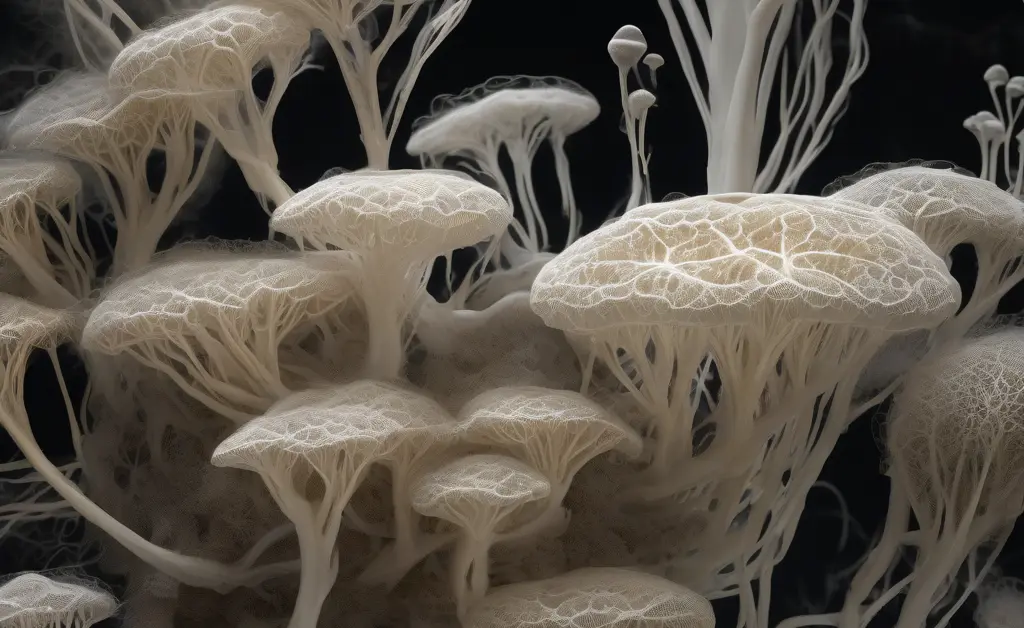
While all mushroom mycelia share fundamental characteristics—being networks of hyphae responsible for nutrient absorption and colonization—there are subtle differences between species. Cremini mushroom mycelium, from the species Agaricus bisporus, exhibits specific growth habits and preferences compared to, for instance, oyster mushroom or shiitake mushroom mycelia. These differences often relate to their preferred substrate, optimal temperature and humidity for colonization, and growth speed. For example, some mycelia grow more vigorously on wood, while others prefer compost or straw. When considering cultivating white button, portobello, and cremini mushrooms, it’s important to remember they are all varieties of the same species, meaning their mycelial characteristics are fundamentally similar, albeit with minor variations in ideal growth conditions or speed depending on the specific strain. Understanding these nuances can inform cultivation practices and help explain variations in nutritional profiles or Differences in Growth Habits among different species of fungi.
The intricate world of cremini mushroom mycelium is a testament to the hidden complexities that underpin our natural world and agricultural systems. From its delicate thread-like structure to its powerhouse role in nutrient cycling and substrate colonization, mycelium is the unsung hero behind every cremini mushroom. Successful cultivation hinges on a deep understanding and careful management of this vital biological network. As we continue to explore the potential of fungi, recognizing and nurturing the mycelial stage remains paramount for both commercial growers and enthusiastic home cultivators alike, ensuring a continuous supply of these popular and versatile mushrooms. For those looking to explore other species, information on growing turkey tail mushroom may be of interest.
The purpose of this content is to educate, not to diagnose or treat. This article provides general information about cremini mushroom mycelium and cultivation practices. It is not intended to be a substitute for professional advice regarding health, dietary choices, or medical conditions. Always consult with qualified professionals for specific guidance related to your health or any medical concerns.
FAQ
What does cremini mushroom mycelium look like?
Cremini mushroom mycelium appears as a network of fine, white, thread-like structures called hyphae. These hyphae branch out and grow together, forming a dense, cottony or fuzzy mass that spreads through a substrate. It is the vegetative part of the fungus, hidden from view when mushrooms fruit.
Can you grow mushrooms from mycelium?
Yes, mushrooms are cultivated from mycelium. Mycelium acts as the root system of the fungus, and when provided with the right conditions and nutrients, it will expand and eventually produce the fruiting bodies we recognize as mushrooms. This process is fundamental to mushroom farming.
How long does cremini mushroom mycelium take to grow?
The growth rate of cremini mushroom mycelium is influenced by environmental factors like temperature and humidity, as well as the nutrient availability in its growing medium. Under optimal conditions, colonization by mycelium can take anywhere from one to several weeks before it is ready for the next stage of growth.
What is the difference between mushroom spawn and mycelium?
Mushroom spawn refers to a substrate that has been fully colonized by mycelium, essentially serving as a starter culture for growing mushrooms. While mycelium is the actual fungal network, spawn is the material containing that network, prepared and ready to inoclate a larger growing medium.