
High-Performance Cremini Spawn for Commercial Grows
For home growers and commercial cultivators alike, mastering the initial stages of mushroom cultivation is key to a bountiful harvest. The foundation of any successful cremini mushroom grow lies in the quality of its spawn. This foundational material, essentially a substrate inoculated with mushroom mycelium, dictates the vigor and yield of your fungal crop. Selecting the appropriate cremini mushroom spawn ensures robust growth, consistent fruiting, and a delicious culinary outcome. This guide delves into everything you need to know about selecting, using, and even making your own spawn, providing essential insights for cultivating these popular, earthy mushrooms.
What is Cremini Mushroom Spawn?
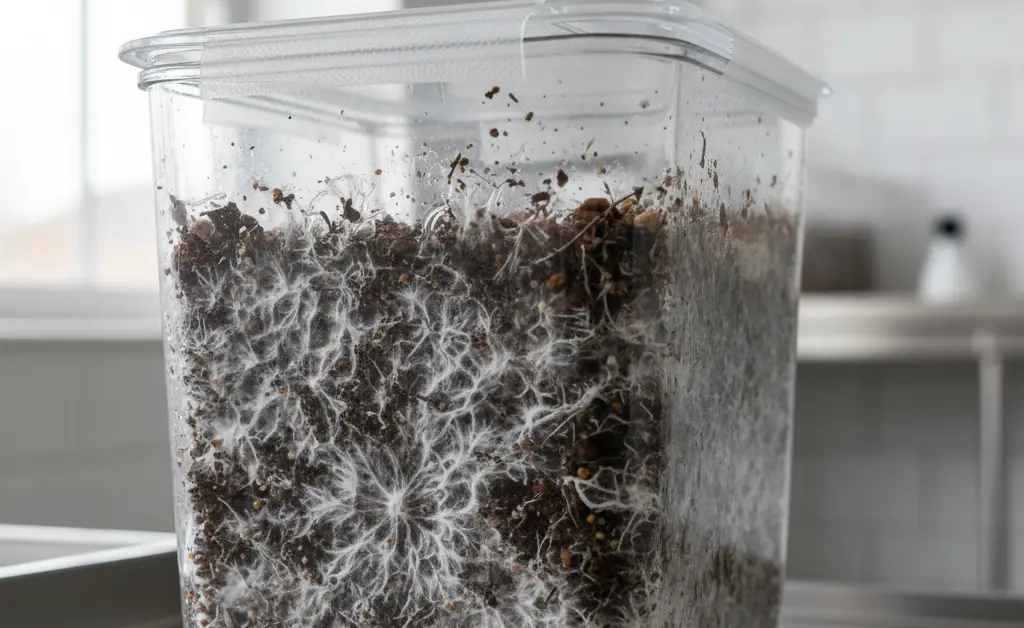
Cremini mushroom spawn represents the starting point for any successful mushroom cultivation project. It is essentially a living culture of mushroom mycelium, grown on a sterilized substrate. This mycelium is the vegetative part of the fungus, a network of fine white filaments that acts as the root system of the mushroom. The quality of this initial culture is paramount, as it directly influences the health, vigor, and productivity of your mushroom crop.
Definition and Composition
At its core, mushroom spawn consists of a grain, sawdust, or other organic material that has been thoroughly sterilized and then inoculated with the desired mushroom culture. For cremini mushrooms, this means introducing specifically selected strains of Agaricus bisporus mycelium. The mycelium colonizes the substrate, consuming its nutrients and forming a dense, resilient network. This colonized substrate is then ready to be transferred to a larger growing medium, such as compost or supplemented sawdust blocks, where it will eventually produce mushrooms.
Role in Mushroom Cultivation
The primary role of cremini mushroom spawn is to introduce viable mycelium into a prepared growing substrate. It acts as the “seed” for your mushroom farm. High-quality spawn ensures that the mycelium is strong, healthy, and aggressive, allowing it to quickly colonize the new substrate and outcompete any potential contaminants. This initial colonization phase is critical for establishing a robust fungal network that will later support the development and fruiting of the cremini mushrooms.
Understanding Mushroom Spawn Types
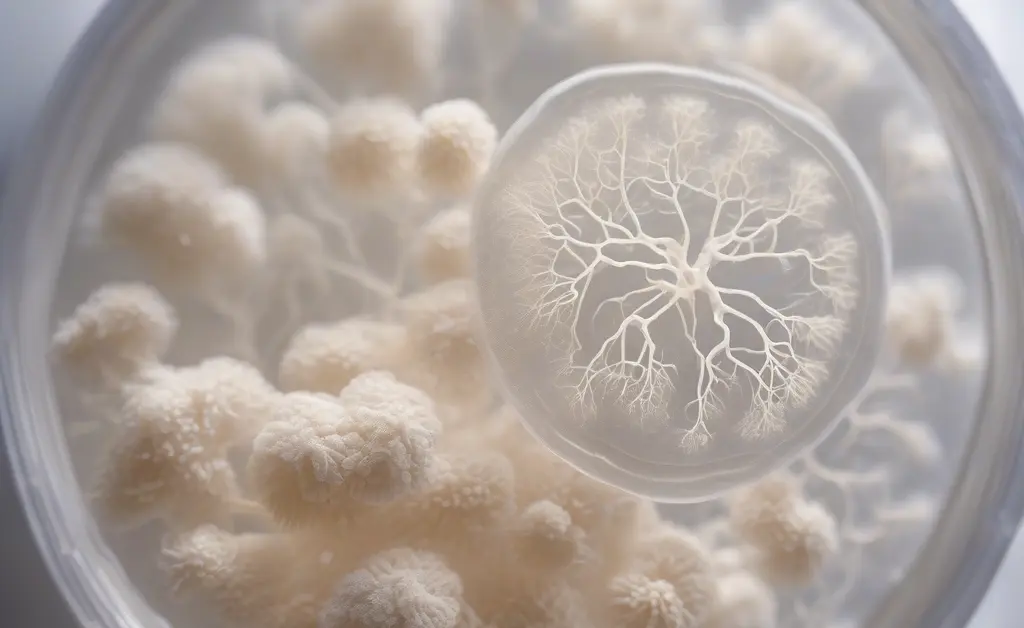
Various types of mushroom spawn are available, each with specific advantages depending on the scale of cultivation, the substrate being used, and the species of mushroom. Understanding these differences is crucial for selecting the most effective starting material for your cremini mushroom cultivation efforts.
Grain Spawn
Grain spawn is one of the most popular and versatile types of mushroom spawn, widely used by both commercial growers and hobbyists. It typically consists of sterilized cereal grains like rye, wheat, millet, or sorghum, which are inoculated with mushroom mycelium. The grains provide a nutrient-rich and easily digestible food source for the mycelium, leading to rapid and vigorous colonization. Grain spawn is excellent for expanding mycelium into bulk substrates, making it a common choice for initial inoculations. Learning about growing turkey tail mushroom can provide insights into different spawn uses.
Sawdust Spawn
Sawdust spawn is created by inoculating sterilized hardwood sawdust with mushroom mycelium. It is often supplemented with nutritional additives like bran to boost growth. This type of spawn is particularly well-suited for inoculating sawdust blocks, logs, or other woody substrates. Sawdust spawn is known for its durability and is a preferred choice for species that naturally grow on wood, offering a more robust and contaminant-resistant starting material once colonized.
Liquid Culture
Liquid culture consists of mushroom mycelium suspended in a nutrient-rich liquid solution, typically a mixture of water and sugars. This method allows for rapid mycelial growth and provides a highly active inoculum. Liquid cultures can be injected directly into sterilized substrates or used to inoculate grain spawn, offering a clean and efficient way to expand cultures. Its primary advantage lies in its quick colonization time and ease of dispersal, though it requires sterile techniques to prevent contamination.
Growing Cremini Mushrooms with Spawn
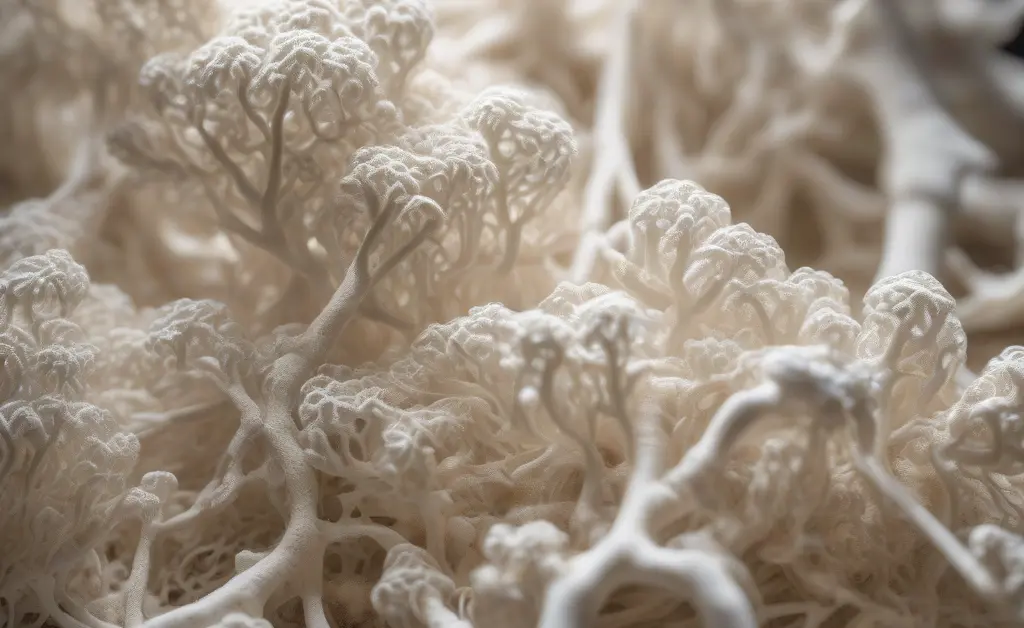
Successfully cultivating cremini mushrooms from spawn involves several key stages, each requiring attention to detail to ensure optimal growth and yield. The quality of your cremini mushroom spawn will significantly influence the success of these stages. Understanding the cremini mushroom life cycle is crucial for successful cultivation.
Inoculating Substrates
Inoculation is the process of introducing the mushroom spawn into a prepared growing medium, known as the substrate. For cremini mushrooms, common substrates include pasteurized compost, supplemented sawdust, or straw. The spawn is mixed thoroughly with the substrate, ensuring an even distribution of mycelium. This step is often performed in a clean, sterile environment to minimize the risk of contamination from competing molds or bacteria.
Incubation Process
After inoculation, the substrate needs to be incubated in a dark, warm, and humid environment. During this phase, the mycelium from the cremini mushroom spawn grows out from the individual particles and colonizes the entire substrate. This process, known as colonization or spawn run, can take several weeks, depending on the substrate, spawn density, and environmental conditions. Proper temperature and humidity are crucial to encourage vigorous mycelial growth while discouraging contaminants.
Fruiting Conditions
Once the substrate is fully colonized, it is exposed to specific environmental conditions to trigger the formation of mushrooms, known as fruiting. This typically involves reducing the temperature, increasing humidity, and introducing fresh air exchange. These environmental cues signal to the mycelium that it is time to produce its reproductive structures – the cremini mushrooms. Consistent monitoring of these conditions is essential for successful and abundant harvests.
Finding a Cremini Mushroom Grow Kit
For those new to mushroom cultivation or seeking a convenient growing experience, a cremini mushroom grow kit offers an excellent entry point. These kits typically come with a pre-colonized substrate block, ready to fruit with minimal effort. They simplify the initial, more complex stages of cultivation, such as sterilization and inoculation, allowing growers to focus on maintaining the ideal fruiting environment. Grow kits are a fantastic way to experience the entire mushroom lifecycle and enjoy fresh cremini mushrooms at home without needing to source individual components like cremini mushroom spawn and substrates. Many regions offer specialized kits, such as a turkey tail mushroom grow kit UK, which demonstrate the variety available.
Making Your Own Mushroom Spawn at Home

Creating your own mushroom spawn can be a rewarding and cost-effective way to scale up your mushroom cultivation. While it requires a sterile environment and careful technique, it offers greater control over the quality and genetics of your starting material. The process typically involves sterilizing a substrate, such as grain or sawdust, and then introducing a pure culture of mushroom mycelium, often sourced from a petri dish or liquid culture syringe. Strict sterilization protocols are essential to prevent contamination, which can easily ruin a batch of homemade spawn. With practice, home growers can produce high-quality cremini mushroom spawn, enabling larger and more frequent harvests. Similar principles apply when considering a turkey tail mushroom kit Australia.
Cremini Mushroom Spawn for Sale
For those looking to cultivate cremini mushrooms, readily available cremini mushroom spawn provides a reliable and efficient starting point. Numerous suppliers offer a variety of spawn types, catering to different cultivation methods and scales. When sourcing, it’s important to consider the supplier’s reputation, the freshness of the spawn, and the specific strain of cremini mushroom offered. High-quality spawn from a reputable vendor ensures vigorous mycelial growth and a greater chance of a successful harvest, making it a critical purchase for any grower. It is also important to follow food safety guidelines, such as those provided by the FDA.
Where to Buy Cremini Mushroom Spawn
Cremini mushroom spawn can be purchased from various sources, ranging from specialized mycological supply companies to local agricultural stores. Online retailers often provide the widest selection of strains and spawn types, along with detailed product information and customer reviews. For larger commercial operations, direct contact with spawn laboratories can ensure access to bulk quantities and specific genetic lines. Exploring different options allows growers to find the best match for their specific needs and budget.
Reputable Suppliers
Choosing a reputable supplier is crucial when purchasing cremini mushroom spawn. Established companies often employ stringent quality control measures, ensuring their spawn is free from contamination and exhibits robust growth characteristics. Look for suppliers who provide clear information about their sterilization processes, strain origins, and recommended storage and usage instructions. Reviews and testimonials from other growers can also offer valuable insights into a supplier’s reliability and product quality.
Online vs. Local Sources
Both online and local sources offer distinct advantages for acquiring mushroom spawn. Online retailers typically boast a broader selection, competitive pricing, and the convenience of home delivery. However, shipping times and conditions need to be considered, especially for live cultures. Local suppliers, on the other hand, can offer fresher products and personalized advice, often allowing for direct inspection of the spawn. For commercial growers, a combination of both might be ideal, securing specialized strains online while relying on local sources for bulk or urgent needs.
Benefits of Using Cremini Mushroom Spawn
Utilizing high-quality cremini mushroom spawn offers numerous advantages that contribute to a more efficient, productive, and ultimately successful mushroom cultivation operation. These benefits extend from the initial stages of growth all the way to the final harvest.
Faster Colonization
One of the primary benefits of using robust cremini mushroom spawn is the acceleration of the substrate colonization process. Healthy, vigorous mycelium from good quality spawn will quickly spread throughout the growing medium, consuming nutrients and establishing a strong network. This rapid colonization not only reduces the overall cultivation cycle but also helps to outcompete undesirable molds and bacteria, which can be a common issue in mushroom growing.
Increased Yields
The quality of the initial spawn has a direct correlation with the eventual yield of mushrooms. Spawn produced from strong, carefully selected genetics will result in a more productive mycelial network, capable of supporting the growth of a larger quantity of cremini mushrooms. Growers who invest in high-performance spawn often see more abundant flushes and a higher total harvest weight, making their cultivation efforts more economically viable.
Disease Resistance
Healthy and vigorous cremini mushroom spawn is inherently more resistant to diseases and contaminants. A strong mycelial network, established early on by high-quality spawn, can effectively defend itself against competing organisms that might otherwise compromise the crop. This built-in resilience reduces the need for interventions and contributes to a cleaner, healthier growing environment, ultimately leading to a more successful and consistent mushroom production.
Cremini vs. Portobello vs. Button Mushroom Spawn
It’s a common misconception that cremini, Portobello, and white button mushrooms are distinct species. In reality, they are all varieties of the same species, Agaricus bisporus, harvested at different stages of maturity or bred for specific characteristics. Therefore, when discussing cremini mushroom spawn, it’s important to understand this relationship. The spawn for all three is essentially derived from the same fungal species, with slight genetic variations contributing to differences in color, size, and flavor profile as they mature. The primary difference lies in how they are cultivated and harvested.
Are Cremini and Baby Bella the same?
Yes, cremini and Baby Bella mushrooms are indeed the same. “Baby Bella” is simply a marketing term often used to describe cremini mushrooms, emphasizing their smaller size compared to their fully grown counterpart, the Portobello. Both are immature versions of the brown strain of Agaricus bisporus. They possess a firmer texture and a deeper, more earthy flavor than the common white button mushroom, making them a popular choice for many culinary applications. So, when you purchase cremini mushroom spawn or Baby Bella spawn, you are essentially getting the same foundational material for these delicious brown mushrooms.
Complete Guide to Cremini Mushrooms
Mastering the cultivation of cremini mushrooms from high-quality spawn is a fulfilling endeavor that can lead to consistent harvests of these versatile fungi. From selecting the right type of spawn to understanding optimal growing conditions, each step contributes to the overall success. Whether you’re a home enthusiast starting with a grow kit or a commercial operation expanding with bulk spawn, the foundational principles of mycelial health and environmental control remain paramount. With attention to detail and a reliable source of cremini mushroom spawn, growers can enjoy the rich, earthy flavors of their own cultivated mushrooms.
The information presented in this article is educational and not meant as professional medical counsel. It is intended for informational purposes only regarding mushroom cultivation practices and should not replace advice from agricultural experts or commercial growing professionals. Always exercise caution and ensure proper sterile techniques when cultivating fungi. For health-related concerns, please consult a qualified healthcare provider.
FAQ
What is mushroom spawn?
Mushroom spawn serves as the “seed” for growing mushrooms, consisting of a sterile growing medium colonized by mushroom mycelium. This mycelium is the vegetative part of the fungus, analogous to plant roots, and it’s from this network that mushrooms will eventually fruit. Think of it as a healthy starter culture ready to be introduced to its food source.
How do you make mushroom spawn?
Mushroom spawn is typically cultivated by introducing a pure culture of mushroom mycelium to a sterile substrate, such as grain or sawdust. The mycelium then grows throughout this substrate, effectively colonizing it and preparing it for inoculation into a larger growing environment. This process requires careful control of environmental conditions to ensure the mycelium thrives without contamination.
What substrate is best for cremini mushrooms?
Cremini mushrooms, also known as baby bellas, generally perform well on composted organic matter, often enriched with materials like straw or manure. This nutrient-rich, moist environment provides the ideal conditions for their mycelium to establish and produce mushrooms. Ensuring proper moisture and aeration within the substrate is key to a successful harvest.
Can you grow cremini mushrooms from spores?
While it is technically possible to initiate mushroom growth from spores, it’s an extremely challenging and time-consuming process for most cultivators. Spores require specific germination conditions and are highly susceptible to contamination, making it difficult to achieve reliable results outside of a laboratory setting. Using established mushroom spawn is a far more practical and efficient method for home growers.
How long does mushroom spawn last?
The viability of mushroom spawn can vary depending on storage conditions and the type of mushroom, but generally, it remains potent for several months when kept cool, dark, and at a consistent moisture level. Refrigeration can extend its shelf life significantly, allowing for later use without a substantial loss of its ability to colonize.
What are the common problems with mushroom spawn?
Common issues encountered with mushroom spawn include contamination by molds or bacteria, which compete with the desired mycelium and can ruin a batch. Inadequate colonization, where the mycelium hasn’t fully taken over the substrate, can also be a problem, leading to poor yields. Ensuring sterile techniques during preparation and proper storage are crucial for preventing these issues.