
A Chef’s Guide to Cremini Mushroom Substitutes
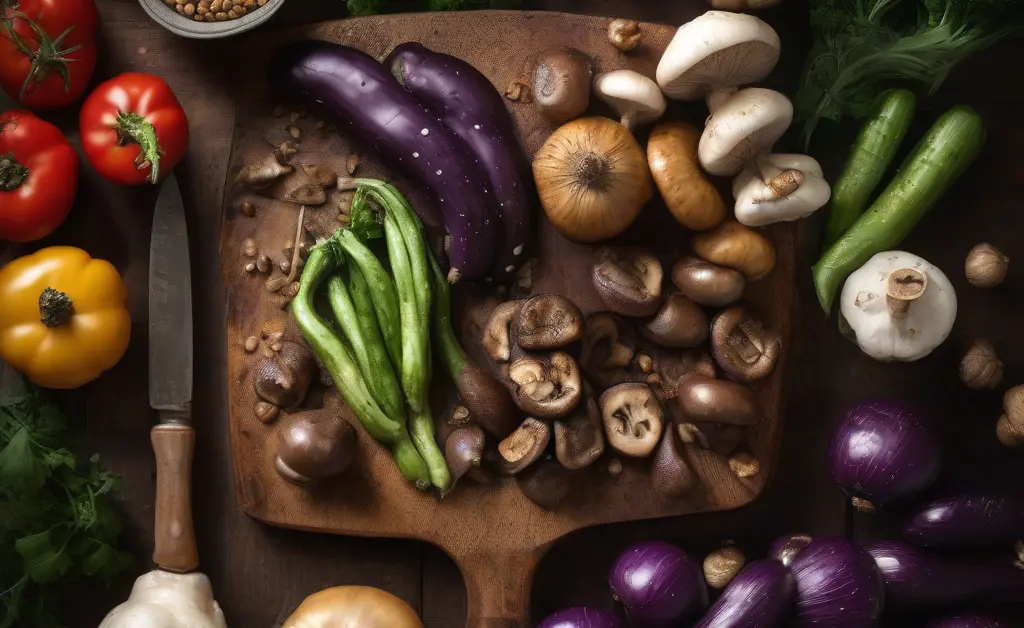
When cremini mushrooms aren’t on hand, knowing suitable alternatives is essential for any cook. These versatile fungi, also known as baby bellas, offer an earthy flavor and firm texture that many dishes rely on. However, whether due to availability, cost, or simply exploring new culinary dimensions, there are times when a different option is needed. This guide delves into various fungi that can stand in for cremini mushrooms, ensuring your recipes maintain their intended depth and character. We will explore factors like flavor, texture, and cooking applications to help you choose the ideal cremini mushroom substitute, ensuring your culinary creations remain delicious and satisfying.
Common Cremini Mushroom Substitutes
Finding a suitable cremini mushroom substitute often depends on what qualities of the cremini you value most in a particular dish. Several common mushrooms are readily available and can serve as effective alternatives, each bringing its own nuances to a recipe. Understanding their characteristics can help you make an informed choice when a cremini mushroom substitute is needed.
White Button Mushrooms
White button mushrooms are perhaps the most ubiquitous and accessible fungi in many grocery stores. They are essentially the younger, less mature version of cremini mushrooms, meaning they share many characteristics, though with some key differences. Their flavor is milder and less earthy than creminis, and their texture is generally more delicate. When used as a cremini mushroom substitute, they might require a bit more seasoning to achieve a similar depth of flavor. However, their neutral profile makes them incredibly versatile, absorbing the flavors of the ingredients they are cooked with. They are an excellent choice for dishes where the mushroom’s role is more about texture and less about a pronounced earthy taste.
Portobello Mushrooms
Portobello mushrooms are mature cremini mushrooms, having grown larger and developed a meatier texture and a richer, more intense flavor. Their large caps make them a popular choice for grilling or stuffing, but they can also be sliced and diced to function as a robust cremini mushroom substitute. When using portobellos, be mindful of their stronger flavor profile and darker color, which might slightly alter the appearance and taste of your dish compared to creminis. Their firm texture stands up well to longer cooking times and heartier preparations, offering a satisfying bite.
Shiitake Mushrooms
Shiitake mushrooms are renowned for their distinct umami flavor and firm, chewy texture, particularly when cooked. They are a fantastic cremini mushroom substitute, especially in Asian-inspired dishes or any recipe where a deep, savory profile is desired. The stems of shiitake mushrooms can be quite tough and are often removed before cooking, though they can be used to make flavorful broths. Their unique taste adds a layer of complexity that can elevate a dish, making them a premium alternative to cremini mushrooms.
Oyster Mushrooms
Oyster mushrooms come in various colors and sizes, but all share a delicate, somewhat velvety texture and a mild, subtle flavor. They tend to cook down quickly and absorb flavors beautifully. While they don’t offer the same earthy punch or firm bite as cremini mushrooms, their elegant appearance and tender quality make them a good cremini mushroom substitute for lighter dishes, stir-fries, or as a complement to other ingredients. They can add an interesting textural element without overpowering other components.
Best Cremini Mushroom Substitutes
When seeking the optimal cremini mushroom substitute, the goal is often to match the distinctive earthy flavor and firm texture of creminis as closely as possible, or to find an alternative that complements the dish equally well. Considering the specific “Flavor and Texture Profile of Cremini Mushrooms” is key to making the best choice.
Baby Bella Mushroom Substitute
This section addresses a common point of confusion: “Are cremini mushrooms the same as baby bella mushrooms?” The answer is yes. “Baby bella” is simply another name for cremini mushrooms, and they are also sometimes referred to as brown mushrooms. Therefore, if a recipe specifically calls for “baby bella mushrooms,” you are looking for cremini mushrooms. If you need a substitute for these, the other options discussed here would apply. Essentially, a baby bella mushroom substitute is just another way of asking for a cremini mushroom substitute.
Button Mushroom Substitute
When considering a button mushroom substitute, especially if white button mushrooms are being used to replace creminis, you might want to enhance their inherent qualities to better match the cremini’s depth. As “What’s the difference between cremini and white button mushrooms?” highlights, creminis have a more developed flavor. To bridge this gap, cooking white button mushrooms for a longer duration to deepen their caramelization and flavor, or incorporating umami-rich ingredients like soy sauce or tomato paste, can make them a more convincing substitute for cremini mushrooms in a dish.
Dried Porcini Mushroom Substitute
Dried porcini mushrooms are a powerhouse of umami flavor and can make an excellent cremini mushroom substitute, especially when a deep, earthy essence is paramount. After rehydration, their texture becomes wonderfully meaty. While they are more potent than fresh creminis, a small amount can impart significant depth to sauces, soups, and stews. It’s important to rehydrate them in warm water or broth, and the resulting liquid can also be used to enhance the dish’s flavor. This option is particularly effective when “Flavor Intensity” is a primary “Recipe Requirement.”
Other Fungi Options
Beyond the more common varieties, other fungi can also serve as a cremini mushroom substitute depending on availability and desired outcome. Enoki mushrooms offer a delicate, crunchy texture, suitable for lighter dishes or garnishes. Shiitake mushrooms, mentioned previously, are excellent for their umami. Maitake (hen of the woods) mushrooms provide a rich, earthy flavor and a unique, frilly texture that can add visual and textural interest. Each offers unique “cremini mushroom substitute ideas” for adventurous cooks.
Factors to Consider When Choosing a Cremini Mushroom Substitute
Selecting the best cremini mushroom substitute goes beyond mere availability; it involves a thoughtful evaluation of several factors to ensure the final dish meets expectations. Understanding these considerations will guide you to “what is a good substitute for cremini mushrooms” for any given recipe.
The “Flavor and Texture Profile of Cremini Mushrooms” is your baseline. Creminis are known for their earthy, slightly savory taste and a firm, somewhat chewy texture that holds up well during cooking. When choosing a substitute, consider how closely the alternative matches these attributes. “Flavor Intensity” is crucial; a milder mushroom might get lost in a bold dish, while an overly strong one could overpower delicate flavors. The World Health Organization (WHO) provides extensive information on food and nutrition.
“Texture and Firmness” also play a significant role. If the cremini mushrooms are meant to provide a substantial, meaty bite, a delicate mushroom like an oyster mushroom might not be suitable. Conversely, if a softer texture is acceptable, a white button mushroom could work perfectly. “Recipe Requirements” are paramount; what is the mushroom’s primary function in the dish? Is it a main component, a flavor enhancer, or a textural element? This will dictate the most appropriate “cremini mushroom substitute.”
Finally, “Availability and Cost” are practical considerations. Some exotic mushrooms might offer an ideal match in flavor and texture but might not be readily available or could be cost-prohibitive for everyday cooking. Knowing “how to substitute cremini mushrooms” effectively also means being pragmatic about what you can easily obtain, ensuring you always have a plan for “what can I use instead of cremini mushrooms.”
Cooking with Cremini Mushroom Substitutes

Integrating a cremini mushroom substitute into your cooking requires a keen understanding of its unique characteristics and how they interact with the dish. While many substitutes are versatile, successful incorporation often involves adjusting your “Preparation Techniques” and “Adjusting Cooking Times” to bring out their best qualities and ensure they meld seamlessly with other “Flavor Pairings.”
For instance, if using white button mushrooms as a cremini mushroom substitute, you might want to sauté them for a longer period at a slightly higher heat to achieve a deeper caramelization and more intense flavor, compensating for their milder natural taste. Portobello mushrooms, with their higher water content and denser flesh, may also benefit from thorough cooking to release moisture and develop their robust flavor. Conversely, delicate varieties like oyster mushrooms cook much faster and should be added later in the cooking process to prevent them from becoming overly soft or disintegrating.
Consider the “Flavor Pairings” of your dish. If your recipe includes herbs, spices, or sauces that complement creminis, assess whether your chosen substitute will also harmonize. For example, the earthy notes of shiitake mushrooms pair wonderfully with Asian-inspired flavors, while the more subtle taste of white buttons can be enhanced by butter, garlic, and thyme, much like creminis. Experimentation is key to discovering the “best substitute for cremini mushrooms in recipes” based on your specific culinary goals.
Mushroom Substitute in Pasta
When preparing a pasta dish, the texture and flavor contribution of mushrooms are particularly important. For a mushroom substitute in pasta, you’ll want something that can absorb the sauce’s flavors while retaining a pleasant bite. Sliced portobello mushrooms, for example, can offer a substantial, meaty texture that stands up well to hearty pasta sauces. Shiitake mushrooms are also an excellent choice, providing a rich umami depth that complements tomato or cream-based sauces beautifully. If using white button mushrooms, consider cutting them into various shapes or sizes to add visual interest and ensure some pieces caramelize nicely, contributing to the overall texture and flavor profile of the pasta. The key is to ensure the mushroom substitute enhances the pasta’s overall experience, whether through its contribution to flavor, texture, or both.
Exploring the world of fungi opens up a plethora of options for home cooks and professional chefs alike. While cremini mushrooms are a staple for many, the ability to thoughtfully select and prepare a suitable substitute ensures culinary creativity and adaptability in the kitchen. By considering factors such as flavor intensity, texture, and specific recipe requirements, you can confidently navigate alternatives and continue to craft delicious and satisfying dishes, even when creminis are not available.
The content presented here is not a substitute for professional medical guidance. While mushrooms can be part of a balanced diet, this information is for educational purposes only and should not be used to self-diagnose or treat any health condition. Always consult with a qualified healthcare professional for any health concerns or before making any dietary changes. Individual results may vary depending on personal health and circumstances.
FAQ
What can I use instead of cremini mushrooms in a recipe?
When you need a cremini mushroom substitute, consider other common mushrooms like white button mushrooms, which offer a similar mild flavor and texture. Shiitake mushrooms provide a deeper, more savory taste and a chewier texture, adding a different dimension to your dish. For a more earthy profile, oyster mushrooms can also work well, bringing a delicate flavor and a tender bite.
Can I substitute portobello for cremini mushrooms?
Yes, portobello mushrooms can serve as a substitute for cremini mushrooms, particularly when you desire a richer, meatier flavor. Their larger size and denser texture mean they may require slightly different cooking times compared to cremini. This substitution can add a more intense umami depth to your culinary creations.