
Cremini vs. White Mushrooms: A Culinary Comparison
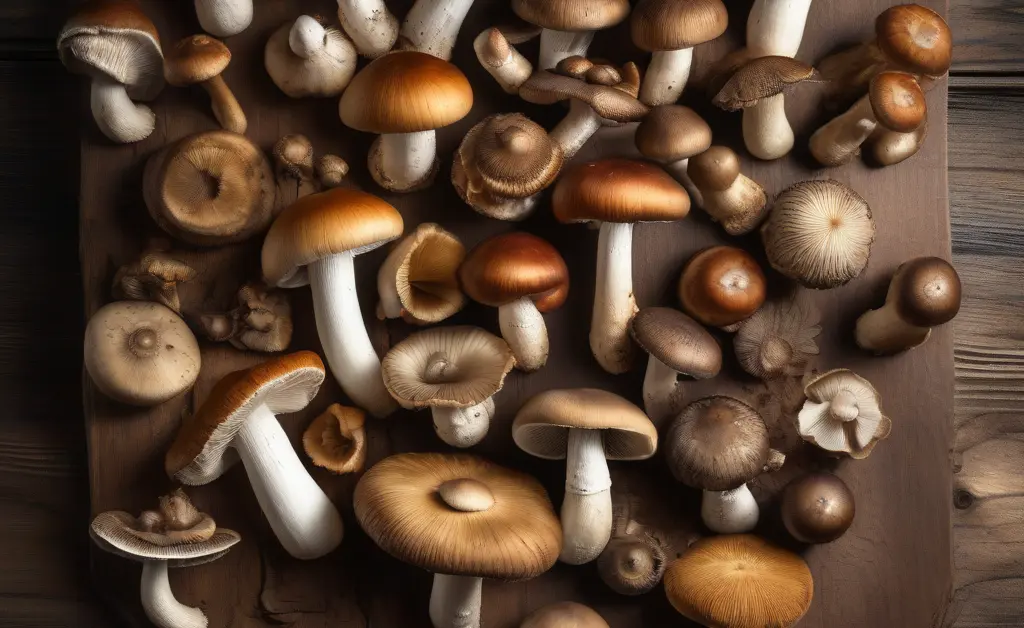
For many home cooks, the choice between white button mushrooms and their slightly darker counterparts often presents a subtle but significant culinary puzzle. While visually similar, the decision of which to use can profoundly impact the flavor and texture of a finished dish. This common culinary dilemma often leaves enthusiasts wondering if a simple substitution truly matters, or if there’s a distinct advantage to opting for one over the other. Understanding these subtle yet impactful differences is key to elevating your cooking and ensuring optimal results every time. This article aims to demystify the topic, providing a comprehensive analysis of cremini mushroom vs white mushroom to help you confidently select the ideal fungi for any recipe.
Cremini Mushroom vs. White Mushroom: Key Differences
While often treated as interchangeable, the distinction between cremini mushroom vs white mushroom lies primarily in their maturity and, consequently, their physical and textural attributes. Both are cultivars of the same species, Agaricus bisporus, but harvested at different stages of growth. Understanding these fundamental differences is key to appreciating their unique contributions in the kitchen.
Firmness and Meaty Texture of Creminis
Cremini mushrooms, also known as “baby bella” mushrooms, are simply a more mature version of the common white button mushroom. This extra time to grow allows them to develop a firmer cap and a more robust, somewhat meaty texture. Their gills are typically more exposed and darker, contributing to their richer appearance. This firmness helps them maintain their structure better when cooked, making them a preferred choice for dishes that require a mushroom to hold its shape.
Softer Texture of White Mushrooms
White mushrooms, often referred to as button mushrooms, are harvested at an earlier stage of development. This results in a softer, more delicate texture. Their caps are typically pristine white and smooth, with gills that are less exposed and lighter in color. Due to their higher water content and less developed cellular structure, they tend to soften and release more moisture quickly when cooked compared to their cremini counterparts.
How They Hold Up During Cooking
The structural integrity of these two mushroom types varies significantly under heat. White mushrooms, with their higher moisture content, tend to shrink considerably and release a greater amount of liquid, becoming quite tender and sometimes even slightly mushy if overcooked. Creminis, conversely, retain more of their initial volume and firmness, offering a more substantial bite even after extended cooking times. This resilience makes them suitable for longer cooking methods where a distinct mushroom presence is desired.
Flavor Profiles: How They Taste
Beyond their appearance and texture, the flavor distinctions between cremini mushroom vs white mushroom play a crucial role in culinary applications. While both share a fundamental “mushroomy” essence, their intensity and underlying notes can significantly impact the overall taste of a dish.
Subtle Earthiness of White Mushrooms
White button mushrooms are characterized by a mild, subtle flavor. They possess a delicate earthiness that is not overpowering, making them highly versatile. Their taste often serves as a gentle backdrop, readily absorbing the flavors of other ingredients in a dish without dominating them. This makes them an excellent choice when a light mushroom note is desired, or when you want the other components of a recipe to shine through.
Richer, Deeper Flavor of Cremini Mushrooms
Cremini mushrooms, being more mature, offer a noticeably richer and deeper flavor profile. Their earthy notes are more pronounced, often described as savory, umami-rich, and slightly woody. This enhanced flavor contributes a more robust character to dishes, providing a satisfying depth that can stand up to stronger seasonings and longer cooking times. The complexity of their taste makes them a favorite for recipes where the mushroom is intended to be a more prominent flavor component.
Texture and Cooking Properties
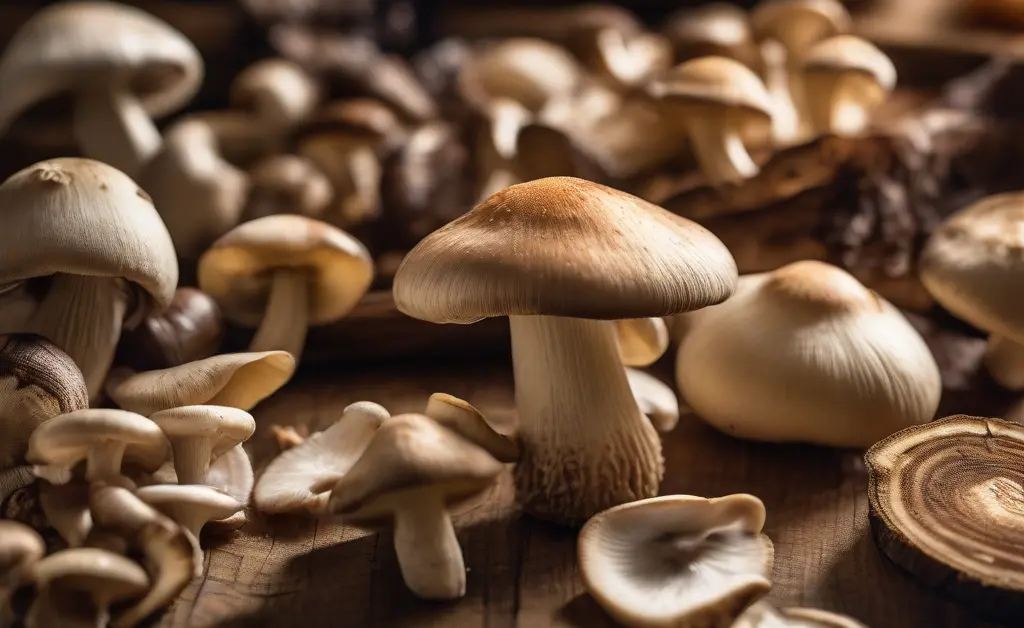
The textural differences between cremini and white mushrooms are not just about firmness; they profoundly influence how each mushroom behaves under various cooking conditions. Understanding these properties helps in selecting the right mushroom to achieve desired culinary outcomes.
Matching Mushroom to Recipe Complexity
The unique textures and water content levels of white and cremini mushrooms dictate their suitability for different cooking methods and recipe complexities. White mushrooms, with their delicate structure, are often better suited for quick cooking, where their subtle flavor can meld without becoming overly watery. Cremini mushrooms, on the other hand, thrive in more demanding culinary environments where their robust texture and flavor can develop and enhance the dish over time. Matching the mushroom to the intensity and duration of cooking ensures the best possible texture and taste in the final product.
Culinary Uses and Best Applications
When deciding on the best culinary applications, the choice of cremini mushroom vs white mushroom often depends on the desired texture, flavor intensity, and cooking method. Each type excels in different scenarios, leveraging its unique attributes to enhance a dish.
Best Dishes for White Mushrooms (Salads, Light Sautéing)
White button mushrooms are excellent for dishes where a mild, fresh mushroom flavor is preferred. Their delicate texture makes them ideal for raw preparations, such as fresh salads, where their crispness can be enjoyed. They also perform well in light sautéing, quickly absorbing flavors without overpowering them. They are often used in omelets, quiches, and quick stir-fries where a subtle mushroom presence is desired.
Ideal Recipes for Cremini Mushrooms (Stews, Roasts, Stroganoff)
Cremini mushrooms, with their firmer texture and deeper flavor, are perfect for heartier dishes that require longer cooking times. They hold up exceptionally well in slow-cooked stews, rich roasts, and classic dishes like beef stroganoff, where their meaty consistency adds substance. Their robust flavor contributes significantly to gravies, sauces, and casseroles, providing a satisfying umami depth that stands out.
Enhancing Flavor with Cremini
Due to their more pronounced earthy and savory notes, cremini mushrooms are frequently used when the goal is to elevate the overall flavor profile of a dish. Sautéing them until deeply caramelized can unlock even richer flavors, making them a fantastic base for mushroom sauces, duxelles, or as a flavorful addition to vegetarian and meat-based dishes where a strong mushroom essence is desired.
Versatility of White Mushrooms
Despite their milder profile, white mushrooms are incredibly versatile. Their ability to readily absorb other flavors makes them adaptable to a wide range of cuisines. They can be sliced thin for pizzas, chopped into stuffings, or blended into sauces where they contribute volume and a gentle earthiness without competing with dominant ingredients.
Substitution Possibilities
While often used interchangeably, substituting one for the other will impact the final dish. If a recipe calls for white mushrooms and you use creminis, the dish will likely have a richer, more intense mushroom flavor and a firmer texture. Conversely, using white mushrooms instead of creminis may result in a milder flavor and a softer texture, with potentially more moisture released during cooking. For casual cooking, substitutions are generally acceptable, but for optimal results, considering their unique properties is beneficial. This comparison of cremini mushroom vs white mushroom is helpful.
Cremini mushroom vs white mushroom nutrition

Both cremini and white mushrooms offer a range of beneficial nutrients, making them wholesome additions to any diet. While they are essentially the same species at different stages of maturity, their nutritional profiles share many similarities, with only minor variations.
Nutritional Comparison
Both cremini and white mushrooms are low in calories, fat-free, and cholesterol-free, while providing dietary fiber. They are sources of B vitamins, such as riboflavin, niacin, and pantothenic acid, which play roles in energy metabolism. They also contain minerals like potassium and selenium. While generally comparable, cremini mushrooms may sometimes offer slightly higher concentrations of certain nutrients due to their more mature state, but these differences are typically subtle and not significant enough to be a primary factor in dietary choice. Both types also contain antioxidants and compounds studied for their potential health benefits. The U.S. Food and Drug Administration provides extensive information on food safety and nutrition.
Ultimately, the choice between white and cremini mushrooms often comes down to personal preference and the specific requirements of a recipe. While white mushrooms offer a delicate flavor and tender texture suitable for light dishes, cremini mushrooms provide a more robust flavor and meaty texture, ideal for heartier preparations. Understanding these nuances allows home cooks to make informed decisions, ensuring that every dish benefits from the unique qualities each mushroom brings to the table. Experimenting with both types will undoubtedly enhance your culinary repertoire and appreciation for these versatile fungi.
Readers should understand that this article does not offer medical diagnosis or treatment. The information provided is intended for general knowledge and informational purposes only, and does not constitute medical advice. Nutritional information about food items is typically generalized and should not be taken as a substitute for professional medical or dietary advice. Always consult with a qualified healthcare professional or dietitian for any health concerns or before making any dietary changes.
FAQ
Are cremini mushrooms the same as baby bella?
Yes, cremini mushrooms and baby bella mushrooms are indeed the same variety. This designation simply refers to a younger, less mature stage of the portobello mushroom.
What is the difference between white mushrooms and button mushrooms?
White mushrooms and button mushrooms are also the same thing. This is the most common type of mushroom found in grocery stores, characterized by its smooth white cap and mild flavor.
Can I substitute cremini for white mushrooms?
You can certainly substitute cremini mushrooms for white mushrooms in most recipes. Cremini mushrooms offer a slightly deeper flavor and firmer texture due to their more mature development compared to white button mushrooms.
What mushrooms are best for stroganoff?
For stroganoff, cremini mushrooms are often preferred for their robust flavor and ability to hold their shape during cooking. Their earthy notes complement the rich sauce and tender meat beautifully.
Are crimini and baby bella the same?
Yes, crimini mushrooms and baby bella mushrooms are identical. The names are interchangeable and refer to the same mushroom species at a particular stage of growth.
Is a cremini mushroom a white mushroom?
A cremini mushroom is not technically a white mushroom, though they belong to the same species. Cremini mushrooms are a browner, more mature version of the white button mushroom, developing a deeper flavor and firmer texture.