
Mastering Cremini Mushrooms on Your Pizza
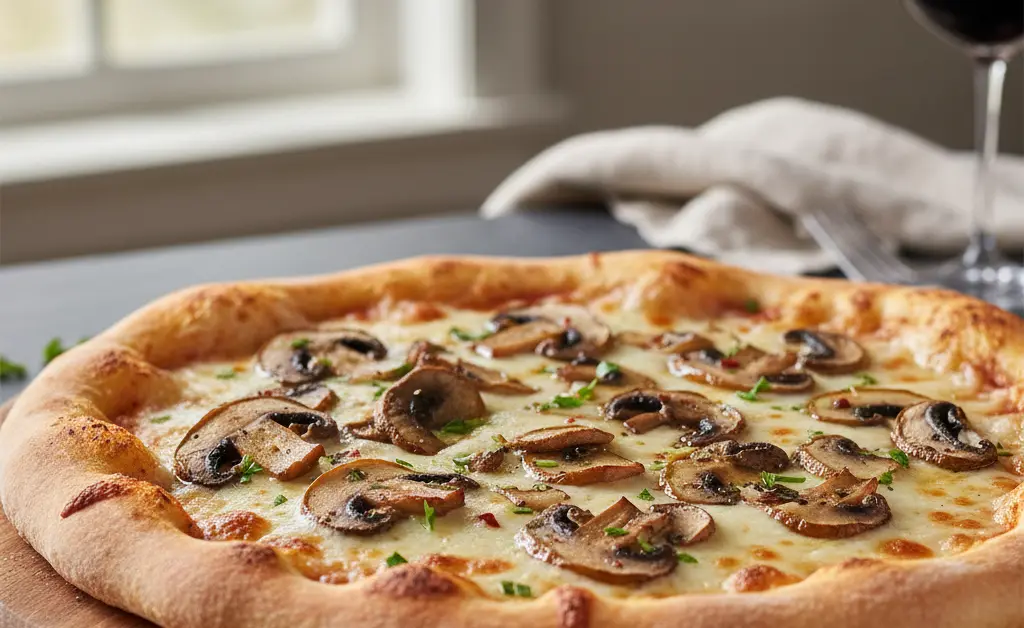
Ever put mushrooms on a pizza, only to find them releasing excess moisture, making your crust soggy and their flavor underwhelming? This common culinary frustration often leads home cooks to shy away from using fresh mushrooms, missing out on their earthy depth and appealing texture. Achieving that ideal balance, where mushrooms enhance rather than detract from your pizza, requires specific knowledge and technique. This guide is meticulously crafted to address these challenges, ensuring you master the art of incorporating cremini mushrooms on pizza. We’ll explore everything from selection and preparation to optimal cooking methods and crucial tips, guaranteeing a consistently delicious and professional-quality result for your next pizza night.
Why Cremini Mushrooms Are Great for Pizza
Cremini mushrooms, often referred to as baby bella mushrooms, offer a robust and earthy flavor profile that elevates a wide array of dishes, making them an exceptional choice for pizza. Their distinctive taste is more pronounced than that of white button mushrooms, providing a deeper, more savory note without being overwhelmingly strong. Beyond their flavor, their texture and bite are significant advantages. Unlike their softer counterparts, creminis maintain a satisfying firmness even after cooking, contributing a pleasant chewiness that complements the pizza’s crust and other toppings. The unique attributes of cremini mushrooms on pizza make them a standout choice for those seeking to add complexity and substance to their culinary creations. Their versatility with various toppings and sauces further solidifies their position as a preferred ingredient for gourmet pizza.
Choosing and Preparing Cremini Mushrooms for Pizza
Proper selection and preparation are crucial for excellent cremini mushrooms on pizza. The journey to a perfect mushroom-topped pizza begins long before they hit the dough.
Choosing the Right Cremini Mushrooms
When selecting cremini mushrooms, look for ones that are firm to the touch and have a smooth, unblemished surface. The caps should be closed or only slightly open, with visible gills that are light brown. Avoid any mushrooms that appear slimy, soft, or have dark, shriveled spots, as these are indicators of age or poor storage. Freshness is paramount for achieving the best flavor and texture in your finished dish.
Washing and Cleaning
Cremini mushrooms are naturally porous, so a common misconception is to avoid washing them. However, they often come with soil or growing medium attached. Instead of soaking, which can lead to water absorption and sogginess, gently wipe them clean with a damp paper towel or a soft mushroom brush. If they are particularly soiled, a quick, light rinse under cool running water, followed immediately by thorough patting dry with a clean cloth or paper towel, is acceptable. The key is to minimize moisture absorption before cooking.
Slicing Techniques (Thin vs. Thick)
The way you slice your cremini mushrooms can significantly impact their texture and how they cook on the pizza. For a more delicate flavor and to ensure they cook evenly and release less moisture, thin slices (about 1/8 inch) are often preferred. This technique allows them to crisp up nicely, especially if pre-cooked. If you desire a more substantial, meatier bite, thicker slices (up to 1/4 inch) can be used, particularly if you plan to roast them beforehand to reduce moisture and intensify their flavor. Consider the overall texture of your pizza and other toppings when deciding on your slicing approach.
Best Ways to Cook Cremini Mushrooms on Pizza
Understanding the best cooking methods is key to integrating cremini mushrooms on pizza effectively. Each approach offers distinct advantages for flavor and texture.
Pre-cooking vs. Raw Application
Deciding whether to pre-cook your cremini mushrooms before adding them to your pizza is a critical step. Pre-cooking offers the advantage of reducing their moisture content, concentrating their flavor, and ensuring they cook fully without making the pizza soggy. Applying them raw can work in specific scenarios, but generally requires careful consideration of the mushroom’s moisture and the pizza’s cooking time.
Sautéing Before Topping
Sautéing cremini mushrooms for pizza is a popular and effective method. Heat a pan over medium-high heat with a small amount of oil or butter. Add the sliced mushrooms in a single layer, avoiding overcrowding, which can lead to steaming rather than browning. Cook them until they release their moisture, which then evaporates, allowing the mushrooms to brown and develop a richer, more concentrated flavor. This process also significantly reduces their water content, preventing sogginess on your pizza. Season with salt and pepper after sautéing.
Roasting for Deeper Flavor
Roasting cremini mushrooms for pizza is an excellent way to achieve a deeper, more umami-rich flavor and a slightly chewy texture. Toss sliced mushrooms with a small amount of olive oil, salt, and pepper. Spread them in a single layer on a baking sheet and roast in a hot oven (around 400°F or 200°C) for about 10-15 minutes, or until they are tender and slightly caramelized. Roasting not only intensifies their taste but also effectively dries them out, making them ideal for pizza toppings. For a different mushroom preparation, consider oyster mushroom recipes.
Adding Raw to Thin-Sliced Pizzas
While generally advisable to pre-cook, adding raw cremini mushrooms on pizza can be successful with certain types of pizzas, particularly those with very thin crusts and quick cooking times. In these cases, the mushrooms will cook quickly on the pizza, but there’s a higher risk of moisture release. This method is often chosen when a very fresh, slightly less intense mushroom flavor is desired, and the pizza is not heavily loaded with other moisture-rich ingredients.
Incorporating into Sauce
For an integrated mushroom flavor throughout the pizza, consider finely dicing and incorporating cremini mushrooms into your pizza sauce. Sauté the diced mushrooms until tender and their moisture has evaporated, then blend them directly into your tomato or cream-based sauce. This method ensures that the mushroom flavor permeates every bite without adding distinct pieces on top, and it effectively manages moisture by cooking them down completely. Other mushroom preparations, like puffball mushroom french toast, showcase different ways mushrooms can be used.
Mushrooms on pizza raw or cooked
The general recommendation for most pizzas, especially those with standard crusts and longer baking times, is to pre-cook mushrooms. This helps manage moisture, prevents sogginess, and enhances flavor. However, as noted, raw mushrooms can be used on very thin-crust, quick-cooking pizzas, but it requires careful attention to moisture and other toppings.
Do I cook mushrooms before putting them on a pizza?
For best results, it is highly recommended to cook cremini mushrooms before putting them on a pizza. Pre-cooking methods like sautéing or roasting help to extract excess moisture, concentrate their flavor, and achieve a desirable texture. This crucial step prevents the mushrooms from releasing water onto your pizza dough during baking, which could lead to a soggy crust and diluted flavors. Pre-cooking ensures your cremini mushrooms contribute positively to the overall quality of your pizza.
Tips for Perfect Cremini Mushrooms on Pizza
Achieving perfect cremini mushrooms on pizza involves attention to detail and avoiding common pitfalls. These tips will help ensure your pizza is consistently delicious.
How to use mushroom in pizza
To use mushrooms effectively in pizza, focus on balancing flavor, texture, and moisture. Always clean them properly and consider pre-cooking to develop their rich taste and reduce water content. Distribute them evenly over the pizza to ensure uniform cooking and flavor in every slice. Pairing them with complementary ingredients enhances the overall experience. If you enjoy mushrooms with steak, you might also appreciate cremini mushrooms with steak.
Avoiding Watery Mushrooms
The primary key to avoiding watery mushrooms is effective pre-cooking. Whether sautéing or roasting, the goal is to evaporate as much natural moisture as possible before they go onto the pizza. Ensure your pan or baking sheet isn’t overcrowded, allowing steam to escape and promoting browning. High heat helps achieve this quickly. If you’re using them raw, ensure your pizza cooks at a very high temperature for a short duration, allowing the mushroom’s moisture to cook off rather than soak into the crust.
Balancing Moisture
Beyond treating the mushrooms themselves, consider the overall moisture balance of your pizza. Use a relatively dry pizza sauce, avoid excessively wet cheeses, and don’t overload the pizza with too many moisture-rich toppings. A well-hydrated but not wet dough will also help resist sogginess. The combination of pre-cooked cremini mushrooms and careful ingredient selection will prevent a waterlogged pizza. For guidance on food safety and preparation, consult resources like the CDC.
Pairing with Other Pizza Ingredients
Cremini mushrooms pair beautifully with a variety of pizza ingredients. Their earthy notes complement robust flavors like sausage, pepperoni, and bacon. They also shine alongside pungent cheeses like Gorgonzola or fontina, and herbs such as thyme, rosemary, or parsley. For a vegetarian option, combine them with caramelized onions, roasted red peppers, or spinach. Think about contrasting textures and flavors to create a harmonious and exciting pizza. Adding cremini mushrooms to pizza allows for a wide range of culinary creativity.
Common Mistakes to Avoid
A common mistake is adding raw, un-prepped mushrooms directly to the pizza, leading to excessive moisture and a bland taste. Overcrowding the pan when sautéing is another pitfall, resulting in steamed, rubbery mushrooms instead of browned, flavorful ones. Under-seasoning can also leave the mushrooms tasting flat. Lastly, failing to consider the overall moisture content of all toppings can lead to a soggy crust, even if the mushrooms themselves are properly prepared.
Mastering the art of incorporating cremini mushrooms into your pizza involves a blend of careful selection, strategic preparation, and thoughtful cooking techniques. By understanding their unique characteristics and applying the methods outlined above, you can transform a common ingredient into a star topping. From perfectly sautéed slices to intensely roasted pieces, your cremini mushrooms will contribute a rich depth of flavor and a satisfying texture that elevates your pizza from good to exceptional. Embrace these tips and look forward to consistently delicious, professional-quality results on your next pizza night, ensuring your cremini mushrooms on pizza are always a highlight.
The content presented here is not a substitute for professional medical guidance. While this article discusses culinary techniques and food preparation, it is intended for informational purposes only. The information provided should not be used for diagnosing, treating, or preventing any health issues. Always consult with a qualified healthcare professional for personalized health advice.
FAQ
Should you cook mushrooms before putting them on pizza?
Cooking mushrooms before adding them to pizza is generally recommended. This process helps to remove excess moisture, preventing a watery outcome on your finished pizza. Sautéing or roasting also concentrates their flavor, leading to a more robust taste.
How do you prevent mushrooms from making pizza soggy?
To prevent a soggy pizza crust from mushrooms, it’s essential to manage their water content. Slicing them thinly and then pre-cooking them, such as by sautéing or roasting, helps release much of their liquid before they reach the pizza. Spreading them evenly on top and avoiding overcrowding can also contribute to a crispier base.
What’s the difference between cremini and button mushrooms on pizza?
Cremini mushrooms, also known as baby bellas, offer a slightly more mature flavor profile and firmer texture compared to standard white button mushrooms. This makes cremini mushrooms on pizza a popular choice for those seeking a deeper, earthier taste. Visually, cremini are typically darker brown and more compact than their button counterparts.