
Starting or Finding a Culinary Mushroom Farm?
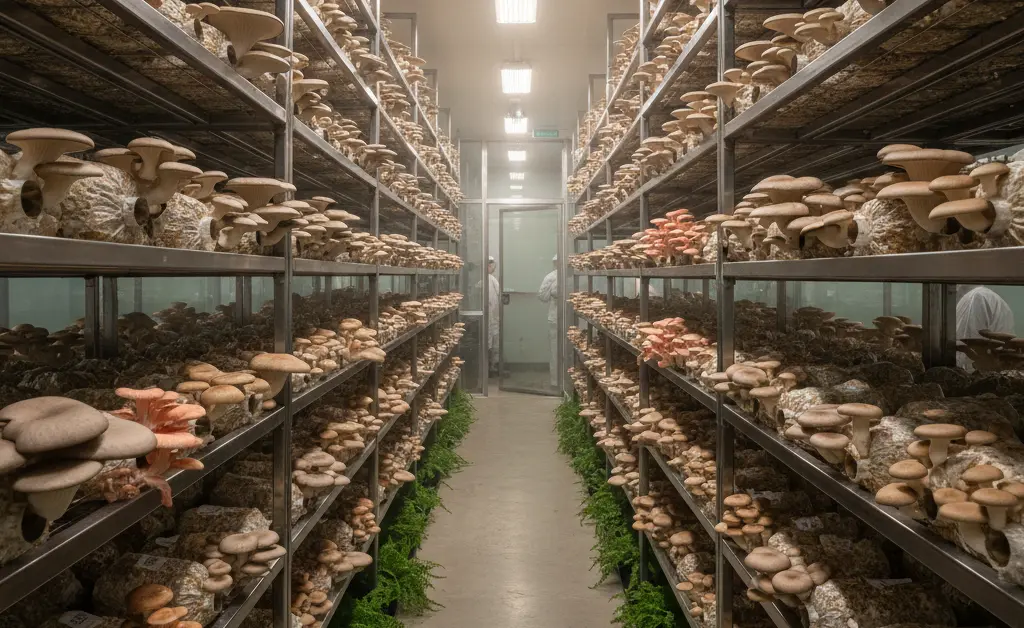
The world of cultivated fungi offers a fascinating intersection of agriculture and gastronomy. As consumer demand for fresh, diverse, and sustainably grown produce continues to rise, the significance of specialized mushroom cultivation has become increasingly clear. This comprehensive guide explores the various facets of establishing and operating a successful culinary mushroom farm, from understanding different species and cultivation techniques to assessing business profitability and market opportunities. We delve into the intricate processes involved, the benefits of farm-grown varieties, and how to locate quality producers, providing essential insights for both aspiring growers and discerning consumers.
Types of Culinary Mushrooms Grown on Farms
The array of edible fungi cultivated for culinary purposes is vast, ranging from widely recognized staples to sought-after specialty varieties. Understanding the characteristics and cultivation requirements of different types is crucial for any aspiring grower or discerning buyer. These farm-grown mushrooms offer diverse textures, flavors, and nutritional profiles, enriching countless dishes.
Common Varieties (e.g., Shiitake, Oyster, Cremini)
Several mushroom varieties have gained widespread popularity due to their robust flavor, versatility in cooking, and relatively straightforward cultivation. Shiitake mushrooms are prized for their rich, umami taste and meaty texture, making them a staple in Asian cuisine and increasingly popular globally. Oyster mushrooms, known for their delicate flavor and tender texture, come in various colors and are among the easiest to cultivate, adapting well to different substrates. Cremini mushrooms, often referred to as baby bellas, are young portobello mushrooms; they offer a deeper flavor than white button mushrooms and are excellent for sautéing, roasting, and adding to sauces.
Specialty and Exotic Varieties
Beyond the common types, a growing number of specialty and exotic mushrooms are finding their way onto dining tables, often supplied by dedicated culinary mushroom farms. Varieties like Lion’s Mane mushrooms are gaining attention not only for their unique appearance, resembling a shaggy white pom-pom, but also for their distinct seafood-like flavor and textural qualities. Enoki mushrooms, with their long, slender stems and small caps, offer a mild flavor and crisp texture, often used in soups and salads. King Oyster mushrooms are notable for their thick, edible stems, offering a substantial, meaty bite ideal for grilling or searing. Other exotic varieties, such as Maitake (Hen of the Woods) and Pioppino, are also increasingly cultivated for their distinctive flavors and culinary appeal, reflecting a growing consumer interest in diverse mushroom types.
Among other gourmet varieties, dried porcini mushrooms are highly valued for their intense flavor in various culinary preparations.
The Process of Farming Culinary Mushrooms
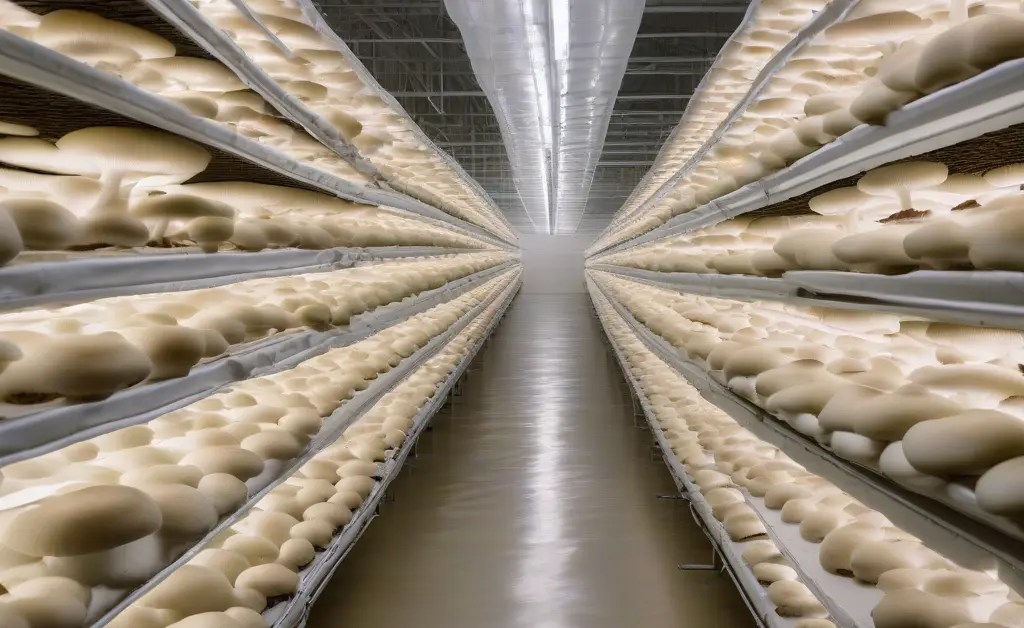
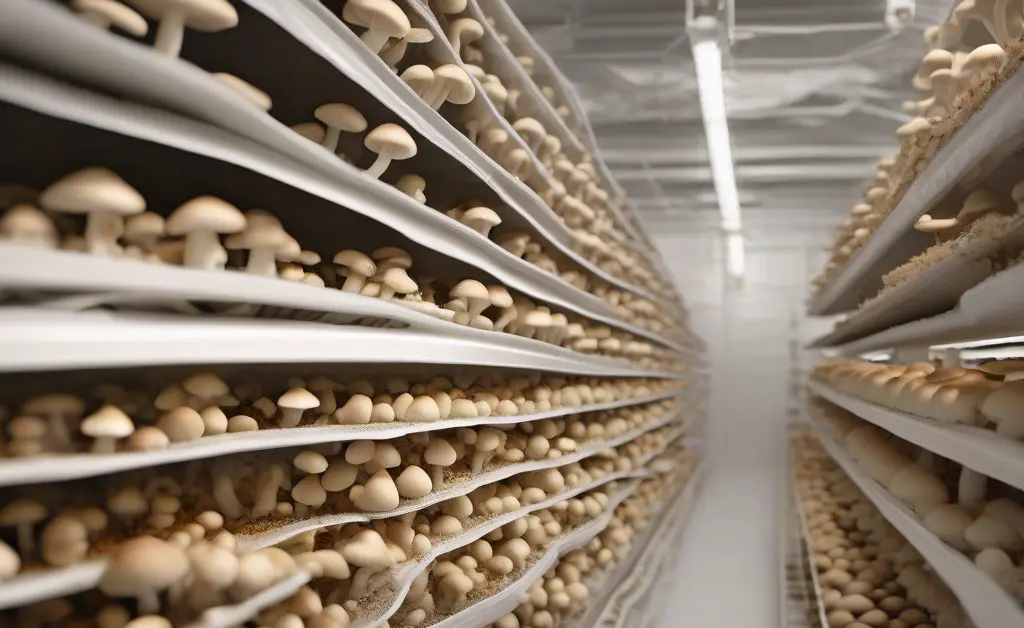
Cultivating mushrooms is a sophisticated biological process that requires careful control over environmental factors and substrate preparation. A successful culinary mushroom farm relies on meticulous attention to detail at each stage, from preparing the growing medium to harvesting the mature fungi.
Organic vs. Conventional Cultivation
Mushroom farming can generally be approached through either organic or conventional methods, each with its own set of standards and implications. Organic cultivation adheres to strict guidelines, often involving the use of naturally sourced substrates free from synthetic pesticides or fertilizers, and avoiding genetically modified organisms. This approach may appeal to consumers seeking produce grown with environmental considerations and minimal chemical intervention. Conventional cultivation, while still aiming for quality and yield, might allow for a broader range of substrate materials and pest control measures, provided they meet safety regulations. The choice between organic and conventional often depends on market demand, regulatory compliance, and the specific goals of the culinary mushroom farm.
Substrate Preparation
The substrate is the material on which mushrooms grow, providing the necessary nutrients. Common substrates include sawdust, wood chips, straw, grain, and compost, often mixed with supplements like bran or gypsum. Proper substrate preparation is critical; it typically involves cleaning, shredding, mixing, and then sterilizing or pasteurizing the material. Sterilization eliminates all existing microorganisms, creating a clean slate for the desired mushroom mycelium to colonize without competition. Pasteurization, a less intense heat treatment, reduces harmful microbes while retaining some beneficial ones. The method chosen depends on the mushroom species and the specific cultivation technique employed by the farm.
Inoculation and Incubation
Inoculation is the process of introducing mushroom spawn (a substrate colonized with mycelium) into the prepared substrate. This must be done in a sterile environment to prevent contamination from competing molds or bacteria. The spawn acts as the “seed” for the mushroom crop. Following inoculation, the substrate blocks or bags are moved to an incubation area. During incubation, the mycelium grows and colonizes the entire substrate, breaking down its components and preparing to produce mushrooms. This phase requires consistent temperature and humidity levels, specific to the species being grown, and often occurs in the dark. The duration of incubation varies greatly depending on the mushroom type and environmental conditions.
Fruiting Conditions and Harvesting
Once the substrate is fully colonized, the environmental conditions are altered to induce fruiting, signaling the mycelium to produce mushrooms. This typically involves introducing light, increasing fresh air exchange, and adjusting temperature and humidity levels, mimicking the natural triggers for mushroom growth in the wild. Small pins, or primordia, begin to form and rapidly develop into mature mushrooms. Harvesting requires careful timing, as mushrooms are best picked just before or as their caps fully unfurl, ensuring optimal texture and flavor. They are usually hand-picked to avoid damaging the delicate structures and the remaining mycelium, which may produce subsequent flushes.
Post-Harvest Handling and Packaging
After harvesting, proper post-harvest handling is essential to maintain freshness, quality, and extend shelf life. Mushrooms are delicate and susceptible to bruising and dehydration. They are typically cleaned gently, often brushed to remove substrate debris, and then quickly cooled to slow down metabolic processes. Packaging plays a significant role; breathable containers are often used to prevent moisture buildup, which can lead to spoilage, while still protecting the mushrooms from physical damage. Efficient and hygienic post-harvest practices ensure that the culinary mushroom farm delivers a high-quality product to consumers.
For broader distribution, some farms also offer specialized products such as mushroom powder Walmart, catering to a wider consumer base.
Is a Mushroom Farm a Profitable Business?
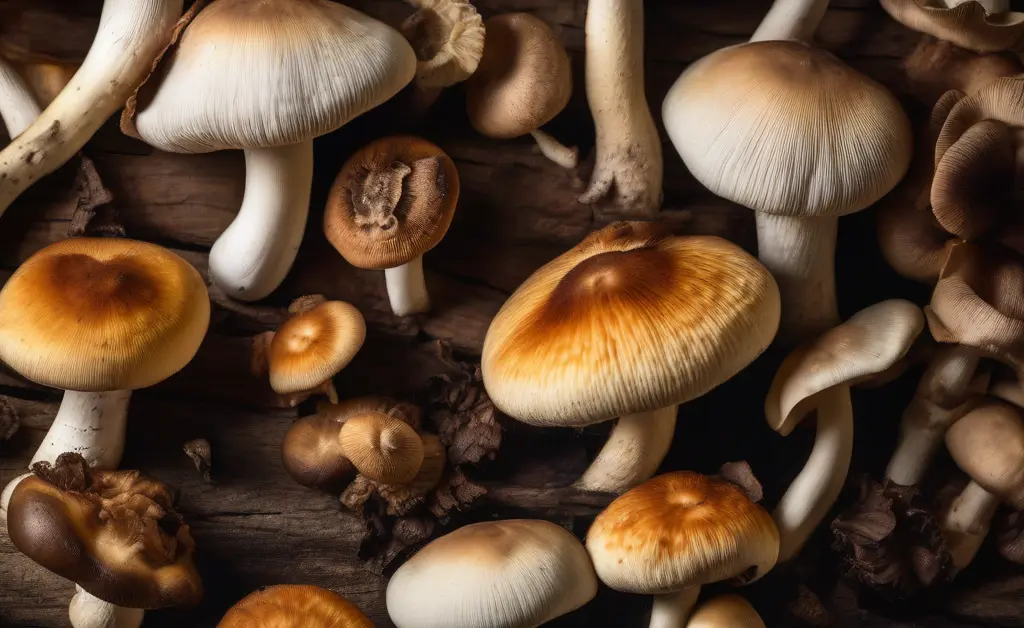
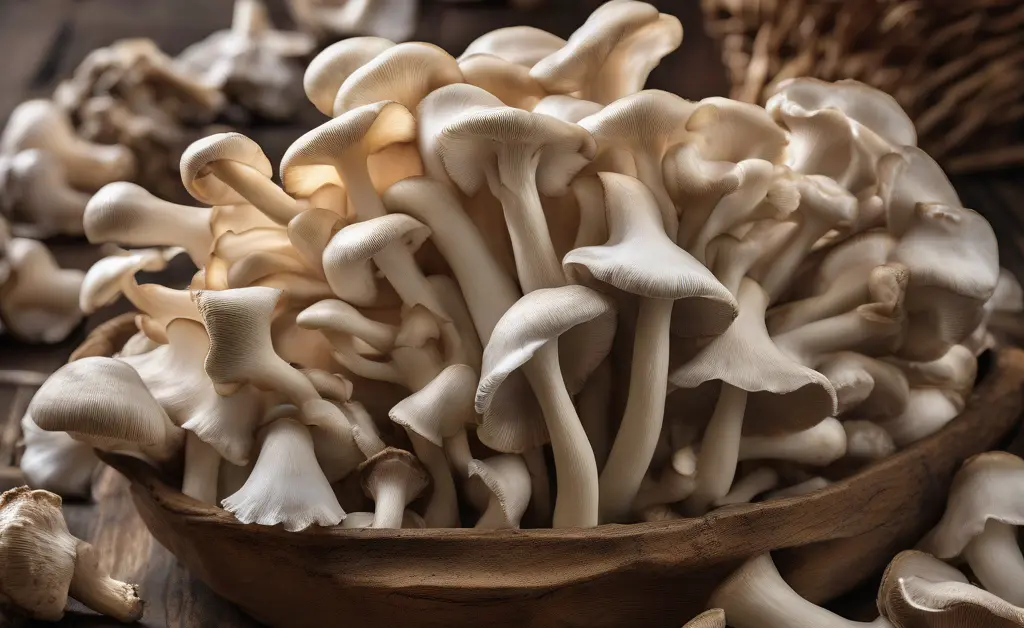
The profitability of a culinary mushroom farm can vary significantly depending on several factors, including scale of operation, species cultivated, market access, and management efficiency. While initial setup costs can be substantial, the relatively quick growth cycle of many mushroom varieties can offer a faster return on investment compared to traditional agriculture. Diversifying mushroom types and exploring various sales channels are key strategies for maximizing revenue potential.
Mushroom Agriculture 101: How to Start a Mushroom Farm
Starting a mushroom farm involves careful planning and execution. It begins with thorough market research to identify demand for specific mushroom varieties and potential sales outlets, such as restaurants, farmers’ markets, or wholesale distributors. Developing a comprehensive business plan that outlines startup costs, operational expenses, projected revenues, and marketing strategies is crucial. Securing appropriate facilities that can maintain the precise environmental controls needed for cultivation is a primary consideration. Acquiring knowledge of mushroom biology and cultivation techniques, either through formal training or hands-on experience, is also vital. This foundational understanding allows for efficient management of the entire production cycle, from substrate preparation to successful harvesting and distribution, setting the stage for a sustainable culinary mushroom farm.
Benefits of Farm-Grown Culinary Mushrooms
Farm-grown culinary mushrooms offer numerous advantages over their wild counterparts, providing consumers with a reliable, high-quality, and often more sustainable option. These benefits extend from the consistent product quality to environmental considerations, making them a preferred choice for many. For comprehensive health guidance and information, reliable resources such as the NHS website are available.
Consistency and Quality
One of the primary benefits of cultivated mushrooms from a culinary mushroom farm is their consistency in quality, size, and flavor. Unlike wild mushrooms, which can vary greatly depending on environmental conditions and foraging expertise, farm-grown varieties are produced in controlled environments. This allows growers to maintain optimal conditions for growth, resulting in predictable yields and a uniform product. Chefs and home cooks can rely on farm-grown mushrooms to deliver the same taste and texture profiles every time, which is essential for consistent culinary results.
Year-Round Availability
The controlled environment of a mushroom farm enables year-round production, independent of seasonal weather patterns. This means that popular culinary varieties can be continuously supplied to markets, restaurants, and consumers, regardless of the outdoor growing season. Year-round availability eliminates supply chain gaps and allows for fresh, locally sourced mushrooms to be a regular part of diets, reducing reliance on imported or out-of-season produce.
Sustainability Practices
Many culinary mushroom farms are inherently sustainable or actively adopt eco-friendly practices. Mushroom cultivation often utilizes agricultural waste products, such as sawdust, straw, and coffee grounds, as substrates, effectively recycling these materials and reducing landfill waste. The process typically requires less land and water compared to traditional agriculture, and indoor farming can minimize the need for pesticides. Furthermore, local mushroom farms can reduce the carbon footprint associated with transportation, offering a more environmentally conscious food source to communities.
Culinary Applications and Pairings
Farm-grown culinary mushrooms offer an incredible diversity of flavors, textures, and aromas, making them highly versatile in the kitchen. From the earthy depth of shiitake in stir-fries and broths to the delicate, savory notes of oyster mushrooms in sautéed dishes, their applications are boundless. Lion’s Mane mushrooms can serve as a remarkable plant-based substitute for seafood due to their texture and mild flavor, while King Oyster stems are excellent when sliced and seared like scallops. Their ability to absorb flavors and add umami to dishes makes them indispensable ingredients across various cuisines, pairing well with herbs, cheeses, proteins, and vegetables.
Culinary Mushroom Farm Near Me
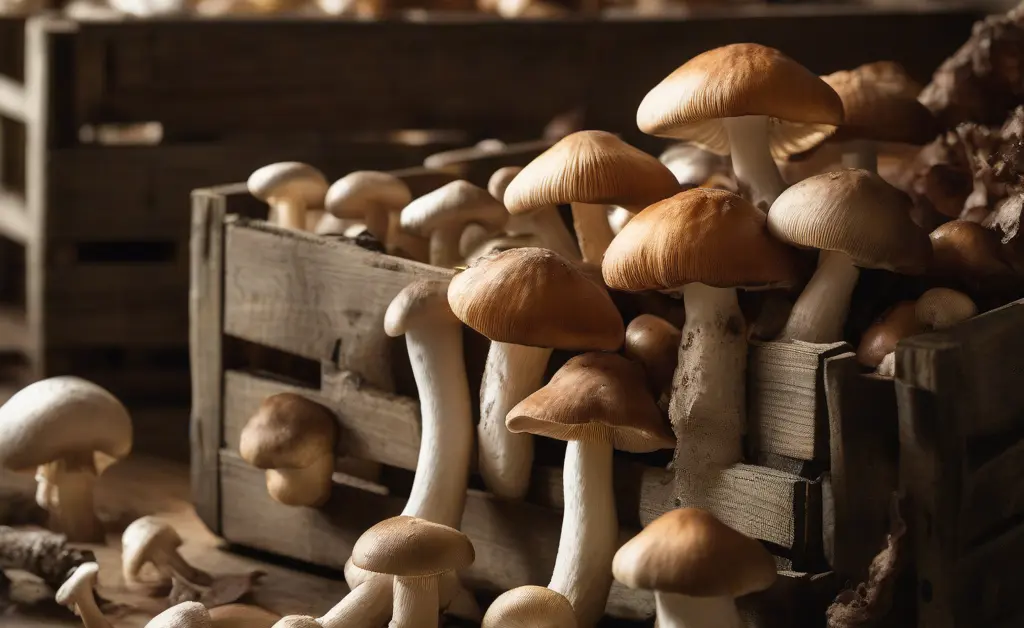
Locating a local culinary mushroom farm offers a direct connection to fresh, high-quality produce and supports local economies. Consumer interest in locally sourced food has spurred the growth of many small to medium-sized mushroom operations, making it increasingly possible to find fresh fungi close to home.
Culinary Mushroom Farm Locations
To find a culinary mushroom farm in your vicinity, several resources can be helpful. Online searches using terms like “culinary mushroom farm near me” or specific mushroom varieties often yield local results. Farmers’ markets are excellent places to connect directly with growers and purchase freshly harvested mushrooms. Many farms also have websites or social media presences where they announce their products, cultivation methods, and sales points. Some larger farms may even offer direct-to-consumer sales or subscriptions, providing a convenient way to access their fresh offerings regularly. Exploring these avenues allows consumers to discover local sources and enjoy the benefits of freshly picked, farm-grown culinary mushrooms.
Best Culinary Mushroom Farm
Determining the “best” culinary mushroom farm can be subjective, as preferences may vary based on desired mushroom types, cultivation practices (e.g., organic), and proximity. However, certain qualities generally distinguish top-tier farms in the industry.
Culinary Mushroom Farm Reviews
When assessing a culinary mushroom farm, consumer reviews and testimonials can provide valuable insights into product quality, customer service, and reliability. Look for consistent positive feedback regarding the freshness, flavor, and appearance of their mushrooms. Reviews often highlight specific varieties that a farm excels at growing. Beyond consumer reviews, professional endorsements from local chefs or restaurateurs who source their mushrooms from particular farms can also be a strong indicator of excellence. Farms that prioritize sustainable practices, transparency in their cultivation methods, and exceptional post-harvest handling often garner the highest praise, establishing themselves as leaders in providing premium culinary mushrooms.
The world of culinary mushroom farming is rich with opportunity, offering diverse species, sustainable practices, and significant culinary value. Whether embarking on a new agricultural venture or simply seeking the finest fungi for your kitchen, understanding the intricacies of cultivation and the benefits of farm-grown varieties is key. From common staples to exotic delights, the journey of the mushroom from farm to table underscores a commitment to quality, flavor, and responsible food production.
This article is meant for general informational use and awareness. It is not intended to provide medical advice, diagnosis, or treatment. Always consult with a qualified healthcare professional for any health concerns or before making any decisions related to your health or diet.
FAQ
How are culinary mushrooms farmed?
Culinary mushrooms are typically cultivated on a specially prepared substrate, such as composted agricultural waste or sawdust, which provides the necessary nutrients for growth. This substrate is inoculated with mushroom mycelium, the vegetative part of the fungus, and then incubated in controlled environmental conditions of temperature, humidity, and CO2 levels to encourage colonization and fruiting. The process requires careful management to prevent contamination and ensure optimal mushroom development.
What are the most popular culinary mushrooms?
Among the most widely enjoyed culinary mushrooms are the versatile white button mushroom, the earthy cremini, and the deeply flavorful shiitake. Portobello mushrooms, which are mature cremini, are also highly sought after for their substantial texture and rich taste. These varieties are popular due to their accessibility, distinct flavor profiles, and adaptability in a wide range of dishes.
Where can I buy farm-grown culinary mushrooms?
Farm-grown culinary mushrooms can be purchased from a variety of sources, including local farmers’ markets, grocery store produce sections, and specialty food stores. Many farms also offer direct-to-consumer sales through their own websites or subscription services, allowing for the freshest possible product to reach your table. Exploring local options can often lead to discovering unique varieties and supporting regional producers.
What is the difference between wild and farmed mushrooms?
Wild mushrooms are gathered from their natural habitats, making their availability and characteristics dependent on season, climate, and location. Farmed mushrooms, on the other hand, are cultivated under controlled conditions, ensuring a consistent supply and predictable quality. While wild mushrooms can offer unique flavors and textures, farmed varieties provide a reliable and often more accessible option for everyday cooking.