
Your Guide to Culinary Mushroom Liquid Culture
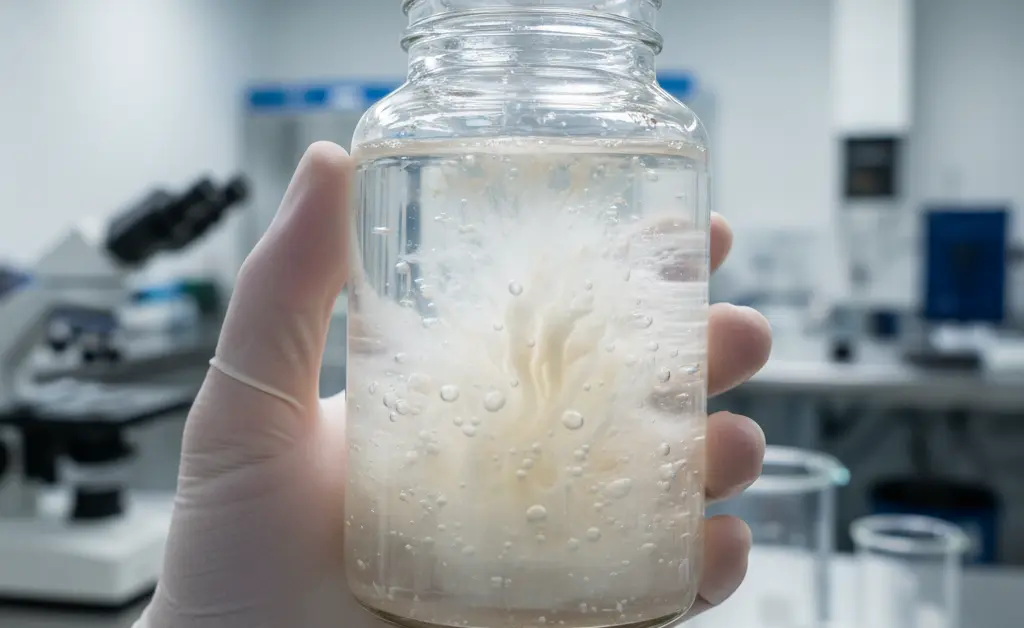
For mushroom cultivators aiming to achieve faster and more reliable mycelial colonization, understanding and utilizing liquid culture can significantly enhance their growing process. This method offers a streamlined approach to expanding fungal mycelium, providing a robust inoculum that can accelerate growth cycles and improve overall yield consistency. Unlike spore syringes, which can be slower and less predictable, or agar plates, which often require more advanced sterile techniques for transfer, culinary mushroom liquid culture simplifies inoculation while potentially reducing the risk of contamination. This guide will explore the essential aspects of creating, using, and storing liquid culture, empowering both hobbyist and commercial growers to optimize their mushroom cultivation efforts.
What is Culinary Mushroom Liquid Culture?
Definition of Liquid Culture
Liquid culture, in the context of mycology, refers to a nutrient-rich liquid medium that has been inoculated with fungal mycelium. This medium provides an ideal environment for the mycelium to grow and expand rapidly, forming a dense network of hyphae suspended in the solution. The primary purpose of developing a liquid culture is to generate a large volume of viable, active mycelium that can be easily used to inoculate various substrates for mushroom cultivation.
Components of Liquid Culture (Mycelium, Nutrients, Sterile Liquid)
A functional liquid culture consists of three main components working in synergy. First, the **mycelium** itself, which is the vegetative part of the fungus, serves as the starting material. This can originate from spores, a tissue sample, or an agar culture. Cultivating with culinary mushroom spores can be a starting point for many growers. Second, **nutrients** are crucial for mycelial growth, typically provided by sugars (such as dextrose or honey) and other trace elements dissolved in the liquid. These nutrients fuel the metabolic processes of the growing mycelium. Third, a **sterile liquid**, usually distilled or demineralized water, acts as the base for the solution. Sterility is paramount to prevent the growth of competing bacteria or molds, which could outcompete or harm the desired mushroom mycelium.
Liquid Culture vs. Other Mushroom Cultures (Spore Syringes, Agar)
Liquid culture offers distinct advantages and disadvantages when compared to other common mushroom cultivation methods. A common tool for inoculation is the culinary mushroom spore syringe; it contains mushroom spores suspended in sterile water and, while inexpensive and readily available, spores can take longer to germinate and may carry a higher risk of contamination. Agar cultures, on the other hand, involve growing mycelium on a nutrient gel plate. Agar provides a clean, visible way to isolate healthy mycelium and check for contamination, but transferring from agar requires more advanced sterile techniques and can be slower for large-scale inoculation. Culinary mushroom liquid culture combines the ease of syringe-based inoculation with the vigorous growth potential seen in healthy agar transfers, allowing for rapid expansion and efficient substrate colonization.
How to Make Liquid Culture For Mushrooms
Creating a liquid culture generally involves a few key steps focused on sterility and nutrient provision. Initially, a nutrient solution is prepared by dissolving appropriate sugars and water, which is then thoroughly sterilized, typically using heat and pressure to eliminate contaminants. Once cooled, this sterile solution is inoculated with a small amount of live mycelium from a reliable source, such as an agar plate, a clean tissue sample, or another established liquid culture. The inoculated solution is then incubated in a clean environment, often with agitation to promote even growth, allowing the mycelium to proliferate throughout the liquid. Careful observation for signs of contamination during this phase is essential for maintaining the purity of the culture.
Benefits of Using Culinary Mushroom Liquid Culture
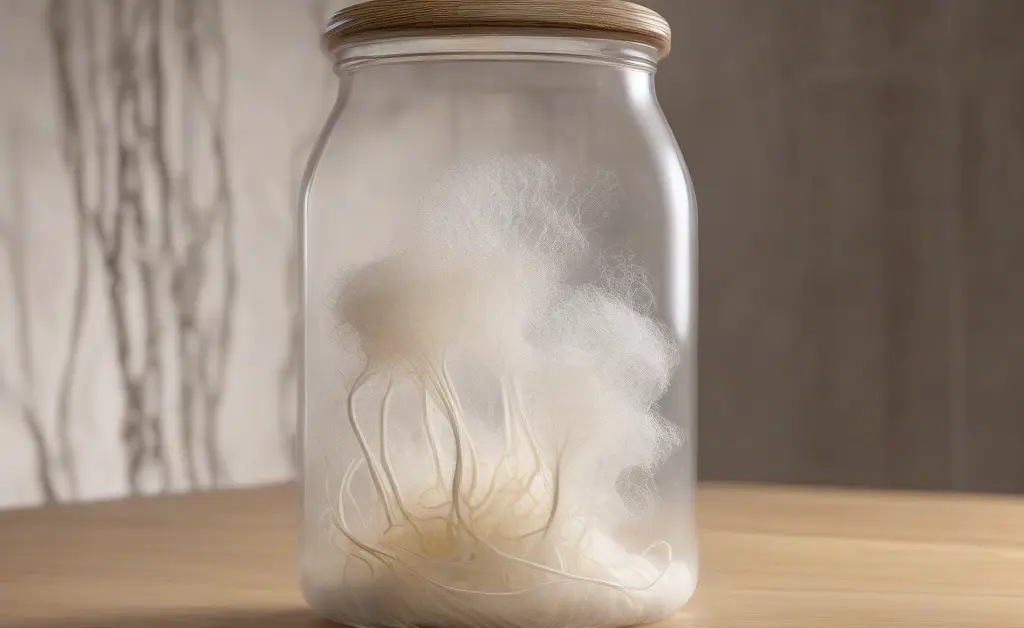
The application of culinary mushroom liquid culture in cultivation brings several noteworthy benefits that can streamline the growing process and improve outcomes.
Faster Colonization Times
One of the most significant advantages of using liquid culture is the accelerated colonization rate of substrates. When mycelium from a liquid culture is introduced to a grain spawn or other growing medium, it is already in an active, vegetative growth phase. Unlike spores, which need time to germinate and establish, the mycelium in a liquid culture is ready to immediately begin colonizing its new environment. This head start can shave days, or even weeks, off the total cultivation cycle, leading to quicker harvests and more efficient use of resources.
Ease of Use for Inoculation
Culinary mushroom liquid culture is exceptionally user-friendly for inoculation. The mycelial solution can be drawn into a sterile syringe, making it easy to dispense precise amounts into grain jars, spawn bags, or other substrates. This method is often cleaner and less prone to introducing airborne contaminants compared to handling agar wedges or spore prints directly. The liquid format allows for even distribution of mycelium across the substrate, ensuring a more uniform and robust colonization.
Reduced Contamination Risk
While no cultivation method can entirely eliminate the risk of contamination, liquid culture can help mitigate it. When properly prepared and maintained, a healthy liquid culture can be relatively resilient. The active, fast-growing mycelium in a well-made culture can often outcompete slower-growing bacterial or mold contaminants, especially if introduced in small amounts. Additionally, the ability to visually inspect a liquid culture for signs of contamination before inoculation allows growers to avoid wasting substrates on compromised cultures, thereby reducing overall contamination rates in their projects.
How to Use Culinary Mushroom Liquid Culture
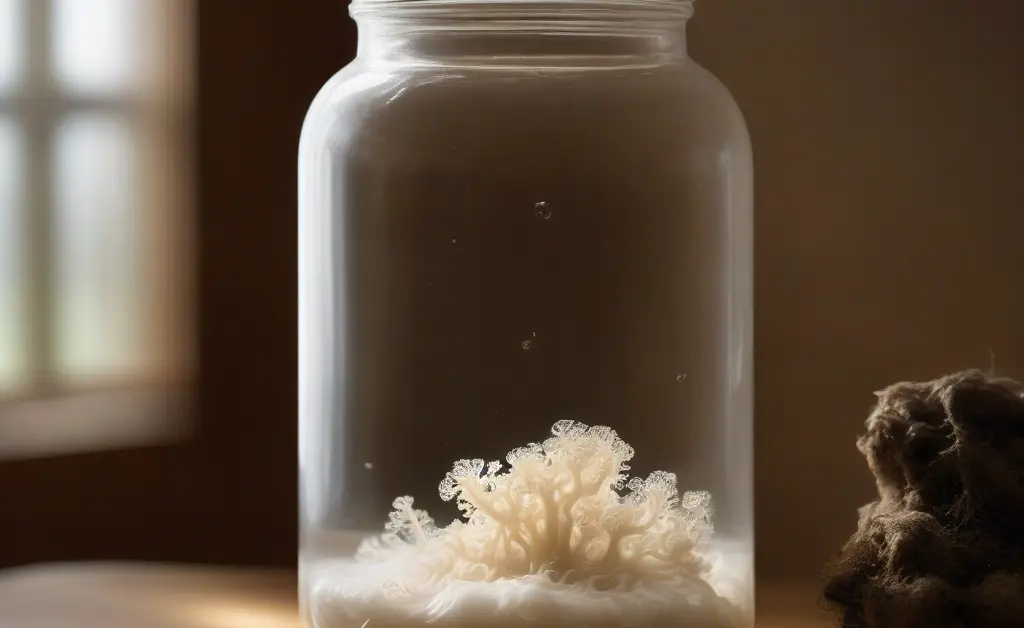
Effective utilization of culinary mushroom liquid culture is key to successful mushroom cultivation, serving as a versatile tool for propagation.
Inoculating Grain Jars or Spawn Bags
One of the primary uses for liquid culture is inoculating grain jars or spawn bags, which serve as the foundation for further mycelial expansion. After sterilizing the grain substrate, a small amount of the culinary mushroom liquid culture is injected through a self-healing injection port or under sterile conditions. The live, active mycelium suspended in the liquid quickly spreads throughout the grain, colonizing it thoroughly and uniformly. This process efficiently transforms the grain into a mycelial mass ready to be transferred to a bulk substrate for fruiting.
Inoculating Liquid Cultures for Further Expansion
Culinary mushroom liquid culture can also be used to expand existing liquid cultures, creating more inoculum from a smaller initial volume. This is particularly useful for growers who need large quantities of mycelium or want to maintain a specific strain. A small amount of established liquid culture is transferred into a fresh, sterile nutrient solution. This “liquid-to-liquid” transfer ensures that the new culture starts with strong, viable mycelium, promoting rapid growth and replication of the desired strain. This method allows for indefinite propagation of a healthy culture, provided sterile techniques are rigorously followed.
Tips for Successful Inoculation
To ensure successful inoculation using liquid culture, several tips are advisable. Always work in a clean, sterile environment, such as a still air box or a laminar flow hood, to minimize airborne contaminants. Flame sterilize the needle of your syringe before and after each inoculation to prevent cross-contamination. Avoid injecting too much liquid, as excessive moisture can create anaerobic conditions detrimental to mycelial growth. Observe your inoculated substrates closely for signs of healthy growth, which typically appear as white, fluffy mycelium, and be vigilant for any discolored patches or foul odors that may indicate contamination.
Choosing the Right Culinary Mushroom Liquid Culture
Selecting an appropriate culinary mushroom liquid culture is a critical step that directly impacts the success and quality of your mushroom yield.
Popular Culinary Mushroom Strains Available
A wide variety of culinary mushroom strains are available in liquid culture format, catering to diverse tastes and growing conditions. Some popular choices include oyster mushrooms (e.g., Pearl Oyster, Blue Oyster, Pink Oyster), known for their vigorous growth and versatility; shiitake mushrooms, prized for their rich flavor and medicinal properties; and lion’s mane mushrooms, recognized for their unique texture and potential health benefits. Further research into the health benefits of various fungi can be found on resources like NIH. Other common options include reishi, maitake, and various types of button mushrooms. Each strain has specific environmental preferences and growth characteristics, making it important to choose one that aligns with your cultivation goals and experience level.
Factors to Consider (Source, Purity, Strain)
When choosing a liquid culture, several factors warrant careful consideration. The **source** of the liquid culture is paramount; reputable vendors or experienced growers are more likely to provide high-quality, viable cultures. **Purity** is another crucial aspect; a pure liquid culture should contain only the desired mushroom mycelium, free from bacterial or mold contaminants. A contaminated culture can lead to failed projects and wasted resources. Lastly, the specific **strain** of mushroom should be chosen based on your desired outcomes—whether for flavor, texture, growth speed, or difficulty level. Researching the characteristics of different strains will help you make an informed decision about the culinary mushroom liquid culture that best suits your needs.
Where to Buy Liquid Culture
Liquid cultures can be purchased from various sources, ranging from specialized mycological supply companies to independent growers online. Many vendors offer a broad selection of culinary mushroom liquid culture strains, often with detailed descriptions of their growth habits and culinary uses. When buying, look for suppliers with strong reputations for quality control, clear labeling, and good customer reviews. Some suppliers may also provide information on the genetic lineage or specific characteristics of their cultures. It is also possible to trade cultures with other experienced hobbyists, but always exercise caution to ensure the purity and viability of any transferred culture.
Storage and Handling of Culinary Mushroom Liquid Culture
Proper storage and careful handling are essential for maintaining the viability and purity of culinary mushroom liquid culture over time.
Optimal Storage Conditions (Temperature, Light)
To maximize the shelf life and health of a liquid culture, optimal storage conditions are necessary. Generally, liquid cultures thrive when stored in a cool, dark environment. Refrigeration, typically at temperatures around 2-4°C (35-40°F), is often recommended as it slows down mycelial metabolism, extending the culture’s viability without freezing it. Exposure to direct light should be avoided, as it can stress the mycelium and potentially encourage contamination or premature fruiting. Consistent temperature and minimal disturbance help to preserve the culture’s integrity.
Shelf Life of Liquid Culture
The shelf life of a culinary mushroom liquid culture can vary depending on the mushroom species, the nutrient solution used, and the storage conditions. Under ideal refrigerated conditions, many liquid cultures can remain viable for several months, and sometimes even up to a year or more. However, as the culture ages, its vitality may gradually decrease, potentially leading to slower colonization times. It is generally advisable to use liquid cultures within a few months of preparation for best results. Regularly inspecting stored cultures for signs of contamination is also a good practice.
Signs of Contamination in Liquid Culture
Identifying contamination early is critical for preventing widespread issues in your cultivation efforts. A healthy culinary mushroom liquid culture should typically appear cloudy white or off-white, with visible strands or clumps of mycelium suspended in the liquid. Common signs of contamination include unusual colors such as green, black, or red patches, which often indicate mold. Bacterial contamination might present as a murky, uniformly cloudy liquid, sometimes with a foul or sour odor, even if no distinct mycelial growth is visible. Any deviation from the expected appearance, especially a change in color, smell, or texture, should be treated as a potential contamination and the culture should ideally be discarded to protect other clean cultures and substrates.
By understanding and carefully implementing the practices surrounding culinary mushroom liquid culture, cultivators can significantly improve their success rates, achieve faster growth cycles, and enjoy a more consistent harvest of their favorite gourmet fungi. From meticulous preparation to careful inoculation and vigilant storage, each step contributes to a thriving and productive mushroom cultivation journey.
It is important to note that this content is not intended as medical advice. This article provides general information about culinary mushroom liquid culture for cultivation purposes. It should not be used as a substitute for professional guidance from mycologists or experienced growers. Always conduct thorough research and exercise caution when undertaking mushroom cultivation activities. Individual results may vary, and successful cultivation depends on numerous factors.
FAQ
What is liquid culture used for in mushroom growing?
Liquid culture serves as a nutrient-rich suspension where mushroom mycelium can actively grow and multiply. It is commonly used by cultivators to expand a small genetic sample of mushroom tissue or spores into a larger volume of viable mycelium. This expanded mycelium can then be used to inoculate substrates for mushroom fruiting or to create more liquid culture.
How long does liquid culture last?
The shelf life of liquid culture depends on several factors, including the specific mushroom species and the nutrient composition of the medium. When stored properly under cool, dark conditions, it can remain viable for months to potentially over a year. Regular agitation or periodic transfers to fresh media can help to maintain its vigor.
Can you grow mushrooms directly from liquid culture?
Yes, mushrooms can be grown directly from liquid culture by inoculating it into a sterilized grain or substrate. The mycelium present in the liquid will colonize the new material, providing a strong and healthy start for mushroom development. This method is often favored for its ability to rapidly inoculate larger volumes of substrate.
What is the difference between liquid culture and agar?
Agar provides a solid surface for growing and isolating mushroom mycelium, allowing for easy observation of growth patterns and selection of healthy strains. Liquid culture, in contrast, suspends mycelium in a nutrient broth, facilitating rapid expansion of biomass for inoculation purposes. While both are methods for mushroom cultivation, agar is typically used for propagation and purification, whereas liquid culture is more geared towards bulk expansion.
How do you store mushroom liquid culture?
Mushroom liquid culture is best stored in a cool, dark place, such as a refrigerator. Maintaining a consistent temperature and minimizing light exposure helps to slow down the metabolic rate of the mycelium, preserving its viability. It is also advisable to gently agitate the culture periodically to ensure the mycelium remains suspended and receives adequate aeration.