
Culinary Spore Syringes: A Practical Guide
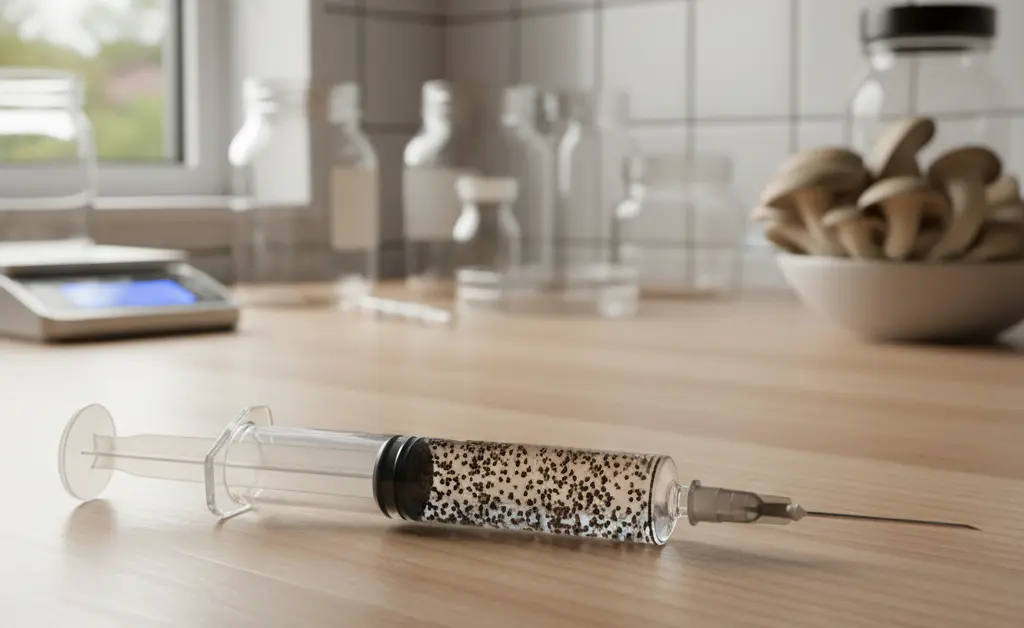
In an era where home gardening and sustainable food practices are gaining significant traction, cultivating gourmet mushrooms has become an increasingly popular pursuit for food enthusiasts and health-conscious individuals alike. The appeal lies not just in the satisfaction of growing your own ingredients, but also in the ability to access rare and exotic fungi that can elevate any culinary creation. For those looking to delve into this rewarding hobby, understanding the foundational tools is key. This guide explores the use of a culinary mushroom spore syringe, an essential instrument that empowers growers to initiate their own mushroom cultures with precision and efficiency, ensuring a successful harvest that brings fresh, flavorful ingredients directly to their kitchen.
What is a Mushroom Spore Syringe?
A mushroom spore syringe is a vital tool for mycologists and home cultivators, consisting of a sterile syringe filled with purified water containing microscopic mushroom spores. These spores are essentially the “seeds” of a mushroom, and when introduced to a suitable growing medium, they can germinate and develop into a mycelial network. The liquid solution ensures the spores are hydrated and evenly distributed, allowing for precise inoculation. Understanding the fundamental components of a spore syringe—the sterile water, the syringe itself, and the suspended spores—is crucial for successful cultivation. For those interested in alternatives, learning about culinary mushroom liquid culture can also be beneficial.
How To Make A Mushroom Spore Print And Spore Syringe
Creating your own mushroom spore print involves carefully collecting the spores from a mature mushroom cap onto a sterile surface, such as aluminum foil or glass. This process preserves the genetic material for future use. Once a spore print is obtained, one can attempt to prepare a homemade spore syringe by scraping the spores into sterile water and drawing them into a sterilized syringe. However, homemade methods inherently carry a higher risk of contamination compared to professionally prepared syringes. Commercially produced spore syringes are meticulously created in laboratory conditions to ensure maximum sterility and viability, minimizing the chances of introducing unwanted contaminants to your grow medium. This careful preparation is a key differentiator when comparing a mushroom liquid culture vs spore syringe, as liquid cultures often contain live, actively growing mycelium, while spore syringes contain dormant spores.
How to Use a Mushroom Spore Syringe for Culinary Cultivation
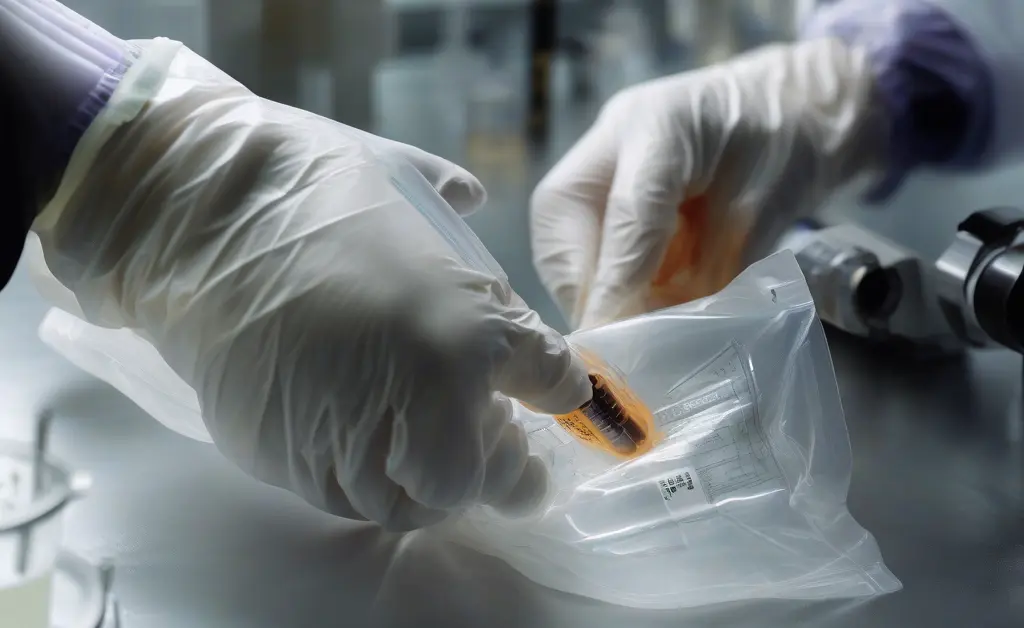
Using a culinary mushroom spore syringe effectively requires attention to detail and a sterile environment. The initial step involves preparing your workspace and materials. This means sanitizing all surfaces, tools, and your hands to prevent contamination. Once prepared, the spore syringe is used to inoculate a sterilized substrate, which is the nutritional base for the mushroom mycelium. This inoculation technique typically involves injecting a small amount of the spore solution directly into the substrate. The spores then enter their germination process, where they begin to grow into mycelium. Following inoculation, the substrate is placed in an incubation period, allowing the mycelium to fully colonize the substrate. After colonization, the substrate is ready for transfer to a fruiting chamber where environmental conditions are optimized for mushroom growth, ultimately leading to a successful harvest of delicious culinary mushrooms. Maintaining sterility and carefully monitoring for any signs of contamination are paramount throughout this entire process. For a deeper understanding of the available options, explore culinary mushroom spores.
Types of Culinary Mushrooms Suitable for Spore Cultivation
Many popular culinary mushrooms can be successfully cultivated from spores, offering growers a wide variety of flavors and textures. Oyster mushrooms (Pleurotus ostreatus) are a fantastic starting point due to their vigorous growth and adaptability. Shiitake mushrooms (Lentinula edodes) are another highly sought-after species, known for their rich, umami flavor. Lion’s Mane (Hericium erinaceus) is prized for its unique seafood-like texture and taste. Other examples include Reishi (Ganoderma lucidum), often used for its beneficial properties but also consumed, and various species of Enoki (Flammulina velutipes). Each of these types offers a rewarding cultivation experience and the opportunity to enjoy gourmet ingredients fresh from your own growing space. Understanding the specific environmental needs for each species can further enhance the success of your spore cultivation efforts.
Benefits of Using Spore Syringes for Mushroom Growing
Utilizing a culinary mushroom spore syringe offers several distinct advantages for home cultivators. One significant benefit is cost-effectiveness. Spore syringes are typically more affordable than colonized substrates or liquid cultures, making them an economical choice for beginners or those experimenting with new varieties. They also provide access to greater variety and genetic diversity. Since spores represent the reproductive cells of the mushroom, they carry a wider genetic range compared to cloned mycelium, potentially leading to stronger, more resilient strains over time. Furthermore, spore syringes boast a relatively long shelf life when stored correctly, allowing cultivators to acquire them and use them as needed. This flexibility, coupled with the ability to initiate new cultures from scratch, positions the spore syringe as a fundamental tool for any serious mushroom enthusiast.
Where to Buy Culinary Mushroom Spore Syringes
When purchasing a culinary mushroom spore syringe, it’s crucial to identify reputable suppliers who prioritize sterility and spore viability. Look for vendors with transparent practices, positive customer reviews, and clear descriptions of their products. A reliable seller will typically provide information about the species, concentration of spores, and proper storage guidelines. While the legality of mushroom spores can vary depending on the species and jurisdiction, purchasing spores for cultivation of non-psychoactive culinary mushrooms is generally permissible in many regions. It’s always advisable to verify local regulations before making a purchase. Choosing a trusted source not only ensures you receive a high-quality product but also supports ethical and responsible mycological practices. Understanding what to look for in a seller, such as adherence to sterile lab conditions and strong customer support, can make a significant difference in your cultivation success. Information on health and safety guidelines related to food can be found on the WHO website.
Troubleshooting Common Spore Syringe Issues
Even with careful preparation, cultivators may encounter issues when working with spore syringes. One common problem is low germination rates, which can be attributed to several factors including old or improperly stored spores, insufficient sterilization of the substrate, or even inherent genetic viability issues within the spore batch. Another significant concern is contamination. Signs of contamination can include unusual colors (green, black, pink molds), foul odors, or bacterial films appearing on the substrate instead of healthy white mycelial growth. To mitigate these risks, always adhere to strict sterile procedures during inoculation. Regarding storage best practices, spore syringes should generally be kept refrigerated at a consistent, cool temperature and away from direct light to maximize their shelf life. While “how long do mushroom spore syringes last?” can vary, proper storage can extend their viability for several months. If you notice any suspicious growth in the syringe itself or on your inoculated substrate, it’s best to err on the side of caution and discard it to prevent spreading potential contaminants.
Embarking on the journey of cultivating your own gourmet mushrooms at home is a deeply satisfying endeavor, allowing you to bring exotic flavors and fresh ingredients directly to your kitchen. The culinary mushroom spore syringe serves as an accessible and efficient starting point for this rewarding hobby, enabling precise inoculation and the propagation of diverse mushroom species. By understanding its proper use, benefits, and common troubleshooting techniques, you can foster a successful and prolific mushroom garden, enriching your culinary experiences with every harvest.
This content is for informational use and should not be considered medical instruction. It is not intended to be a substitute for professional medical advice, diagnosis, or treatment. Always seek the advice of your physician or other qualified health provider with any questions you may have regarding a medical condition. Never disregard professional medical advice or delay in seeking it because of something you have read in this article.
FAQ
What are the best culinary mushrooms to grow from spore syringes?
Certain species, like oyster mushrooms, are highly regarded for their ease of cultivation from spore syringes and rapid colonization. Lion’s Mane and Shiitake mushrooms are also popular choices, offering distinct flavors and textures. These varieties are well-studied and generally forgiving for beginner growers experimenting with a culinary mushroom spore syringe.