
Enjoy Hedgehog Mushrooms Year-Round: A Drying Guide
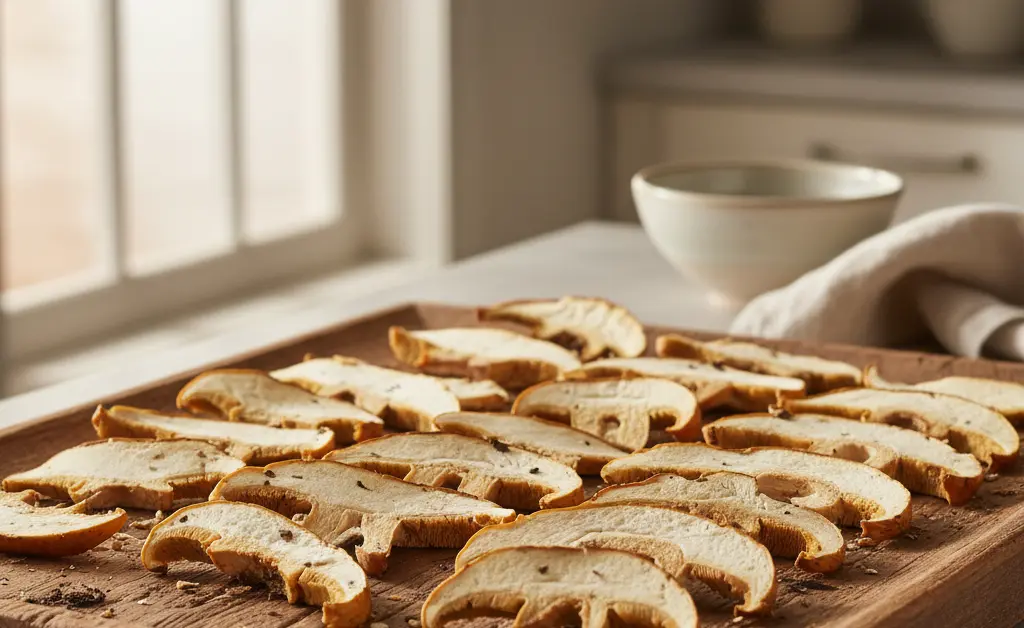
Drying hedgehog mushroom is a practical and rewarding way to preserve the distinctive flavor and texture of these beloved wild fungi, ensuring their enjoyment long after their seasonal availability. This preservation method not only extends their shelf life but also intensifies their rich, nutty, and slightly sweet notes, making them a versatile ingredient for various culinary applications throughout the year. Whether you’re a seasoned forager or simply appreciate gourmet ingredients, mastering the techniques to properly dry these unique mushrooms is a valuable skill. This guide will walk you through effective methods for preparation, drying, storage, and rehydration, empowering you to savor the taste of the forest anytime you wish.
Effective Methods for Drying Hedgehog Mushrooms
Proper preparation is key to successful drying, ensuring your preserved mushrooms retain their quality and flavor. When undertaking the task of drying hedgehog mushroom, attention to detail at each step will yield the best results.
Cleaning Hedgehog Mushrooms
Before any drying process begins, it’s crucial to thoroughly clean your hedgehog mushrooms. Unlike many cultivated mushrooms, wild varieties often come with debris like soil, pine needles, or small insects. Avoid washing them under running water, as mushrooms absorb moisture readily, which can hinder the drying process and potentially lead to spoilage. Instead, use a soft brush or a damp cloth to gently wipe away any dirt. For stubborn bits, a small, sharp knife can be used to carefully scrape them off. Pay particular attention to the underside where the “teeth” (spines) are located, as debris can accumulate there.
Slicing for Optimal Drying
Once clean, prepare the mushrooms for drying by slicing them. The goal is to create uniform pieces that allow for consistent and efficient moisture removal. Thicker slices will take considerably longer to dry and may risk incomplete drying, while overly thin slices might become brittle or lose too much texture. Aim for slices that are about 1/4 inch (approximately 0.6 cm) thick. Smaller mushrooms can be halved or quartered, depending on their size. This uniform thickness is particularly important for processes like air drying or oven drying, where consistency ensures even results. For more information on mushroom preparation, you can learn how to cook turkey tail mushroom.
Using a Food Dehydrator
A food dehydrator is arguably the most efficient and reliable method for drying hedgehog mushroom. It provides a controlled environment with consistent temperature and airflow, which is ideal for moisture removal. Arrange the sliced mushrooms in a single layer on the dehydrator trays, ensuring no pieces overlap, as this impedes air circulation. Consult your dehydrator’s manual for specific temperature settings, but generally, a low temperature is recommended. The drying time can vary depending on the mushroom’s moisture content and slice thickness, but it often takes several hours until the mushrooms are brittle and completely dry. Periodically check the mushrooms, rotating trays if necessary, to ensure even drying.
Air Drying Technique
Air drying is a traditional and simple method, best suited for areas with low humidity and good airflow. This method requires patience and specific environmental conditions to prevent mold growth. To air dry, string the sliced mushrooms onto a sturdy thread using a needle, leaving small gaps between each piece. Alternatively, you can arrange them on screens or racks. Hang the strung mushrooms or place the racks in a warm, dry, well-ventilated area, away from direct sunlight, which can bleach their color. A fan can be used to enhance air circulation. This process can take several days to a week or more, depending on the ambient conditions. The mushrooms are ready when they are crisp and easily break apart.
Oven Drying (Low Temperature Method)
Oven drying can be a viable alternative if you don’t have a dehydrator and air drying conditions aren’t suitable. The key is to use the absolute lowest temperature setting your oven offers, ideally around 120-150°F (approximately 50-65°C), and to keep the oven door slightly ajar to allow moisture to escape. Place the sliced mushrooms in a single layer on baking sheets lined with parchment paper. Periodically turn the mushrooms to promote even drying. This method also requires a significant amount of time, often several hours, and careful monitoring to ensure the mushrooms dry out rather than cook. They should feel brittle and completely devoid of moisture when finished. For advice on other types of mushrooms, consider the enoki mushroom cooking time.
Storing Dried Hedgehog Mushrooms
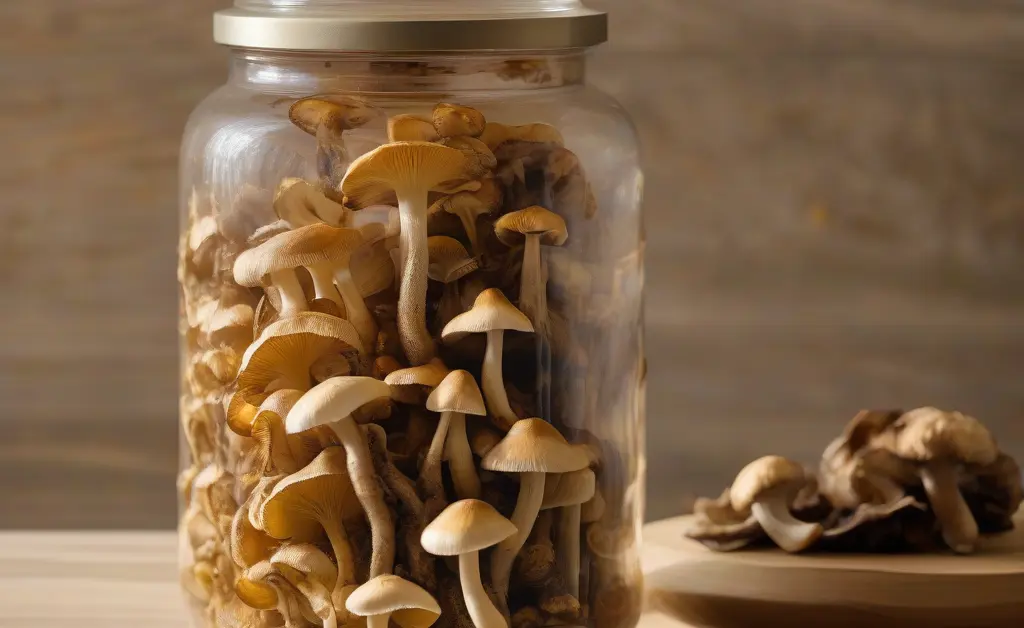
Once your hedgehog mushrooms are thoroughly dried, proper storage is essential to maintain their quality and extend their shelf life. Effective storage ensures that the effort put into drying hedgehog mushroom translates into long-term enjoyment.
Best Practices for Storage
The primary enemies of dried mushrooms are moisture, light, and air. To protect your dried hedgehog mushrooms, store them in airtight containers. Glass jars with tight-fitting lids, vacuum-sealed bags, or food-grade Mylar bags are excellent choices. Ensure the containers are completely clean and dry before adding the mushrooms. For an extra layer of protection against moisture, you might consider adding a food-grade desiccant packet to the container, especially in humid climates. Store the sealed containers in a cool, dark place, such as a pantry or cupboard, away from direct sunlight or heat sources. Exposure to light can degrade the mushrooms’ flavor and color over time.
Shelf Life of Dried Hedgehog Mushrooms
When stored correctly, dried hedgehog mushrooms can maintain their quality for an extended period. Typically, they can last for at least one year, and often significantly longer, sometimes up to two or three years, without noticeable degradation in flavor or texture. The key is to ensure they are fully dried to begin with and stored in optimal conditions. Regularly check your stored mushrooms for any signs of moisture, mold, or off-odors, which would indicate improper drying or storage. If properly dried and stored, they will continue to offer their distinct earthy and nutty notes for future culinary endeavors. Information on global health standards can be found at WHO.
Reconstituting and Using Dried Hedgehog Mushrooms
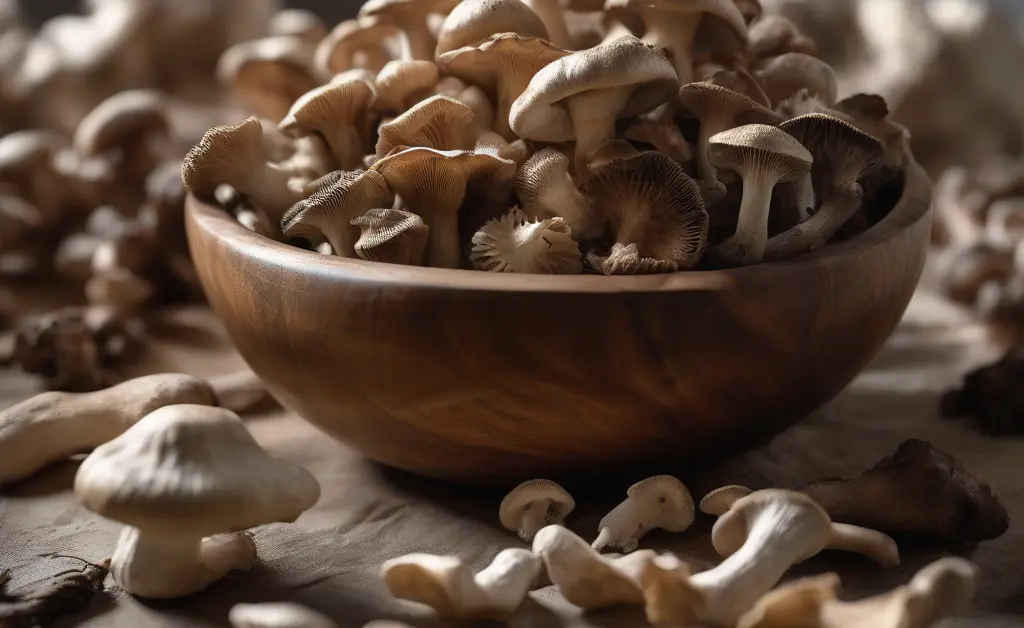
The process of rehydrating dried hedgehog mushroom is simple and unlocks their full flavor and texture, preparing them for a wide range of culinary uses. Once rehydrated, they can be used similarly to fresh mushrooms.
Rehydration Process
To rehydrate your dried hedgehog mushrooms, place the desired amount in a bowl and cover them with warm water or broth. The liquid should fully immerse the mushrooms. The rehydration process usually takes about 20 to 30 minutes, but very thick pieces might require a bit longer. You will notice the mushrooms swelling and becoming pliable as they absorb the liquid. Once soft, gently squeeze any excess liquid from the mushrooms. The resulting mushroom broth can be strained through a fine-mesh sieve or coffee filter to remove any residual grit and then used as a flavorful base for soups, sauces, or risottos, adding depth to your dishes. The rehydrated mushrooms are then ready to be incorporated into your recipes, bringing their unique taste and texture to your plate.
Drying hedgehog mushroom is an excellent way to extend the enjoyment of this delightful fungi throughout the year. By following these preparation, drying, storage, and rehydration methods, you can preserve their unique flavor and texture, ensuring a supply of gourmet ingredients for any season.
This information should be viewed as educational rather than medical advice. The content provided here is intended for general knowledge and informational purposes only, and does not constitute medical advice, diagnosis, or treatment. Always consult with a qualified healthcare professional for any health concerns or before making any decisions related to your health or well-being.
FAQ
What is the best way to dry hedgehog mushrooms?
Drying hedgehog mushrooms is most effectively done using a food dehydrator, which provides consistent low heat and airflow. This method ensures even drying and helps preserve the mushroom’s flavor and nutrients. Proper drying prevents spoilage and prepares them for long-term storage.
How do you prepare hedgehog mushrooms for drying?
Before drying, hedgehog mushrooms should be cleaned to remove any dirt or debris. Gently brush them with a soft brush or a damp cloth; avoid washing if possible to minimize moisture content. Larger mushrooms may be sliced to ensure more uniform drying.
Can you dry hedgehog mushrooms without a dehydrator?
Yes, hedgehog mushrooms can be dried without a dehydrator by using an oven set to its lowest temperature or by air-drying in a warm, dry, and well-ventilated area. Placing them on a rack with good airflow is crucial for successful drying. This process may take longer than using a dehydrator.
How long do dried hedgehog mushrooms last?
Properly dried and stored hedgehog mushrooms can retain their quality for an extended period, often up to a year or longer. Keeping them in an airtight container in a cool, dark, and dry place is essential for maintaining their shelf life. Moisture is the primary enemy of dried mushrooms.
Do you need to wash hedgehog mushrooms before drying?
Washing hedgehog mushrooms before drying is generally not recommended, as they can absorb excess water. Instead, it’s better to gently brush away any soil or debris with a soft brush or wipe them with a damp cloth. If they are particularly dirty, a very quick rinse and immediate thorough drying might be necessary, but this should be avoided if possible.
How do you rehydrate dried hedgehog mushrooms?
To rehydrate dried hedgehog mushrooms, place them in a bowl and cover them with warm water or broth. Allow them to soak for about 20 to 30 minutes, or until they are tender. The soaking liquid can also be strained and used in recipes for added flavor.