
The Definitive Guide to Mushroom Foraging in Denmark
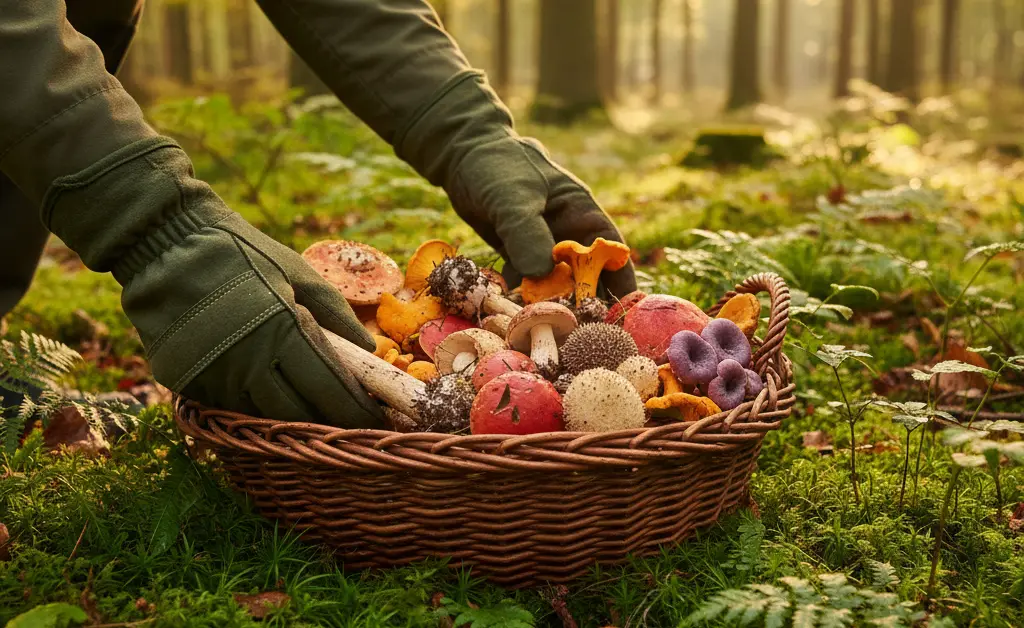
Have you ever wondered what culinary treasures lie hidden in Denmark’s forests? The practice of mushroom foraging offers a unique way to connect with nature and discover a diverse array of flavors. From the seasoned mycologist to the curious beginner, the allure of finding fresh, wild ingredients is undeniable. However, successful and safe foraging requires proper identification and adherence to best practices. This comprehensive guide aims to equip you with the essential knowledge needed to explore the fascinating world of edible mushrooms in Denmark. We will delve into common species, their habitats, safe harvesting techniques, and even their culinary applications, ensuring you can confidently and responsibly enjoy the bounty that nature provides. Understanding the local flora is key to a rewarding foraging experience.
Edible Mushrooms Denmark Identification
Identifying edible mushrooms in Denmark is a critical skill for any aspiring forager. The country’s varied landscapes support a wide range of fungal species, but distinguishing between a delicious find and a potentially harmful one is paramount. While many species are harmless, some poisonous edible mushrooms Denmark exist, emphasizing that identification is key: never eat an unknown mushroom. It is strongly recommended to consult multiple reliable sources, such as field guides specific to Northern Europe, and ideally, go foraging with an experienced guide when starting out. Knowledge about edible mushrooms Europe can provide a broader context for identification. Visual identification should be combined with understanding growth habits, spore prints, and habitat.
Common Edible Mushroom Species Found in Denmark
Denmark is home to several highly sought-after edible species. Among the most popular are the Chanterelle (often referred to as “skovens guld” or forest gold), known for its distinctive funnel shape and fruity aroma. Boletes, such as the Porcini (Karl Johan), are also common, recognized by their thick stems and spongy undersides instead of gills. The Birch Bolete and Bay Bolete are other examples that foragers often seek. Another beloved group includes the Hedgehog mushroom, characterized by its spine-like projections under the cap, and various species of Milk-caps, some of which exude a milky liquid when cut.
Other Notable Edible Species
Beyond the common favorites, a variety of other notable edible species contribute to the rich diversity of edible mushrooms in Denmark. These might include the Oyster Mushroom, which often grows on dead or dying trees, or the Honey Mushroom, which can be found in large clusters around tree bases. Some species of Puffballs are also considered edible when young and firm. While perhaps less universally recognized, these species offer unique textures and flavors to those who take the time to learn their distinguishing features and safe identification markers. Similarly, those interested in edible mushrooms Romania might find species with overlapping characteristics. Exploring these options can diversify a forager’s harvest and culinary repertoire.
Types of Edible Mushrooms in Denmark
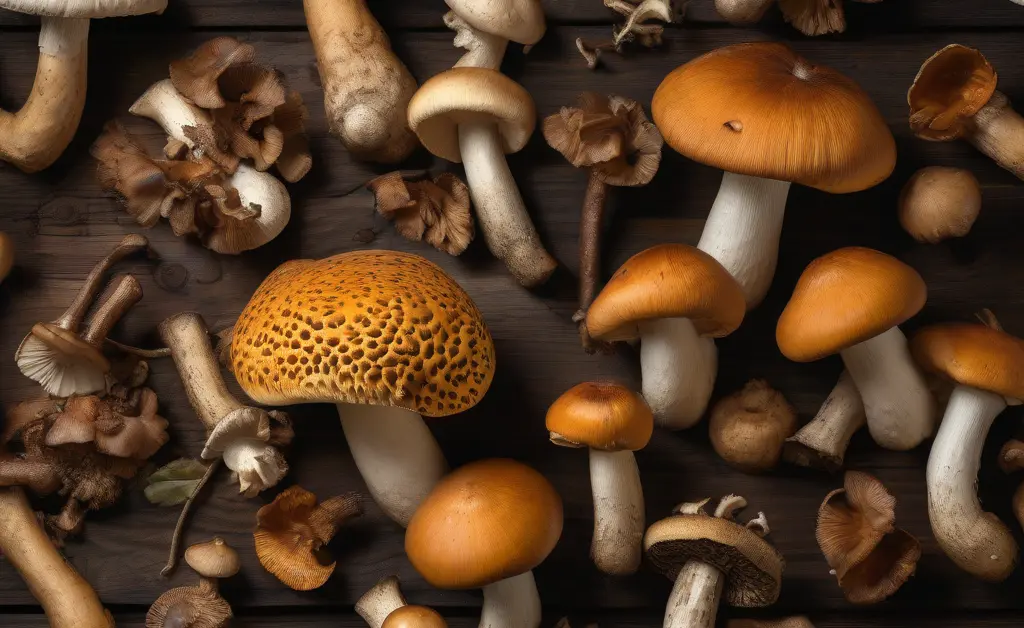
The array of edible mushrooms Denmark offers is quite extensive, encompassing a fascinating spectrum of shapes, sizes, and textures. Foragers can encounter gilled mushrooms, such as the well-known Chanterelles and various Russulas, which are characterized by their lamellae (gills) under the cap. Then there are the boletes, like the Porcini and Bay Bolete, easily identified by their porous, sponge-like underside instead of traditional gills. These types often have a robust, earthy flavor. Comparing the types found in Denmark to those in edible mushrooms Germany can highlight regional similarities and differences. Additionally, Denmark’s forests host bracket fungi, some of which are edible, growing as shelves on trees, and even some types of puffballs, which are spherical and can be eaten when young and firm.
Where to Find Edible Mushrooms in Denmark
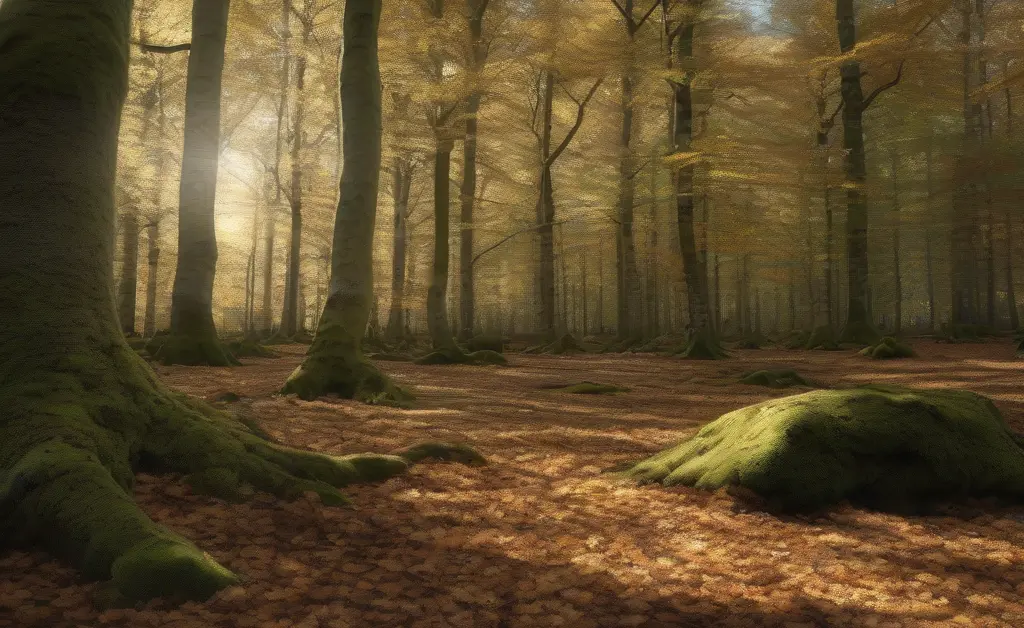
The success of finding edible mushrooms in Denmark largely depends on knowing their preferred habitats. Different species thrive in different environments, so understanding these preferences can significantly improve foraging outcomes. Forests and woodlands are prime locations, especially deciduous and mixed forests where there is a good mix of oak, beech, and birch trees. These areas often provide the shade, moisture, and specific tree root associations that many fungi require. A good understanding of local habitats is as crucial in Denmark as it is for finding edible mushrooms Netherlands. Meadows and open fields can also yield certain species, particularly after periods of rain. Less commonly, some unique varieties might be found in coastal areas, though these are typically specialized and require careful identification.
What are the edible mushrooms in Copenhagen, Denmark
Even within and around urban centers like Copenhagen, opportunities exist for finding edible mushrooms. While large, untouched forests are ideal, many city parks, managed woodlands, and green belts surrounding Copenhagen can be surprisingly productive. Areas with older trees, good leaf litter, and undisturbed soil can host species like Shaggy Ink Caps, some types of Boletes, and various species of Russula. Foraging within city limits requires extra caution regarding potential contaminants from pollution, so it’s often advisable to stick to less trafficked areas and well-maintained parks. Always ensure you are within legal foraging zones and respect private property boundaries when exploring for edible mushrooms in Copenhagen, Denmark.
Foraging Tips and Safety Guidelines for Edible Mushrooms in Denmark
Successful and safe foraging for edible mushrooms in Denmark hinges on adherence to crucial tips and guidelines. The primary rule is absolute certainty in identification: if in doubt, throw it out. Many poisonous mushrooms in Denmark resemble edible ones, making thorough knowledge indispensable. It’s advisable to carry a reputable field guide, a sharp knife for clean harvesting, and a breathable basket or paper bag to store your finds, allowing spores to disperse. Best times for foraging are typically late summer and autumn, especially after a period of rain, as this is when many species fruit most abundantly. However, some varieties appear in spring and early summer.
Sustainable harvesting practices are also vital. Only pick what you need, leave smaller mushrooms to grow, and avoid damaging the mycelial network by twisting mushrooms gently from the ground rather than tearing them out. Always check local regulations, as some areas may have restrictions on foraging. In the unfortunate event that you or someone you know consumes a suspicious mushroom and experiences symptoms, seek medical attention immediately. What to do if you suspect poisoning involves contacting emergency services or a poison control center promptly, providing as much information as possible about the mushroom ingested, and if possible, retaining a sample for identification. For reliable health information regarding mushroom poisoning, consulting resources like the National Library of Medicine can be beneficial. Educating yourself on the common “look-alikes” of edible mushrooms is a critical aspect of safe foraging in Denmark.
Culinary Uses of Edible Mushrooms in Danish Cuisine

Edible mushrooms have a cherished place in Danish cuisine, adding depth and umami to a variety of dishes. Traditionally, foraged mushrooms are celebrated for their rich, earthy flavors, which can elevate simple meals into gourmet experiences. Traditional Danish mushroom dishes often feature them sautéed with butter and herbs, served on rye bread (smørrebrød), or incorporated into creamy sauces for meat and poultry. Forest mushrooms are also commonly found in stews and soups, providing a hearty, comforting element, especially during the colder months.
Modern Danish mushroom recipes continue this tradition while exploring new culinary avenues. Chefs and home cooks alike experiment with mushrooms in risottos, tarts, and even as a substitute for meat in vegetarian dishes. Pairing mushrooms with Danish ingredients like fresh dill, smoked cheese, or cured meats creates harmonious flavor profiles. Their versatility allows them to be roasted, grilled, pickled, or dried for later use, ensuring that the bounty of the forest can be enjoyed year-round.
Legal Aspects of Mushroom Foraging in Denmark
Understanding the legal aspects of mushroom foraging in Denmark is essential for a responsible and enjoyable experience. Denmark operates under a “Right to Roam” (often referred to as Allemandsretten, though this term is more commonly associated with Scandinavian countries like Sweden and Norway, Denmark has similar public access rights to nature). This generally means that the public has access to most natural areas, including forests, for recreational purposes, which includes foraging for non-protected wild edibles.
However, there are important restrictions and regulations to consider. While foraging is largely permitted in public forests owned by the state, there can be limitations on the quantity picked. Typically, you are allowed to collect for personal consumption, which often means an amount that can fit in a standard shopping bag. Foraging on private land requires the landowner’s explicit permission. It is crucial to respect marked private property boundaries. Additionally, certain rare or protected mushroom species are illegal to pick, so it’s vital to be aware of what you are harvesting. Can you pick mushrooms in Danish forests? Generally, yes, but always verify the specific rules for the area you plan to visit, as regulations can vary by municipality or private ownership. What are the rules for mushroom foraging in Denmark? They emphasize personal consumption, respect for private property, and awareness of protected species, ensuring sustainable enjoyment of nature’s offerings.
Edible Mushrooms Denmark Pictures
Visual identification is a cornerstone of safe mushroom foraging, and observing high-quality edible mushrooms Denmark pictures is an invaluable tool for learning. While this guide provides textual descriptions, seeing clear images of different species from various angles, showing their cap, gills or pores, stem, and any distinguishing features, is critical. Foragers should consult reputable field guides, online mycological databases, and educational resources that offer detailed photographs and comparisons with similar-looking, potentially poisonous species. Understanding the visual characteristics of edible mushrooms in their natural habitat, and how they might change with age or weather conditions, significantly enhances one’s ability to identify them correctly and safely.
The world of edible mushrooms in Denmark is a rich tapestry waiting to be explored by curious individuals. With proper knowledge, careful identification, and respect for nature’s rules, foraging can become a fulfilling and delicious hobby. Remember to prioritize safety above all else, always double-check your findings, and enjoy the unique flavors that Denmark’s forests have to offer.
Readers should understand that this article does not offer medical diagnosis or treatment. This information is intended for educational purposes only and should not replace professional medical advice. Always consult with a qualified healthcare provider for any health concerns or before making any decisions related to your health or well-being. The content provided is not a substitute for professional guidance.
FAQ
What are the most common edible mushrooms in Denmark?
Commonly found edible mushrooms in Denmark include the Field Mushroom (Agaricus campestris) and the Chanterelle (Cantharellus cibarius). These species are well-adapted to the Danish climate and are frequently encountered in forests and meadows. Many other edible mushrooms like Penny Bun (Boletus edulis) and various species of Russula are also present.
Which edible mushrooms grow in Denmark?
A wide variety of edible mushrooms can be found growing in Denmark’s diverse ecosystems. Popular choices include the robust Porcini, known for its rich flavor, and the bright yellow Chanterelle, often found in coniferous forests. The Field Mushroom, a staple in many cuisines, is also prevalent in open grassy areas.