
A Guide to Safely Identifying Edible English Mushrooms
Foraging for wild mushrooms can be an exciting and rewarding outdoor activity, yet it often comes with a significant challenge: how to confidently distinguish between safe, delicious varieties and those that are toxic. Many enthusiasts dream of discovering nature’s bounty, but the fear of misidentification can deter even the most eager beginner. This guide aims to address that very concern by providing clear, practical information for anyone interested in identifying edible mushrooms England has to offer. We’ll explore common species, offer tips for safe foraging, and outline essential identification features to help you enjoy the culinary delights of the English countryside with peace of mind.
Common Edible Mushrooms in England
England’s diverse landscapes, from ancient woodlands to open fields, provide fertile ground for a variety of fascinating fungi. Understanding some of the most commonly sought-after edible species is the first step for any aspiring forager or culinary explorer. When seeking out edible mushrooms England boasts, knowing what to look for can significantly enhance your experience and safety.
Chanterelles
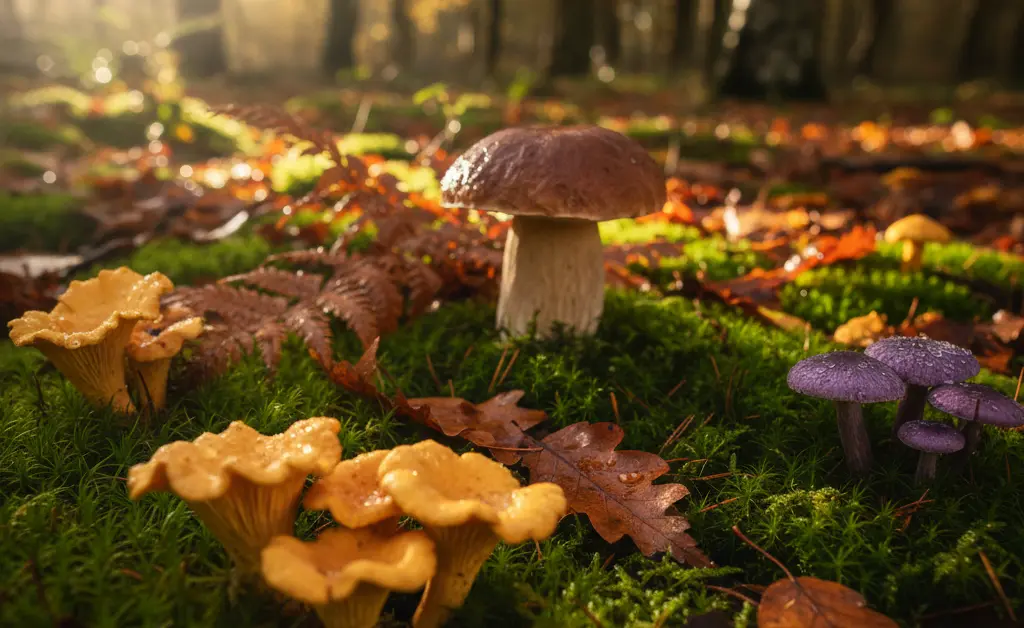
Chanterelles are highly prized for their distinctive apricot-like aroma and peppery flavor. These beautiful, funnel-shaped mushrooms are typically golden-yellow or orange, with wavy caps and gill-like ridges that run down the stem rather than true gills. They often grow in mossy areas under broadleaf trees, particularly oak and beech, and sometimes conifers. Their season typically runs from late summer into autumn.
Ceps (Porcini)
Known as the “king bolete,” Ceps (or Porcini) are among the most revered edible mushrooms. They possess a robust, nutty, and earthy flavor, making them a favorite in many culinary traditions. Ceps are characterized by their thick, bulbous stems and broad, brown caps. Instead of gills, they have a spongy, porous underside. They prefer woodlands, especially under pine, spruce, hemlock, and oak trees, emerging primarily in late summer and autumn.
Morels
Morels are a unique and highly sought-after spring mushroom, known for their distinctive honeycomb-like cap. Their flavor is often described as earthy, nutty, and slightly smoky. They vary in color from pale cream to dark brown and typically grow in disturbed ground, such as recently burned areas, riverbeds, and old orchards, often near ash or elm trees. Caution is especially important with morels due to false morel look-alikes.
Oyster Mushrooms
Oyster mushrooms are a versatile edible species, named for their oyster-shell shape. They typically grow in shelf-like clusters on decaying hardwood trees, making them relatively easy to spot. Their color can vary from white to grey or tan, and they have a delicate, slightly sweet flavor. These mushrooms can be found throughout much of the year, depending on the specific species and local climate conditions.
Field Mushrooms
Field mushrooms are a common and well-known edible species, closely related to the cultivated button mushroom. They are typically found in grassy areas, meadows, and pastures, especially after rain. They have white to brownish caps, pinkish gills that turn dark brown with age, and a distinct ring on the stem. While generally safe, care must be taken to distinguish them from poisonous look-alikes such as yellow-staining mushrooms.
Girolle Mushrooms
The Girolle, often considered synonymous with the golden chanterelle, is another highly esteemed edible mushroom in England. Like chanterelles, they are recognized by their vibrant golden-yellow color, wavy cap margins, and blunt, forked gill-like ridges that descend the stem. They share the same apricot-like scent and peppery taste, growing in similar woodland habitats, particularly among mosses under broadleaf trees. Their rich flavor makes them a popular choice for many dishes.
Foraging for Edible Mushrooms in England
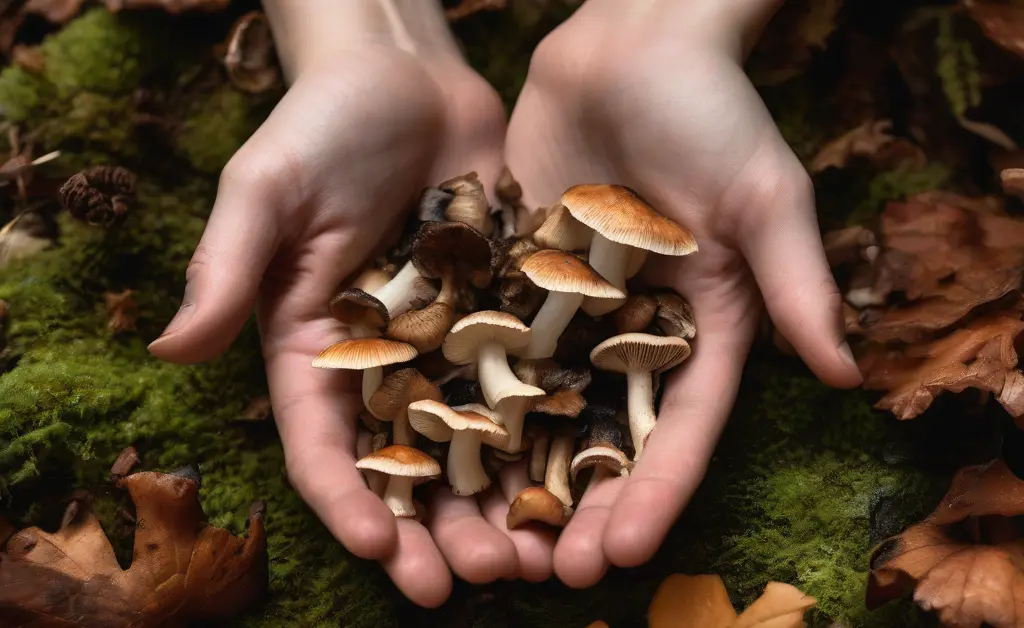
Embarking on a foraging adventure for wild mushrooms requires a blend of enthusiasm, knowledge, and caution. It’s an immersive way to connect with nature and discover the natural larder of the English countryside. To successfully and safely forage for edible mushrooms England offers, it’s essential to prepare adequately and understand responsible practices.
Edible mushroom names list and pictures
A crucial part of safe foraging is learning the common and scientific names of edible species, alongside their key identification features. While this guide provides textual descriptions, always consult high-quality field guides with clear pictures. These resources often include detailed descriptions of caps, gills, stems, spores, and habitat, which are vital for accurate identification. Developing familiarity with a limited number of common, easily identifiable species is a recommended approach for beginners. It’s paramount to never consume a mushroom unless you are 100% certain of its identity. For those interested in seasonal finds, exploring edible mushrooms UK September has to offer can be a rewarding experience.
Pictures of edible wild mushrooms
Visual aids are indispensable for mushroom identification. Reliable guides provide images that highlight critical distinctions, including “Key Identification Features” and comparisons with “Common Edible vs. Poisonous Look-alikes.” Knowing the “Best Seasons for Foraging” for specific species and understanding their “Suitable Foraging Locations” can narrow down your search. Always be aware of “Poisonous mushrooms UK” and “Poisonous wild mushrooms” that might resemble edible varieties. Foraging requires not just identification skills but also adherence to “Foraging Etiquette and Regulations” to ensure sustainable practices. Carrying “Essential Foraging Tools” like a sharp knife, a basket for spore dispersal, and a brush is also beneficial. Similarly, foragers seeking late autumn varieties will find interest in edible mushrooms UK October has to offer. Above all, the golden rule of foraging is clear: “When in Doubt, Throw It Out.”
Where to Buy Edible Mushrooms in England
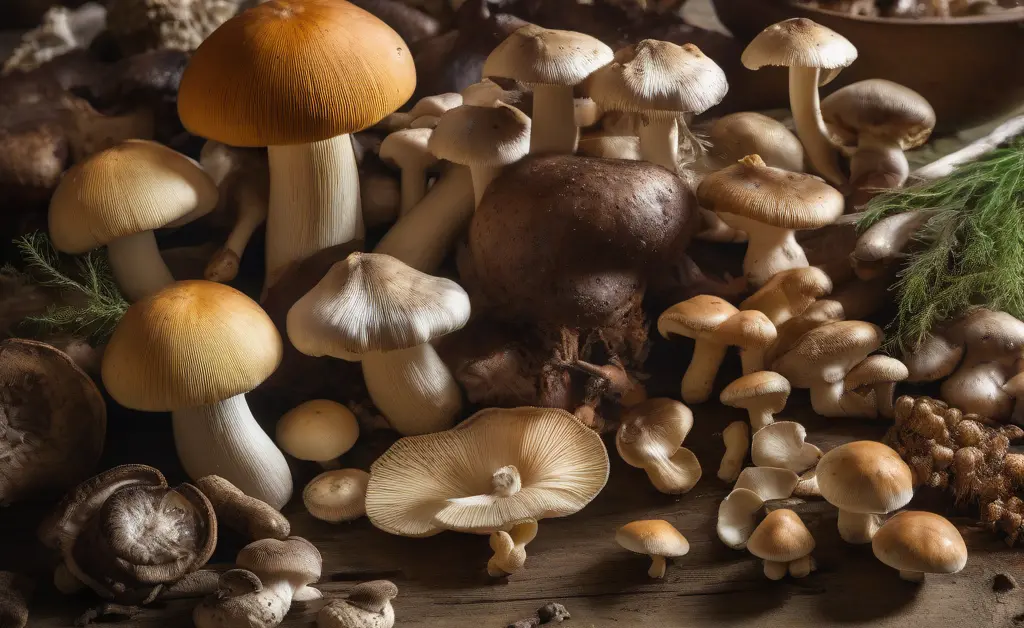
For those who prefer not to forage, or wish to enjoy certain varieties outside their natural season, there are several excellent options for purchasing edible mushrooms in England. This allows access to a wide array of culinary fungi without the risks associated with wild identification. Many retailers now offer a diverse selection, bringing the rich flavors of both cultivated and sometimes wild-harvested mushrooms directly to your kitchen. Beyond England, enthusiasts might also want to explore edible mushrooms Scotland offers.
Local Markets and Farm Shops are often the best places to find fresh, seasonal, and sometimes locally foraged mushrooms. These establishments frequently stock varieties that are difficult to find in larger supermarkets, and vendors are often knowledgeable about their produce. Specialty Food Stores, particularly those focusing on gourmet ingredients, also tend to have an impressive selection, which may include exotic and dried mushroom options. Additionally, Online Retailers have become a convenient source for a wide range of fresh and dried mushrooms, delivered directly to your door, making it easier than ever to explore the world of edible fungi. For general health guidance related to food safety, consult the WHO.
Edible mushrooms england identification
Accurate identification is the cornerstone of safe and enjoyable mushroom foraging. Even for common species, slight variations or unexpected environments can sometimes make identification challenging. Focusing on “Identifying Edible Mushrooms Safely” is a continuous learning process that involves meticulous observation and cross-referencing multiple sources. This diligence is crucial for anyone keen on finding edible mushrooms England provides.
When identifying any specimen, consider its entire profile: cap shape, color, surface texture, gill attachment, stem characteristics (presence of a ring or volva), and spore print color. Smell can also be a significant indicator. Consulting multiple “Resources for Mushroom Identification,” such as well-regarded field guides, reputable online databases, and local mycological societies, is highly recommended. Never rely on a single feature, and always err on the side of caution. Even experienced foragers sometimes use a process of elimination or seek expert confirmation. Once safely identified, understanding “Cooking and Preparing Edible Mushrooms,” their “Flavor Profiles and Pairings,” and exploring “Simple Recipe Ideas” can unlock their full culinary potential.
Exploring the world of edible mushrooms in England can be a deeply rewarding experience, offering both culinary delights and a deeper connection to nature. Whether you choose to forage with caution and knowledge or source from reliable suppliers, the diverse range of fungi available provides endless possibilities for the kitchen. Always prioritize safety, educate yourself thoroughly, and respect the natural environment to fully appreciate these fascinating organisms.
The information presented in this article is educational and not meant as professional medical counsel. It is intended for general informational purposes only and does not serve as a substitute for expert advice or professional mushroom identification. Consuming wild mushrooms can carry risks, and misidentification can lead to severe health consequences. Always consult with a qualified expert before ingesting any wild fungi.
FAQ
What are the most common edible mushrooms found in England?
Common edible mushrooms found in England include species like the field mushroom (Agaricus campestris), the wood blewit (Clitocybe nuda), and the oyster mushroom (Pleurotus ostreatus). These varieties are often recognized for their distinct culinary qualities and are sometimes found growing in natural habitats. Different types of edible mushrooms have unique growth preferences, influencing where they are typically encountered.
Where can I go foraging for edible mushrooms in England?
Foraging for edible mushrooms in England can often be successful in woodlands, forests, and meadows during the appropriate seasons. Many fungi thrive in damp, shaded environments, particularly after rainfall, and some species are associated with specific types of trees. Exploring areas known for their biodiversity can increase opportunities to find various types of mushrooms.
How do I identify edible mushrooms in England?
Accurate identification of edible mushrooms in England relies on a thorough understanding of their specific physical characteristics, such as cap shape, gill structure, stem details, and spore color. Experienced foragers often use field guides and local knowledge to distinguish between edible and non-edible varieties. It is crucial to be completely certain of a mushroom’s identity before considering it for consumption.
Are there any poisonous mushrooms in England that look like edible ones?
Yes, there are poisonous mushrooms in England that can bear a resemblance to edible species, making identification a critical step. For instance, some toxic Amanita species might be confused with certain edible Agaricus mushrooms. This similarity underscores the importance of absolute certainty in identification to avoid accidental poisoning.
What is the best way to cook edible mushrooms from England?
The best way to cook edible mushrooms from England often depends on the specific variety and its texture. Many common types, like field mushrooms, are delicious when simply sautéed with garlic and herbs to enhance their natural earthy flavors. Other varieties might lend themselves to being added to stews, risottos, or grilled dishes.