
The Cook’s Guide to Popular Edible Mushrooms
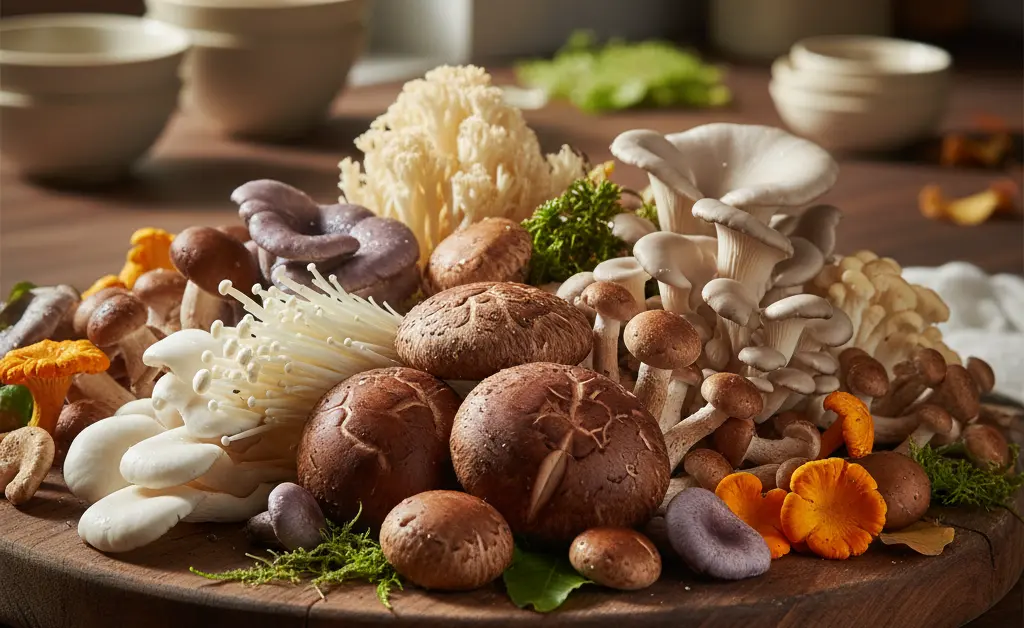
Imagine the subtle earthy aroma and rich textures that elevate a simple meal into a memorable culinary experience. For centuries, mushrooms have captivated chefs and home cooks alike, offering a diverse palette of flavors and nutritional benefits. Venturing into the world of fungi might seem daunting, but discovering the wide array of safe and delicious options can be a deeply satisfying journey. This guide is designed to instill confidence in your selection and preparation, helping you unlock the potential of these versatile ingredients. We will explore various edible mushrooms examples, from familiar grocery store staples to exotic, sought-after delicacies, providing insights into their unique characteristics and best uses in the kitchen, ensuring your next dish is both delightful and nutritious.
Common Edible Mushroom Varieties
Exploring the world of common edible mushrooms examples often begins in the local grocery store. These varieties are widely available, versatile, and form the backbone of many culinary traditions. Understanding their distinct characteristics can help home cooks make informed choices for various dishes, from simple weeknight meals to more elaborate culinary creations.
White Button Mushrooms
White button mushrooms are perhaps the most recognizable and widely consumed fungi globally. They possess a mild, earthy flavor and a firm texture that makes them incredibly adaptable to a multitude of recipes. Young and undeveloped, they are excellent when sliced raw in salads, sautéed as a side dish, or incorporated into stir-fries and casseroles. Their neutral profile allows them to absorb other flavors beautifully, making them a kitchen staple.
Cremini (Chestnut) Mushrooms
Cremini mushrooms are essentially a more mature version of the white button mushroom, harvested slightly later in their growth cycle. This additional maturity gives them a deeper, more savory flavor profile and a firmer, denser texture. Often referred to as “baby bellas,” their brown caps indicate a richer earthiness compared to their white counterparts. Cremini mushrooms excel in dishes where a more pronounced mushroom flavor is desired, such as in rich sauces, stews, or roasted vegetable medleys.
Portobello Mushrooms
Portobello mushrooms are the fully mature stage of the cremini mushroom, characterized by their large, flat caps and robust, meaty texture. Their rich, umami-laden flavor and substantial size make them a popular choice as a meat substitute, often grilled or roasted whole and served as a burger or steak alternative. They are also excellent when stuffed with various fillings, providing a satisfying and flavorful main course. Their hearty nature holds up well to intense cooking methods, including grilling.
Shiitake Mushrooms
Originating from East Asia, shiitake mushrooms are celebrated for their distinctive savory flavor, often described as smoky and umami-rich. They have a tender cap and a tougher stem (which is usually removed before cooking, but can be used to flavor broths). Shiitake mushrooms are a cornerstone of Asian cuisine, frequently found in stir-fries, soups, and noodle dishes. Their unique flavor deepens and intensifies when dried, making dried shiitake a valuable pantry item for adding concentrated umami to many preparations.
Oyster Mushrooms
Oyster mushrooms are named for their distinctive oyster-shell shape and delicate, fan-like caps. They come in various colors, including white, gray, and even pink or yellow. These mushrooms have a mild, slightly sweet flavor with a tender, velvety texture when cooked. They are incredibly versatile and perform well in quick sautéed dishes, stir-fries, and light soups. Their delicate structure means they cook relatively quickly and pair well with lighter flavors.
Enoki Mushrooms
Enoki mushrooms are easily identifiable by their long, slender stems and tiny, button-like caps, often sold in clusters. They have a delicate, slightly fruity flavor and a crisp texture. Enoki are frequently used in Asian cuisine, particularly in hot pots, soups, and salads, where they are often added towards the end of cooking to preserve their texture. They can also be briefly sautéed or used raw, adding a subtle crunch to dishes.
Unique and Specialty Edible Mushrooms
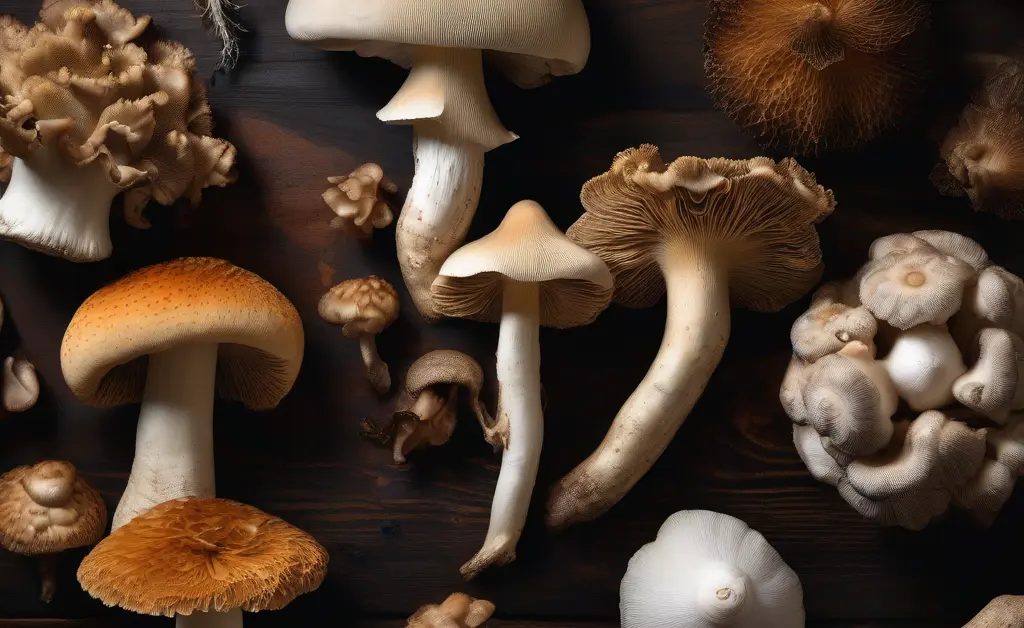
Beyond the common grocery store varieties, a world of unique and specialty edible mushrooms examples awaits the adventurous cook. These fungi often boast more intense flavors, distinct textures, and a higher price point, making them prized ingredients for gourmet dishes and special occasions. Their seasonal availability can also add to their allure.
Maitake (Hen of the Woods) Mushrooms
Maitake mushrooms, also known as Hen of the Woods due to their ruffled, feathery appearance resembling a hen’s tail feathers, grow in large, leafy clusters at the base of trees. They offer a rich, earthy, and peppery flavor with a tender-crisp texture. Maitake mushrooms are highly regarded for their versatility, performing beautifully when roasted, sautéed, or added to soups and stews. Their complex flavor makes them a standout ingredient, often featured in fine dining.
Morel Mushrooms
Morel mushrooms are among the most sought-after wild edible fungi, recognizable by their distinctive honeycomb-like caps. They possess a deep, earthy, and nutty flavor that is truly unique and intensifies when cooked. Morels are highly seasonal and are often foraged in spring. They are exceptionally delicious when gently sautéed with butter and herbs, or incorporated into rich cream sauces. Due to their porous structure, thorough cleaning before cooking is important.
Chanterelle Mushrooms
Chanterelle mushrooms are celebrated for their beautiful golden color and trumpet-like shape. They have a delicate, fruity aroma often likened to apricots, and a slightly peppery, earthy flavor. Their firm, chewy texture holds up well to cooking. Chanterelles are excellent when sautéed, roasted, or used in risottos and pasta dishes. Their distinct flavor can elevate a simple meal, making them a favorite among chefs and home cooks alike during their seasonal appearance.
Truffles
Truffles are subterranean fungi revered for their intense, aromatic, and complex flavors. They are considered one of the most luxurious and expensive ingredients in the culinary world. There are several types, including black truffles and white truffles, each with its own unique scent profile. Truffles are typically shaved sparingly over finished dishes like pasta, eggs, or risottos to impart their potent aroma and flavor. They are rarely cooked for extended periods, as their delicate aromas can diminish with heat, making them a finishing touch to many gourmet preparations.
Types of Edible Mushroom for Cooking
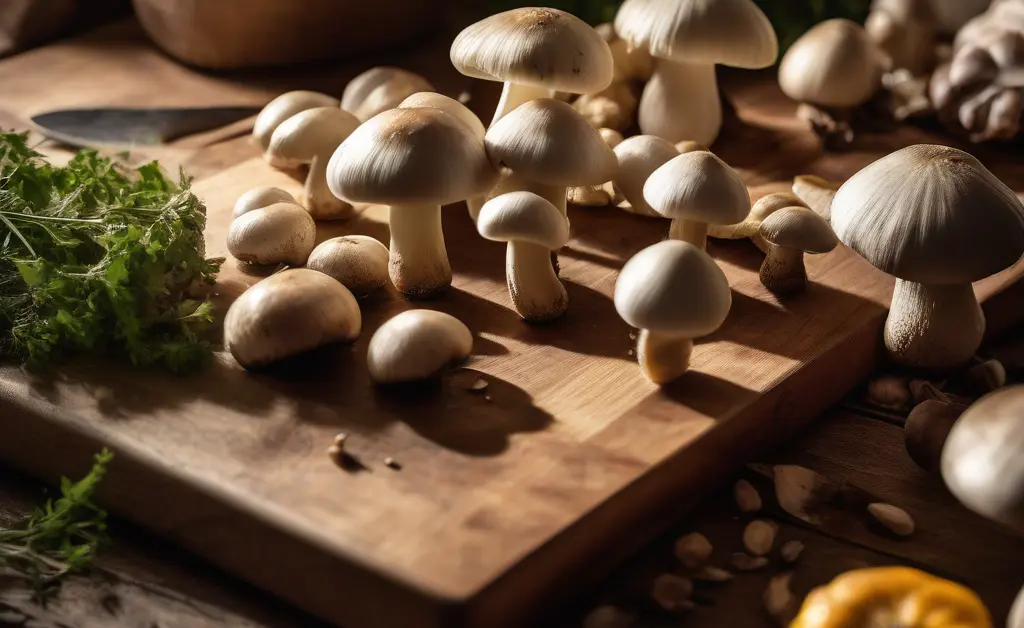
The culinary applications of edible mushrooms are as diverse as the fungi themselves. Different types lend themselves to various cooking methods, enhancing the flavor and texture of a wide array of dishes. Understanding how to best prepare these ingredients can transform a meal.
- Sautéing and Roasting: Many edible mushrooms examples, such as cremini, shiitake, oyster, and maitake, shine when sautéed or roasted. These methods bring out their natural umami and can create a delightful caramelized exterior. Sautéing them quickly in butter or oil with aromatics like garlic and thyme can produce a simple yet flavorful side dish. Roasting, particularly for heartier varieties like portobello, can develop deep, earthy flavors and a satisfying texture.
- Soups and Stews: Mushrooms contribute depth and richness to soups and stews. Shiitake, cremini, and even dried porcini mushrooms (though not explicitly listed here, they are excellent for this purpose) are frequently used to build a robust flavor base. Their texture holds up well to simmering, and they release savory notes that enhance the overall broth.
- Sauces and Gravies: The natural umami of mushrooms makes them an ideal ingredient for thickening and flavoring sauces and gravies. Finely chopped or puréed mushrooms can add body and a rich, earthy dimension to dishes, particularly those paired with meats or pasta. Morel and chanterelle mushrooms are particularly prized for their ability to create luxurious sauces.
- Grilling: Large, meaty mushrooms like portobello are perfect for grilling. Their sturdy structure allows them to withstand high heat, and grilling imparts a smoky flavor that complements their natural earthiness. They can be marinated and grilled whole as a vegetarian main course or sliced for skewers.
- Raw Applications: While many mushrooms benefit from cooking, some delicate varieties, such as white button and enoki, can be enjoyed raw. Sliced button mushrooms add a subtle earthiness and texture to salads, while enoki mushrooms provide a delicate crunch and mild flavor to fresh preparations.
Edible Mushrooms Examples
Integrating various edible mushrooms examples into daily cooking can significantly elevate culinary experiences. From everyday meals to special occasions, these fungi offer a spectrum of flavors, textures, and nutritional benefits. For instance, common white button mushrooms are excellent for quick weeknight stir-fries or omelets, offering a mild, versatile option. Cremini mushrooms, with their slightly deeper flavor, are perfect for savory tarts or enriching a pasta sauce. Portobello mushrooms provide a hearty, satisfying experience as a grilled “steak” or a robust filling for sandwiches.
When considering more unique varieties, shiitake mushrooms bring a distinct umami punch to Asian-inspired broths and noodle dishes. Oyster mushrooms, with their delicate texture, are fantastic in light sautéed dishes or added to seafood preparations. Enoki mushrooms offer a subtle crunch in fresh salads or as a garnish for soups. For those seeking gourmet indulgence, morel mushrooms can transform a simple butter sauce into a luxurious accompaniment, while chanterelles lend their apricot-like aroma to elegant risottos. Even a few shavings of truffle can impart an unforgettable aroma to a finished dish, showcasing the incredible range of these edible fungi.
Discovering the many popular culinary mushrooms can expand your cooking repertoire significantly. Each type offers unique characteristics that can transform ordinary dishes into extraordinary ones.
For a comprehensive understanding of different edible fungi, explore the various culinary mushroom names and their distinct properties.
To further enhance your knowledge, consider learning about best culinary mushrooms for different cooking techniques and flavor profiles.
Additionally, for information on less common but equally delicious varieties, you might find details on hedgehog mushroom types and their uses.
In conclusion, the world of edible mushrooms is vast and varied, offering an exciting array of flavors, textures, and aromas to explore. From the everyday versatility of button mushrooms to the gourmet appeal of truffles, each type brings its unique character to the kitchen. By understanding their individual attributes and best culinary applications, home cooks can confidently incorporate these fascinating fungi into their repertoire, transforming simple ingredients into dishes that are both delicious and nutritionally enriching. Whether sautéed, roasted, grilled, or added to a hearty stew, edible mushrooms provide endless opportunities for culinary creativity and enjoyment.
This article is written for general understanding and not for medical decision-making. The information provided is intended for educational purposes only and should not be considered a substitute for professional medical advice, diagnosis, or treatment. Always consult with a qualified healthcare provider for any health concerns or before making any decisions related to your health or diet. For more information on food safety, you can refer to the CDC.