
A Guide to the Best Mushrooms for Pain Management
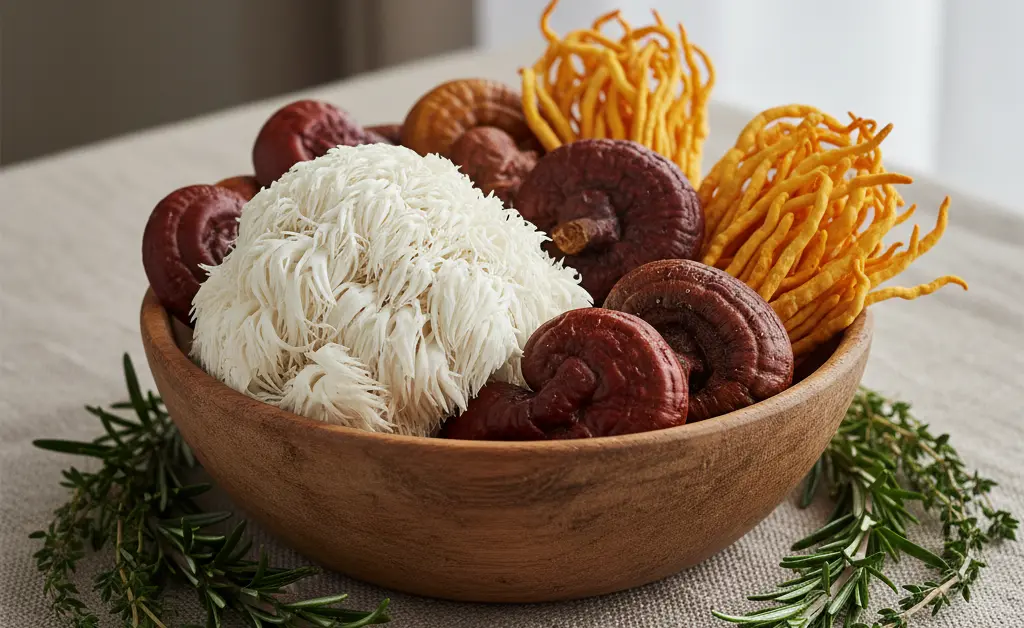
Many individuals grappling with persistent discomfort are continuously seeking effective and natural alternatives to conventional pain management strategies. This growing interest often turns toward remedies deeply rooted in traditional practices, some of which have been used for millennia. As research progresses, the potential therapeutic applications of various natural compounds are becoming clearer. It raises an intriguing question: could certain fungi, often overlooked in Western medicine, provide significant benefits? This guide explores the fascinating world of edible mushrooms for pain, delving into specific species and their purported analgesic and anti-inflammatory properties, offering insights into how they might contribute to a holistic approach to wellness.
Understanding Edible Mushrooms for Pain Relief
The quest for natural remedies for discomfort has led many to explore the potential of various plant and fungal compounds. Edible mushrooms for pain relief are gaining attention due to their rich biochemical profiles. These fungi contain a complex array of bioactive compounds, including polysaccharides, triterpenes, phenolics, and other secondary metabolites, which are believed to contribute to their therapeutic potential. Many of these compounds are associated with significant anti-inflammatory properties, a key factor in managing various types of pain.
How Mushrooms May Help with Pain
The mechanisms by which certain mushrooms might assist with pain management are diverse and multifaceted. A primary way involves their strong anti-inflammatory properties. Chronic inflammation is a common underlying cause or exacerbating factor for many types of persistent discomfort. Certain compounds found in medicinal mushrooms may help modulate the body’s inflammatory responses, potentially leading to a reduction in pain sensations. For general health guidance on diet and inflammation, resources like the NHS provide valuable insights.
Beyond inflammation, some mushrooms are studied for their potential nerve support and regeneration capabilities. This is particularly relevant for conditions involving nerve pain, where damaged or dysfunctional nerves contribute to discomfort. Additionally, the immune system modulation properties of many mushrooms can play an indirect role in pain relief. A well-regulated immune system is crucial for overall health and can influence how the body perceives and responds to pain. Some species are also known for their adaptogenic effects, helping the body adapt to stress and maintain balance, which can indirectly impact chronic pain perception.
Best Edible Mushrooms for Pain Management
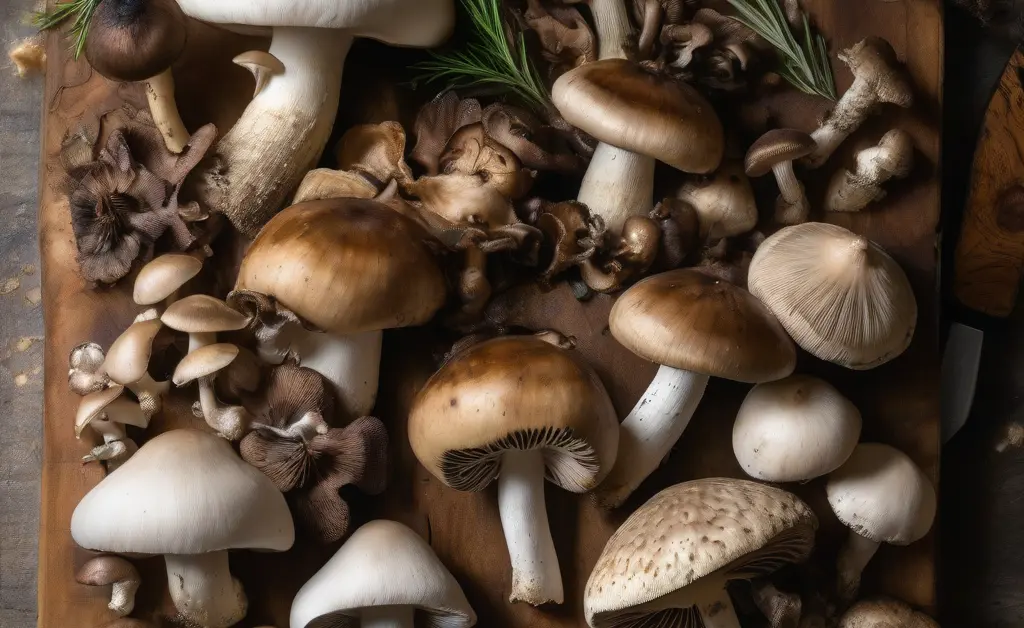
Several species of edible mushrooms are particularly noted in traditional practices and modern research for their potential contributions to pain management. Each offers a unique profile of bioactive compounds that may address different aspects of discomfort. Incorporating these edible mushrooms for pain may involve various forms, from culinary preparations to concentrated extracts.
Lion’s Mane for Pain
Lion’s Mane (Hericium erinaceus) is a distinctive mushroom recognized for its unique appearance and potential health benefits. It is particularly valued for its potential impact on nerve health. Research suggests that compounds like hericenones and erinacines found in Lion’s Mane may support nerve growth factor (NGF) synthesis, which is crucial for the growth, maintenance, and regeneration of neurons. This potential for nerve support makes Lion’s Mane a subject of interest for individuals experiencing nerve pain or neuropathic discomfort.
Reishi for Pain
Often referred to as the “mushroom of immortality,” Reishi (Ganoderma lucidum) has a long history of use in traditional Eastern medicine. It is classified as an adaptogen, meaning it may help the body adapt to stress and promote overall balance. Reishi is studied for its potent anti-inflammatory properties, which could be beneficial in managing pain associated with inflammatory conditions. Its triterpenes and polysaccharides are believed to contribute to these effects, along with its potential for immune system modulation, which can indirectly support overall wellness and pain management.
Chaga for Pain
Chaga (Inonotus obliquus) is a parasitic fungus that typically grows on birch trees in cold climates. It is rich in antioxidants, making it a focus of study for its potential to combat oxidative stress, which can contribute to inflammation and pain. Chaga’s traditional use is often associated with its potential anti-inflammatory actions. While not directly analgesic, its capacity to help reduce inflammation throughout the body may contribute to a reduction in discomfort over time.
Cordyceps for Pain
Cordyceps (Cordyceps sinensis or Cordyceps militaris) is known for its potential to support energy and stamina, but it also contains compounds that may offer anti-inflammatory benefits. Some studies have explored its potential to modulate immune responses and reduce inflammatory markers, which could be relevant for individuals dealing with pain caused by inflammation. By potentially helping to reduce inflammation, Cordyceps may play a supportive role in overall pain management.
Turkey Tail for Pain
Turkey Tail (Trametes versicolor) is a widely researched medicinal mushroom, primarily known for its powerful immune-modulating properties. It contains polysaccharides like PSK (polysaccharide Krestin) and PSP (polysaccharopeptide), which are believed to enhance immune function. While not typically associated with direct pain relief, a robust and balanced immune system can contribute to overall health and the body’s ability to cope with chronic conditions, including those associated with pain. Its general wellness benefits may therefore indirectly support pain management strategies.
How to Incorporate Edible Mushrooms for Pain

Integrating edible mushrooms for pain into one’s routine can be done through various methods, depending on the specific mushroom and desired effects. Many of these fungi can be consumed in culinary uses, adding a unique flavor and nutritional boost to meals. For example, Lion’s Mane has a delicate, seafood-like taste and can be sautéed or stir-fried. Exploring the unique oyster mushroom benefits can reveal their culinary versatility and health potential. Other mushrooms like Reishi and Chaga are often too woody or bitter for direct culinary use and are more commonly consumed as teas, tinctures, or extracts.
Supplements and extracts are popular choices for those seeking a more concentrated dose of the beneficial compounds. These are available in various forms, including capsules, powders, and liquid extracts. For specific demographic needs, understanding the mushroom powder benefits for men can guide product selection. When choosing supplements, it is important to consider the sourcing and quality of the product to ensure purity and potency. Consistency in use is often suggested for experiencing potential benefits, as the effects of natural compounds can accumulate over time.
Important Considerations and Precautions for Edible Mushrooms for Pain
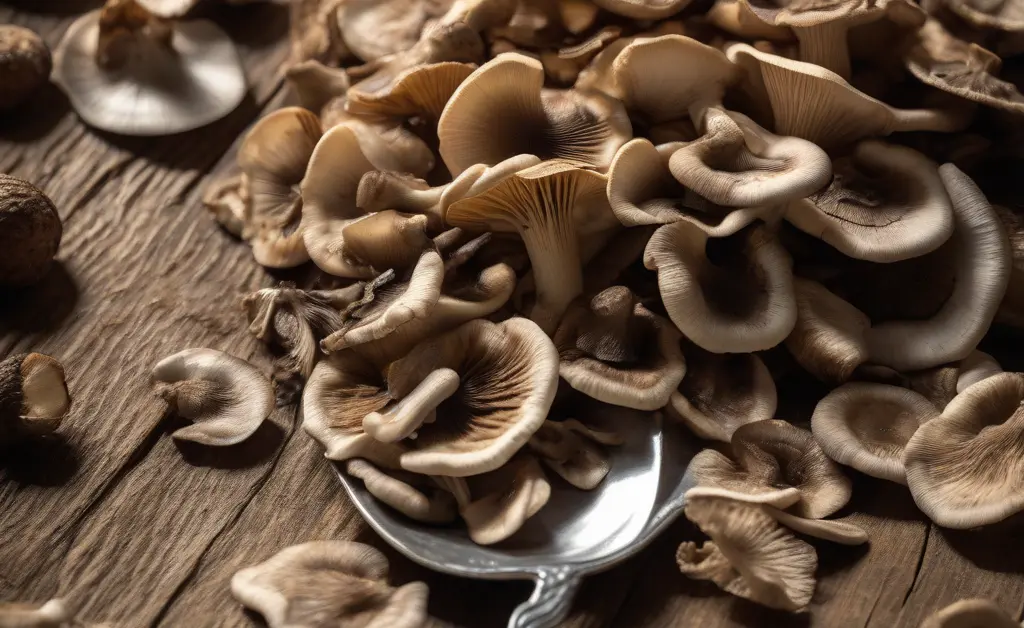
While edible mushrooms for pain are generally considered safe for most people, there are important considerations and precautions to keep in mind. Potential side effects, though often mild, can occur and may include digestive upset or allergic reactions in sensitive individuals. It is crucial to start with small amounts to assess individual tolerance.
Furthermore, interactions with medications are a significant concern. Some mushrooms, particularly those with immune-modulating or anticoagulant properties, may interact with prescription drugs. For example, some species may have a mild blood-thinning effect, potentially interacting with anticoagulant medications. Therefore, consulting healthcare professionals before incorporating any new mushroom product into your regimen is highly recommended, especially if you have underlying health conditions or are taking medications. For instance, individuals researching the use of button mushroom for kidney health should always seek professional advice. They can provide personalized advice based on your health history. Ensuring proper sourcing and quality of mushroom products is also vital to avoid contaminants and guarantee product efficacy.
The exploration of edible mushrooms for pain management highlights a fascinating intersection of traditional wisdom and modern scientific inquiry. While research continues to uncover the full spectrum of their potential, species like Lion’s Mane, Reishi, Chaga, Cordyceps, and Turkey Tail offer promising avenues for those seeking natural support for discomfort. Their diverse bioactive compounds, often associated with anti-inflammatory, adaptogenic, and immune-modulating effects, may contribute to a holistic approach to wellness. As with any natural intervention, a cautious and informed approach, ideally guided by healthcare professionals, is key to safely integrating these fungi into one’s health journey.
The information in this article is intended for knowledge purposes only. It is not a substitute for professional medical advice, diagnosis, or treatment. Always seek the advice of your physician or other qualified health provider with any questions you may have regarding a medical condition. Never disregard professional medical advice or delay in seeking it because of something you have read in this article.
FAQ
Which mushroom is best for nerve pain?
Lion’s Mane mushroom has been studied for its potential to support nerve health. It contains compounds that may stimulate the production of nerve growth factor, which is important for maintaining and regenerating nerve cells. This action is relevant to addressing discomfort associated with nerve damage.
Can mushrooms cure chronic pain?
Certain mushrooms are recognized for their adaptogenic properties, which means they may help the body adapt to stress and maintain balance. While they can support overall well-being and potentially influence the body’s response to discomfort, mushrooms are not a cure for chronic pain. Their benefits often relate to modulating the body’s inflammatory and immune responses.
How long does it take for medicinal mushrooms to work for pain?
The timeline for experiencing the effects of these mushrooms can vary significantly between individuals. Consistent use over several weeks is often suggested to allow the body to adapt and potentially experience benefits. Factors such as the type of mushroom, the individual’s unique physiology, and the nature of their discomfort play a role in this process.
What are the side effects of eating edible mushrooms for pain?
When consumed appropriately, most edible mushrooms are well-tolerated by many people. Some individuals might experience mild digestive upset, such as bloating or gas, particularly when first incorporating them into their diet. It is always advisable to start with small amounts to gauge your personal response.