
A Forager’s Guide to Edible German Mushrooms
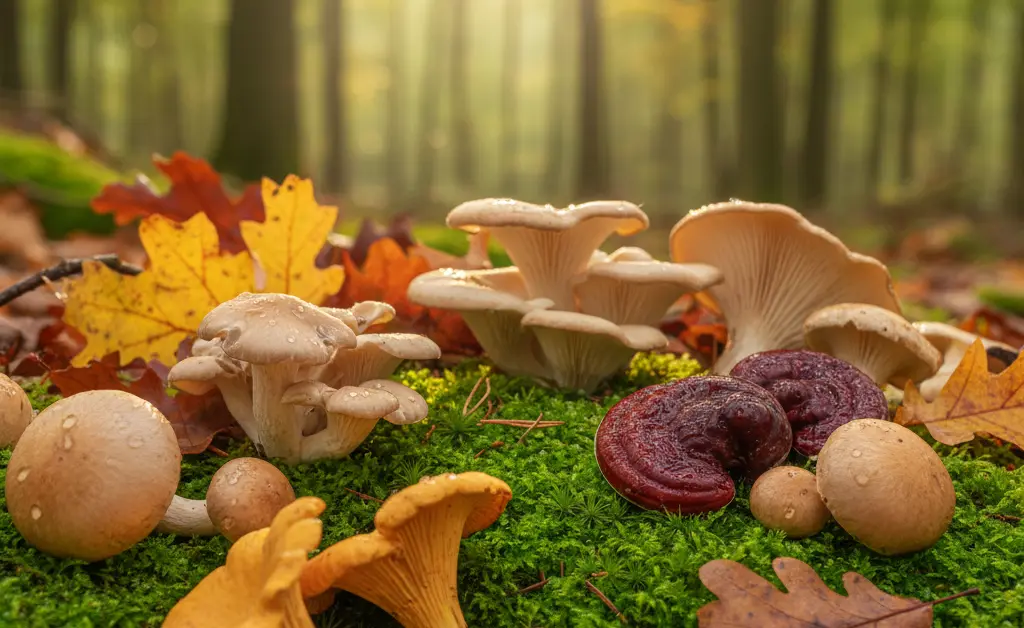
Just as people enjoy discovering unique produce at a local farmers’ market, exploring the forests for edible mushrooms in Germany offers a similar thrill of discovery and connection to nature. This guide delves into the rich fungal biodiversity found across German landscapes, from the dense woodlands of Bavaria to the sprawling heaths. We will explore various common species, their identification characteristics, and the best seasons to find them. Understanding the unique foraging culture and the culinary traditions associated with these fungi is essential for anyone interested in this engaging activity. This article aims to equip enthusiasts with the knowledge needed to safely and sustainably identify and enjoy the diverse range of edible fungi available, ensuring a rewarding experience in Germany’s natural bounty.
Mushrooms of Germany
Germany’s varied climate and extensive forest coverage provide an ideal habitat for a wide array of fungal species. From the dense, ancient woodlands to the more open mixed forests, a remarkable diversity of fungi thrives, making foraging a popular pastime. The quest for edible mushrooms in Germany is not just a culinary pursuit but also a deeply ingrained cultural practice, connecting people with nature and seasonal rhythms. Germany is one of many countries offering a great variety of edible mushrooms in Europe. The landscapes, particularly after periods of rain, become veritable treasure troves for those with a keen eye and the right knowledge.
Mushroom Season Germany
The optimal time for mushroom foraging in Germany typically spans from late summer through autumn, often peaking in September and October. However, depending on the species and local weather conditions, the season can extend from spring well into early winter. Springtime sees the emergence of morels, while summer brings chanterelles and early boletes. Autumn remains the most abundant period, offering the widest variety of choice edible fungi, including porcini and various types of boletes. Nearby countries like Denmark also offer suitable conditions for finding edible mushrooms in Denmark. Factors such as consistent rainfall, mild temperatures, and specific forest habitats all influence the timing and abundance of the annual mushroom harvest.
Edible Wild Mushrooms in Bavaria, Germany
Bavaria, with its vast forests, particularly the Bavarian Forest and the Alps foothills, is renowned as a prime region for finding edible wild mushrooms in Germany. The diverse ecosystems, ranging from coniferous to deciduous forests, support a rich fungal flora. Foragers in Bavaria often discover an abundance of highly sought-after species like porcini and chanterelles, alongside many other varieties. Foraging for edible mushrooms in Sweden shares similar challenges and rewards with other Northern European countries. The region’s commitment to nature conservation also means that foraging must be done responsibly, respecting protected areas and ensuring sustainable practices to preserve these natural treasures for future generations.
Edible Mushrooms Germany Identification
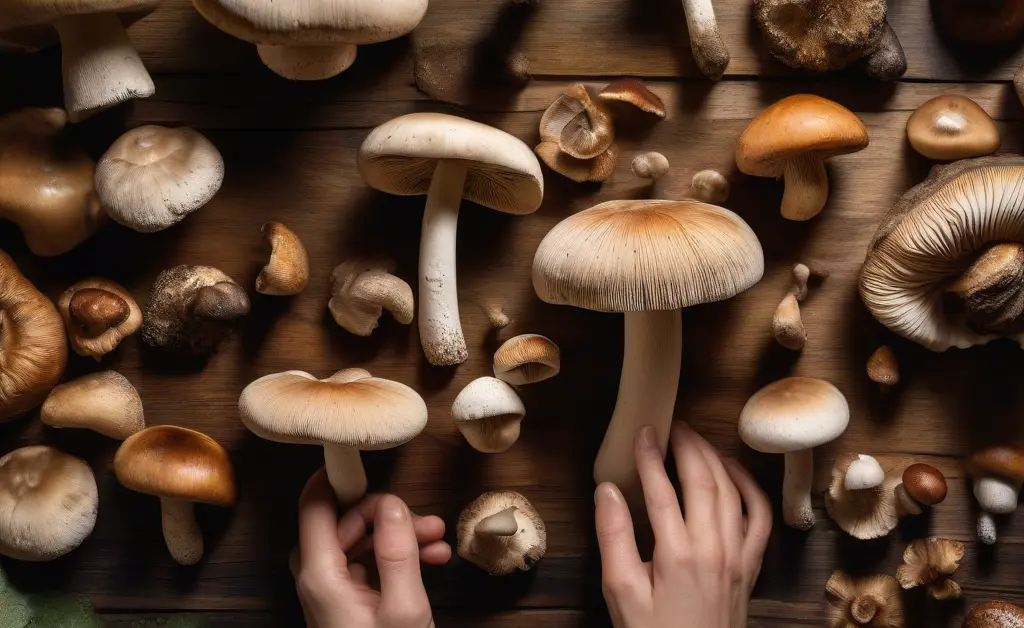
Accurate identification is paramount for those seeking edible mushrooms in Germany. Many delicious varieties have toxic look-alikes, making a thorough understanding of key features essential. Foragers must pay close attention to characteristics such as cap shape and color, gill or pore structure, stem features, presence of a ring or volva, spore print color, and even the smell and texture of the mushroom. Consulting reliable field guides, joining experienced foraging groups, and seeking expert verification are highly recommended before consuming any wild mushroom. For critical health-related information, consulting resources like the NIH is always recommended. This careful approach helps ensure a safe and rewarding foraging experience.
Chanterelles (Pfifferlinge)
Chanterelles are among the most beloved edible mushrooms, known for their distinctive trumpet shape and vibrant golden-yellow to orange color. They typically have false gills, which are fold-like ridges that run down the stem rather than true gills that can be easily detached. Their aroma is often described as fruity, reminiscent of apricots. They are commonly found in mossy areas under conifers and deciduous trees, particularly beech and oak, from summer to autumn.
Porcini / Ceps (Steinpilze)
Porcini are highly prized for their robust, nutty flavor and firm texture. They are characterized by a thick, bulbous stem and a brown cap that can range from light to dark. Instead of gills, porcini have a spongy layer of pores underneath their cap, which changes color from white to yellow-green with age. They are often found growing near conifers and broadleaf trees, especially oak and beech, thriving during late summer and autumn after good rains.
Morels (Morcheln)
Morels are easily recognized by their distinctive honeycomb-like cap, which is deeply pitted and irregularly shaped. Their color varies from creamy white to yellowish-brown or even dark brown. These springtime mushrooms often grow in disturbed ground, riverbeds, and woodlands, particularly near ash, elm, and apple trees. It is crucial to always cook morels thoroughly, as they are not suitable for raw consumption.
Oyster Mushrooms (Austernpilze)
Oyster mushrooms are shelf-like fungi that grow in clusters on decaying wood, stumps, or fallen logs of deciduous trees. They have fan-shaped caps, typically white, gray, or tan, and white to yellowish gills that extend down a short, often eccentric stem. Their taste is mild and savory, sometimes described as slightly seafood-like. They can be found almost year-round in milder climates, but are particularly common in autumn and winter.
Shaggy Mane (Tintenfischpilze)
The Shaggy Mane, also known as Lawyer’s Wig, is identifiable by its tall, cylindrical cap covered with shaggy scales that turn black and dissolve into an inky liquid as it matures. It has white gills that eventually turn pink then black. These mushrooms typically grow in grassy areas, lawns, and roadsides, often in groups, during late summer and autumn. It is important to consume them soon after picking, as their deliquescence is rapid.
Chicken of the Woods (Zitronen-Räuling)
Chicken of the Woods is a striking bracket fungus, typically bright yellow to orange, growing in large, shelf-like clusters on the trunks of deciduous trees, especially oak. Its flesh is tender and juicy when young, with a taste and texture often compared to chicken, hence its name. This mushroom should always be cooked before consumption and is generally found from summer to early autumn.
Blusher (Perlpilz)
The Blusher is a common mushroom characterized by its reddish-brown cap, which often has pale patches or warts, and its pinkish-white gills. Its stem typically has a prominent ring, and its flesh “blushes” or turns reddish when cut or bruised. It is a woodland mushroom, frequently found under conifers and deciduous trees during summer and autumn. Careful identification is needed, as it resembles some toxic Amanita species.
Bay Bolete (Maronen-Röhrling)
The Bay Bolete features a reddish-brown, velvety cap and yellowish pores underneath that turn blue when bruised. Its stem is solid and often has a brownish reticulation near the top. This mushroom is common in coniferous and mixed forests, particularly under pine and spruce trees, appearing from summer to late autumn. It is a good edible, though typically considered a step below the prized porcini.
Parasol Mushroom (Perlpilz)
The Parasol Mushroom is a large, distinctive fungus with a prominent, umbrella-shaped cap covered in brown, shaggy scales against a lighter background. It has a tall, slender stem with a movable ring and white gills. These mushrooms are typically found in grassy areas, open woodlands, and edges of forests from late summer to autumn. Its impressive size and pleasant flavor make it a popular find for foragers.
Jelly Ear (Judasohr)
The Jelly Ear mushroom is easily recognized by its ear-like shape and rubbery, gelatinous texture. It varies in color from reddish-brown to dark brown and typically grows on decaying elder wood, though it can be found on other hardwoods. This mushroom is often encountered year-round, especially in damp conditions. While not having a strong flavor on its own, it readily absorbs flavors from dishes and is valued for its unique texture in various cuisines.
Common Edible Mushrooms Found in Germany
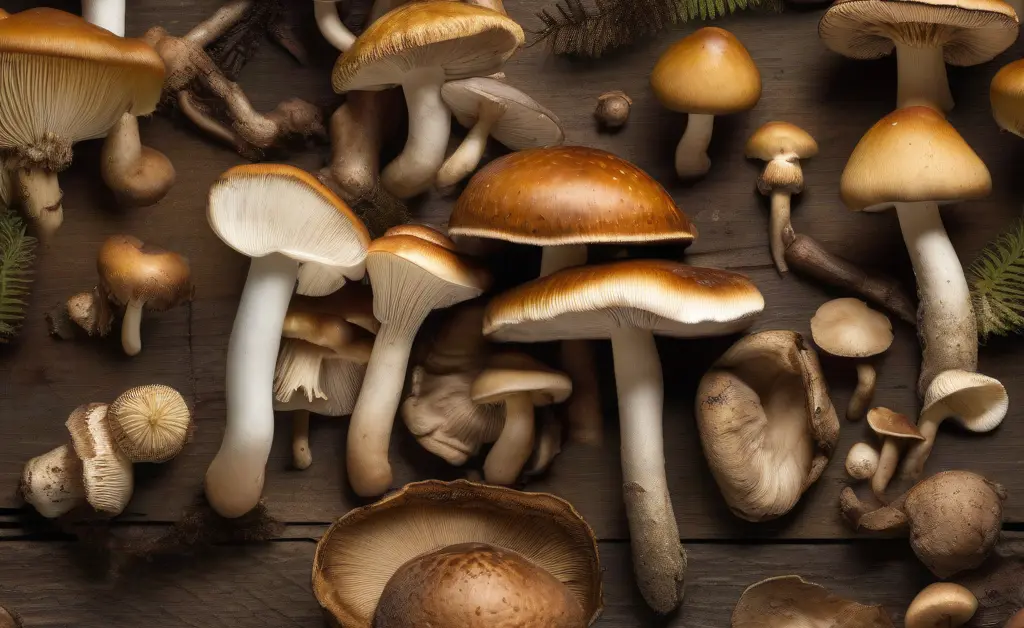
Germany’s rich fungal biodiversity supports a wide range of common edible mushrooms, making it a rewarding destination for foraging enthusiasts. Beyond the specific varieties detailed, many other species contribute to the overall bounty. Foragers frequently discover various types of boletes, milk caps, and wood-dwelling fungi that are delicious when properly identified and prepared. The pursuit of common edible mushrooms in Germany is a cherished tradition, emphasizing the connection to the natural world and the joy of harvesting seasonal ingredients directly from the forest floor. The traditions and species found are often comparable to those for edible mushrooms in Romania, given shared European mycological landscapes. Sustainable foraging practices, such as taking only what is needed and leaving small or young specimens to grow, are crucial to ensure the continued availability of these natural resources.
Culinary Uses of German Edible Mushrooms
The culinary traditions surrounding edible mushrooms in Germany are rich and varied, celebrating the distinct flavors and textures these fungi offer. Wild mushrooms are a prized ingredient in German cuisine, lending depth and earthiness to a wide range of dishes. They are often sautéed with butter and herbs, such as parsley or chives, to highlight their natural taste. Many traditional recipes feature mushrooms in creamy sauces for pasta or meats, in hearty stews, or as fillings for dumplings and savory tarts. Porcini, with their intense flavor, are particularly excellent in risottos or dried and used as a flavor enhancer. Chanterelles are often celebrated in simple, elegant preparations that allow their fruity notes to shine, while oyster mushrooms are versatile in stir-fries or roasted. The use of these forest treasures underscores a deep appreciation for seasonal and locally sourced ingredients, transforming simple meals into gourmet experiences.
Exploring the world of edible mushrooms in Germany offers a unique opportunity to connect with nature and savor the flavors of the forest. From understanding the peak seasons to mastering identification, the journey is as rewarding as the culinary results. Always prioritize safety by adhering to best foraging practices, consulting experts, and respecting local regulations, including those concerning protected species and areas. The rich biodiversity of German forests promises a rewarding experience for those who approach foraging with knowledge and reverence, allowing for the sustainable enjoyment of these natural delicacies for years to come.
This article aims to inform, not to replace professional healthcare advice. It is crucial to exercise extreme caution when identifying wild mushrooms, as many toxic species can closely resemble edible ones. Consumption of incorrectly identified mushrooms can lead to severe illness or even be fatal. Always consult with an expert mycologist or a local mushroom foraging guide for positive identification before consuming any wild fungi. Never rely solely on online resources or photos for identification purposes.
FAQ
What are the most common edible mushrooms in Germany?
Commonly found edible mushrooms in Germany include the porcini mushroom (Steinpilz), chanterelles (Pfifferlinge), and field mushrooms (Wiesen-Champignon). These varieties are popular for their culinary uses and availability in local markets. The porcini mushroom, in particular, is highly prized for its robust flavor and firm texture.
Can you eat mushrooms found in German forests?
While German forests are home to many delicious edible mushrooms, foraging requires significant expertise to distinguish them from toxic species. It is essential to be absolutely certain of a mushroom’s identification before considering consumption. Many people learn from experienced foragers or join local mycological societies to gain knowledge.
Are there poisonous mushrooms in Germany that look like edible ones?
Yes, Germany harbors several poisonous mushrooms that bear a strong resemblance to their edible counterparts. For instance, the deadly galerina (Spitzkegeliger Kahlkopf) can be mistaken for certain edible species, and the funeral bell (Kahler Frauen-Schüppling) is another example of a toxic look-alike. This is why expert identification is crucial for safe mushroom foraging.
What are the rules for picking mushrooms in Germany?
Generally, small quantities of mushrooms for personal consumption can be picked in most public forests in Germany, provided it is not a protected nature reserve. However, there are local regulations and specific protected areas where foraging may be restricted or forbidden altogether. The general rule is to take only what you need and to be mindful of the environment.