
A Guide to the Edible Fungi of Korea
Edible mushrooms are nature’s versatile gifts, offering a unique blend of earthy flavors, umami richness, and distinctive textures that elevate countless dishes worldwide. Beyond their culinary appeal, many varieties are prized for their nutritional benefits, contributing essential vitamins, minerals, and antioxidants to a healthy diet. In Korea, mushrooms are an indispensable part of the traditional culinary landscape, deeply woven into everyday meals and special occasion feasts. From the robust earthiness of shiitake to the delicate crunch of enoki, the diverse array of edible mushrooms in Korea not only enhances the flavor profile of local cuisine but also reflects the country’s profound connection to natural ingredients. This guide explores the most popular and culturally significant fungi that grace Korean tables, offering insights into their uses, origins, and nutritional value.
Common Edible Mushroom Varieties in Korea
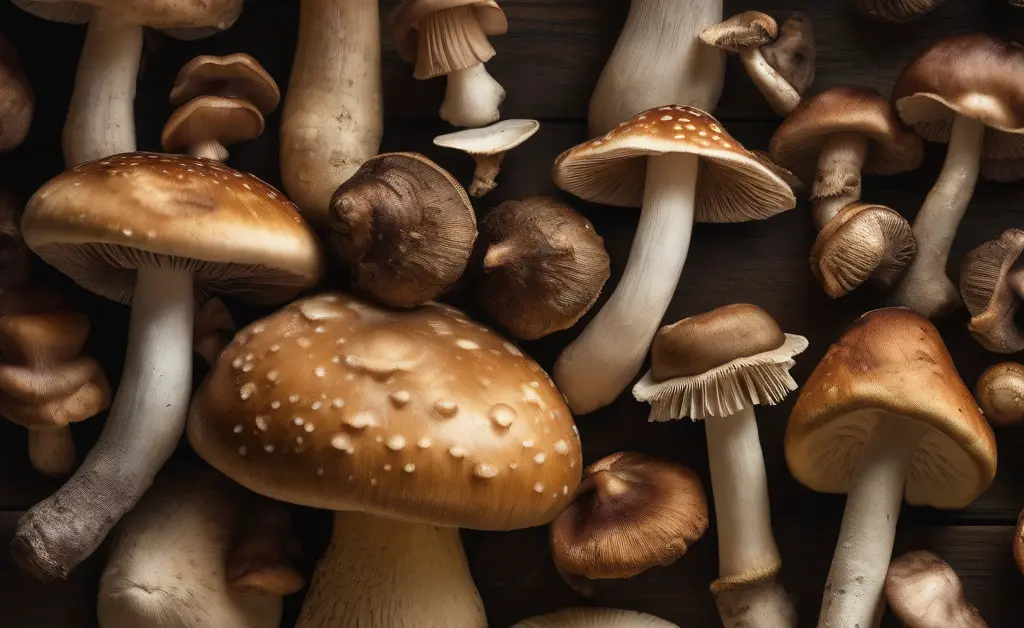
Korean cuisine heavily relies on a variety of mushrooms, each bringing its unique characteristics to dishes. The diverse climate and rich forest ecosystems of the Korean peninsula provide an ideal environment for numerous species to thrive, making edible mushrooms in Korea a staple ingredient. From hearty stews to delicate side dishes, these fungi contribute significantly to the depth and complexity of flavors found in traditional Korean cooking. Similarly, other Southeast Asian countries also celebrate their local fungi, for example, edible mushrooms in the Philippines are highly valued in their cuisine.
Korea’s Most Common Mushrooms
Koreans incorporate a wide array of mushrooms into their daily diet, distinguishing them by their texture, flavor, and culinary applications. While some are sought after for their robust, meaty consistency, others are valued for their delicate earthiness or subtle crunch. Understanding these common varieties is key to appreciating the intricacies of Korean cooking and its foundation in natural ingredients.
Pyogo Mushrooms (Shiitake)
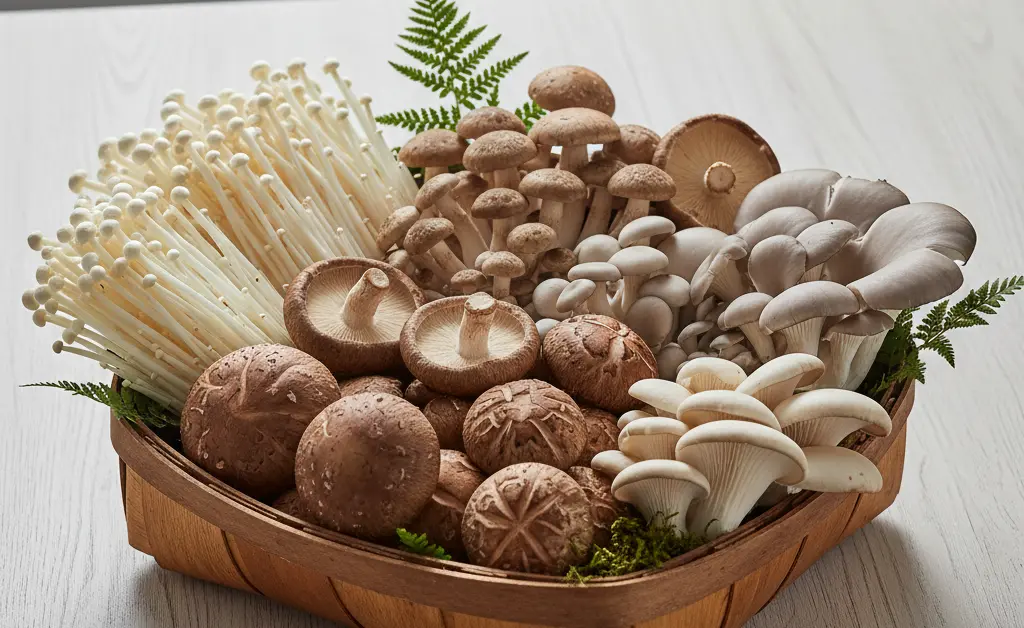
Pyogo mushrooms, globally known as shiitake, are perhaps the most iconic edible fungi in Korean cuisine. Valued for their rich umami flavor and meaty texture, they are available in both fresh and dried forms. Dried pyogo mushrooms are particularly prized; rehydrating them releases an intense, earthy aroma and flavor that enriches broths, stews, and stir-fries. They are a versatile ingredient, often sliced and added to japchae (glass noodle stir-fry), various jjigae (stews), or used as a central component in vegetarian dishes due to their satisfying bite.
Neutari Mushrooms (Oyster)
Neutari mushrooms, or oyster mushrooms, are recognized by their fan-shaped caps and delicate, slightly chewy texture. They have a mild, slightly sweet flavor that readily absorbs the seasonings of the dishes they are cooked in. These mushrooms are very popular for their versatility, frequently appearing in stir-fries, soups, and even pan-fried as a simple side dish. Their relatively quick cooking time and pleasant texture make them a favorite for everyday meals.
Saesongi Mushrooms (King Oyster)
Saesongi mushrooms, also known as king oyster mushrooms, are distinctive for their thick, cylindrical stems and small caps. Unlike many other mushrooms where the cap is the primary edible part, the stem of the saesongi mushroom is its highlight, offering a firm, meaty texture often compared to abalone or scallops when sliced and cooked. They have a subtle umami flavor and hold up exceptionally well to grilling, sautéing, and roasting, making them a popular choice for barbecued dishes or as a hearty vegetable component in various preparations.
Paengi Mushrooms (Enoki)
Paengi mushrooms, or enoki mushrooms, are easily identifiable by their long, slender stems and tiny caps, usually found in clusters. They possess a mild, slightly fruity flavor and a distinct crisp-chewy texture. Enoki mushrooms are often added towards the end of cooking in soups and stews, such as budae jjigae (army stew) or doenjang jjigae (fermented soybean paste stew), to preserve their delicate structure and texture. They are also popular in hot pots and as a fresh addition to salads or stir-fries.
What Kind of Mushrooms Do Koreans Use?
Koreans utilize a broad spectrum of mushrooms, each carefully selected to complement specific culinary goals. Beyond the primary types like shiitake, oyster, king oyster, and enoki, other varieties such as button mushrooms (yangsongi), portobello, and various wild foraged mushrooms also find their way into Korean kitchens. These fungi are integral to many traditional preparations, including rich Soups and Stews where they contribute depth, vibrant Stir-fries and Sautéed Dishes for texture and flavor, and delicious Grilling and Roasting applications where their unique characteristics can shine. Their inclusion not only enhances taste but also boosts the nutritional profile of meals, offering an array of Vitamins and Minerals, as well as Antioxidant Properties that may help support Immune System Support. For reliable health information, resources like the NHS are invaluable.
Where to Find Edible Mushrooms in Korea
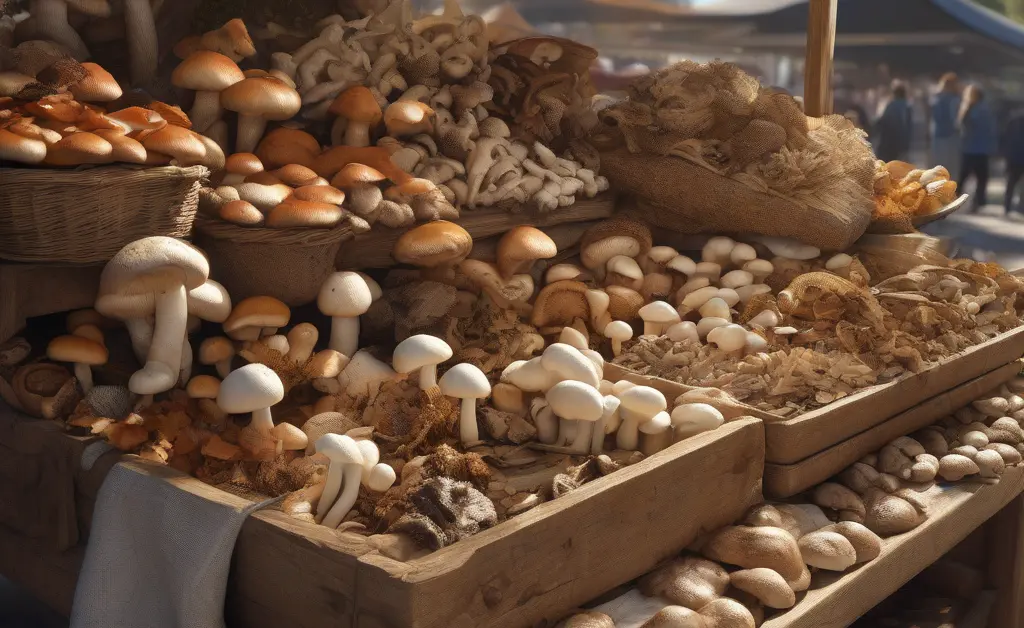
Accessing fresh and dried edible mushrooms in Korea is relatively easy, given their integral role in the national diet. Consumers have several options for sourcing these fungi, ranging from modern retail environments to traditional marketplaces, ensuring a steady supply for both home cooks and culinary professionals. The availability and selection of edible mushrooms in Korea can also vary by season, especially for wild-foraged varieties. This global appreciation for fungal diversity can also be observed with edible mushrooms in Japan, which are a significant part of their culinary heritage.
Traditional Korean Mushroom Dishes
Korean cuisine features a rich tradition of dishes where mushrooms play a starring role. Many of these recipes highlight the unique textures and flavors of different mushroom varieties, demonstrating their versatility. For instance, Tteokgalbi (grilled short rib patties) might feature finely chopped mushrooms for added depth, while various bibimbap (mixed rice) versions often include an assortment of sautéed mushrooms. Jeongol, a type of Korean hot pot, frequently showcases a generous quantity of diverse mushrooms, allowing their earthy notes to infuse the communal broth. Mushroom Bulgogi, a vegetarian take on the classic Korean barbecue, exemplifies how mushrooms can mimic the texture and richness of meat, offering a satisfying and flavorful alternative. These Culinary Uses and Recipes underscore the deep appreciation for mushrooms in the Korean culinary heritage.
The culinary landscape of Korea is undeniably richer and more diverse thanks to its abundant and varied edible mushrooms. From everyday staples like shiitake and oyster mushrooms to unique delicacies such as king oyster and enoki, these fungi contribute essential flavors, textures, and nutritional benefits to countless dishes. Their integration into Korean cuisine reflects a long-standing tradition of valuing natural ingredients and sophisticated flavor profiles. Whether enjoyed in a hearty stew, a delicate stir-fry, or a savory grilled dish, the mushrooms of Korea continue to captivate palates and represent a vital component of the nation’s gastronomic identity.
The content provided in this article is intended for informational learning, not clinical application. This information is for general knowledge and educational purposes only and does not constitute medical advice. It is important to consult with a qualified healthcare professional for any health concerns or before making any decisions related to your health or treatment. The information presented should not be used to self-diagnose or self-treat any health condition.
FAQ
What are the most popular edible mushrooms in Korea?
Several types of mushrooms are cherished in Korean cuisine for their unique flavors and textures. These include the savory shiitake, the delicate oyster mushroom, and the nutrient-rich enoki. Many other varieties are also appreciated for their culinary versatility.
Are shiitake mushrooms common in Korean cuisine?
Yes, shiitake mushrooms are a very common and highly regarded ingredient in Korean cooking. Their deep, umami flavor makes them a staple in many traditional dishes, from soups and stews to marinades and side dishes. The dried versions are particularly prized for their concentrated taste.
How are oyster mushrooms used in Korean dishes?
Oyster mushrooms are frequently incorporated into Korean cuisine due to their mild flavor and tender texture. They are often added to stir-fries, hot pots, and soups, where they absorb the surrounding flavors beautifully. Their delicate nature also makes them suitable for pan-frying or steaming.
Where can I buy fresh mushrooms in Korea?
Fresh mushrooms, including edible mushrooms in Korea, are readily available at local markets and supermarkets across the country. You can also find a wide selection at larger grocery stores and specialized food vendors. Many farmers’ markets offer an excellent array of freshly harvested fungi.