
A Culinary Guide to Japan’s Edible Mushrooms
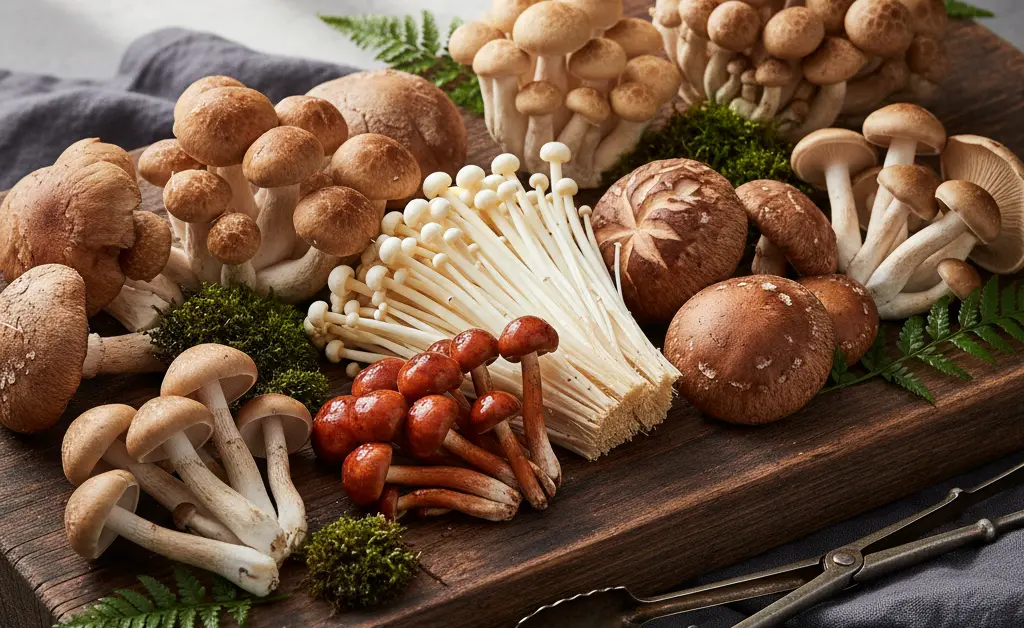
Japan’s culinary landscape is profoundly shaped by its natural bounty, and among its most cherished ingredients are the myriad fungi that grace its forests and farms. As an experienced observer of Japanese cuisine, I can attest to the integral role these mushrooms play, not just as a flavoring agent but as a cornerstone of many traditional and modern dishes. From the delicate enoki to the aromatic matsutake, the diversity and unique umami profiles of edible mushrooms Japan offers are truly remarkable. This guide delves into the popular varieties, their distinct characteristics, and how they contribute to the nation’s rich gastronomic heritage, providing insights into their culinary applications and where to source them.
10 Popular Edible Mushrooms in Japan
Japan boasts an incredible array of fungi, each contributing a unique texture and flavor profile to its rich culinary traditions. The appreciation for these ingredients runs deep, with many varieties of edible mushrooms Japan cultivated and foraged for centuries. Beyond the well-known types, countless others are enjoyed regionally, making mushroom foraging and cultivation a significant part of the food culture. Similarly, other countries also have a rich tradition of identifying and enjoying their local edible mushrooms Philippines.
Japanese mushroom enoki
Enoki mushrooms, often seen in delicate clusters with long, slender white stems and tiny caps, are a staple in Japanese cuisine. Their mild, slightly fruity flavor and crisp-chewy texture make them highly versatile. They are frequently used in soups, hot pots (nabemono), stir-fries, and as a garnish. Enoki are cultivated year-round and are widely available, appreciated for their ability to absorb flavors while maintaining their distinct form.
Japanese mushroom matsutake
Matsutake mushrooms are among the most revered and expensive edible mushrooms in Japan, celebrated for their distinct spicy-aromatic fragrance often compared to cinnamon or pine. These wild mushrooms are difficult to cultivate and grow in association with specific trees, typically red pines. Their rarity and unique aroma make them a highly prized ingredient, often enjoyed simply grilled, in clear soups, or in special rice dishes to highlight their exquisite flavor. The season for matsutake in autumn is eagerly anticipated by connoisseurs.
Beyond enoki and matsutake, other highly popular varieties include the versatile Shiitake mushrooms, known for their rich umami and meaty texture; Shimeji mushrooms, which offer a delightful crunch and mild flavor; and Maitake mushrooms, also called “dancing mushrooms,” prized for their earthy flavor and frilly appearance. Nameko mushrooms, with their small, glossy, amber caps, are commonly found in miso soup, adding a slightly gelatinous texture. King Oyster mushrooms, or Eringi, are noted for their firm texture and savory taste, often sliced and grilled to mimic scallops.
Culinary Uses of Japanese Edible Mushrooms
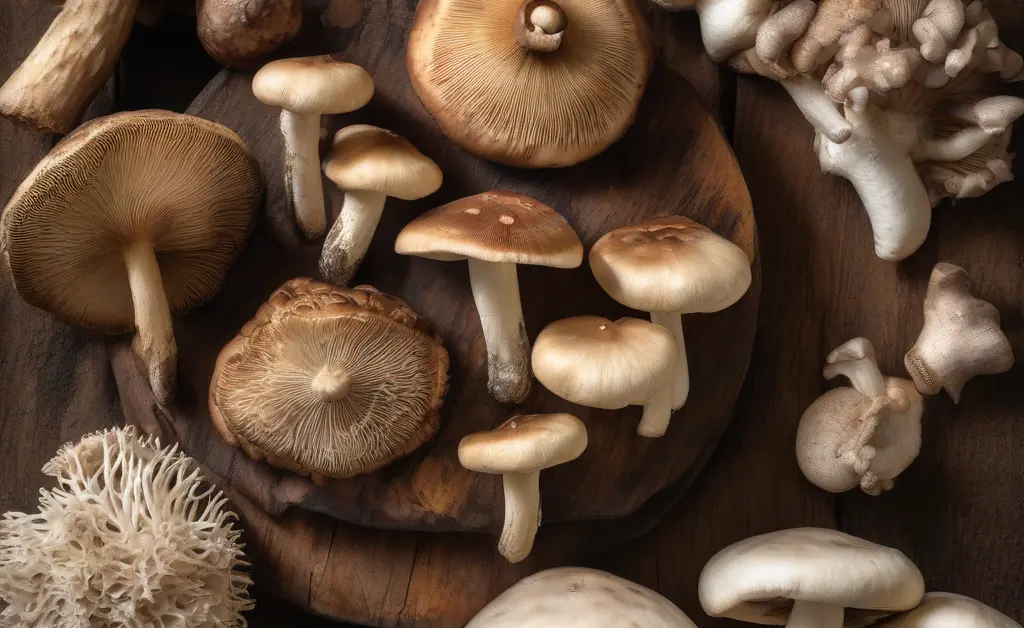
The culinary applications of edible mushrooms in Japan are incredibly diverse, reflecting their integral role in Japanese cooking. These fungi are not merely an accompaniment but often the star ingredient, celebrated for their unique textures and profound umami. From everyday meals to celebratory feasts, the various forms of edible mushrooms Japan provides are skillfully incorporated into a wide range of dishes.
Japanese mushroom recipe
Japanese mushroom recipes often highlight the natural flavors of the fungi. For example, a common approach involves sautéing a medley of mushrooms like Shiitake, Shimeji, and Maitake with a touch of soy sauce, mirin, and sake, creating a simple yet deeply flavorful side dish. These sautéed mushrooms can also be incorporated into a variety of other preparations. They are essential in many hot pots (nabemono), where they contribute depth to the broth and absorb the flavors of other ingredients. In rice dishes like Takikomi Gohan, mushrooms are cooked with rice, dashi, and other vegetables, infusing the entire dish with their earthy aroma. Beyond these, mushrooms are excellent in stir-fries, providing texture and flavor, and are often used as garnishes or flavor enhancers in numerous preparations, demonstrating their versatility in Japanese cuisine.
Stir-fries and sautéed dishes frequently feature hearty mushrooms, where their textures can shine. Soups and hot pots (Nabemono) benefit from the umami richness that mushrooms impart, creating comforting and nourishing broths. In rice dishes such as Takikomi Gohan, various mushrooms are cooked directly with the rice, infusing every grain with their distinctive aroma and taste. They also feature prominently in various side dishes (Otsumami), from tempura to marinated preparations. Furthermore, mushrooms serve as excellent garnishes and flavor enhancers, adding visual appeal and a boost of savory depth to many plates.
Where to Find and Buy Edible Mushrooms in Japan
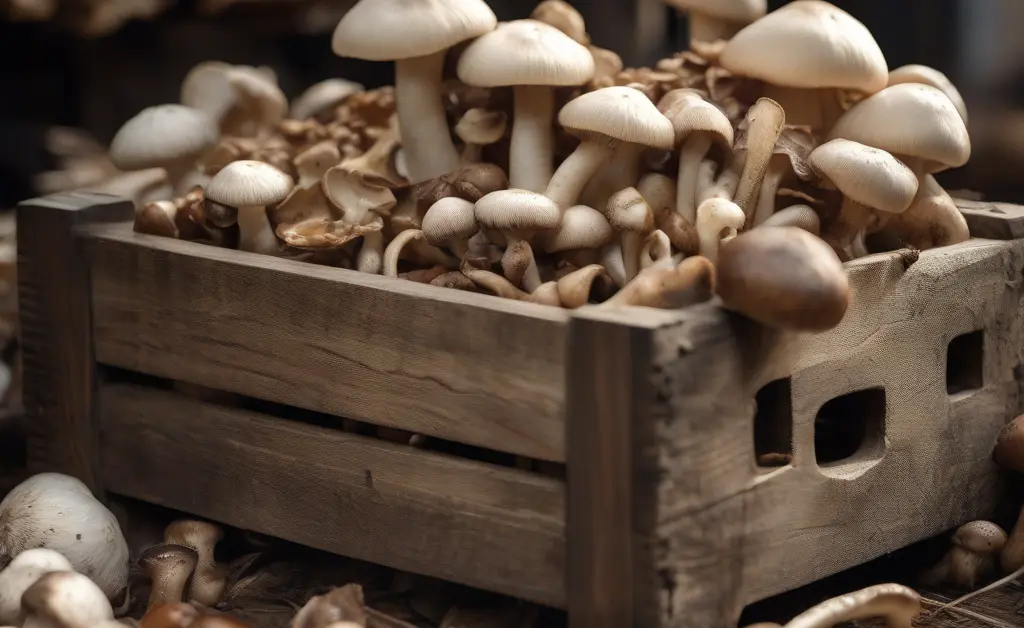
Sourcing quality edible mushrooms in Japan is relatively easy, given their popularity and integration into the national diet. Whether you’re a local resident or a visitor, you’ll find a variety of options to purchase fresh, dried, or processed forms of these fungi. The robust cultivation and harvesting practices ensure a steady supply of many popular varieties of edible mushrooms Japan offers year-round.
Supermarkets and grocery stores are the most common places to find a wide selection of cultivated mushrooms, including Enoki, Shiitake, Shimeji, and King Oyster mushrooms. They are typically sold fresh in pre-packaged trays. For more specialized or seasonal varieties, specialty food stores often carry a broader range, including dried Shiitake or unique regional finds. Farmers markets, particularly in rural areas or during specific harvest seasons, are excellent places to discover locally grown or foraged mushrooms, including prized varieties like Maitake or seasonal wild offerings. For information on European food safety standards regarding edible fungi, one might consult resources from EFSA.
Online retailers also provide access to a wide array of mushrooms, including those that might be harder to find locally, or specialized products like dried mushrooms and mushroom extracts. Furthermore, understanding the cultivation and harvesting of edible mushrooms in Japan sheds light on their availability. Many common varieties are cultivated in controlled environments, ensuring consistent quality and supply, while others, like Matsutake, are seasonal wild harvests, making them particularly special and sought after during their short season. Understanding global cultivation methods, such as for edible mushrooms in Korea, can offer further insight into regional food systems.
The world of Japanese edible mushrooms is a testament to the nation’s profound connection with its natural environment and its dedication to culinary excellence. From the delicate enoki to the prized matsutake, each variety offers a distinct experience, enriching dishes with unique textures, aromas, and the essential umami flavor. Exploring these fungi provides not just a gastronomic adventure but also a deeper appreciation for Japan’s rich food culture, where nature’s bounty is celebrated and transformed into culinary art.
This material is shared for educational insight, not for clinical decision-making. Information provided in this article should not be used as a substitute for professional medical advice, diagnosis, or treatment. Always consult with a qualified healthcare provider for any health concerns or before making any decisions related to your health or diet. Individual results from dietary choices may vary.
FAQ
What are the most common edible mushrooms in Japan?
Several species are widely cultivated and consumed in Japan, including shiitake, enoki, shimeji, and maitake. These mushrooms are prized for their diverse textures and umami flavors, forming a significant part of the country’s culinary landscape. Their prevalence is a testament to both traditional cultivation practices and the Japanese appreciation for natural ingredients.
How are edible mushrooms used in Japanese cuisine?
Edible mushrooms are incredibly versatile in Japanese cooking, featuring in soups, stir-fries, hot pots, and as standalone side dishes. They are often sautéed with soy sauce and butter, simmered in dashi broth, or grilled to enhance their natural flavors. Their inclusion adds depth, texture, and a savory richness to a wide array of traditional meals.
Can you find fresh shiitake mushrooms in Japan?
Yes, fresh shiitake mushrooms are readily available throughout Japan. They are cultivated extensively and are a staple ingredient found in local markets and supermarkets year-round. Their distinct aroma and robust flavor make them a popular choice for many Japanese dishes.
Where can I buy Japanese mushrooms?
Japanese mushrooms can be purchased from various sources, including local supermarkets, specialty food stores, and farmers’ markets across the country. Online retailers also offer a selection of both fresh and dried varieties for convenient purchase. For the freshest options, visiting a local market is often recommended.
What are the health benefits of Japanese mushrooms?
Many edible mushrooms, including those commonly found in Japan, are recognized for their nutritional value. They contain vitamins, minerals, and fiber, and are particularly known for polysaccharides like beta-glucans. These compounds are the subject of ongoing research for their potential roles in supporting immune function and overall well-being.