
Discover Kent’s Finest Edible Mushrooms
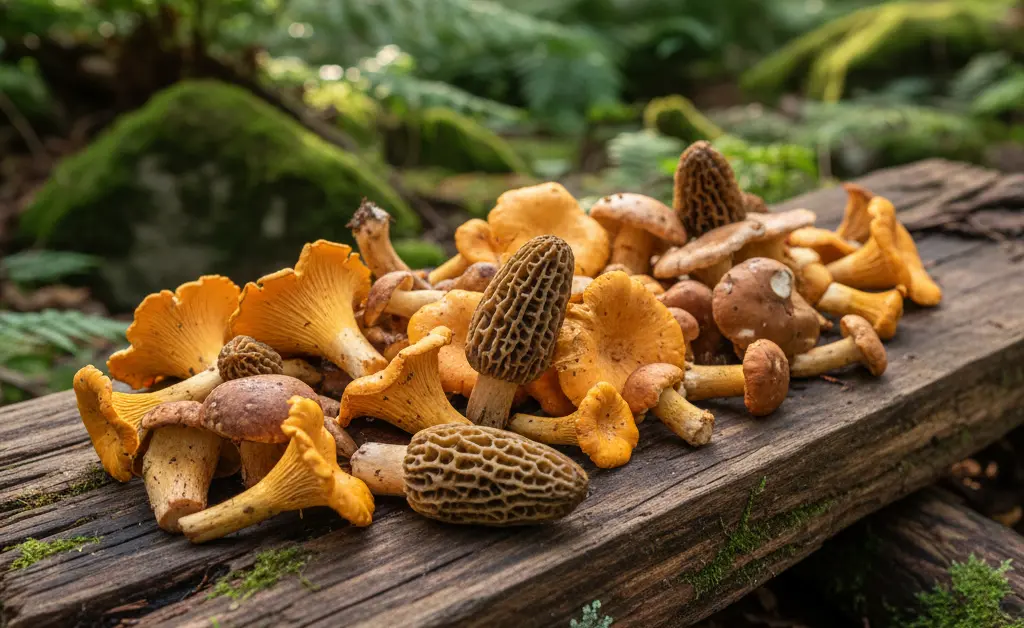
Once, the diverse fungi across Kent’s woodlands and fields might have seemed a mysterious, unapproachable part of the landscape, largely overlooked for their culinary potential. However, with the right knowledge and careful identification, this perception can shift dramatically. This guide aims to transform that uncertainty into confident exploration, revealing the rich world of edible mushrooms kent available to foragers. By understanding species identification, safe foraging practices, and prime locations, enthusiasts can move from passive observers to active participants in harvesting nature’s bounty. Prepare to unlock a new appreciation for the natural larder beneath our feet, enriching both your outdoor experiences and your kitchen.
Common Edible Mushrooms in Kent
Kent’s varied landscapes provide a habitat for a wide array of common edible mushrooms, offering accessible opportunities for new foragers. Understanding these more readily identifiable species can build a foundational knowledge for further exploration into wild fungi. Always prioritize accurate mushroom identification to ensure safety and enjoyment. There are many types of edible mushrooms across the UK.
Field Mushrooms
Field mushrooms, scientifically known as *Agaricus campestris*, are a popular sight in meadows and grasslands across Kent during late summer and autumn. These fungi are characterized by their white, domed caps that flatten with age, pinkish gills that turn dark brown, and a pleasant, mild aroma. They are often found growing in open grassy areas, pastures, and lawns, rather than deep in woodlands. When foraging, it’s crucial to distinguish them from poisonous look-alikes, particularly some species of *Agaricus* that bruise yellow and have a strong phenolic smell, or the deadly *Amanita virosa* (Destroying Angel) which has a volva at its base and white gills that do not change color.
Puffballs
Puffballs are another common and generally easy-to-identify group of edible mushrooms found in Kent. Species like the Common Puffball (*Lycoperdon perlatum*) or the Giant Puffball (*Calvatia gigantea*) are distinctive. Giant Puffballs, true to their name, can grow to an impressive size, resembling a large, white, somewhat deflated ball. Smaller puffball species are also abundant. The key to safely eating any puffball is to ensure it is pure white inside and firm, with no indication of developing gills, which would suggest it’s a different, potentially poisonous, young mushroom. Puffballs offer a unique texture and mild flavor, making them versatile culinary mushrooms.
Top Edible Mushrooms Popular in Kent
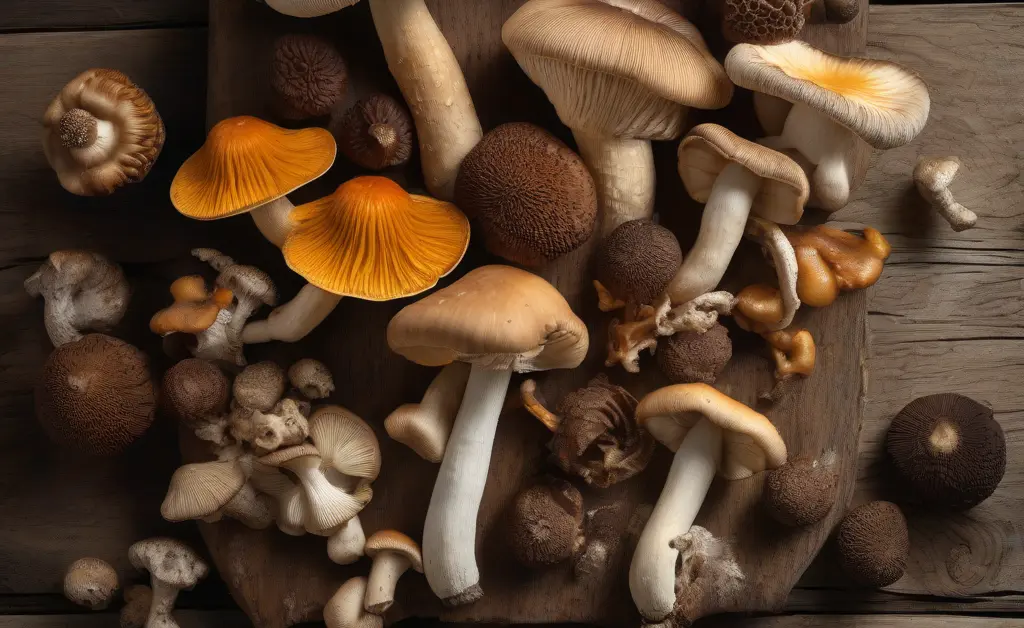
Beyond the more common species, several highly prized edible mushrooms capture the attention of foragers and chefs alike in Kent. These fungi are celebrated for their distinctive flavors and textures, often considered culinary delicacies. Their seasonality and specific habitat requirements make finding them a rewarding endeavor.
Chanterelles
Chanterelles (*Cantharellus cibarius*) are among the most sought-after culinary mushrooms. In Kent, they can typically be found from late summer through autumn, often growing in mossy areas under broadleaf trees, particularly oak, or in coniferous forests. These golden-yellow or orange fungi are recognizable by their trumpet-like shape, wavy cap margins, and false gills that run down the stem and are not sharply defined. They possess a distinctive fruity aroma, sometimes described as apricot-like, and a peppery, earthy flavor when cooked. Careful identification is important to avoid the poisonous ‘False Chanterelle’ (*Hygrophoropsis aurantiaca*), which has true, easily detachable gills. September is a prime month for edible mushrooms across the UK.
Ceps (Porcini)
Ceps, also known as Porcini in Italy (*Boletus edulis*), are highly prized edible mushrooms renowned for their rich, nutty flavor and meaty texture. These impressive fungi are typically found in Kent from late summer to late autumn, growing in woodlands, often near oak, beech, or pine trees. They are characterized by their robust, brownish cap, a thick, bulbous stem that is usually paler at the base and covered in a fine white net-like pattern (reticulation), and a porous underside (tubes) that is white in young specimens, turning yellowish-green with age. Unlike many other mushrooms, ceps do not have gills. Their culinary versatility makes them a favorite for many mushroom recipes, from risottos to simple sautéed dishes. Many species of edible mushrooms can be found across the UK in October.
Morels
Morels (*Morchella* species) are truly unique and highly valued edible mushrooms, instantly recognizable by their distinctive honeycombed or sponge-like caps. They are one of the earliest wild edible fungi to appear in the spring, typically from April to June, making them a special seasonal treat in Kent. Morels often grow in deciduous woodlands, particularly near ash, elm, or apple trees, and can also be found in disturbed areas, such as old orchards or recently burned sites. Their earthy, nutty flavor makes them exceptional in mushroom soups or pasta dishes. It is crucial to correctly identify true morels and avoid ‘false morels’ (*Gyromitra* species), which can be toxic. True morels are hollow from cap to stem.
Oyster Mushrooms
Oyster mushrooms (*Pleurotus ostreatus*) are a versatile and increasingly popular choice among culinary mushrooms, found throughout the year, especially in cooler weather, in Kent. These fungi grow in shelf-like clusters on decaying hardwood trees, such as beech, oak, and sycamore. They have distinctive fan-shaped or oyster-shaped caps that can range in color from grey to brown or even bluish, with white to yellowish gills that run down a short, off-center stem. Their delicate, slightly sweet flavor and tender texture make them an excellent addition to many dishes, from stir-fries to simple sautéed mushrooms. Their appearance on tree trunks makes them relatively easy to spot for foragers.
Where to Find Edible Mushrooms in Kent
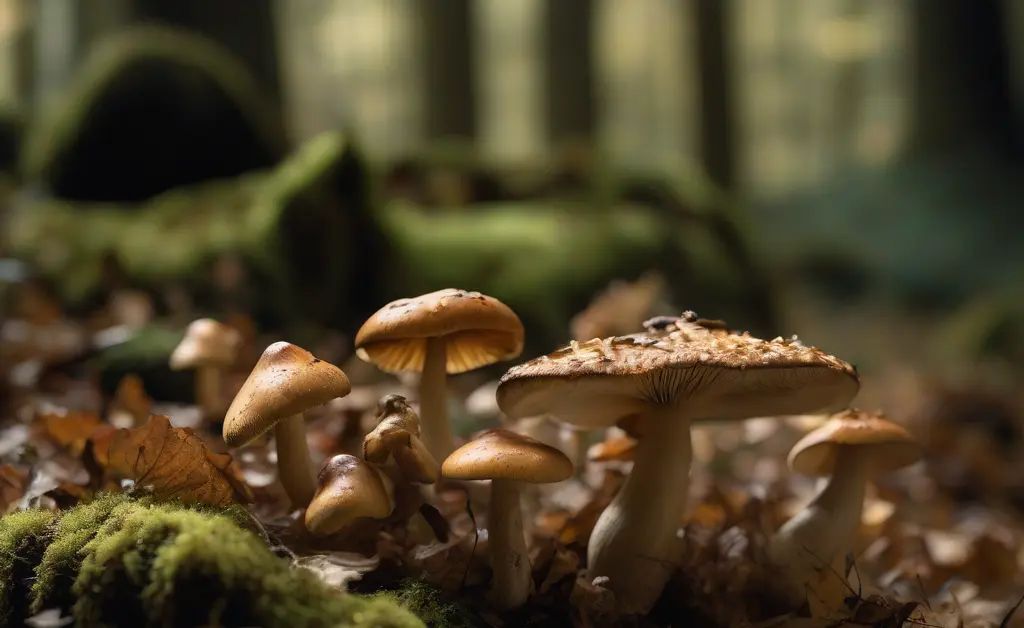
The county of Kent, with its diverse geography ranging from ancient woodlands to open grasslands, offers numerous opportunities for finding edible mushrooms. Successful foraging often depends on understanding the preferred habitats of different species, as well as seasonal variations. Many species of edible mushrooms kent thrive in specific conditions, making location a critical factor. Foraging for edible mushrooms is also popular in Scotland.
Woodlands and forests are prime locations for many prized species, including Chanterelles, Ceps, and Morels. Look for areas with a mix of broadleaf trees like oak, beech, and birch, or coniferous stands. The forest floor, especially in damp, mossy areas, under leaf litter, or around decaying wood, provides the perfect microclimates. Ancient woodlands are often particularly rich in fungal diversity.
Meadows and grasslands are excellent for species like Field Mushrooms and various types of Puffballs. These open areas, including pastures, orchards, and even well-maintained lawns, can yield bountiful harvests, especially after periods of rain. Always be respectful of private land and seek permission before foraging. Foragers should also pay attention to local produce markets which sometimes feature seasonal wild mushrooms if foraging personally isn’t an option.
Foraging for Edible Mushrooms Safely in Kent
Foraging for wild edible mushrooms kent can be a deeply rewarding experience, but safety must always be the paramount concern. The risks of foraging, primarily encountering poisonous look-alikes, necessitate a cautious and informed approach. Never consume any mushroom unless you are 100% certain of its identification. For comprehensive health information, consult reliable sources like the NIH.
Comprehensive mushroom identification guides and resources are indispensable tools for any aspiring forager. It is highly recommended to join local mycological societies or attend guided forays led by experienced experts. These activities provide invaluable hands-on learning, helping to distinguish between edible and toxic species. Understand the specific characteristics of the mushrooms you intend to collect, including cap shape, gill attachment, stem features, spore print color, and habitat.
Beyond identification, ethical foraging practices are crucial for sustainability and to ensure future harvests. This includes taking only what you need, leaving smaller or immature specimens to grow, minimizing disturbance to the habitat, and refraining from collecting all mushrooms in one area. Be aware of local regulations and seasonality; some areas may have restrictions on foraging, and certain mushrooms are only abundant at specific times of the year.
Edible Mushroom Recipes
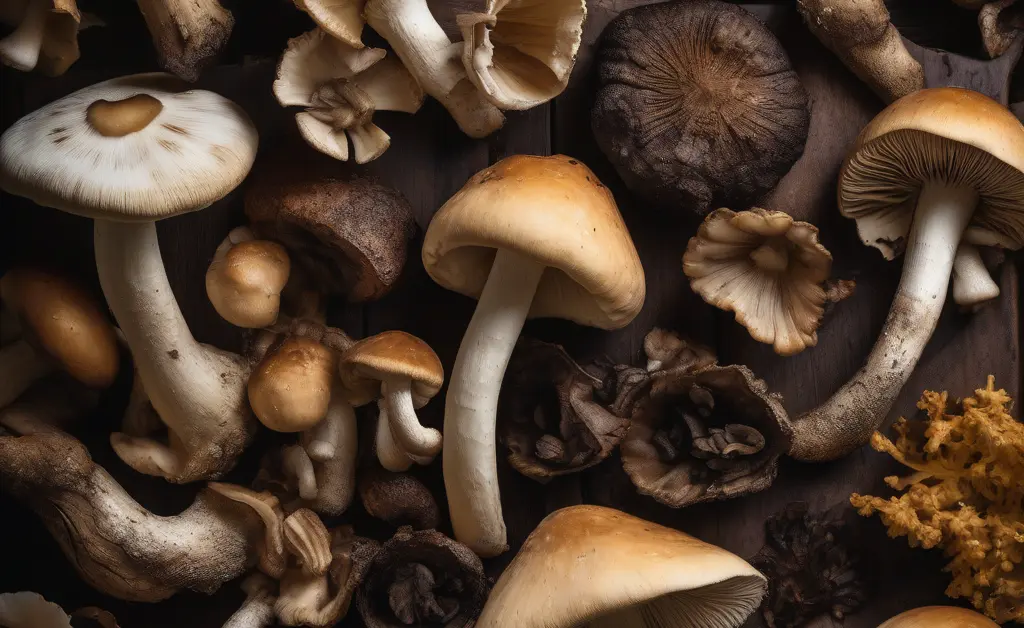
Once you’ve safely gathered your edible mushrooms kent, the culinary possibilities are extensive. Wild mushrooms bring a depth of flavor and unique textures that can elevate many dishes. From simple preparations to gourmet creations, incorporating foraged fungi into your cooking can be a delightful experience.
For a quick and easy dish, simple sautéed mushrooms are always a winner. A little butter or olive oil, garlic, and fresh herbs can highlight their natural taste. These can be served as a side dish or added to toast. For more substantial meals, mushroom risotto offers a creamy, savory experience, with the mushrooms providing an umami-rich base. Consider using a mix of wild varieties for complex flavor. Mushroom soups are another comforting option, allowing the earthy notes of the fungi to shine through, perhaps with a touch of cream or fresh herbs.
Mushroom pasta dishes are also incredibly versatile, pairing well with various sauces, from light olive oil and garlic to richer cream-based preparations. The firm texture of some wild mushrooms holds up beautifully in pasta. For a truly special treat, consider pairing your foraged fungi with local produce, enhancing the connection to Kent’s natural bounty. Always clean your mushrooms thoroughly before cooking, as they can often carry soil or debris from their natural environment.
Exploring the world of edible mushrooms in Kent offers a unique blend of outdoor adventure and culinary discovery. By approaching foraging with respect, knowledge, and an unwavering commitment to safety, you can unlock a delicious and sustainable source of food right on your doorstep. The rich flavors and diverse forms of these fungi provide endless inspiration for the kitchen, connecting you more deeply with the natural environment.
This article aims to inform, not to replace professional healthcare advice. The information provided is for general knowledge and educational purposes only, and does not constitute medical or health advice. Always consult with a qualified healthcare professional or mycologist for any health concerns or before consuming wild fungi. Individual reactions to consuming foraged items can vary, and proper identification is critical to avoid adverse effects.
FAQ
What edible mushrooms grow in Kent?
Kent’s diverse woodlands and fields provide habitats for a variety of edible mushrooms, including common species like the field mushroom (Agaricus campestris) and the oyster mushroom (Pleurotus ostreatus). Morels (Morchella esculenta), while rarer, can also be found in specific areas. The region’s soil types and microclimates support the growth of these fungi during their respective seasons.
Where can I go mushroom foraging in Kent?
Foraging for mushrooms in Kent can be a rewarding experience in its many ancient woodlands, such as Bedgebury Forest or the North Downs. Open meadows and the edges of forests also offer potential, provided access is permitted and landowners have given their consent. Always be aware of local regulations regarding foraging to ensure responsible practices.
Is it safe to eat wild mushrooms from Kent?
Consuming wild mushrooms harvested from Kent requires extreme caution due to the presence of poisonous look-alike species. Misidentification can lead to severe illness or even be fatal, as many toxic mushrooms share visual characteristics with edible ones. It is crucial to have expert knowledge or consult a mycologist before considering any wild mushroom for consumption.