
Exploring the World of Edible Mushrooms in Kenya
Are you looking for diverse, nutritious, and sustainable food options to enhance your daily meals, but often find your choices limited or uninspiring? Many consumers grapple with the challenge of incorporating unique, healthy ingredients into their diets without resorting to expensive or hard-to-find alternatives. This common predicament often overlooks a rich, untapped resource right within our local ecosystems. Navigating the world of fungi can seem daunting due to safety concerns and identification complexities, yet it presents a fascinating opportunity for culinary exploration and nutritional benefit. This article delves into the fascinating realm of edible mushrooms Kenya offers, exploring their types, cultivation, culinary applications, and the vital role they play in both local diets and the economy.
Types of Edible Mushrooms Popular in Kenya
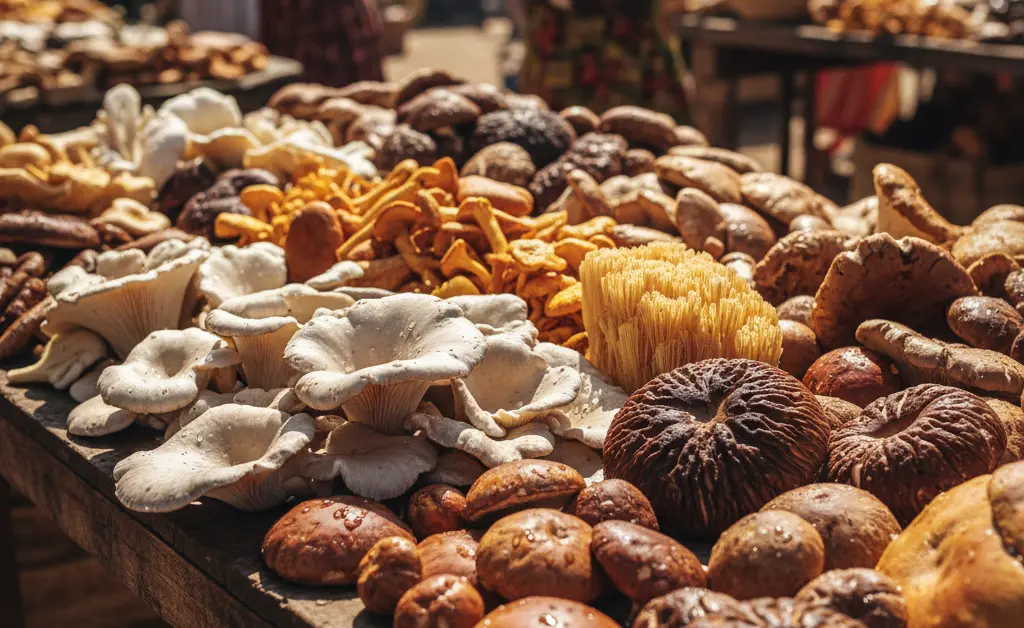
Kenya is home to a remarkable variety of edible mushrooms, ranging from those found growing wild in its diverse ecosystems to cultivated varieties readily available in markets. The increasing awareness of their nutritional value and culinary versatility has led to a surge in interest in these fungi. Among the most popular cultivated types are Oyster Mushrooms, including the visually striking Golden Oyster variety, known for their delicate flavor and tender texture. Shiitake Mushrooms, recognized for their rich, umami taste, and the familiar Button Mushrooms and larger Portobello Mushrooms are also widely appreciated. Beyond these commercially grown options, the natural landscapes of Kenya harbor numerous wild edible mushrooms, each offering unique characteristics and flavors, contributing to the rich biodiversity of edible mushrooms Kenya provides.
Wild Edible Mushrooms in Kenya (e.g., Black-footed polypore, Fan-shaped jelly-fungus, Shaggy mane)
The forests and grasslands of Kenya are a treasure trove for wild edible mushrooms. Species like the Black-footed polypore, often found on decaying wood, is traditionally recognized for its robust texture. The Fan-shaped jelly-fungus, with its gelatinous consistency, can add an interesting element to various dishes. Another distinct wild variety is the Shaggy mane, or Coprinus comatus, often identifiable by its unique appearance. While these and many other wild mushrooms offer exciting culinary possibilities, it is paramount to emphasize that foraging for wild mushrooms requires expert knowledge for proper identification. Misidentification can have serious consequences, as some wild species are highly toxic.
Nutritional Benefits of Edible Mushrooms in Kenya
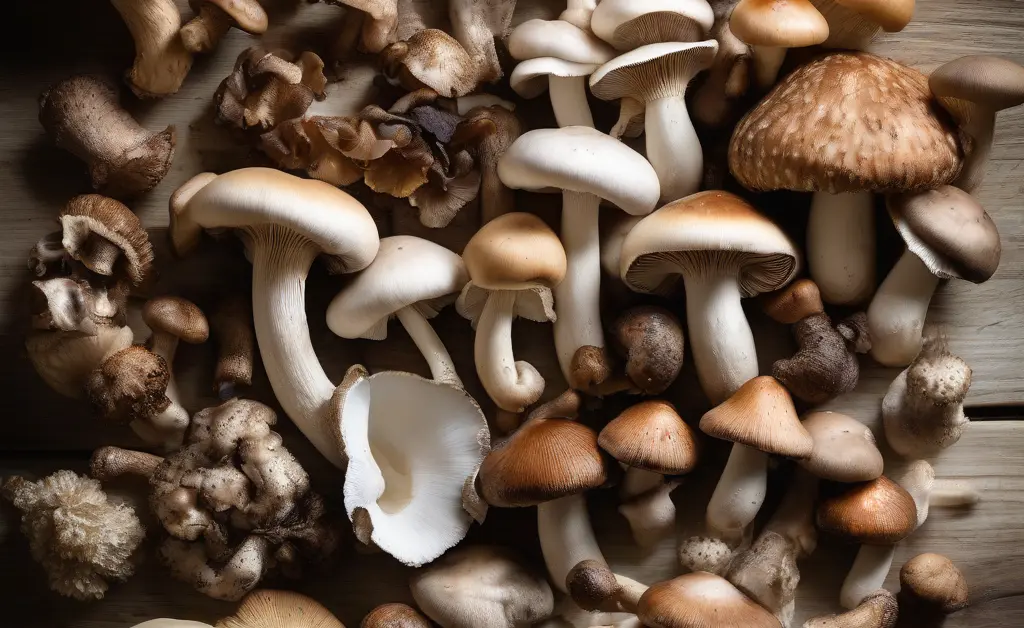
Edible mushrooms are a powerhouse of nutrition, making them a valuable addition to any diet. They are celebrated for their significant content of Vitamins and Minerals, including B vitamins like riboflavin, niacin, and pantothenic acid, and essential minerals such as selenium, copper, and potassium. Their notable Protein Content contributes to muscle health and overall bodily functions, offering a plant-based protein source for many. Furthermore, edible mushrooms contain various bioactive compounds, contributing to their Antioxidant Properties, which may help protect the body’s cells. They are also naturally Low Calorie and Fat, making them an excellent food choice for those managing weight or seeking healthier dietary options. Incorporating edible mushrooms Kenya offers into regular meals can therefore contribute significantly to a balanced and health-conscious lifestyle.
Cultivation and Sourcing of Edible Mushrooms in Kenya
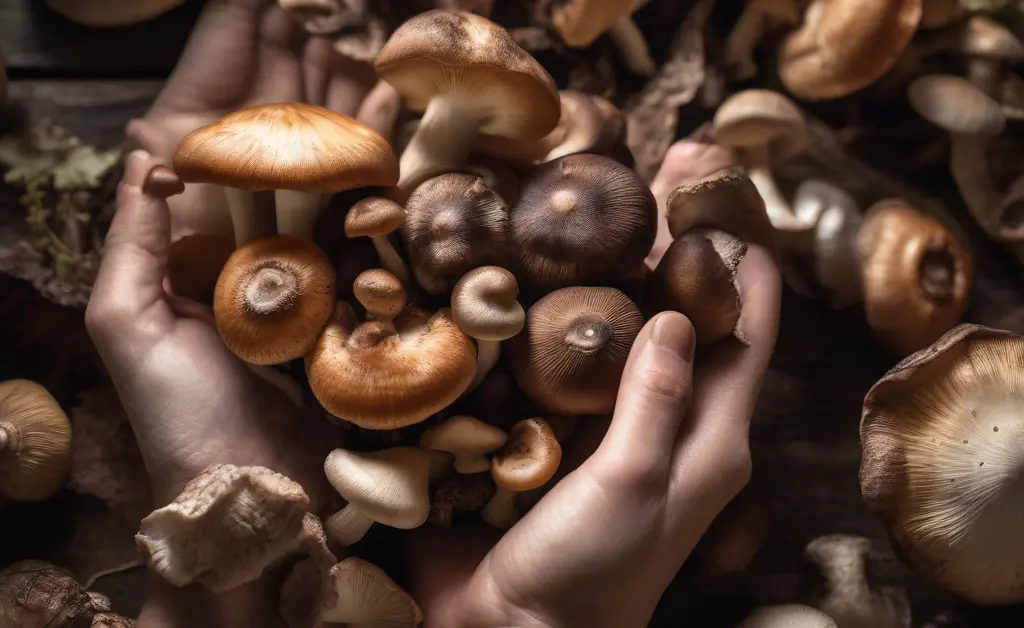
The journey of edible mushrooms from spore to plate in Kenya involves various methods, from sophisticated commercial farms to small-scale home gardens and traditional foraging. The growing demand for fresh edible mushrooms has spurred innovation and expansion in cultivation practices across the country, aiming to make these nutritious fungi more accessible. Understanding the different sourcing methods is key to appreciating the efforts involved in bringing edible mushrooms Kenya consumers enjoy to market.
Commercial Mushroom Farming in Kenya
Commercial mushroom farming has seen considerable growth in Kenya, with an increasing number of enterprises investing in controlled environments to cultivate varieties like Oyster, Button, and Shiitake mushrooms. These operations often involve specialized facilities that maintain optimal conditions for growth, including temperature, humidity, and substrate composition. While offering a consistent supply and high-quality product, commercial cultivation also presents Challenges in Mushroom Cultivation, such as managing pests and diseases, ensuring proper sanitation, and meeting the energy demands for climate control. Despite these hurdles, the sector continues to expand, driven by local demand and potential for export.
Home Cultivation Techniques
For those interested in a more personal approach, home cultivation techniques provide an opportunity to grow edible mushrooms on a smaller scale. Simple methods using readily available materials like straw, coffee grounds, or sawdust as substrates can be employed. Kits designed for beginners are also popular, making it easier for individuals to cultivate varieties like Oyster mushrooms in their own homes. This method allows for a fresh supply of mushrooms and offers an engaging hobby.
Sustainable Sourcing and Foraging Practices
Sustainable Sourcing and Foraging Practices are crucial, especially when it comes to wild edible mushrooms. This involves harvesting mushrooms in a way that does not deplete the natural populations or harm the ecosystem. Responsible foragers learn to identify mushrooms accurately, take only what they need, and leave the habitat undisturbed. Education on the local fungal ecology is vital to ensure that these practices are maintained for future generations, preserving the natural bounty of wild edible mushrooms.
Culinary Uses and Recipes for Kenyan Edible Mushrooms
The versatility of edible mushrooms makes them a cherished ingredient in kitchens across Kenya and beyond. Their unique texture and umami-rich flavor can elevate a wide range of dishes, from simple home-cooked meals to gourmet preparations. Whether fresh, dried, or powdered, edible mushrooms Kenya offers can be incorporated into various culinary creations, providing both flavor and nutritional benefits.
Incorporating Mushrooms into Traditional Kenyan Cuisine
Mushrooms can be seamlessly integrated into Traditional Kenyan Cuisine, adding depth and nutrition. They make an excellent addition to hearty Mushroom Soups and Stews, enhancing the richness of local vegetable or meat-based broths. Mushroom Stir-fries and Sautéed Dishes are also popular, often combined with local greens and spices. Furthermore, pureed mushrooms can form the base for delectable Mushroom Sauces and Gravies, perfect accompaniments for ugali or rice. For lighter fare, Mushroom Snacks and Appetizers, such as skewers or light sautés, provide a healthy and flavorful option, showcasing the adaptability of mushrooms in Kenyan culinary traditions.
Safety and Identification of Edible Mushrooms in Kenya
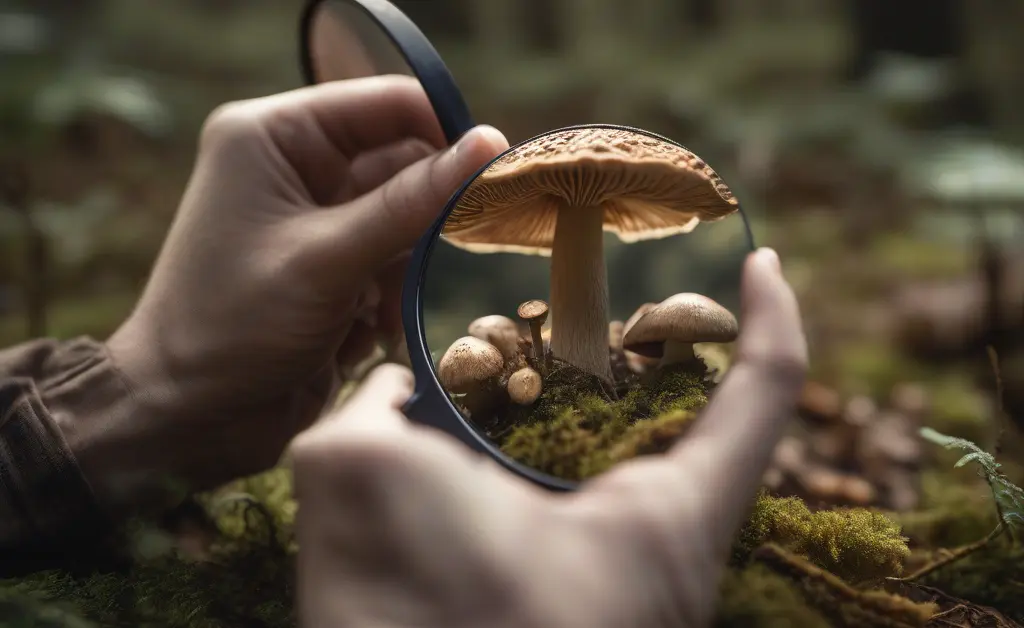
While the world of edible mushrooms in Kenya is rich and inviting, safety remains a paramount concern, especially when dealing with wild varieties. The Importance of Proper Identification cannot be overstated, as many edible species have poisonous look-alikes that can cause severe illness or even be fatal. It is crucial for anyone considering foraging to be educated or to consult with an expert. For comprehensive guidelines on food safety, organizations like EFSA provide valuable resources.
Distinguishing between Common Edible vs. Poisonous Mushrooms requires a deep understanding of mycological characteristics, including cap shape, gill structure, spore print color, stem features, and habitat. The Risks of Foraging Wild Mushrooms without adequate knowledge are substantial, and it is generally advised for novices to stick to commercially available and clearly identified mushrooms. Beyond identification, Safe Handling and Storage practices are also vital to prevent spoilage and bacterial growth, ensuring that the mushrooms remain safe for consumption once acquired.
Economic Importance and Market for Edible Mushrooms in Kenya
The burgeoning interest in edible mushrooms in Kenya extends beyond their culinary and nutritional value, encompassing a significant and growing economic impact. The mushroom industry is emerging as a vital sector, providing income opportunities and contributing to food security across the nation.
The Market Demand for Mushrooms has been steadily increasing, driven by health consciousness among consumers and the rising popularity of plant-based diets. Similarly, the demand for edible mushrooms Zimbabwe is also on the rise, reflecting a regional trend. This demand fuels both local production and creates avenues for the Export Potential of certain varieties. For Smallholder Farmer Opportunities, mushroom cultivation offers a relatively quick return on investment compared to other agricultural ventures, requiring less land and offering potential for year-round production. Furthermore, the Value Addition in the Mushroom Industry through processing into dried, powdered, or canned products, as well as mushroom-based snacks and supplements, opens up new markets and increases profitability, cementing the role of edible mushrooms Kenya’s economy. Neighboring countries also show a growing interest in these fungi, with the market for edible mushrooms South Africa being particularly robust.
The world of edible mushrooms in Kenya offers a remarkable blend of culinary delight, nutritional benefits, and economic opportunity. From the diverse wild species to the steadily growing cultivated varieties, mushrooms are becoming an increasingly important part of Kenyan diets and agricultural landscapes. While the allure of foraging for wild mushrooms is undeniable, prioritizing safety through accurate identification and responsible practices is crucial. As awareness grows and cultivation techniques advance, the role of these fascinating fungi in contributing to food security, health, and economic development across Kenya is set to expand even further.
This article is written for general understanding and not for medical decision-making. The information provided is for educational purposes only and should not be used as a substitute for professional medical advice, diagnosis, or treatment. Always consult with a qualified healthcare professional for any health concerns or before making any decisions related to your health or treatment.
FAQ
What are the most common edible mushrooms in Kenya?
In Kenya, wild mushrooms like the Ophiocordyceps subsessilis and Termitomyces titanicus are frequently found and consumed. These varieties thrive in specific ecological niches, making them locally recognizable and sought after. Their prevalence is tied to seasonal rainfall patterns across different regions.
Are there poisonous mushrooms in Kenya that look like edible ones?
Yes, there are wild mushrooms in Kenya that can be toxic and may resemble edible species. Accurate identification by experienced foragers is crucial to avoid accidental ingestion of poisonous varieties. Local knowledge and caution are essential when gathering wild mushrooms.
How can I grow edible mushrooms in Kenya?
Cultivating edible mushrooms in Kenya involves creating a controlled environment with appropriate substrates, humidity, and temperature. Common methods include growing oyster mushrooms or button mushrooms on materials like sawdust or straw. Success often depends on sourcing quality spawn and maintaining sterile conditions.
What are the health benefits of eating mushrooms from Kenya?
Mushrooms native to or grown in Kenya offer a range of nutritional compounds, including vitamins, minerals, and antioxidants. They are a source of protein and fiber, contributing to a balanced diet. Consuming these fungi can support overall well-being through their diverse micronutrient profile.
Where can I buy fresh edible mushrooms in Kenya?
Fresh edible mushrooms can often be purchased at local markets, roadside stalls, and from specialized grocery stores in Kenya. Some farmers also sell directly to consumers or through community-supported agriculture initiatives. Exploring urban and peri-urban markets is a good way to find a variety of fresh mushrooms.
What are some popular Kenyan recipes using edible mushrooms?
Kenyan cuisine features mushrooms in various dishes, often prepared with local ingredients like tomatoes, onions, and spices. Popular preparations include mushroom stews, stir-fries, and additions to ugali or rice. These recipes highlight the earthy flavor of the mushrooms, making them a versatile ingredient.