
A Forager’s Guide to Manitoba’s Edible Mushrooms
In recent years, a noticeable shift towards embracing nature’s bounty has captivated home cooks and culinary enthusiasts alike. Many are seeking out fresh, locally sourced ingredients to elevate their meals and explore new flavors, leading to a resurgence of interest in foraging. This growing appreciation for natural foods extends to the fascinating world of fungi, with more individuals discovering the unique textures and tastes that wild mushrooms offer. Understanding which edible mushrooms manitoba has to offer, and how to identify and harvest them responsibly, can transform your culinary adventures. This guide aims to provide essential information for safely exploring the diverse and delicious fungal treasures found across the province’s rich landscapes.
Wild Edible Mushrooms of Manitoba
Manitoba’s diverse ecosystems, ranging from dense forests to mixed woodlands and open fields, provide fertile ground for a wide array of fungal species. Foraging for wild edible mushrooms in Manitoba can be a rewarding experience, offering both the thrill of discovery and the delight of unique culinary additions. However, successful and safe foraging begins with a fundamental understanding of the types of mushrooms that thrive in the region. The province’s climate and varied terrain contribute to a rich biodiversity, making it a promising location for those interested in exploring nature’s pantry. A wider context for understanding regional fungi can be found by looking into edible mushrooms Canada offers.
Top Edible Mushroom Species Popular in Manitoba (Morels, Chanterelles, Oyster Mushrooms, Chicken of the Woods, Lion’s Mane)
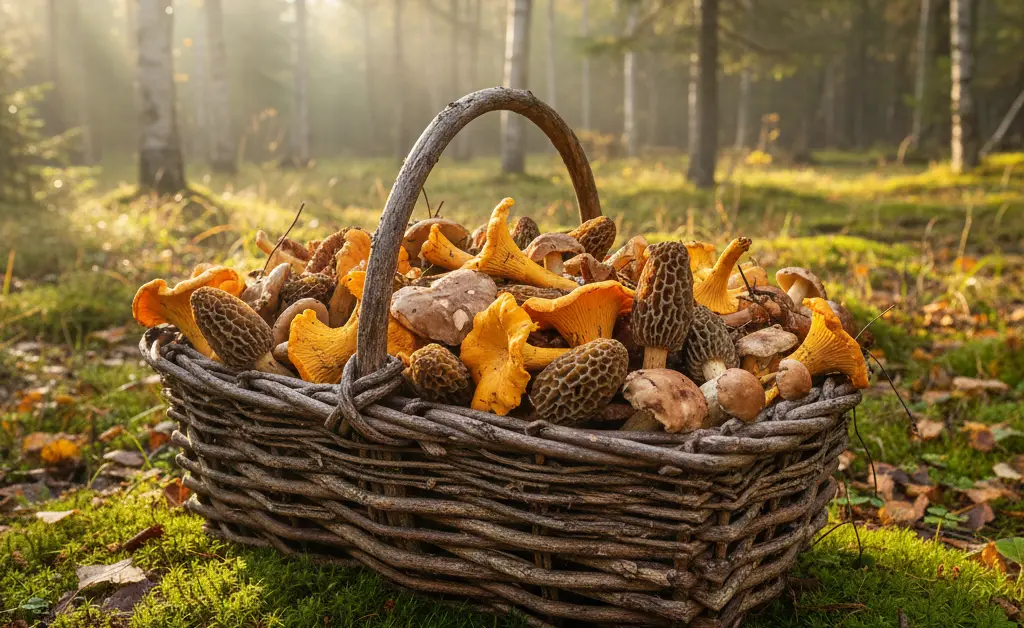
- Morels: These highly prized mushrooms are often found in spring, particularly in disturbed areas, around dying or dead elms, aspens, and sometimes fruit trees. They are recognized by their distinctive honeycomb-like caps.
- Chanterelles: Known for their fruity aroma and trumpet-like shape, chanterelles typically appear in summer and fall, growing on the ground in mossy areas under coniferous and deciduous trees.
- Oyster Mushrooms: These shelf-like mushrooms can be found year-round in some parts, often growing in clusters on dead or dying hardwood trees. They have a delicate flavor and a broad, fan-shaped cap.
- Chicken of the Woods: Also known as sulphur shelf, this vibrant orange or yellow mushroom grows in shelves or rosettes on living or dead hardwood trees. It has a distinctive texture and flavor, often compared to chicken.
- Lion’s Mane: This unique-looking mushroom, resembling a cascade of white icicles, typically grows on dead or dying hardwood trees. It is admired for its texture and flavor, which can be reminiscent of seafood.
Common Edible Mushrooms Found in Manitoba
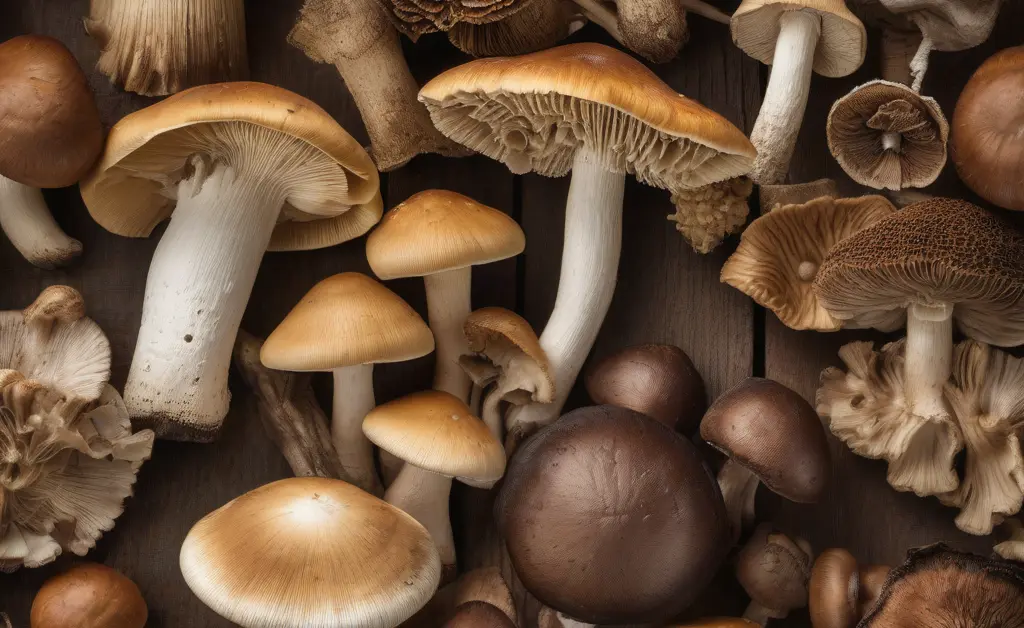
Beyond the “top” tier, Manitoba hosts numerous other common edible mushrooms that foragers might encounter during their explorations. These can include various species of puffballs, shaggy manes, and certain boletes, each offering its own distinct characteristics and flavors. Familiarity with these broader categories of edible fungi can significantly expand a forager’s potential harvest. When seeking edible mushrooms in Manitoba, it is essential to learn about their preferred growing conditions and general appearances. For those interested in contrasting regional fungi, insights into edible mushrooms Nova Scotia provides can be very informative.
What types of edible mushrooms are in my Manitoba yard?
While many popular edible mushrooms are found in forests, some species can occasionally appear in residential yards, especially those with mature trees or decaying wood. Common examples might include some types of puffballs or even certain oyster mushroom varieties growing on stumps. However, identifying yard mushrooms requires extreme caution, as many common lawn fungi are not edible or can be toxic. Never consume a mushroom found in your yard without absolute certainty of its identity, preferably confirmed by an expert.
Identifying Edible Mushrooms Safely in Manitoba
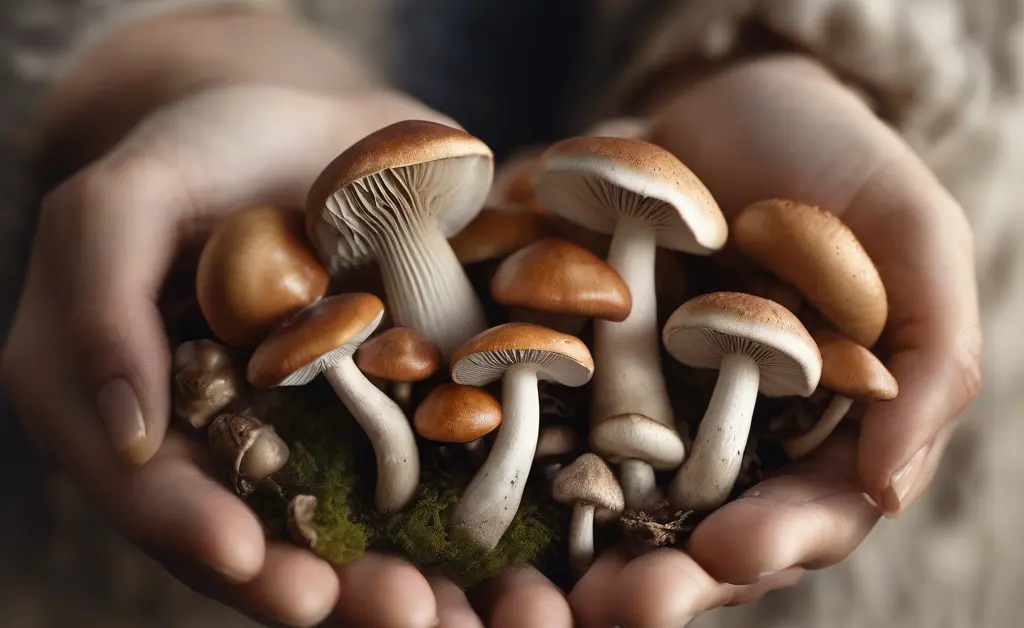
Safe identification is paramount when foraging for edible mushrooms in Manitoba. Many delicious edibles have toxic look-alikes, making accurate identification a matter of safety. Key identification features include cap shape, color, gill attachment, stem characteristics, presence of a veil or ring, and spore print color. It is crucial to examine multiple features and consult reliable field guides or expert opinions. Misidentification can have serious consequences, so a cautious approach is always recommended. Always assume a mushroom is poisonous until proven otherwise by an expert. For a different coastal perspective on foraging, information on edible mushrooms Vancouver Island is also widely available.
Harvesting and Preparing Edible Mushrooms in Manitoba
Once positively identified, harvesting edible mushrooms in Manitoba should be done responsibly to ensure future growth and preserve the natural environment. Sustainable harvesting practices include taking only what you need, leaving smaller specimens to mature, and disturbing the habitat as little as possible. When harvesting, use a sharp knife to cut the stem near the base, rather than pulling the entire mushroom, to minimize damage to the mycelial network. After harvesting, mushrooms should be cleaned gently, often with a soft brush or damp cloth, and stored properly to maintain freshness. Different species may lend themselves to various cooking methods, from sautéing to roasting or adding to stews. Similar detailed guides exist for edible mushrooms Ontario forages as well.
Edible Mushrooms Manitoba: Regulations and Safety Considerations

Foraging for edible mushrooms in Manitoba involves more than just identification and harvesting; it also requires awareness of local regulations and important safety considerations. Before heading out, it’s advisable to check if a permit is required for foraging in specific areas, especially provincial parks or protected lands. Additionally, be mindful of private property boundaries. Beyond regulations, safety involves being aware of potential risks. Some individuals may experience allergic reactions even to commonly consumed edible species. It’s always wise to try a small amount first if trying a new mushroom. Furthermore, avoid foraging in areas that may have been exposed to pesticides, herbicides, or other environmental contaminants. For comprehensive insights into food safety regulations, resources from the European Food Safety Authority (EFSA) are highly valuable. When exploring for edible mushrooms Manitoba has to offer, prioritizing safety and legality ensures a positive experience.
Where to Find Edible Mushrooms in Manitoba
Manitoba’s diverse landscapes offer numerous potential habitats for edible mushrooms, from the vast boreal forests in the north to the mixed woodlands and aspen parklands further south. Specific species tend to favor particular types of trees or soil conditions. For instance, some mushrooms prefer coniferous forests, while others thrive under deciduous trees like oak, birch, or aspen. River valleys and areas with plenty of decaying wood can also be productive. Consulting local mushroom identification resources, joining a mycological society, or participating in guided forays can provide valuable insights into prime foraging spots and help develop your observational skills. Remember that successful foraging often depends on timing, as mushroom growth is heavily influenced by weather patterns, particularly rainfall and temperature.
Exploring the world of wild edible mushrooms in Manitoba can be a rewarding journey into nature’s culinary offerings. With careful study, responsible practices, and a commitment to safety, foragers can enjoy the unique flavors and experiences that these natural treasures provide. Always prioritize accurate identification and respect the environment to ensure a sustainable and enjoyable foraging adventure.
This article is meant for general informational use and awareness. It is not intended to be a substitute for professional identification or expert guidance. Foraging for wild mushrooms carries inherent risks, and misidentification can lead to serious health consequences. Always consult with a certified mycologist or expert before consuming any wild mushroom. The authors and publishers disclaim any liability for adverse effects resulting from the use of information presented.
FAQ
What are the best edible mushrooms to find in Manitoba?
Manitoba offers a variety of delicious edible mushrooms, with Chanterelles, Morels, and Oyster mushrooms being among the most sought-after. These species are known for their distinct flavors and culinary versatility. Understanding local foraging seasons and habitats is key to successfully identifying and harvesting these fantastic fungi.