
A Forager’s Guide to Edible Dutch Mushrooms
The Netherlands boasts a rich and often overlooked world of fungal treasures. Beyond the supermarket aisle, a diverse array of edible mushrooms thrives in Dutch forests and natural areas, offering both a rewarding foraging experience and unique culinary opportunities. This guide delves into the fascinating realm of edible mushrooms Netherlands, providing essential insights for enthusiasts and home cooks alike. We will explore common varieties, safe foraging practices, and where to find these delectable fungi. Understanding the local species and their habitats is crucial for a successful and safe harvest, contributing to an appreciation for the country’s natural biodiversity while enhancing your gastronomic repertoire.
Edible Mushrooms in the Netherlands
The lowlands of the Netherlands, with their varied landscapes ranging from dense woodlands to open grasslands, provide a fertile ground for a remarkable diversity of fungi. While often associated with the culinary traditions of other European countries, the presence of various edible mushrooms in the Netherlands offers unique opportunities for local gourmands and foragers. Many enthusiasts also explore the rich variety of edible mushrooms in Europe, expanding their knowledge of fungal biodiversity. Exploring these native species reveals a rich tapestry of flavors and textures, making the local fungal flora a valuable natural resource. Understanding which species are safe to consume is paramount for anyone interested in this natural bounty.
Common Edible Mushrooms Found in the Netherlands
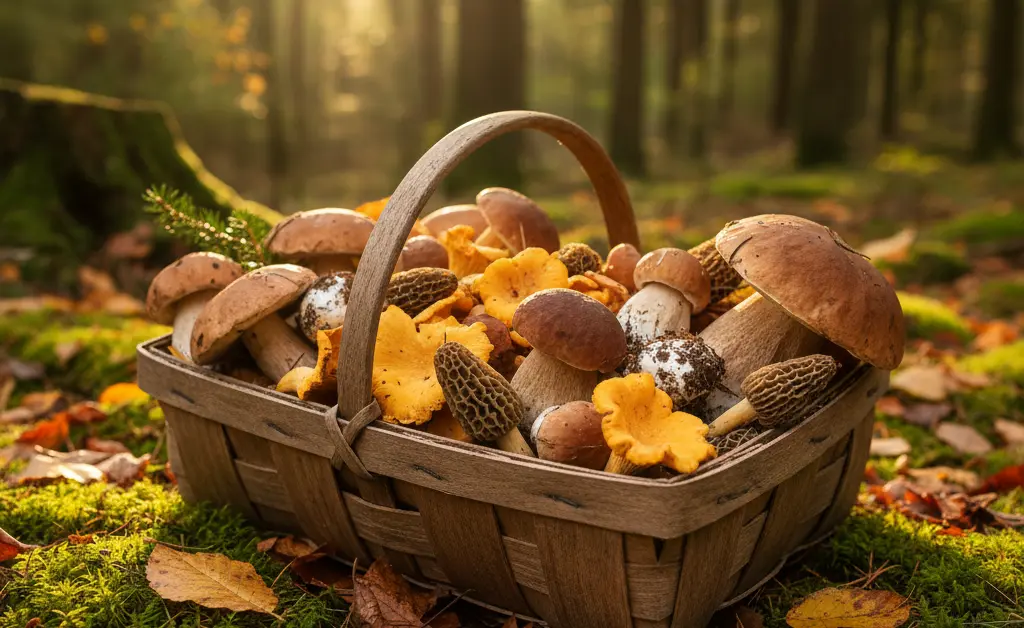
Among the numerous fungal species, several stand out as commonly recognized edible mushrooms in the Netherlands. These include the familiar Cèpe (Boletus edulis), known for its robust flavor and firm texture, often found under deciduous and coniferous trees. Chanterelles (Cantharellus cibarius), with their distinctive funnel shape and fruity aroma, are another highly prized find. The Bay Bolete (Imleria badia) is also relatively widespread and appreciated for its mild, nutty taste. Other notable varieties include the Horn of Plenty (Craterellus cornucopioides) and various species of puffballs, which are easily identifiable when young and firm.
Top Edible Mushroom Varieties Popular in the Netherlands
Beyond the most common finds, certain edible mushroom varieties are particularly sought after for their distinct culinary properties and delightful flavors. The Parasol Mushroom (Macrolepiota procera) is celebrated for its large size and delicate taste, often pan-fried like a schnitzel. The Saffron Milk Cap (Lactarius deliciosus), recognized by its orange cap and carrot-colored milk, is another favorite, particularly when grilled. While many species of oyster mushrooms (Pleurotus ostreatus) are cultivated, wild varieties can also be found on decaying wood. These popular edible mushrooms provide a wonderful culinary experience, whether foraged or purchased from local markets.
Mushroom Foraging in the Netherlands
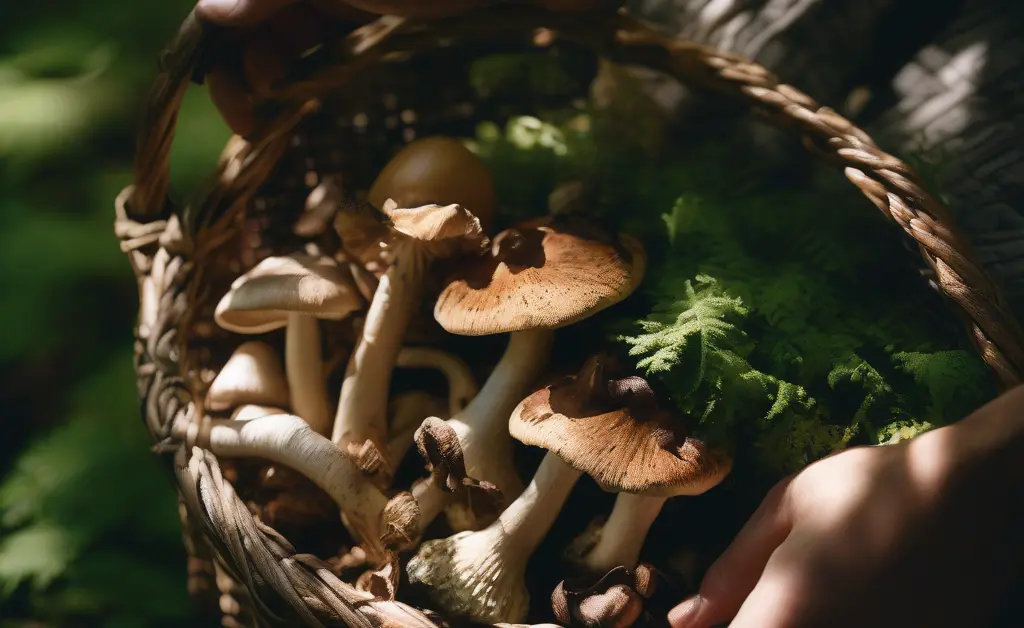
Mushroom foraging in the Netherlands can be a highly rewarding activity, offering a chance to connect with nature and gather fresh, flavorful ingredients. However, it requires careful preparation and adherence to safety guidelines. Identifying edible mushrooms Netherlands correctly is crucial to avoid potentially toxic look-alikes. Enthusiasts often join guided tours or consult experienced foragers to learn the nuances of safe identification and sustainable harvesting practices. Further scientific information regarding fungal species and their properties can be found through resources like the NCBI. This practice not only provides food but also fosters a deeper appreciation for the local ecosystem.
Where to Find Edible Mushrooms in the Netherlands
The diverse landscapes of the Netherlands offer various habitats conducive to mushroom growth. **Forests and Woodlands**, particularly those with a mix of deciduous and coniferous trees, are prime locations for many species, including boletes and chanterelles. Areas with older trees and undisturbed leaf litter tend to be most productive. **Meadows and Grasslands** can also yield certain edible fungi, such as field mushrooms and puffballs, especially after periods of rain. Specific regions for mushroom hunting may vary, with some provinces known for their richer fungal biodiversity. Foragers might also compare their findings with those found among edible mushrooms in Denmark. It is always recommended to research local regulations and seek permission if foraging on private land.
Culinary Uses of Edible Mushrooms in Dutch Cuisine
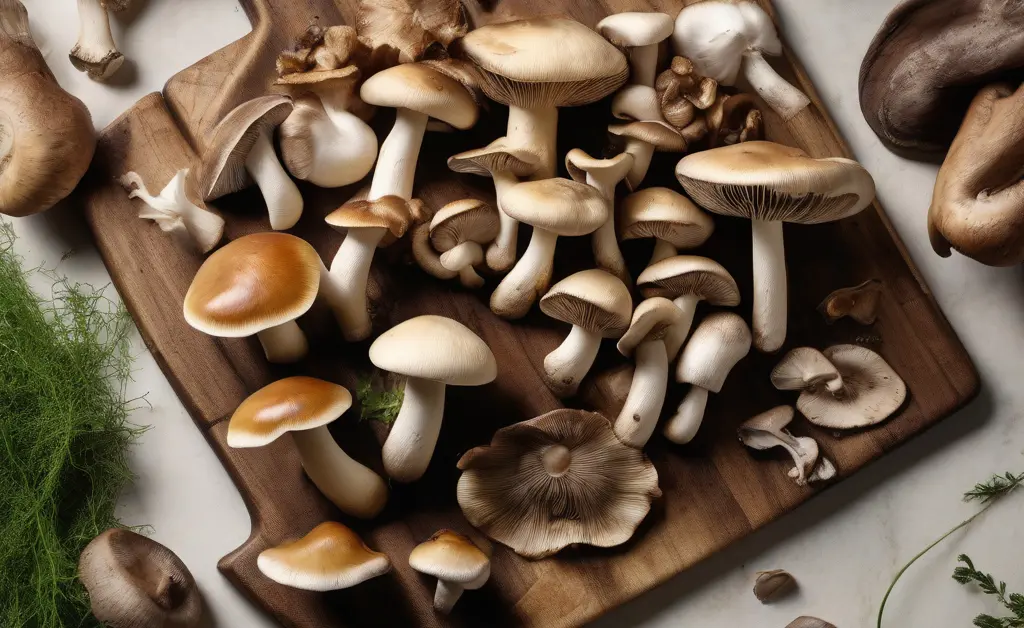
Edible mushrooms in the Netherlands, whether foraged or cultivated, offer a versatile ingredient for a wide array of culinary applications. Their earthy flavors and varied textures can elevate simple dishes or form the centerpiece of more elaborate meals. These culinary traditions are also rich in countries like Romania, where edible mushrooms in Romania play a significant role in local cuisine. Incorporating these fungi into cooking is a delightful way to explore local produce and enhance gastronomic experiences, providing a connection to the natural bounty of the Dutch landscape.
Where to Buy Edible Mushrooms in the Netherlands
For those who prefer not to forage, or when seasonal availability is limited, fresh edible mushrooms can be purchased from various sources in the Netherlands. Local farmers’ markets often feature a selection of cultivated and sometimes wild-foraged mushrooms, particularly during peak season. Specialty food stores and larger supermarkets also carry common varieties like button mushrooms, portobellos, and oyster mushrooms, often sourced from local growers. Online retailers specializing in gourmet ingredients can also provide access to a wider range of fresh or dried edible fungi, making it easier to enjoy these natural delights.
The world of edible mushrooms in the Netherlands is a captivating one, offering both a unique outdoor pursuit and a delightful culinary adventure. By understanding the common varieties, practicing safe and sustainable foraging, and appreciating their diverse culinary applications, enthusiasts can fully embrace this natural bounty. Similar experiences can be found when exploring edible mushrooms in Sweden, highlighting the rich fungal diversity across Northern Europe. Whether exploring the depths of Dutch forests or preparing a meal with locally sourced fungi, the experience promises to be enriching and delicious.
This content is for informational use and should not be considered medical instruction. It is essential to consult with qualified experts for any health concerns or before making decisions related to diet, supplements, or medical conditions. The information provided is not intended to diagnose, treat, cure, or prevent any disease. Always exercise caution and consult with a professional before consuming foraged items.
FAQ
What are the most popular edible mushrooms in the Netherlands?
The most commonly consumed edible mushrooms in the Netherlands include the button mushroom (Agaricus bisporus), shiitake (Lentinula edodes), and oyster mushroom (Pleurotus ostreatus). These varieties are widely cultivated and readily available in markets and grocery stores, making them staples in Dutch cuisine. Their popularity stems from their versatile culinary applications and widespread accessibility.
Where can I legally forage for mushrooms in the Netherlands?
Foraging for mushrooms in the Netherlands is generally permitted in forests and nature reserves, provided it is done responsibly and for personal consumption. However, regulations can vary by region and specific protected areas, so it is important to be aware of local rules. Overharvesting and disturbing natural habitats are discouraged to ensure sustainability and protect biodiversity.
How do I safely identify edible mushrooms in the Netherlands?
Safely identifying edible mushrooms in the Netherlands requires thorough knowledge and caution, as many wild species can be poisonous. Consulting with experienced mycologists or joining local mushroom-hunting groups can provide valuable guidance. Reliable field guides specific to Dutch fungi are also essential resources for learning distinguishing characteristics.