
A Forager’s Guide to Edible Ontario Mushrooms
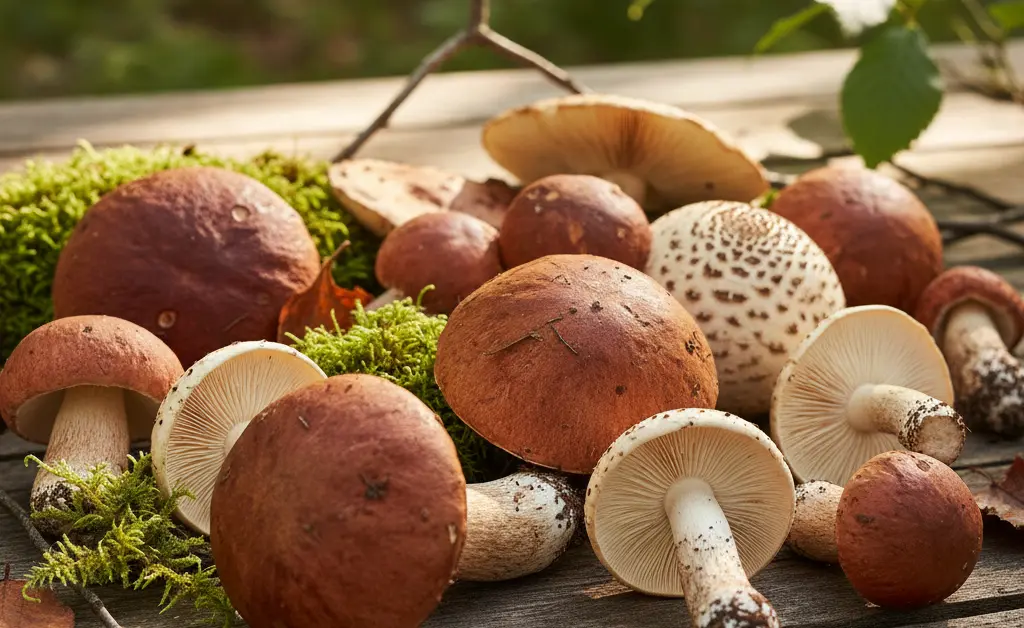
Imagine you’re planning a meal, envisioning fresh, earthy flavors that only nature can provide, or perhaps you’re simply stepping out for a walk, hoping to discover hidden gems. For many in Ontario, the changing seasons bring a unique opportunity to connect with the environment through foraging. The pursuit of wild fungi offers both a rewarding outdoor adventure and a delicious culinary experience. This guide is designed to introduce enthusiasts and cautious beginners alike to the fascinating world of edible mushrooms in Ontario, offering essential knowledge to safely identify, harvest, and prepare these natural delicacies. Whether you’re a seasoned forager or just starting, understanding the local flora is key to a successful and enjoyable experience.
Common Edible Mushroom Species in Ontario
Beyond Ontario, the vast landscapes across the country also offer opportunities for finding edible mushrooms in Canada, each region presenting its unique fungal varieties. Ontario’s diverse ecosystems, from dense forests to mixed woodlands, provide a rich environment for a variety of fungi. Understanding the distinct characteristics of common edible mushrooms in Ontario is the first step toward successful and safe foraging. Proper identification is paramount, as many delicious species have toxic look-alikes. Always confirm identification with multiple sources and, if in doubt, err on the side of caution. For comprehensive health information and research, resources like the NIH can provide valuable insights.
Morels
Morels are among the most sought-after edible fungi, famous for their unique honeycomb-like caps and earthy flavor. They typically appear in spring, often in deciduous forests, particularly near ash, elm, apple, or tulip trees, and sometimes in recently disturbed areas or old orchards. Their caps can range in color from pale yellow to dark brown, and they are hollow from cap to stem. Identification relies on their distinctive wrinkled, pitted cap and hollow interior, which differentiates them from poisonous false morels.
Chanterelles
Chanterelles are beloved for their beautiful golden color and fruity, apricot-like aroma. These trumpet-shaped mushrooms have false gills that run down the stem and are often forked. They grow on the ground in mossy forests, particularly under hardwoods like oak or beech, and sometimes conifers. Chanterelles usually appear in summer and early autumn. Key identification features include their vibrant color, wavy cap margins, and the absence of true, easily separable gills.
Oyster Mushrooms
Oyster mushrooms are a popular choice for beginners due to their relatively easy identification and delicious flavor. They grow in shelf-like clusters on decaying hardwood trees, especially aspen, beech, and maple. These mushrooms have a fan or oyster-shaped cap, gills that run down the stem (if present), and can vary in color from white to grey or tan. They are found throughout much of the growing season, often appearing after rainfall. Their growth pattern on wood and distinct cap shape are good indicators.
Lion’s Mane
Lion’s Mane, also known as “pom pom mushroom” or “bear’s head tooth mushroom,” is a striking and distinctive edible species. It appears as a large, shaggy white mass of cascading spines, resembling a lion’s mane or icicles. This unique mushroom grows on dead or dying hardwood trees, particularly oak and beech, in late summer and fall. Its appearance is so unusual that it has few look-alikes, making it relatively safe for identification. It is prized for its culinary versatility and subtle seafood-like flavor.
Chicken of the Woods
Chicken of the Woods, or sulphur shelf mushroom, is an easily recognizable and abundant edible fungus. It grows in vibrant, overlapping, shelf-like clusters on living or dead hardwood trees, especially oak, and sometimes conifers. Its upper surface is bright orange or yellow-orange, while the underside is a porous, sulphur-yellow. It typically appears in summer and fall. Its distinct color, bracket-like growth, and lack of gills on the underside are key identifiers. It gets its name from its texture and flavor, which can resemble chicken.
Boletes
Boletes encompass a large group of fungi, many of which are highly prized edibles, while others can be poisonous. They are characterized by a spongy pore layer instead of gills under their cap. The most famous edible bolete is the King Bolete (Porcini), known for its thick stem and robust flavor. Boletes typically grow on the ground in mycorrhizal association with trees, found in various forest types. Due to the complexity and potential for toxic species within this group, careful identification, often involving spore print and reaction to bruising, is crucial when seeking edible mushrooms in Ontario that belong to the Boletaceae family.
Where to Find Edible Mushrooms in Ontario
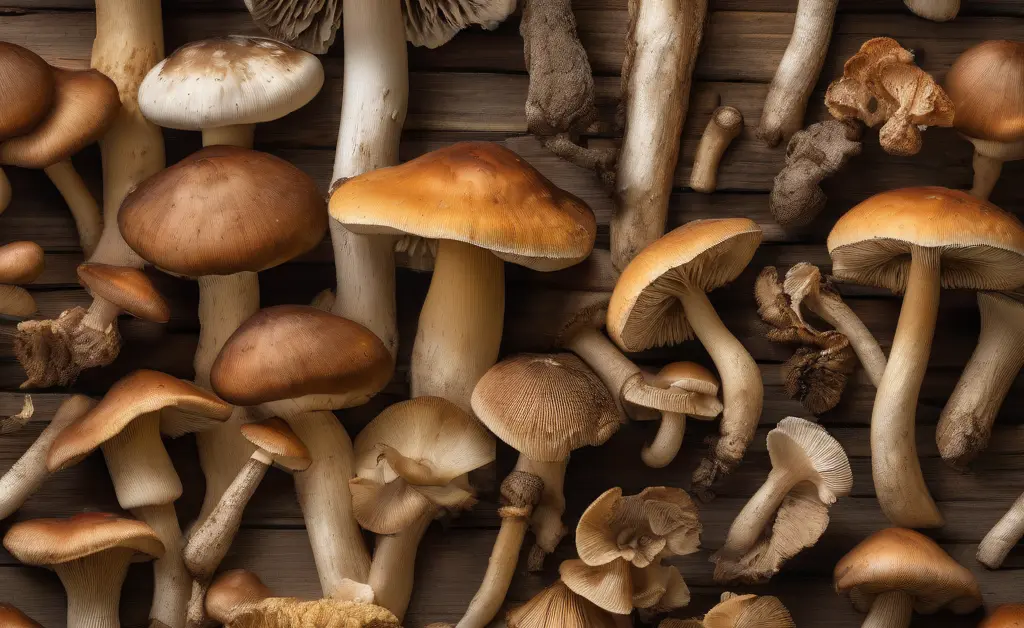
Locating edible mushrooms in Ontario requires understanding their preferred habitats and environmental conditions. Each species has specific requirements, making certain areas more fruitful at different times of the year. For those exploring other regions, like British Columbia, finding edible mushrooms in the Kootenays presents a distinct set of environments and species to discover. Forest habitats, woodlands, and areas with decaying wood are prime locations, but responsible foraging also means respecting regulations and private property.
Many popular edible species thrive in specific forest settings. For instance, morels often prefer deciduous woods, especially those with ash, elm, or oak trees. Chanterelles and boletes also favor forest floors, forming symbiotic relationships with tree roots. Look for them nestled in moss, under leaf litter, or at the base of mature trees. Woodlands, whether dense or sparse, offer varied conditions that support a wide range of fungi. The presence of specific tree species can be a strong indicator of what mushrooms you might find. Similarly, the diverse forests of Quebec offer unique opportunities to find edible mushrooms in Quebec, each with its own preferred habitat.
Decaying wood is a crucial substrate for many fungi. Oyster mushrooms and Chicken of the Woods, for example, are typically found growing on logs, stumps, or standing dead trees. These areas provide the necessary nutrients for their growth. After periods of rain, especially following warm days, mycelial networks often fruit, making these conditions ideal for finding mushrooms. Early morning is often considered the best time to forage, as the mushrooms are fresh and less disturbed.
Before heading out, it’s essential to be aware of regulations. Provincial parks and conservation areas often have strict rules regarding foraging, with some prohibiting it entirely or requiring permits. Always check the specific rules for any public land you plan to visit. Foraging on private property without explicit permission is illegal and unethical. General foraging ethics include never over-harvesting, leaving some mushrooms behind for reproduction and wildlife, minimizing disturbance to the habitat, and always ensuring you have a positive identification before harvesting any edible mushrooms in Ontario.
Harvesting and Preparing Edible Mushrooms
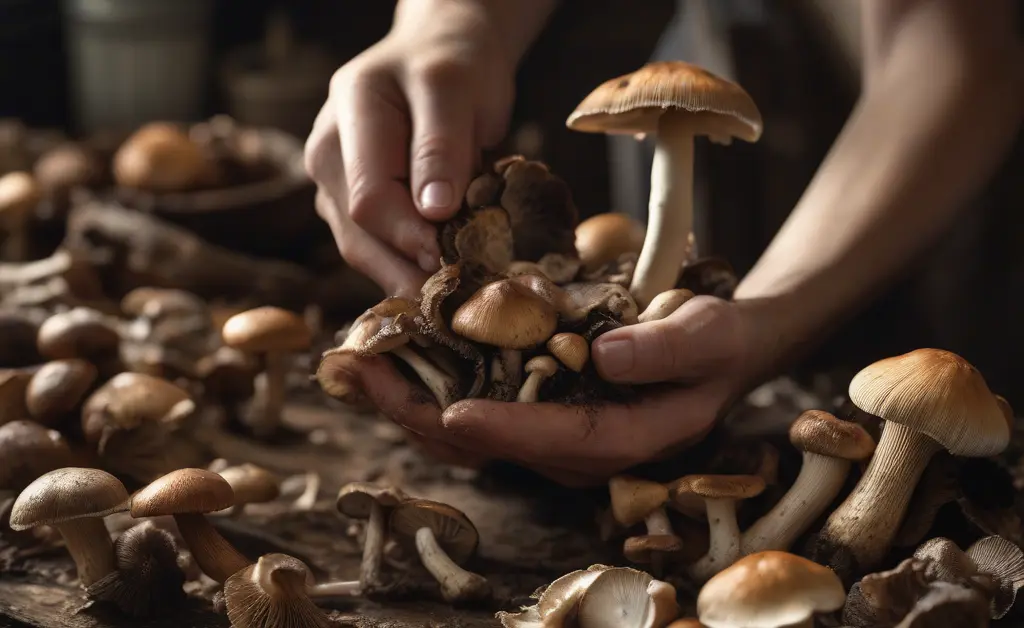
Successfully foraging for edible mushrooms in Ontario extends beyond identification; proper harvesting techniques, thorough cleaning, appropriate storage, and suitable cooking methods are all vital to enjoying your wild bounty safely and deliciously. Foraging also differs regionally; for instance, discovering edible mushrooms in Saskatchewan would involve understanding unique prairie ecosystems and species. Careful handling preserves the quality and flavor of your harvest.
The best time to harvest mushrooms often depends on the species and local weather conditions, but generally, after a period of rain followed by mild temperatures is ideal. Mushrooms are typically at their prime when young and firm, before they become waterlogged or begin to decay. When harvesting, use a sharp knife to cut the stem at or just above ground level, or gently twist and pull the mushroom from the substrate, being careful not to disturb the mycelial network too much. This allows the mycelium to continue producing more mushrooms. Carry a breathable basket or mesh bag to allow spores to disperse as you walk, aiding in future growth.
Upon returning home, cleaning your mushrooms is a critical step. Most wild mushrooms should not be washed under running water, as they can absorb moisture and become soggy. Instead, use a soft brush, a damp cloth, or a knife to gently scrape off any dirt, debris, or insects. For some species like boletes, it’s advisable to remove the spongy pore layer from older specimens. Once cleaned, storage methods vary. Many edible fungi can be refrigerated in a paper bag for a few days. For longer preservation, options include drying (especially for morels), sautéing and freezing, or pickling, depending on the mushroom type.
When it comes to cooking, each mushroom has its unique texture and flavor profile that pairs well with different preparations. Morels are excellent simply sautéed in butter, while chanterelles shine in cream sauces or scrambled eggs. Oyster mushrooms are versatile in stir-fries, and Lion’s Mane can be shredded and pan-fried to mimic crab meat. Chicken of the Woods, as its name suggests, is often fried or roasted. Always ensure wild mushrooms are thoroughly cooked to reduce the risk of digestive upset, as some compounds may break down with heat. Experimentation is part of the fun in preparing edible mushrooms in Ontario, allowing you to discover your favorite ways to enjoy these natural treasures.
Embarking on the journey of foraging for edible mushrooms in Ontario offers a unique blend of outdoor adventure and culinary reward. From the distinct honeycomb cap of the Morel to the shaggy spines of Lion’s Mane, each species presents its own fascinating challenge and delightful discovery. By prioritizing accurate identification, understanding the subtle nuances of forest ecosystems, and adhering to ethical harvesting practices, enthusiasts can safely explore the rich fungal biodiversity of the region. This endeavor not only provides delicious ingredients for the kitchen but also fosters a deeper connection to nature and a greater appreciation for the intricate world beneath our feet. Always remember, caution and continuous learning are your best companions in the pursuit of these natural delicacies.
While this article discusses health-related topics, it does not provide medical guidance. The information presented here is intended for general informational purposes only and should not be considered a substitute for professional advice. Always exercise extreme caution when foraging for wild mushrooms, as proper identification is crucial to avoid toxic species. Consult with a qualified expert or local mycological society for reliable identification and safety protocols before consuming any wild fungi.
FAQ
What are the most common edible mushrooms in Ontario?
Ontario is home to a variety of delicious edible mushrooms, with some of the most frequently encountered including chanterelles, morels, and oyster mushrooms. These fungi thrive in the province’s diverse forest ecosystems and are sought after by foragers. Different species have distinct growing seasons and preferred habitats, making knowledge of local conditions helpful.
How do I identify edible mushrooms in Ontario?
Identifying edible mushrooms in Ontario requires careful observation and a thorough understanding of their distinguishing characteristics, such as cap shape, gill structure, spore color, and stem features. It is essential to consult reliable field guides specific to Ontario’s fungi and ideally learn from experienced foragers. Accurate identification is paramount due to the presence of toxic look-alikes.
Are there any poisonous mushrooms in Ontario that look like edible ones?
Yes, Ontario has several poisonous mushrooms that can be mistaken for edible varieties, posing a significant risk to the untrained eye. For instance, some false morels bear a superficial resemblance to true morels, and certain little brown mushrooms can be confused with edible species. This underscores the critical importance of absolute certainty in identification before consuming any wild mushroom.