
A Guide to Quebec’s Wild Edible Mushrooms
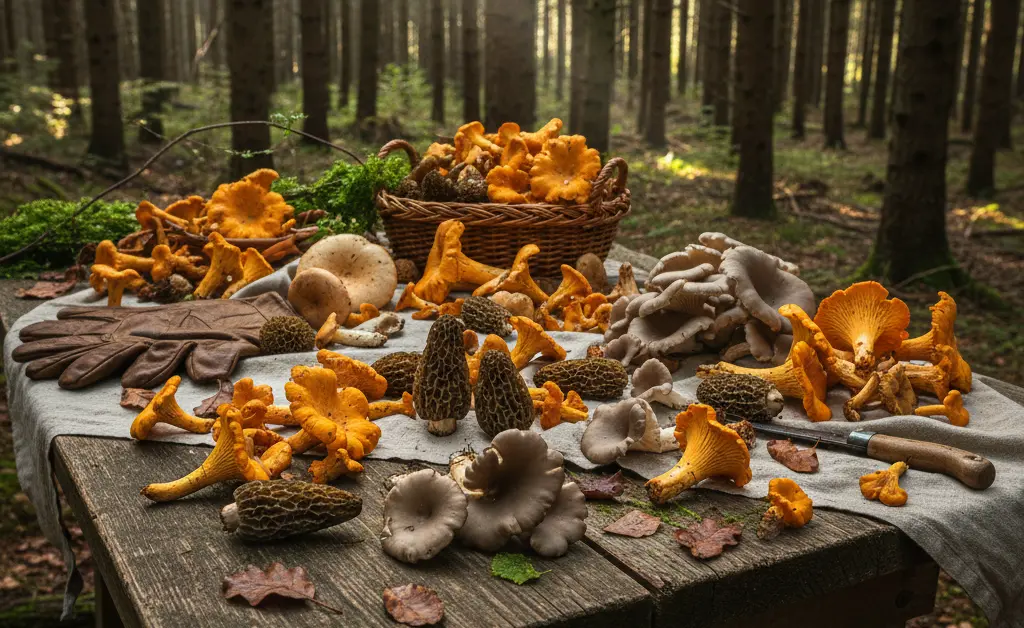
Wild mushrooms have been sought after for their unique flavors and nutritional value for centuries. In Quebec, the diverse forests and changing seasons provide an ideal environment for a wide array of fungal species. Foragers, both experienced and novice, explore these natural settings to discover nature’s bounty. Learning to identify these species correctly is crucial for safe consumption and to appreciate the rich biodiversity of the region. This guide aims to introduce enthusiasts to the fascinating world of edible mushrooms Quebec offers, focusing on identification, foraging locations, and safe harvesting practices. It emphasizes respecting the environment and understanding local regulations to ensure a sustainable and rewarding experience for all.
Wild Edible Mushrooms of Quebec
Quebec’s vast forests and varied ecosystems are a treasure trove for mycophiles, hosting a diverse range of wild edible mushrooms. From the deciduous woodlands of the south to the boreal forests further north, each habitat offers unique species throughout the foraging season. Understanding the specific environmental preferences and seasonal availability of these fungi is key to successful and sustainable foraging. This section introduces some of the most celebrated and sought-after edible mushrooms Quebec has to offer, highlighting their distinct characteristics.
Chanterelles
Chanterelles are among the most prized wild edible mushrooms, known for their vibrant color and fruity aroma. In Quebec, several species of chanterelles can be found, often growing in mossy areas under coniferous and deciduous trees. Key identification features include their funnel shape, wavy caps, and distinctive gill-like ridges that run down the stem rather than true gills. They typically appear from summer through fall. Foragers must be careful to distinguish them from poisonous look-alikes like the Jack O’Lantern mushroom, which has true, sharp gills and grows in clusters on wood.
Morels
Morels are another highly coveted spring mushroom, recognized by their distinctive honeycomb-like caps. These unique fungi are often found in disturbed areas, particularly after forest fires, or around certain deciduous trees like ash and elm. The cap is fully attached to the hollow stem, a crucial identification feature distinguishing true morels from false morels, which can be toxic. Their elusive nature makes finding them a rewarding experience for those who venture into Quebec’s woodlands in late spring.
Oyster Mushrooms
Oyster mushrooms are a versatile and common find in Quebec, growing in shelf-like clusters on dead or dying deciduous trees, especially aspens and poplars. They are easily identifiable by their fan or oyster-shaped caps, gills that run down the stem, and a short or absent stem. They can be found almost year-round, depending on the specific species and local climate, making them a reliable option for mushroom hunters. Their mild flavor and tender texture make them a popular choice for culinary uses.
Boletes (Porcini)
Boletes, particularly the King Bolete (also known as Porcini), are highly valued for their rich, nutty flavor and firm texture. These substantial mushrooms are characterized by their thick stems and spongy pores under the cap instead of gills. They form mycorrhizal associations with trees, commonly found under conifers and hardwoods in Quebec’s forests. Proper identification involves checking for bruising colors and avoiding species with red pores or those that stain blue aggressively upon cutting, as some can be bitter or toxic.
Maitake (Hen of the Woods)
Maitake, or Hen of the Woods, is a distinctive polypore mushroom that grows in large, rosette-like clusters at the base of oak trees. Its frilly, overlapping caps resemble the ruffled feathers of a hen, hence its common name. This sought-after edible mushroom is typically found in late summer and fall. It is known for its earthy flavor and meaty texture, making it a favorite among chefs and foragers alike. Identifying Maitake is generally straightforward due to its unique growth habit and appearance, with few poisonous look-alikes.
Common Edible Mushroom Varieties in Quebec
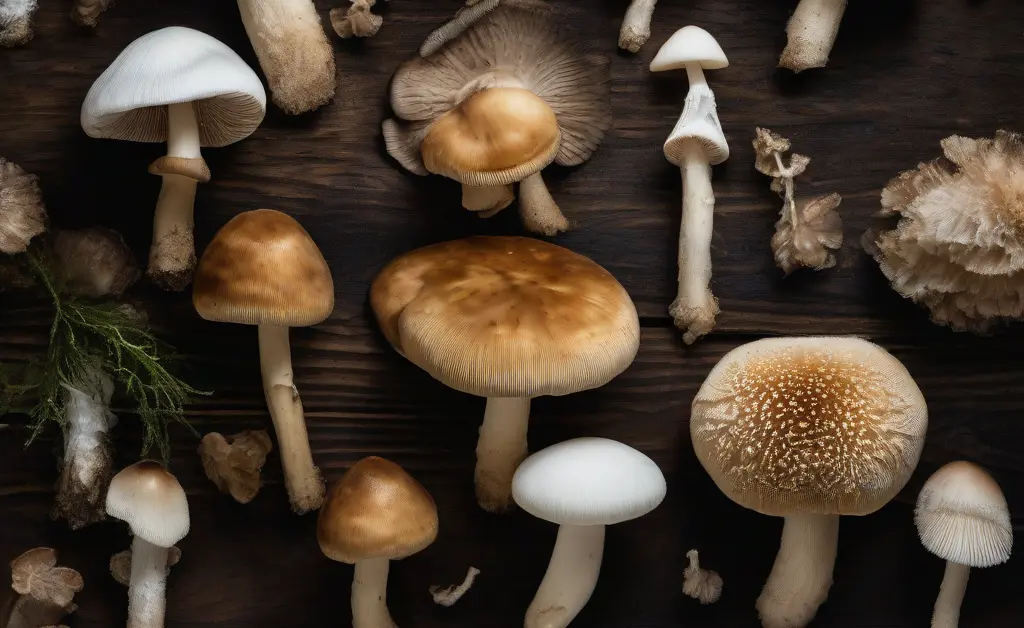
Beyond the well-known species, Quebec is home to many other common edible mushroom varieties that offer unique culinary experiences. These include species like the Shaggy Mane, puffballs, and certain types of russulas and lactarius. Shaggy Manes, often found in grassy areas, are easily recognized by their tall, scaly white caps that dissolve into an inky black liquid as they age. Puffballs, particularly the giant puffball, are spherical and white inside when young and edible. Other varieties require more careful identification, often relying on spore prints, cap and gill characteristics, and habitat. Learning to safely identify these diverse edible mushrooms in Quebec expands the foraging possibilities significantly. For a different regional perspective, exploring edible mushrooms BC can offer valuable comparative insights.
Identifying Edible Mushrooms Safely in Quebec
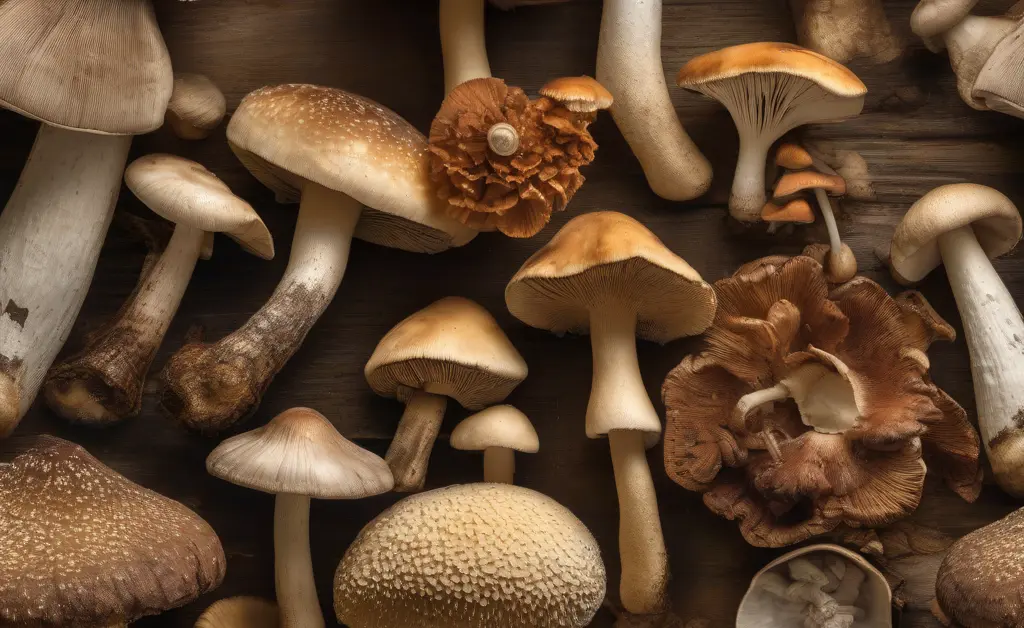
Safe identification is paramount when foraging for wild edible mushrooms in Quebec. The first rule of mushroom hunting is: when in doubt, throw it out. There are many poisonous look-alikes that can be confused with edible species, and some toxic mushrooms can cause severe illness or even be fatal. Key identification features include the mushroom’s cap shape, color, and texture, the presence and attachment of gills, pores, or teeth, stem characteristics, and the presence of a ring or volva at the base. Spore prints are also a critical tool for accurate identification. Always cross-reference multiple reliable sources and consider consulting with experienced mycologists or joining local mushroom clubs. Common edible vs. poisonous look-alikes are a serious concern, making thorough knowledge of both essential. The importance of expert identification, especially for beginners, cannot be overstated. For further research on health-related topics, resources from the NIH can be invaluable.
Where to Find Edible Mushrooms in Quebec
The varied landscapes of Quebec provide numerous environments conducive to mushroom growth. Edible mushrooms Canada are abundant, and in Quebec they can be found in a range of habitats, from dense coniferous forests to mixed woodlands and even urban parks. Forest types and habitats play a significant role in determining which species you might encounter. Deciduous forests are often good for chanterelles and boletes, while coniferous forests may yield different varieties. Specific regions and parks across the province, such as those near Montreal, Quebec City, Forillon National Park, La Mauricie National Park, and the Mingan Archipelago National Park Reserve, offer diverse foraging opportunities, though regulations within parks must be strictly observed. Seasonal availability by location is also crucial; for instance, morels appear in spring, while boletes and chanterelles are typically summer and fall finds. Understanding these patterns significantly increases the chances of a successful harvest of edible mushrooms in Quebec.
Edible mushrooms quebec map
An “edible mushrooms Quebec map” would be an invaluable resource for foragers. Such a map could highlight general areas known for specific types of fungi, indicate forest types, and potentially mark public lands where foraging is permitted. While not providing exact spots, which are often kept secret by experienced foragers, a good map illustrates the distribution of various habitats favorable to edible mushrooms, helping to plan foraging expeditions across the province. These resources often combine geographical data with ecological insights to guide enthusiasts. Foragers might also find similar guides helpful for edible mushrooms Nova Scotia.
Harvesting and Storing Edible Mushrooms in Quebec
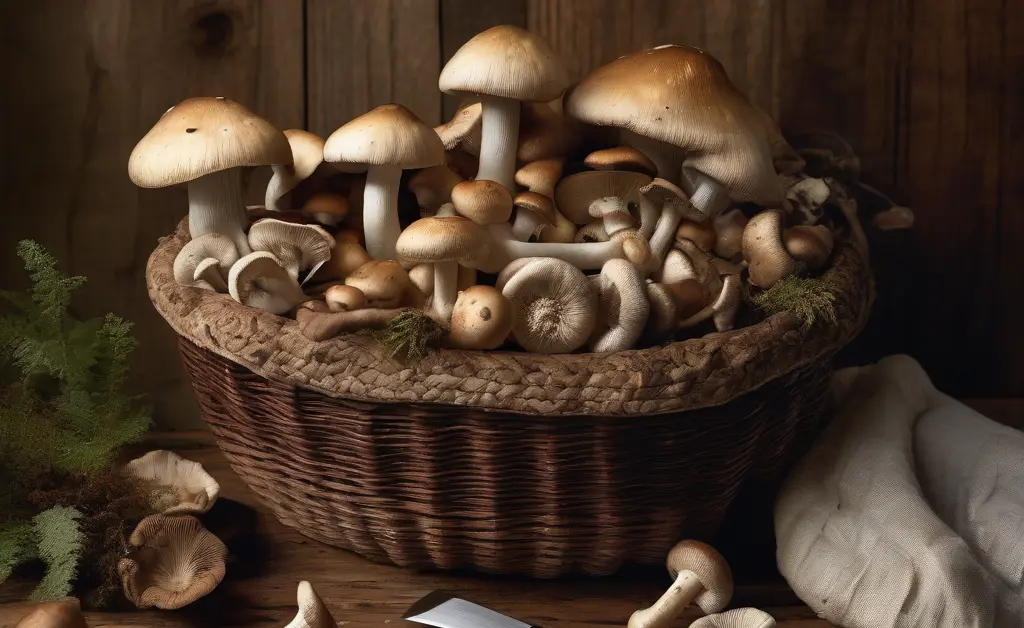
Proper techniques for harvesting and storing edible mushrooms are essential for both sustainability and quality. Best practices for harvesting include using a sharp knife to cut the mushroom stem at ground level, which helps minimize disturbance to the mycelial network and allows for potential regrowth. Avoid pulling mushrooms, as this can damage the underground fungal structures. Transport your findings in a breathable basket or mesh bag to prevent them from sweating and spoiling. Upon returning home, proper cleaning and preparation are crucial. Remove any dirt or debris with a soft brush or damp cloth, avoiding excessive washing that can make mushrooms soggy. For storage, fresh edible mushrooms in Quebec can be kept in a paper bag in the refrigerator for a few days. For longer preservation, methods include drying, which concentrates their flavor, or freezing after they have been sautéed or blanched. These techniques ensure you can enjoy your bounty long after the foraging season.
Legal and Ethical Considerations for Mushroom Foraging in Quebec
Foraging for edible mushrooms in Quebec comes with important legal and ethical responsibilities. Regulations on private and public lands vary significantly. On private land, explicit permission from the landowner is always required. In national and provincial parks, foraging is often prohibited or strictly regulated, typically only for personal consumption and small quantities, if allowed at all. It is crucial to research the specific rules of any area before you begin foraging. Sustainable harvesting practices are paramount to ensure that mushroom populations remain healthy for future generations. This includes only taking what you need, leaving smaller or immature specimens to grow, and avoiding damaging the surrounding vegetation. Reporting rare or new species to mycological associations can also contribute to scientific understanding and conservation efforts. Adhering to these guidelines helps protect Quebec’s natural heritage and ensures that the tradition of mushroom hunting in Quebec can continue responsibly.
Edible Mushrooms Quebec Identification
Accurate identification is the cornerstone of safe and enjoyable mushroom foraging, particularly for edible mushrooms in Quebec. Given the potential for confusion with toxic species, developing strong identification skills is non-negotiable. This involves understanding the nuanced characteristics of different fungi, from their growth patterns to their microscopic features. Focusing on key identification features like cap and stem morphology, gill attachment, spore color, and habitat is crucial. Regular practice and cross-referencing with field guides and expert opinions will enhance confidence and safety. The ability to distinguish common edible vs. poisonous look-alikes is a fundamental skill for anyone interested in foraging. Joining local mycological societies or attending workshops can provide invaluable hands-on experience and guidance for identifying edible fungi in Quebec. Those interested in specific regional foraging might also research edible mushrooms Kootenays for comparisons in identification.
Top 20 Edible Mushrooms Popular in Quebec
While a definitive list can vary by region and year, some of the top edible mushrooms popular in Quebec frequently include Chanterelles, Morels, Oyster Mushrooms, King Boletes (Porcini), Maitake (Hen of the Woods), Honey Mushrooms, Shaggy Manes, Giant Puffballs, Chicken of the Woods, and various species of Milk Caps (Lactarius) and Russulas. These mushrooms are sought after for their culinary versatility and abundance in the province’s diverse ecosystems. Each offers unique flavors and textures, making them favorites among foragers and chefs. Learning to identify these types of edible mushrooms found in Quebec provides a solid foundation for any aspiring mushroom hunter.
Edible mushrooms quebec pictures
Visual aids are indispensable for learning edible mushrooms Quebec identification. High-quality pictures showcasing various angles, growth stages, and distinguishing features of edible mushrooms are critical for accurate identification. Such images often highlight key characteristics like cap color and texture, gill structure, stem shape, and any notable markings or bruising. Side-by-side comparisons with poisonous look-alikes are particularly helpful for new foragers. While not provided directly here, reputable field guides and online resources frequently offer extensive galleries of edible mushrooms Quebec pictures to assist in the learning process, helping foragers confidently identify their finds in the field.
The world of wild edible mushrooms in Quebec is a fascinating realm, offering both culinary delights and a deeper connection to nature. Successful and safe foraging hinges on thorough identification, respect for the environment, and adherence to local regulations. By embracing careful practices and continuous learning, enthusiasts can enjoy the abundant fungal diversity that Quebec’s landscapes provide, contributing to a sustainable and rewarding experience for all.
The content presented here is not a substitute for professional medical guidance. It is intended for informational purposes only and should not be used to self-diagnose or treat any health condition. Always consult with a qualified healthcare professional before making any decisions about your health or diet, especially concerning the consumption of wild plants or fungi. Reliance on any information provided in this article is solely at your own risk. Incorrect identification of wild mushrooms can lead to severe health consequences, including poisoning.
FAQ
What are the most common edible mushrooms in Quebec?
Several types of edible mushrooms are commonly found in Quebec, including chanterelles, morels, and oyster mushrooms. These species are popular for their distinct flavors and textures. Their presence indicates a healthy forest ecosystem.
How can I identify edible mushrooms in Quebec?
Identifying edible mushrooms requires careful observation of their physical characteristics, such as cap shape, gill structure, stem details, and spore color. However, definitive identification is best left to experienced mycologists or through reliable field guides. Misidentification can lead to serious health consequences.
Where are the best places to forage for mushrooms in Quebec?
Forests with deciduous and coniferous trees, particularly areas with rich soil and good moisture, are often prime locations for mushroom foraging. Many foragers find success near decaying wood or along forest edges. Exploring diverse woodland environments can increase your chances of finding a variety of edible mushrooms quebec.
When is the best time to find edible mushrooms in Quebec?
The peak season for finding most edible mushrooms in Quebec generally spans from late spring through fall. Different species have their own preferred windows, with some, like morels, appearing early in the season and others, like chanterelles, fruiting more prolifically after summer rains. Weather conditions significantly influence their emergence.
Are there any poisonous mushrooms in Quebec that look like edible ones?
Yes, Quebec harbors poisonous mushrooms that can bear a resemblance to certain edible species, making accurate identification crucial. For instance, some varieties of false morels can be mistaken for true morels, and certain red-capped mushrooms may be confused with edible boletes. Always exercise extreme caution and never consume a mushroom you cannot identify with 100% certainty.