
A Forager’s Guide to Edible Mushrooms in Romania
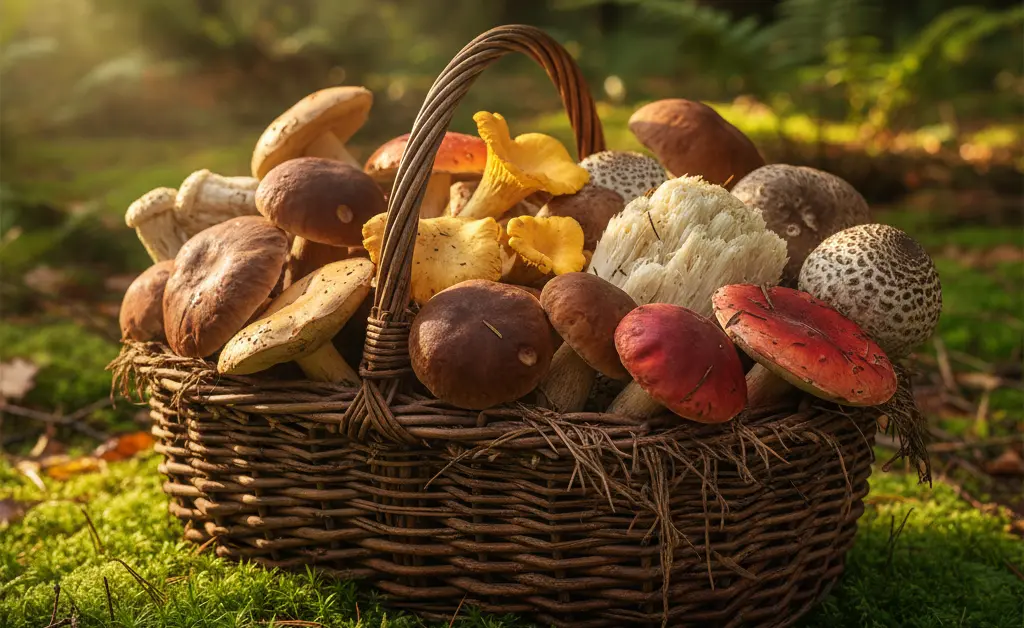
Many people today are seeking healthier, more natural food sources and unique culinary experiences. The allure of fresh, wild ingredients is growing, and foraging offers a distinctive way to connect with nature and enhance diverse meals. This quest often leads enthusiasts to discover the rich biodiversity found in various regions. Similar foraging opportunities exist for edible mushrooms Europe. For those interested in exploring authentic flavors and sustainable practices, edible mushrooms romania offer a particularly rewarding and flavorful pursuit. From the dense forests to bustling local markets, Romania provides a diverse habitat for numerous delicious and nutritious fungal species, making it a prime destination for both seasoned foragers and culinary adventurers looking to elevate their cooking with natural ingredients. This guide aims to navigate the fascinating world of Romanian fungi, ensuring safe identification, responsible harvesting, and delightful preparation.
Edible Mushrooms Romania Identification and Safety
Embarking on the journey of foraging for edible mushrooms in Romania requires a strong emphasis on accurate identification and safety. The country’s varied ecosystems host a vast array of fungal species, many of which are highly prized for their culinary value, but some can be harmful if ingested. Therefore, understanding the key characteristics of edible species and their potentially dangerous look-alikes is paramount for any aspiring or experienced forager.
What Romanian mushrooms are edible?
Romania boasts a rich mycological diversity, with many species considered choice edibles. These can range from well-known varieties like porcini (hribi) and chanterelles (bureți galbeni) to lesser-known but equally delicious local favorites. Identifying edible Romanian mushrooms involves observing their cap shape, gill structure, stem characteristics, spore print color, and habitat. Many edible species have distinctive features that set them apart from their toxic counterparts. For instance, some edible fungi have a pleasant, earthy aroma, while others might exude a particular type of “milk” or latex when cut. Always cross-reference multiple identifying features before considering a mushroom for consumption.
Tips for Beginners
For those new to foraging, prudence is key. Start by learning to identify just one or two easily recognizable and distinct edible species, and master their identification before moving on to others. It is highly recommended to forage with an experienced guide or join local mycological groups. Always use reliable field guides specific to the region. A crucial rule for beginners is: “If in doubt, throw it out.” Never consume a mushroom unless you are 100% confident in its identification. Be aware of the importance of accurate identification and potential dangerous look-alikes that can closely resemble edible species but are toxic. For general health information and guidance, reliable resources like the NHS can provide valuable insights. Carefully inspect each mushroom for signs of decay, insect infestation, or mold before harvesting.
Storage and Preservation
Proper storage and preservation are essential to maintain the quality and extend the shelf life of freshly foraged edible mushrooms. After harvesting, gently clean the mushrooms of any dirt or debris with a soft brush or damp cloth, avoiding washing them extensively as they absorb water quickly. Store fresh mushrooms in a paper bag or a breathable container in the refrigerator; this allows them to breathe and prevents moisture buildup, which can lead to spoilage. For longer preservation, various methods can be employed. Drying is a traditional and effective way for many species, concentrating their flavor. Sliced mushrooms can be dried in a dehydrator or a low-temperature oven. Freezing is another option for certain varieties after they have been sautéed or blanched. Additionally, some mushrooms are excellent for pickling in vinegar-based solutions, which makes them a delightful condiment or side dish.
Common Edible Mushrooms Found in Romania
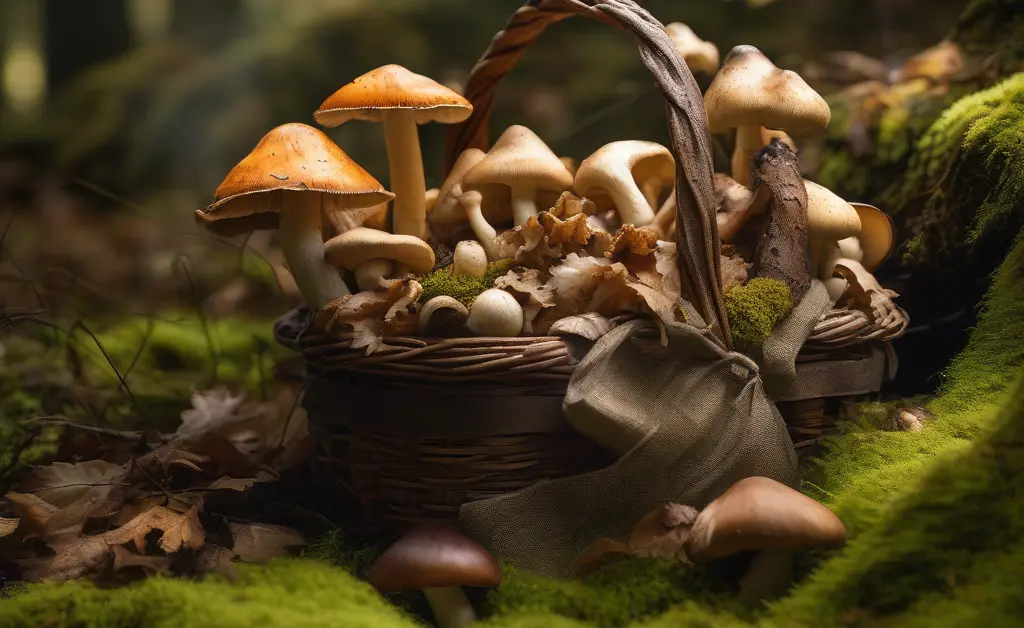
The forests and meadows of Romania are a treasure trove for mushroom enthusiasts, offering a seasonal bounty of diverse and flavorful fungi. Understanding the common types of edible mushrooms in Romania and their culinary applications is crucial for appreciating this natural resource. Each species brings its unique texture and taste profile to the table, making Romanian cuisine particularly rich in earthy flavors.
Popular Mushroom Varieties
Among the most cherished varieties found in Romania are the Porcini mushroom (Boletus edulis), known locally as “hribi” or “mânătărci.” These robust, meaty mushrooms are highly sought after for their rich, nutty flavor and firm texture, making them versatile for various dishes. Chanterelles (Cantharellus cibarius), or “bureți galbeni,” are another favorite, recognized by their distinctive golden color and trumpet shape, offering a fruity aroma and slightly peppery taste. Morels (Morchella esculenta), or “zbârciogi,” appear in spring and are prized for their honeycomb caps and delicate, earthy flavor. Other popular choices include Caesar’s mushroom (Amanita caesarea), known as “buretele împărătesc,” which is highly esteemed for its vibrant orange cap and exquisite taste, though it requires careful identification due to its relation to toxic species. Lastly, Oyster mushrooms (Pleurotus ostreatus), or “bureți de fag,” are common and appreciated for their tender texture and mild flavor.
Top 20 Edible Mushrooms Popular in Romania
While an exhaustive list of twenty specific varieties would be extensive, the common thread among popular edible mushrooms in Romania is their distinctive flavor and versatility in local cooking. Beyond the celebrated hribi and chanterelles, Romanians enjoy a variety of other species depending on the region and season. These can include various species of Lactarius (râșcov), Russula (vinețele), and Agaricus (ciuperci de câmp) which are often found in open fields and meadows. Each of these mushrooms offers a unique culinary experience, from the peppery notes of some Lactarius species to the delicate umami of Agaricus. Local markets often feature a rotation of these wild-harvested fungi, reflecting the seasonal abundance. The sheer variety ensures that foraging for edible mushrooms romania can be a continuous discovery of new tastes and textures throughout the year.
Traditional Romanian Recipes
Edible mushrooms play a significant role in traditional Romanian cuisine, adding depth and umami to many dishes. A staple is “ciorbă de burtă” (tripe soup), which sometimes features mushrooms, but more commonly, mushrooms are the star of their own dishes. Different culinary traditions also celebrate edible mushrooms Denmark in their local dishes. “Tocăniță de ciuperci” is a popular mushroom stew, often made with a rich tomato and onion base, sometimes enhanced with sour cream, showcasing the earthy flavors of porcini or chanterelles. Another beloved dish is “ghiveci de ciuperci,” a vegetable stew that includes a generous amount of various wild mushrooms. Pickled mushrooms (“ciuperci murate”) are also a traditional delicacy, often served as an appetizer or side dish, especially during winter months. These recipes highlight the versatility of Romanian edible mushrooms, transforming simple ingredients into hearty and flavorful meals.
Cooking Methods
The culinary versatility of edible mushrooms in Romania lends itself to numerous cooking methods, each designed to highlight their unique characteristics. Sautéing is perhaps the most common and simplest method, often involving butter, garlic, and fresh herbs to bring out the mushrooms’ natural flavors. Roasting is excellent for larger, meatier varieties like porcini, concentrating their flavor and creating a tender interior with a slightly crisp exterior. Mushrooms are also frequently used in soups and stews, where they impart a rich, earthy broth. Frying, often breaded, can create a delightful texture, while grilling offers a smoky aroma. Incorporating mushrooms into risottos, omelets, and tarts are also popular ways to enjoy these forest treasures. Regardless of the method, the goal is to enhance the mushroom’s inherent taste and texture without overpowering it.
Where to Find Edible Mushrooms in Romania
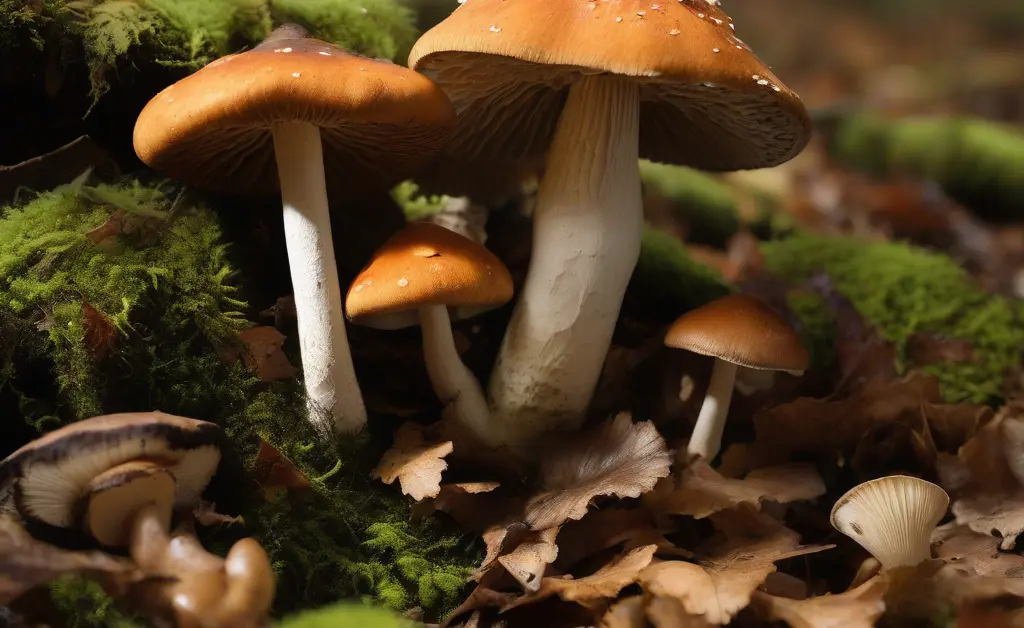
The diverse geography of Romania, from its Carpathian peaks to its expansive lowlands, provides an ideal habitat for a multitude of fungal species. Knowing where and when to look significantly increases the chances of a successful and rewarding foraging trip for edible mushrooms in Romania.
Seasonal Availability
The availability of edible mushrooms in Romania is heavily dependent on the season and prevailing weather conditions, particularly rainfall and temperature. The seasonal patterns for edible mushrooms Netherlands can differ based on local climate. Spring brings forth morels and some early varieties, typically after the last frosts. Summer, especially after warm rains, sees an explosion of various species, including chanterelles and some boletes. However, autumn is widely considered the peak season for mushroom foraging. From late August through October, the forests are abundant with a vast array of fungi, including the highly prized porcini and many other species. Winter typically sees fewer varieties, though some hardy species might persist in milder conditions. Understanding these seasonal patterns is crucial for planning foraging expeditions.
Mushroom Foraging in Romania – Guided Tours & Tips
Mushroom foraging in Romania offers an immersive experience into nature, but it’s essential to approach it responsibly. Many regions, particularly around the Carpathian mountains, are popular for their rich fungal biodiversity. Similar rich fungal biodiversity can be found for edible mushrooms Sweden. Forests and woodlands, especially those with diverse tree species like oak, beech, and spruce, are prime locations. Open fields and meadows, particularly on the edges of forests, can also yield certain edible varieties. For beginners, joining a guided tour is highly recommended. These tours are often led by local experts who can provide invaluable knowledge on identification, safety, and ethical harvesting practices. Always forage sustainably: take only what you need, avoid disturbing the mycelial network, and leave smaller mushrooms to grow. Be aware of legal considerations for foraging, as some areas may have restrictions or require permits. Always check local regulations before heading out. Furthermore, proper equipment, including a sturdy basket for collection (to allow spores to disperse) and a good knife, will enhance the foraging experience.
Exploring the world of edible mushrooms in Romania is an adventure that promises both culinary delight and a deeper connection to nature. From the thrill of the hunt to the satisfaction of preparing a meal with freshly foraged ingredients, the experience is truly unique. With careful identification, respectful harvesting, and an appreciation for traditional culinary methods, anyone can savor the rich flavors that Romania’s forests and fields generously offer. This guide serves as a starting point, encouraging further exploration and learning in the fascinating realm of mycology.
This article aims to inform, not to replace professional healthcare advice. The information provided is for general knowledge and educational purposes only, and does not constitute medical advice. Always consult with a qualified healthcare professional or a certified mycologist for any health concerns or before consuming wild mushrooms. Individual responses to substances can vary, and what is safe for one person may not be for another.
FAQ
What are the most common edible mushrooms in Romania?
Commonly found edible mushrooms in Romania include the King Bolete (Boletus edulis), Chanterelle (Cantharellus cibarius), and the Caesar’s Mushroom (Amanita caesarea). These species are prized for their flavor and culinary versatility. Many other edible species are also discovered throughout the country’s diverse forests.
When is the best time to find edible mushrooms in Romania?
The prime season for mushroom foraging in Romania generally spans from late spring through autumn. Peak abundance often occurs after periods of rainfall, particularly during the warmer months of summer and early fall. Different species have slightly varied fruiting times within this general window.
How can I identify edible mushrooms in Romania safely?
Accurate identification is paramount when foraging for edible mushrooms in Romania. It is essential to consult reliable field guides and consider joining experienced local foragers for guidance. Never consume a mushroom unless you are 100% certain of its identification, as many poisonous species can closely resemble edible ones.
What are some traditional Romanian dishes using mushrooms?
Traditional Romanian cuisine features mushrooms in a variety of hearty dishes, such as mushroom stew (ciulama de ciuperci) and mushroom-stuffed cabbage rolls (sarmale cu ciuperci). They are also frequently incorporated into soups, fried dishes, and served as a side, showcasing their versatility and contribution to Romanian culinary heritage.