
A Forager’s Guide to Edible Saskatchewan Mushrooms
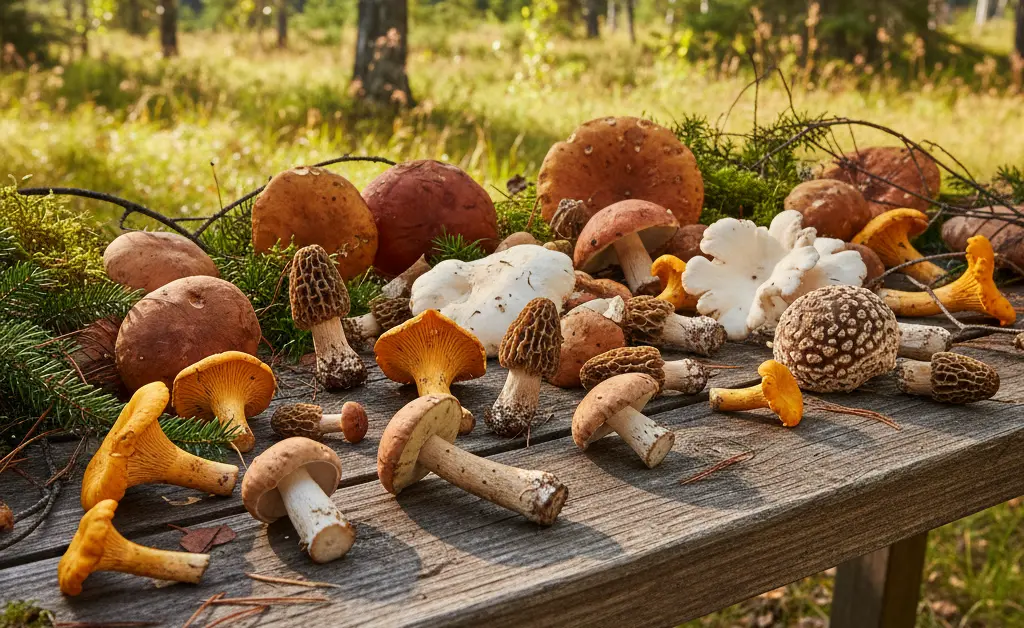
Have you ever considered the hidden culinary treasures waiting to be discovered in Saskatchewan’s natural environments? The vast and varied landscapes of this Canadian province, from its boreal forests to its aspen parklands, harbor a surprising diversity of fungi. Foraging for wild mushrooms has become an increasingly popular activity, offering both an exciting outdoor adventure and the reward of unique flavors for your kitchen. However, this pursuit requires careful identification and knowledge to ensure safety and sustainability. This guide aims to equip enthusiasts with essential information, helping them safely navigate the world of edible mushrooms saskatchewan, understanding where to find them, how to identify common species, and what precautions to take for a successful and enjoyable foraging experience.
Edible Mushrooms Saskatchewan Identification
Successful and safe foraging for edible mushrooms in Saskatchewan hinges on accurate identification. It is paramount to understand the key identification features of various species to distinguish between edible varieties and their potentially toxic look-alikes. This process involves examining multiple characteristics such as cap shape and color, gill structure, stem texture, spore print color, and habitat. Learning how to identify edible mushrooms safely is a skill that develops over time, often aided by field guides, workshops, and experienced mentors. Never consume a mushroom unless you are 100% certain of its identification, and when in doubt, it is always best to discard it.
Mushrooms of Saskatchewan
Saskatchewan’s diverse ecosystems support a wide array of fungal life. From the dense boreal forests in the north to the more open parklands and riparian areas, different environments host distinct mushroom populations. The “Mushrooms of Saskatchewan” encompass a fascinating range of species, each with unique ecological roles and potential culinary uses. Understanding the general types of fungi prevalent in the province can provide a foundational knowledge base for aspiring foragers, preparing them for the specific species they might encounter. Foragers interested in wider geographical contexts might also explore the diverse range of edible mushrooms Canada has to offer.
Common Edible Mushrooms in Saskatchewan
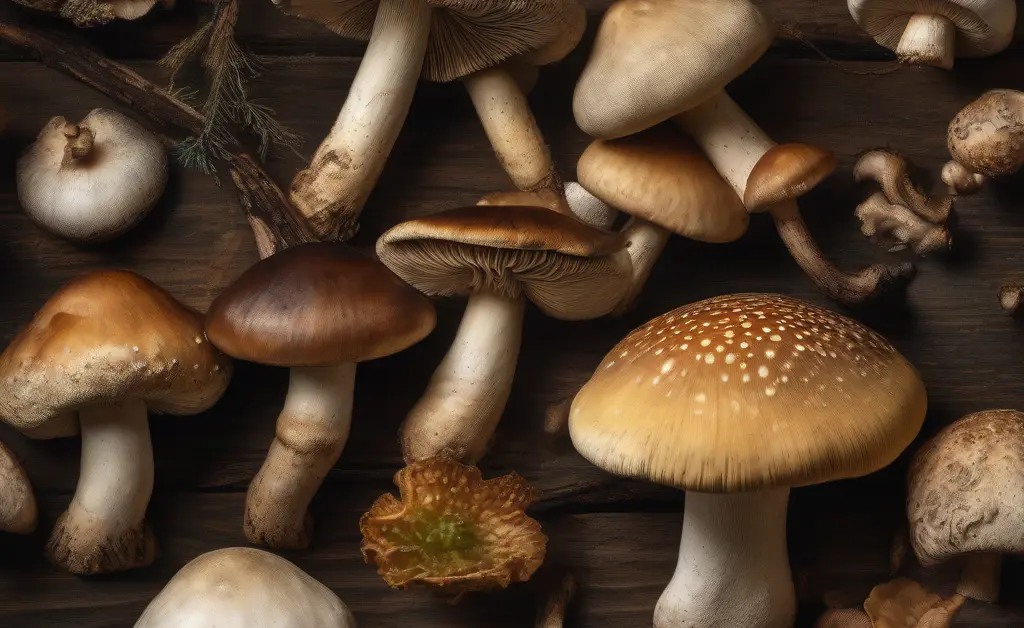
Among the many fungi that thrive in Saskatchewan’s landscapes, several species are widely recognized for their culinary value and are commonly sought after by foragers. These common edible mushrooms in Saskatchewan offer a delightful range of textures and flavors, enhancing various dishes from simple sautés to gourmet preparations. However, even with popular species, meticulous identification remains crucial due to the presence of less desirable or toxic counterparts. The pursuit of edible mushrooms Ontario offers a similar but distinct range of species and foraging experiences.
Top 20 Edible Mushrooms Popular in Saskatchewan
While an exhaustive list of 20 would be extensive, several categories of edible mushrooms are particularly popular among foragers in Saskatchewan. These include well-known culinary delights and other varieties that, with careful identification, can become cherished finds. The popularity often stems from their distinctive flavors, relatively easy identification (for experienced foragers), and abundant seasonal growth. Seeking out these choice edibles can be a rewarding aspect of exploring the natural world of Saskatchewan.
Morels
Morels are among the most prized edible mushrooms, celebrated for their distinctive honeycomb-like caps and earthy flavor. In Saskatchewan, morels typically appear in spring, often in areas that have recently experienced forest fires or along riverbeds and aspen groves. Their unique appearance makes them relatively easier to identify for experienced foragers, but it’s essential to be aware of false morels, which can be toxic. Foraging for morels requires patience and a keen eye, as they blend remarkably well with their surroundings.
Oyster Mushrooms
Oyster mushrooms are a versatile and widely distributed edible species, known for their fan-shaped caps and growth on decaying wood. They can be found throughout Saskatchewan, often appearing in clusters on dead or dying deciduous trees. These mushrooms come in various colors, from white to grey or even pinkish, and possess a delicate flavor and tender texture when cooked. Their unique growth pattern and absence of a true stem help in their identification, making them a relatively accessible find for foragers.
Chanterelles
Chanterelles are another highly sought-after edible mushroom, admired for their fruity aroma, golden-orange color, and peppery taste. In Saskatchewan, they typically grow in coniferous and mixed forests during the summer and fall. Key identification features include their wavy-edged, funnel-shaped caps, false gills that run down the stem, and a tendency to grow on the forest floor rather than on wood. Care must be taken to distinguish them from poisonous look-alikes like the Jack O’Lantern mushroom.
Boletes (Porcini)
Boletes, including the highly esteemed Porcini (King Bolete), are characterized by their thick, fleshy caps and spore tubes instead of gills underneath. Many species within the Boletaceae family are edible and offer a rich, nutty flavor and firm texture. They are typically found on the ground in forests, forming mycorrhizal associations with trees. Identifying boletes can be complex due to the large number of species, some of which are inedible or mildly toxic, making a thorough understanding of their specific traits crucial for safe consumption.
Lion’s Mane
Lion’s Mane, also known as Hedgehog Mushroom or Yamabushitake, is a distinctive and highly prized edible mushroom. It’s easily recognizable by its cascade of white, icicle-like spines, which resemble a lion’s mane or a pom-pom. This striking fungus typically grows on decaying hardwood trees, such as oak, maple, and beech, though it can also be found on other hardwoods in Saskatchewan. Beyond its unique appearance and mild, seafood-like flavor, it is also studied for potential beneficial properties.
Where to Find Edible Mushrooms in Saskatchewan
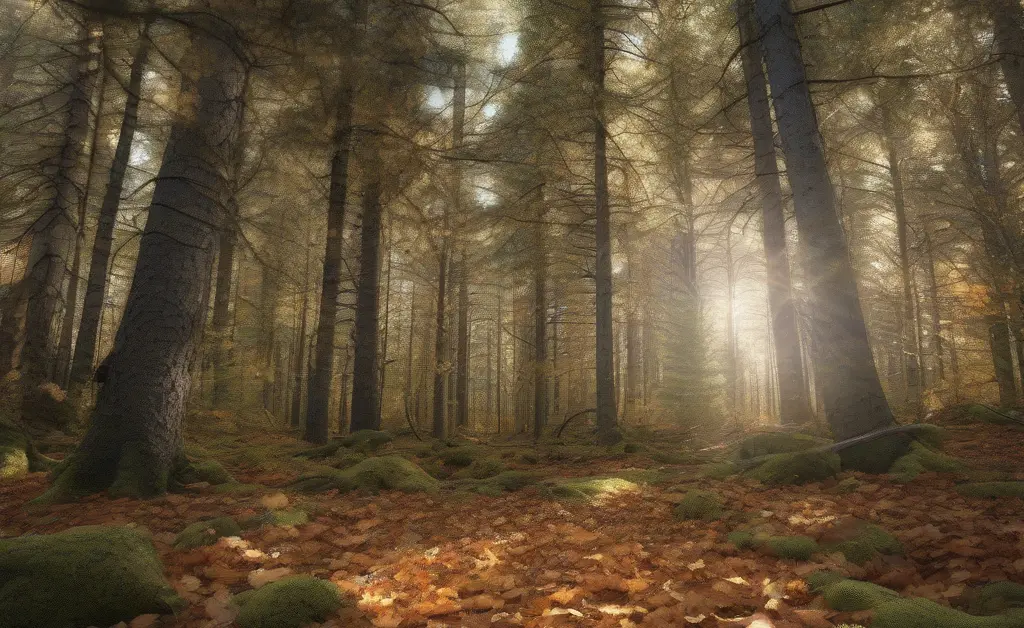
Knowing where to find edible mushrooms in Saskatchewan is just as important as knowing how to identify them. Mushrooms thrive in specific ecological niches, and understanding these preferred habitats can significantly increase foraging success. Forests and woodlands, particularly those with a mix of deciduous and coniferous trees, are prime locations. Areas near water sources, such as rivers, streams, and lakes, often create the humid microclimates that many fungi prefer. Specific regions within Saskatchewan, like the northern boreal forests around Prince Albert National Park, the aspen parklands near Saskatoon and Regina, and the Cypress Hills region in the southwest, including areas around Fort Walsh, can be particularly fruitful. Best foraging seasons vary by species, with spring often good for morels, and summer/fall for a wider variety of edible mushrooms. Enthusiasts may also be interested in the unique varieties of edible mushrooms Quebec offers.
Wild Edible Mushrooms of Saskatchewan
The pursuit of wild edible mushrooms of Saskatchewan is an engaging outdoor activity that connects foragers with the natural bounty of the province. However, safety, respect for nature, and adherence to regulations are paramount. It is crucial to be aware of poisonous mushrooms in Saskatchewan and to practice responsible foraging. Sustainable harvesting practices ensure that mushroom populations can regenerate for future seasons. This includes taking only what you need, minimizing disturbance to the ecosystem, and spreading spores by placing mushrooms in mesh bags. Before heading out, it’s wise to review Saskatchewan foraging laws and permits, as regulations may vary depending on land ownership (e.g., provincial parks, Crown land, private property). Foraging on the west coast, such as for edible mushrooms Vancouver Island, presents its own unique ecological considerations.
Edible mushrooms saskatchewan

Exploring the world of edible mushrooms in Saskatchewan offers a unique blend of outdoor adventure and culinary discovery. From the delicate flavors of morels in spring to the robust tastes of chanterelles and boletes in autumn, the province’s natural landscapes provide a diverse foraging experience. Successful foraging hinges on thorough preparation, continuous learning, and a deep respect for the environment. Utilizing resources like “edible mushrooms saskatchewan pictures” for visual identification, consulting experienced foragers, and always prioritizing safety can ensure a rewarding journey into the realm of wild mushrooms. Remember, the journey of discovery and learning is a continuous one when engaging with the fascinating kingdom of fungi.
Foraging for wild mushrooms in Saskatchewan is a rewarding endeavor that connects individuals with nature’s seasonal offerings. By prioritizing education, safety, and sustainable practices, enthusiasts can safely enjoy the unique flavors that the province’s diverse ecosystems provide. Always remember the golden rule: “When in doubt, throw it out,” to ensure every foraging trip is both enjoyable and safe.
It is important to note that this content is not intended as medical advice. This information is provided for general educational purposes only and should not be used to self-diagnose or treat any health condition. Always consult with a qualified healthcare professional for any health concerns or before making any decisions related to your health or well-being. The consumption of wild mushrooms carries inherent risks, and accurate identification is crucial for safety. For further authoritative information on health and research, resources like the NIH can be consulted.
FAQ
What are the most common edible mushrooms in Saskatchewan?
Common edible mushrooms found in Saskatchewan include species like morels, oyster mushrooms, and chicken of the woods, which are prized for their culinary qualities and distinctive flavors. These fungi often appear in specific habitats and seasons, making their foraging a seasonal pursuit for enthusiasts. Their identification is key to enjoying them safely and appreciating their role in the local ecosystem.
Where is the best place to find edible mushrooms in Saskatchewan?
Edible mushrooms in Saskatchewan thrive in diverse environments, often found in deciduous and coniferous forests, particularly near decaying wood or in mossy areas. Foraging for mushrooms requires understanding their preferred habitats, such as the base of certain trees or the edges of clearings. Exploring these natural settings during the right season can increase the likelihood of a successful and rewarding mushroom hunt.
How can I identify edible mushrooms in Saskatchewan?
Identifying edible mushrooms in Saskatchewan relies on meticulous observation of their physical characteristics, including cap shape and color, gill structure, stem features, and spore print color. Learning to distinguish between various species requires careful study and comparison with reliable field guides or experienced mycologists. Proper identification is crucial for ensuring safety, as some mushrooms can be toxic.
Are there any poisonous mushrooms in Saskatchewan that look like edible ones?
Yes, Saskatchewan hosts poisonous mushrooms that can closely resemble edible varieties, presenting a significant risk to the unwary forager. For instance, certain *Galerina* species may be mistaken for edible honey mushrooms. This similarity underscores the absolute necessity of positive identification before consuming any wild mushroom.