
A Forager’s Guide to Sweden’s Edible Mushrooms
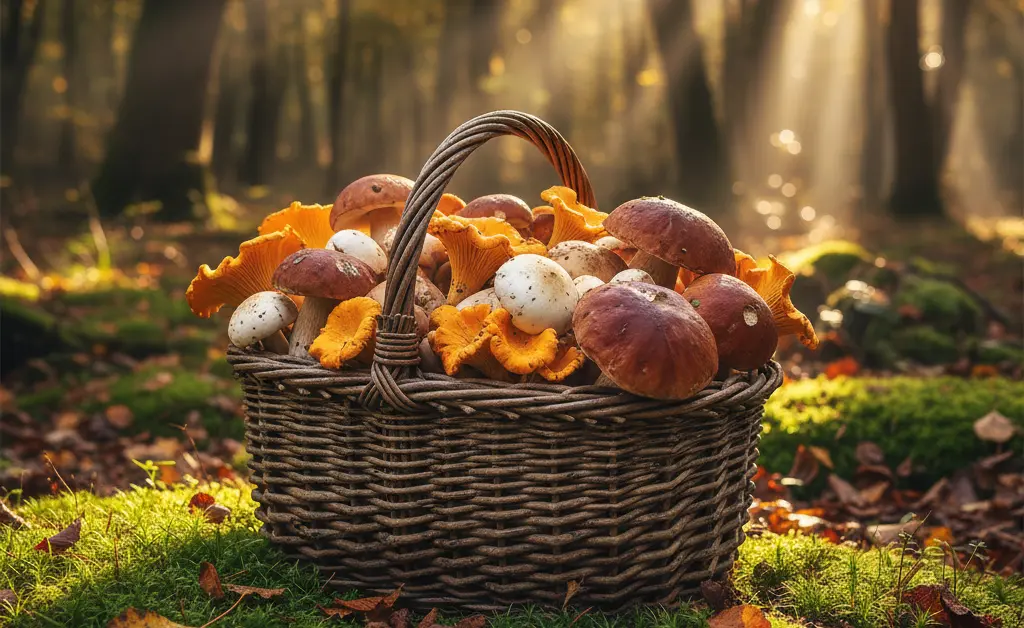
In an era where conscious eating, sustainable living, and reconnecting with nature are increasingly valued, foraging for wild ingredients has become a popular and rewarding pursuit. Imagine the satisfaction of harvesting fresh, organic produce directly from the forest floor, transforming it into gourmet dishes in your own kitchen. This guide explores the fascinating world of edible mushrooms in Sweden, offering a comprehensive look at the diverse fungi that thrive in its pristine natural landscapes. From identifying common varieties to understanding safe foraging practices and culinary applications, we delve into everything you need to know to embark on your own mushroom-picking adventures. Discover the joy of sustainable living and the rich flavors that Sweden’s forests have to offer, enhancing your culinary repertoire and connecting you more deeply with the environment.
Introduction to Edible Mushrooms in Sweden
Sweden’s vast and pristine forests are a treasure trove for nature enthusiasts and foragers alike, boasting an incredible diversity of fungi. The long summer days and abundant rainfall create ideal conditions for many species to flourish, making the country a prime destination for those interested in collecting wild ingredients. Foraging for edible mushrooms in Sweden is a deeply ingrained cultural practice, enjoyed by generations who have learned to appreciate the unique flavors and sustainable benefits of harvesting from nature. This rich tradition not only connects individuals with their natural surroundings but also offers an opportunity to enjoy fresh, locally sourced food. Understanding the local ecosystem and the specific characteristics of various fungi is key to a successful and safe foraging experience, especially when seeking out the most sought-after edible mushrooms in Sweden. Many of these species are also popular as edible mushrooms in Europe more broadly.
What mushrooms are edible in Sweden?
The range of edible mushrooms found across Sweden is remarkably broad, encompassing a variety of shapes, sizes, and flavors. From the earthy notes of boletes to the delicate aroma of chanterelles, the Swedish landscape offers something for every palate. Many species are highly prized for their culinary versatility, appearing in traditional Swedish dishes and contemporary gourmet cuisine. However, knowledge is paramount; while numerous delicious varieties thrive, there are also poisonous mushrooms in Sweden that can be mistaken for their edible counterparts. Proper identification is crucial for ensuring safety and making the most of the forest’s bounty. Similar guides exist for identifying edible mushrooms in the Netherlands, highlighting regional variations.
Identifying Edible Mushrooms in Sweden
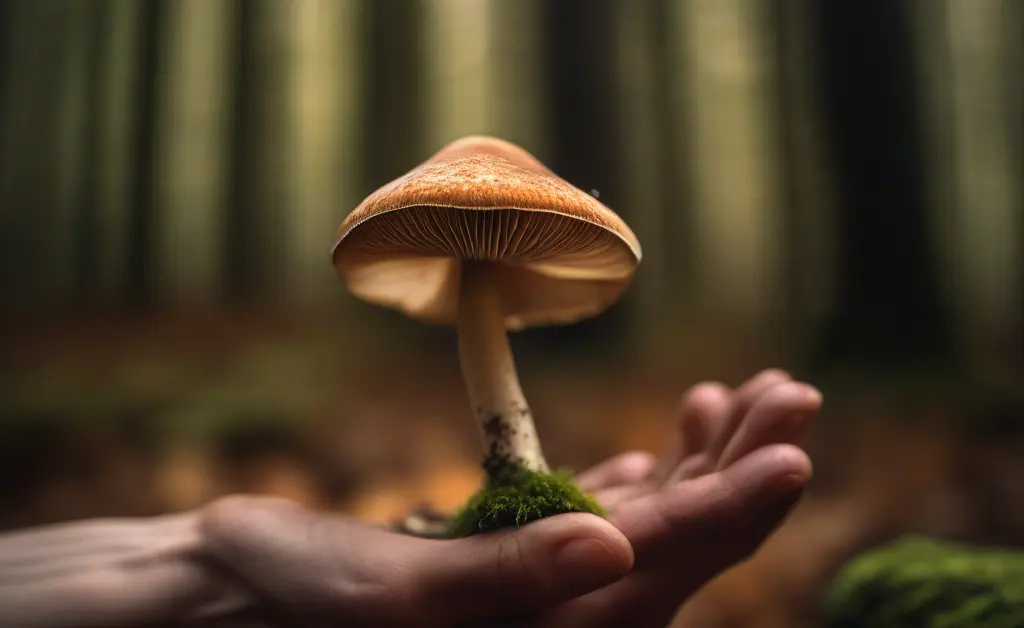
Accurate identification is the cornerstone of safe mushroom foraging. The process involves observing several key characteristics, including cap shape, gill structure, stem features, spore print color, and habitat. While some species are relatively easy to recognize, others require careful scrutiny to differentiate them from similar, potentially toxic, varieties. It is often recommended that beginners start by learning a few distinct and easily identifiable edible species before gradually expanding their knowledge. Field guides specific to Swedish flora, consultation with experienced foragers, or participation in guided mushroom tours can provide invaluable assistance. Always remember the adage: “When in doubt, throw it out.” This cautious approach is vital, as distinguishing between edible and poisonous mushrooms in Sweden can sometimes be challenging even for experienced pickers.
Common Edible Mushroom Species Found in Sweden
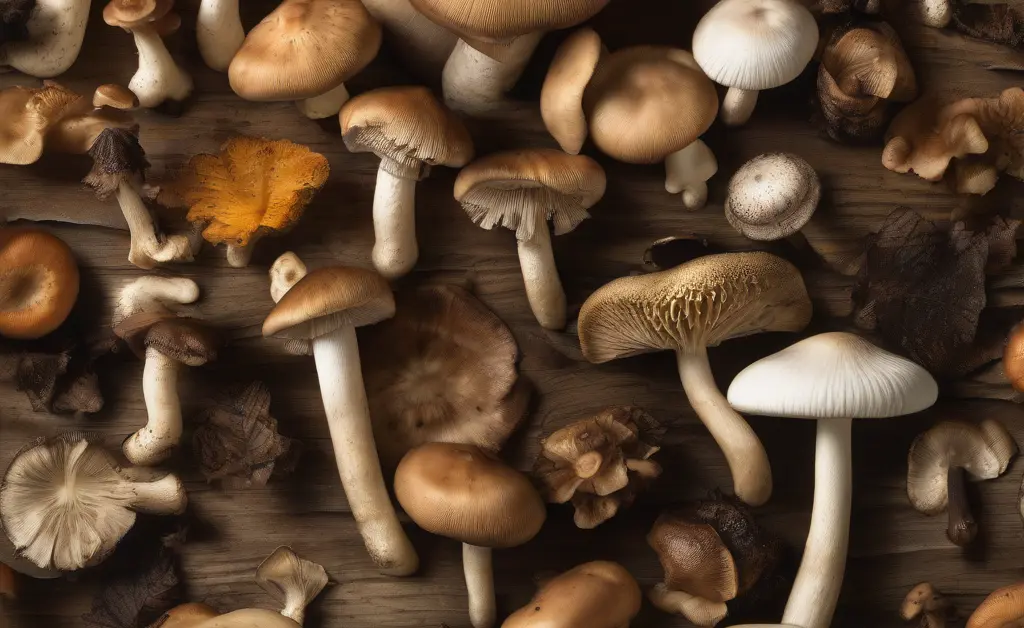
Sweden’s forests are home to a remarkable array of edible mushrooms, each with its own unique characteristics and culinary appeal. The abundance varies by season and region, but certain species are consistently popular among foragers. These fungi contribute significantly to the country’s culinary heritage, offering distinct flavors and textures that can elevate a wide range of dishes. Learning to identify these common edible mushrooms in Sweden is a great starting point for any aspiring forager, providing both a rewarding experience and delicious results. For those interested in foraging further afield, information on edible mushrooms in Germany can also be valuable.
Top 20 Edible Mushrooms Popular in Sweden
While a definitive list of the “top 20” might vary among foragers, several species consistently rank high in popularity due to their delicious taste, widespread availability, and relative ease of identification. These include well-known varieties like chanterelles and boletes, as well as lesser-known but equally delightful species. Focusing on a few key types initially can help build confidence and expertise before exploring the full diversity of edible mushrooms in Sweden.
Morels (Morchella species)
Morels are among the most sought-after spring mushrooms, recognized by their distinctive honeycomb-like caps. These highly prized fungi are known for their unique, earthy flavor and delicate texture. They typically emerge in deciduous forests, particularly near ash, elm, or apple trees, and are often found in disturbed ground. Morels are excellent when sautéed with butter or used in cream sauces, adding a gourmet touch to any meal.
Chanterelles (Cantharellus species)
Chanterelles are perhaps the most iconic and beloved edible mushrooms in Sweden. Their golden-yellow, funnel-shaped caps and distinctive apricot-like aroma make them unmistakable. They grow in mossy coniferous and deciduous forests, often appearing after summer rains. Chanterelles are incredibly versatile in the kitchen, perfect for frying, in risottos, soups, or simply as a side dish, and are a staple of Swedish summer cuisine.
Boletes (Boletus species)
The Boletus genus includes many highly esteemed edible mushrooms, most famously the King Bolete or Porcini (Boletus edulis). These mushrooms are characterized by their sturdy stems, plump caps, and spongy pores underneath instead of gills. Boletes have a rich, nutty flavor and firm texture, making them ideal for drying, grilling, or adding to stews and pasta dishes. They are commonly found in both coniferous and deciduous forests.
Oyster Mushrooms (Pleurotus species)
Oyster mushrooms are distinct for their shelf-like growth on decaying wood, often forming layered clusters. They have a delicate, slightly sweet flavor and a tender texture, making them a popular choice for culinary applications. These versatile mushrooms can be sautéed, stir-fried, or added to soups, and are recognized by their fan-shaped caps and gills that run down a very short or absent stem.
Shaggy Mane (Coprinus comatus)
The Shaggy Mane, also known as the Lawyer’s Wig, is an eye-catching mushroom with a tall, cylindrical white cap covered in shaggy scales. It typically grows in grassy areas, meadows, and along roadsides. This mushroom is highly prized for its delicate flavor and texture when young, but it must be cooked shortly after picking as it rapidly deliquesces into an inky black liquid. It is especially good sautéed or added to omelets.
Puffballs (Lycoperdon species)
Puffballs are spherical or pear-shaped mushrooms that grow in various habitats, including forests, fields, and lawns. They are edible only when young and pure white inside; if the flesh shows any yellowing or signs of developing spores, they are no longer suitable for consumption. When sliced and fried, puffballs have a mild flavor and a unique, somewhat spongy texture, making them an interesting addition to a meal.
Cauliflower Mushroom (Sparassis crispa)
The Cauliflower Mushroom is aptly named for its appearance, resembling a large, creamy-white to yellowish cauliflower head. It typically grows at the base of pine trees, often in late summer and autumn. This mushroom has a delicate, slightly nutty flavor and a firm yet tender texture. It is excellent when sliced and sautéed, added to soups, or even deep-fried, and is a unique find for any mushroom enthusiast.
Mushroom Picking in Sweden
Mushroom picking in Sweden is not just a hobby; it is a cherished tradition, deeply woven into the fabric of Swedish culture. The country’s “Allemansrätten” (Everyman’s Right) grants public access to private land for recreational purposes, including foraging, provided no damage is caused and privacy is respected. This right allows individuals to roam freely, offering unparalleled opportunities to explore vast forests in search of wild edibles. The best times for mushroom picking typically extend from late summer through autumn, with peak season often being September, though specific species have different fruiting periods. Knowing where to find mushrooms often involves understanding their preferred habitats, whether it’s damp mossy areas under coniferous trees or specific types of deciduous forests. The bounty of edible mushrooms in Sweden attracts both seasoned foragers and eager beginners each year. Neighboring countries also offer rich foraging opportunities, such as finding edible mushrooms in Denmark.
Foraging Tips and Safety Guidelines
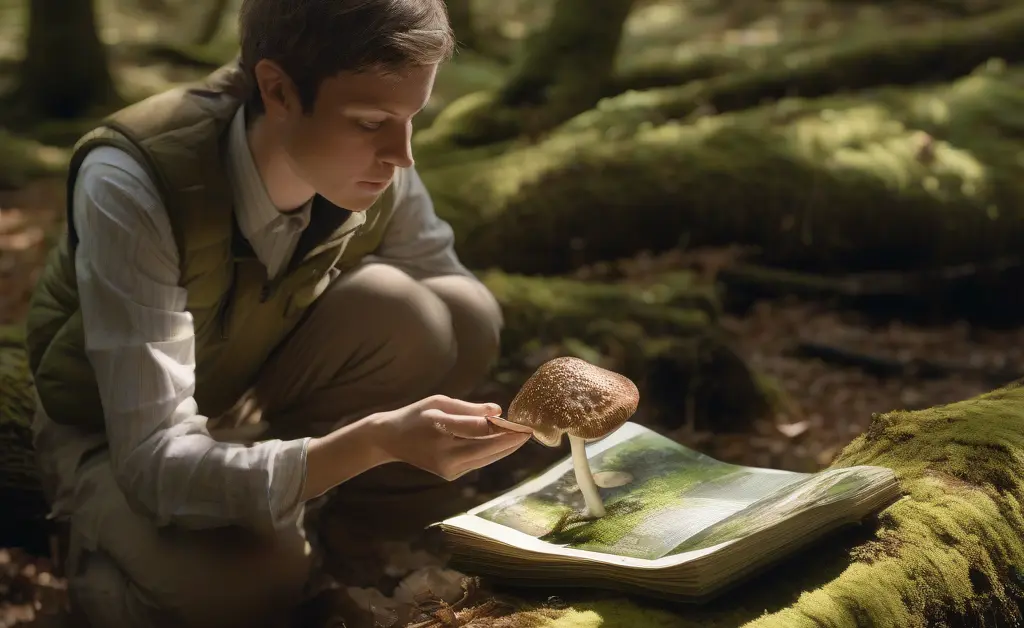
Successful and safe foraging for edible mushrooms in Sweden hinges on careful preparation and adherence to best practices. Always prioritize safety above all else. This means being absolutely certain of a mushroom’s identity before consumption. Carrying a good field guide, preferably one with clear photographs and descriptions, is essential. When identifying edible vs. poisonous mushrooms, pay close attention to details such as gill attachment, stem characteristics, cap texture, and whether there are any skirt-like rings or volvas at the base. It is also wise to learn about common poisonous look-alikes for the species you intend to collect. Essential foraging tools include a sturdy basket for ventilation (avoid plastic bags which can make mushrooms spoil faster), a small knife for clean cutting, and perhaps a brush to clean off dirt. Respecting nature and local regulations is paramount; only take what you need, avoid disturbing the surrounding ecosystem, and always leave the habitat as you found it. Furthermore, understand that the enjoyment of edible mushrooms in Sweden comes with the responsibility of preserving these natural resources for future generations. Never rely solely on apps or online identification; always cross-reference with multiple reliable sources, such as official guidance from the FDA regarding food safety.
Embarking on the journey of foraging for edible mushrooms in Sweden offers a profound connection to nature and a delightful expansion of your culinary horizons. The joy of discovering these natural treasures, identifying them with care, and transforming them into delicious meals is an experience unlike any other. By adhering to safety guidelines, respecting the environment, and continuously learning, you can unlock the rich flavors and traditions that Sweden’s forests so generously provide. Happy foraging!
The purpose of this content is to educate, not to diagnose or treat. This information is intended for general knowledge and informational purposes only, and does not constitute medical advice. Wild mushroom foraging carries inherent risks, and misidentification can lead to serious health consequences. Always consult with a qualified expert or mycologist for accurate identification before consuming any wild mushrooms. Do not rely on this information as a substitute for professional advice or guidance. Individual results may vary, and safe practices are crucial.
FAQ
What are the most common edible mushrooms in Sweden?
Commonly found edible mushrooms in Sweden include chanterelles, porcini, and various types of boletes. These species thrive in Sweden’s diverse forests, making them popular choices for foraging.
When is the best time to find edible mushrooms in Sweden?
The peak season for foraging edible mushrooms in Sweden generally spans from late summer through autumn, typically August to October. This period offers a rich variety of species due to favorable moisture and temperature conditions.
Are there any poisonous mushrooms in Sweden that look like edible ones?
Yes, several toxic mushroom species in Sweden can bear a resemblance to their edible counterparts. For instance, the deadly webcap can be mistaken for some edible brown mushrooms, highlighting the importance of accurate identification.
What are some safe ways to identify edible mushrooms in Sweden?
Safe identification of edible mushrooms in Sweden relies on learning key distinguishing features, such as cap shape, gill structure, stem characteristics, and spore color. Consulting detailed field guides and perhaps joining experienced foragers are recommended practices to build confidence and knowledge.
What are popular Swedish recipes using foraged mushrooms?
Popular Swedish dishes often feature foraged mushrooms in creamy sauces served with pasta or meat, or incorporated into hearty soups and stews. Mushroom omelets and sautéed mushrooms with herbs are also beloved, showcasing the versatility of edible mushrooms Sweden has to offer.