
A Forager’s Guide to Summer’s Edible Mushrooms
Imagine stepping out on a warm Saturday morning, basket in hand, the air still cool from the night. You’re not heading to the grocery store; instead, you’re venturing into the dappled light of a nearby forest, eyes scanning the forest floor with a sense of quiet anticipation. The aroma of damp earth and growing things fills your senses. There’s a unique satisfaction in discovering nature’s hidden treasures, and few things are as rewarding as finding your own ingredients for a delicious meal. This guide will help you identify some of the most sought-after edible mushrooms to forage this summer, transforming your culinary adventures and connecting you more deeply with the natural world. From golden chanterelles to robust boletes, summer offers a bounty for the attentive seeker. We’ll cover key characteristics, habitats, and safe foraging practices to ensure a fruitful and enjoyable experience.
Best Edible Mushrooms to Forage This Summer
Summer brings a diverse array of fungal treasures, and knowing which edible mushrooms to forage this summer can greatly enhance your outdoor excursions and culinary endeavors. Understanding the basics of foraging wild mushrooms can greatly enhance this experience. The warmth and humidity of the season create ideal conditions for many desirable species to fruit. While some mushrooms are highly distinctive, always prioritize proper identification through multiple reliable sources before consumption. This section will highlight some of the top choices for both novice and experienced foragers looking to harvest nature’s bounty during the warmer months.
6 Beginner-Friendly Mushrooms You Can Find in Summer
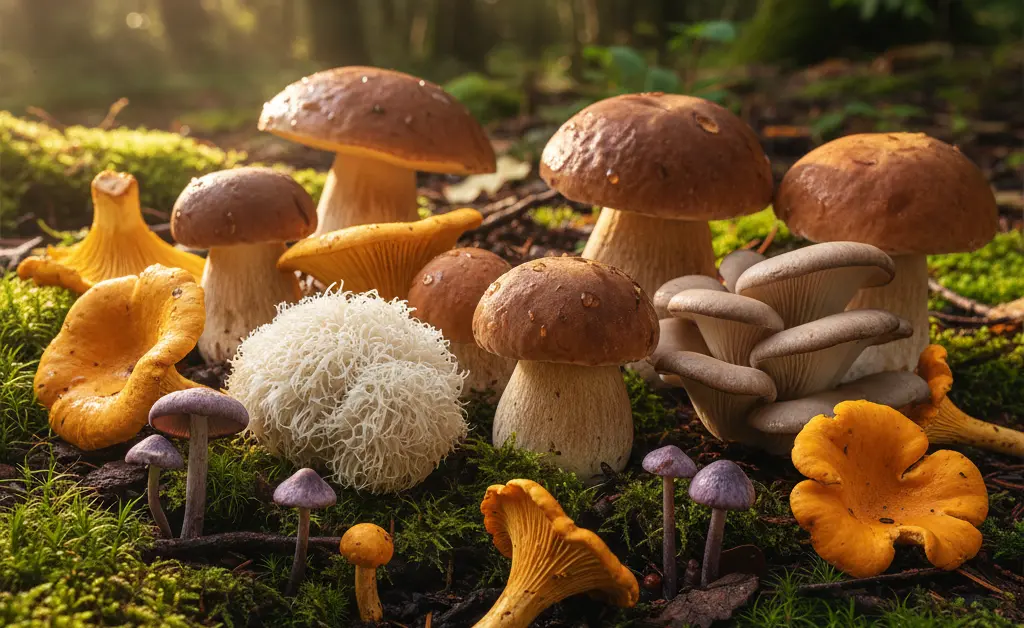
- Oyster Mushrooms (Pleurotus ostreatus): These common shelf fungi often grow on decaying hardwoods. Their distinctive fan or oyster-shaped caps, typically white to gray or tan, and gills that run down a very short or absent stem make them relatively easy to identify. They have a mild, delicate flavor.
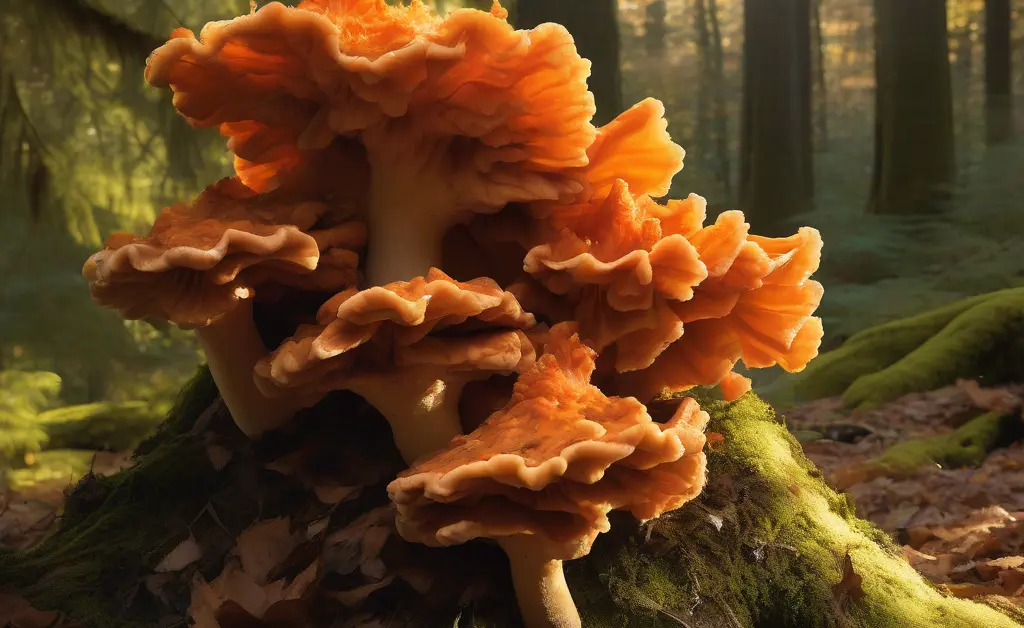
- Chicken of the Woods (Laetiporus sulphureus): Known for its vibrant orange and yellow colors, this bracket fungus grows in overlapping shelves on hardwood trees. Its texture and flavor are often compared to chicken, making it a popular choice. Young, tender specimens are best.
- Lion’s Mane (Hericium erinaceus): A unique-looking mushroom, Lion’s Mane appears as a shaggy, white mass with cascading spines, resembling a waterfall or a lion’s mane. It typically grows on hardwoods and is prized for its seafood-like flavor and firm texture.
- Chanterelles (Cantharellus species): Golden chanterelles are among the most famous edible mushrooms, recognized by their trumpet-like shape, wavy cap margins, and blunt, forking gill-like ridges that run down the stem. They have a distinct fruity aroma and peppery taste.
- Black Trumpets (Craterellus fallax/cornucopioides): These elusive mushrooms are dark gray to black, funnel-shaped, and hollow, often found growing in moss or leaf litter. Their dark color provides excellent camouflage, but their rich, earthy flavor is highly sought after.
- Puffballs (Lycoperdon, Calvatia species): Many puffball species are edible when young and pure white inside. They are typically spherical or pear-shaped with no visible cap or stem differentiation. Always slice them open to confirm they are pure white and solid, as some dangerous young agaric mushrooms can resemble puffballs before their gills develop.
Key Characteristics of Summer Edible Mushrooms
Identifying edible mushrooms during the summer months involves observing several key characteristics that distinguish them from their potentially toxic look-alikes. When foraging, pay close attention to the overall shape, color, and texture of the cap, stem, and gills or pores. The habitat is also crucial; note the type of tree (deciduous or coniferous), the soil composition, and the presence of moss or leaf litter. For instance, many summer edibles have specific symbiotic relationships with certain tree species. Spore print color is another vital identification tool, although it often requires taking a specimen home. Additionally, be aware of any distinctive smells or changes in color when the mushroom is cut or bruised. Foraging safely means learning to recognize these details consistently and never relying on a single characteristic for identification. For health and safety guidance related to wild foods, resources like the CDC provide valuable information.
Edible Mushrooms to Forage This Summer USA
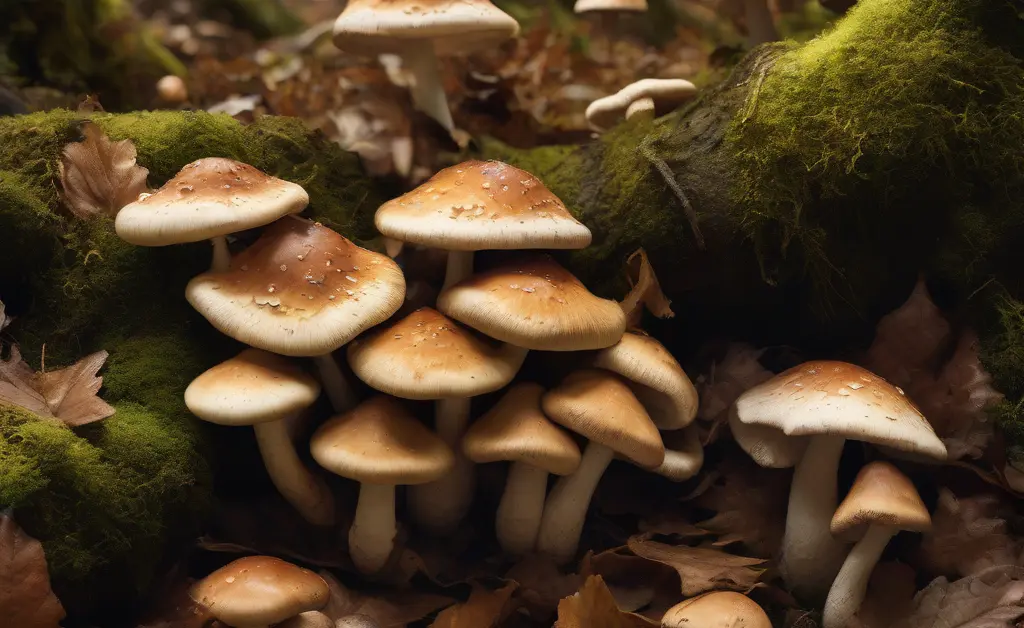
Across the diverse landscapes of the United States, a variety of prime edible mushrooms to forage this summer await discovery. These sections will provide details on edible mushrooms you can find in the woods, detailing their preferred habitats and key identifiers. From the moist forests of the Pacific Northwest to the humid woodlands of the East, different regions boast unique fungal populations thriving in the summer’s warmth. Knowing the specific species prevalent in your area and their preferred growing conditions is paramount for a successful hunt. This section details some of the most sought-after summer edibles found throughout various parts of the USA.
Morels (Late Spring/Early Summer)
While often associated with spring, Morels can sometimes extend into early summer, especially in cooler, higher elevations or regions where spring arrives later. These distinctive mushrooms are recognized by their honeycomb-like caps, which are entirely attached to the stem. They typically grow on the ground, often near various tree species including elm, ash, and apple. Morels are highly prized for their unique earthy flavor and firm texture, making them a top target for foragers. Their brief season and elusive nature add to their allure.
Chanterelles
Chanterelles are a quintessential summer mushroom, widely celebrated for their delightful fruity aroma and peppery taste. They are typically found growing on the ground in mossy areas of hardwood or mixed forests, particularly under oak and beech trees. Their vibrant golden-orange color, wavy cap margins, and distinctive blunt, false gills that run down the stem are key identifiers. There are several species of chanterelles, all generally considered choice edibles. They are often found in clusters or scattered widely throughout the forest floor during July and August.
Oyster Mushrooms
Oyster mushrooms are a reliable find throughout the summer, growing in shelf-like clusters on dead or decaying hardwood trees, logs, and stumps. They have a distinct fan or oyster-shaped cap, which can range in color from white to gray, tan, or even bluish. The gills are prominent and run down the stem, which is often short or absent. Their mild flavor and tender texture make them versatile in many dishes. They are relatively easy to identify and can be quite abundant, offering a consistent harvest for foragers.
Chicken of the Woods
True to its name, Chicken of the Woods offers a texture and flavor reminiscent of chicken, especially when young and tender. This striking bracket fungus grows in bright orange and yellow layers or rosettes on living or dead hardwood trees, most commonly oak. It lacks a traditional stem and gills, instead having a porous underside. It’s a prolific summer producer and a favorite among foragers, but it’s important to harvest only fresh, soft specimens, as older ones can become tough and woody.
Lion’s Mane
Lion’s Mane, also known as Bear’s Head or Hedgehog Mushroom, is a remarkable summer and fall edible recognized by its unique appearance. It grows as a large, shaggy, white mass of icicle-like spines, typically on dead or dying hardwood trees, particularly oak and beech. Its flavor is often described as seafood-like, with notes of crab or lobster, and it has a firm, meaty texture. This distinct look makes it relatively easy to identify for beginners once spotted.
Porcini (Boletes)
Porcini, or King Bolete, is a highly esteemed edible mushroom found in both coniferous and deciduous forests, often forming mycorrhizal associations with various trees, including pine, spruce, and oak. These robust mushrooms are characterized by their thick, bulbous stems, convex to flat caps (typically brown), and a sponge-like pore surface instead of gills. They are prized for their nutty, earthy flavor and meaty texture. Summer brings various species of boletes, but proper identification is crucial as some boletes are toxic.
Black Trumpets
Black Trumpets are a summer culinary delicacy, known for their deep, earthy, and smoky flavor. They are often difficult to spot due to their dark color and tendency to grow in leaf litter or mossy ground, often near oak or beech trees. These funnel-shaped mushrooms are hollow from top to bottom and have a slightly ruffled or velvety outer surface rather than true gills. Their unique appearance and rich flavor make the effort of finding them highly rewarding. They are often dried to intensify their flavor for later use.
Popular Edible Mushrooms to Find in Summer
The summer season is a prime time for many foraging enthusiasts, with certain species gaining immense popularity due to their distinct flavors, textures, and relative ease of identification. Beyond the general guidance on edible mushrooms to forage this summer, focusing on popular varieties can increase your chances of a successful and rewarding hunt. Mushrooms like Chanterelles and Chicken of the Woods are not just delicious; they are often abundant when conditions are right, providing a substantial harvest. Their culinary versatility makes them a favorite among chefs and home cooks alike. The widespread appeal of these fungi is also due to their often unmistakable appearance, which, while never a substitute for thorough identification, can offer more confidence to developing foragers. Always remember to cross-reference with field guides and, if possible, consult with experienced local foragers when starting out.
Where to Find Edible Summer Mushrooms
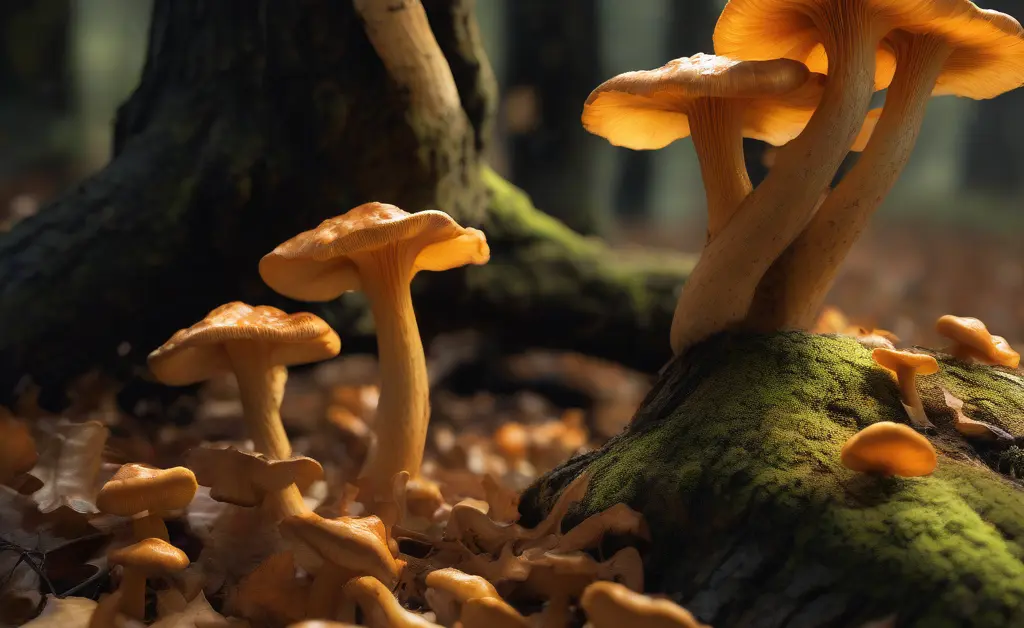
Knowing where to look is half the battle when seeking edible mushrooms to forage this summer. Fungi thrive in specific ecological niches, and understanding these preferences can significantly increase your chances of a successful outing. Many summer mushrooms form symbiotic relationships with trees, so identifying the dominant tree species in an area is crucial. Deciduous forests, rich in oak, maple, and beech, are often hotspots for species like Chanterelles, Lion’s Mane, and Chicken of the Woods. Coniferous forests, with pines and spruces, can yield Porcini and certain varieties of Chanterelles. Areas with mixed forests often provide the widest variety. Look for areas with ample moisture, such as near streams, rivers, or in low-lying spots after a good rain. Disturbed ground, old logging roads, and forest edges can also be productive. Pay attention to soil type; some mushrooms prefer sandy soils, while others like rich, loamy earth. Over time, you’ll learn to recognize the “microclimates” and specific conditions that favor your target species, making your summer foraging expeditions increasingly fruitful.
Embarking on the journey of foraging for edible mushrooms this summer offers a deeply rewarding connection to the natural world and a chance to savor unique culinary delights. Remember that responsible foraging practices are key to ensuring the sustainability of these precious resources for future generations. Always leave some mushrooms behind to sporulate, minimize disturbance to the ecosystem, and respect private property boundaries. With careful identification and a mindful approach, your basket can be filled with nature’s exquisite flavors, transforming your summer meals into unforgettable experiences.
This content is for informational use and should not be considered medical instruction. It is not intended to provide specific health advice, diagnosis, or treatment. Always consult with a qualified healthcare professional or a certified mushroom expert for accurate identification before consuming any foraged mushrooms. Ingesting incorrectly identified mushrooms can lead to serious health issues.
FAQ
What are the easiest edible mushrooms to identify in summer?
While many mushrooms can be found in summer, some are more recognizable due to their distinct features and common habitats. For example, the Chicken of the Woods is known for its bright orange or yellow shelf-like growth on tree trunks, making it a visually striking find. Another recognizable mushroom is the Morel, though it typically fruits in spring, some varieties can extend into early summer in certain regions. Always rely on multiple identification points and expert knowledge when foraging.
What mushrooms grow in July and August?
The summer months of July and August bring a variety of fungal fruiting bodies, depending on local climate and moisture levels. Puffballs, with their distinct spherical shape, often emerge during this time, as do certain boletes, characterized by their spongy pore surface instead of gills. You might also encounter oyster mushrooms, which can appear in warmer weather on decaying wood. Remember that conditions greatly influence mushroom growth.
Where is the best place to look for edible mushrooms during summer months?
The ideal locations for finding edible mushrooms in summer are areas with ample moisture and suitable substrates. Forests, particularly those with deciduous trees like oak and maple, can be very productive. Look for mushrooms growing on or near decaying logs, at the base of trees, or in grassy clearings that have received recent rainfall. Exploring areas after a good rain is often key to discovering numerous edible mushrooms to forage this summer.