
A Forager’s Guide to UK Edible Mushrooms in September
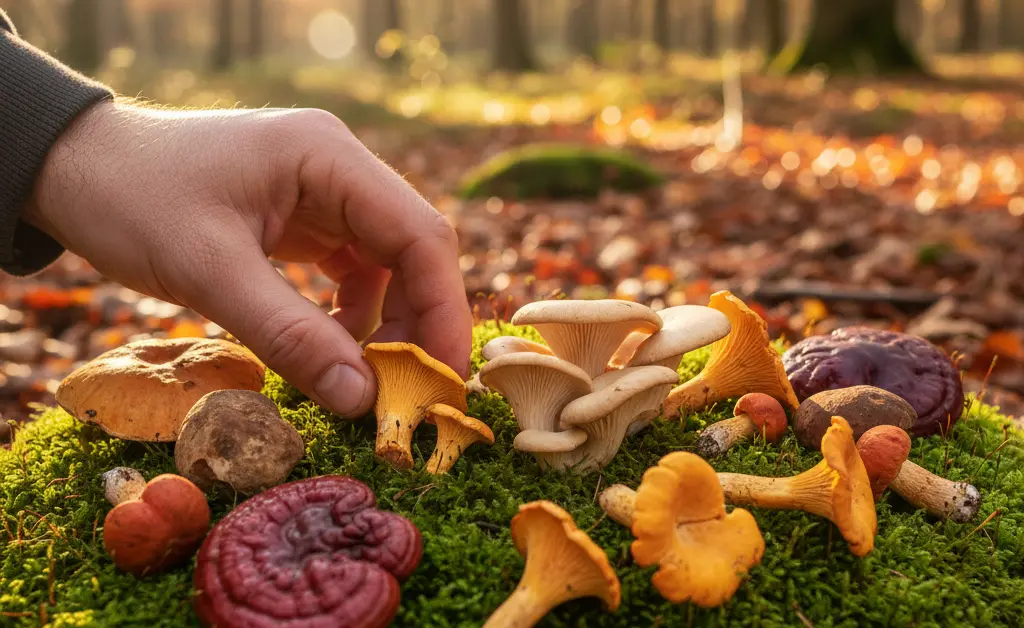
Many enthusiasts eagerly await the autumn months, recognizing them as a prime time for exploring woodlands and discovering nature’s hidden treasures. Foraging has seen a resurgence in popularity, with a lot of people keen to understand which wild foods are safe and delicious to consume. September, in particular, signals a peak season for mycology in the United Kingdom, offering a diverse array of fungi for those with a keen eye and careful approach. This guide aims to equip foragers with the essential knowledge needed to safely identify and gather edible mushrooms UK September, focusing on key characteristics, ideal habitats, and crucial identification tips to distinguish desirable species from their toxic counterparts. We will explore the common varieties flourishing during this bountiful month.
Edible Mushrooms to Forage in the UK in September
September ushers in a remarkable period for mushroom foraging across the United Kingdom, as the cooler temperatures and increased moisture provide ideal conditions for a wide variety of fungi. Enthusiasts can discover numerous species thriving in diverse habitats, from ancient woodlands to open grasslands. Understanding which species are typically available during this month is key to a successful and rewarding foraging experience. The array of fungi makes September a prime time to seek out delicious and sought-after edible mushrooms UK September.
Common Edible Species Found in September
Several highly prized edible species reach their peak in September. Among these, the penny bun, also known as cep or porcini (Boletus edulis), is a particular favorite, renowned for its rich flavor and firm texture. Chanterelles (Cantharellus cibarius) also continue to be found, their distinctive funnel shape and apricot-like scent making them relatively easy to spot. Other notable finds may include amethyst deceivers (Laccaria amethystina) with their vibrant purple hue, and shaggy ink caps (Coprinus comatus), which appear in grassy areas but must be consumed promptly after picking. Hen of the woods (Grifola frondosa) can also be discovered growing at the base of oak trees.
Foragers in specific regions might find local guides on edible mushrooms Kent particularly useful.
Seasonal Availability of Key September Mushrooms
The specific timing of a mushroom’s appearance can vary based on local weather patterns, but September generally offers consistent availability for many autumn species. The moist, mild conditions often persist throughout the month, encouraging fungal growth. While some species, like chanterelles, may begin appearing earlier in late summer, their populations often swell in September. Other mushrooms, such as the penny bun and hen of the woods, typically hit their stride in early to mid-autumn, making September an excellent window for finding these coveted edible mushrooms. Awareness of local weather and habitat types will further aid in predicting where and when these species might emerge.
Edible Mushrooms UK September Identification
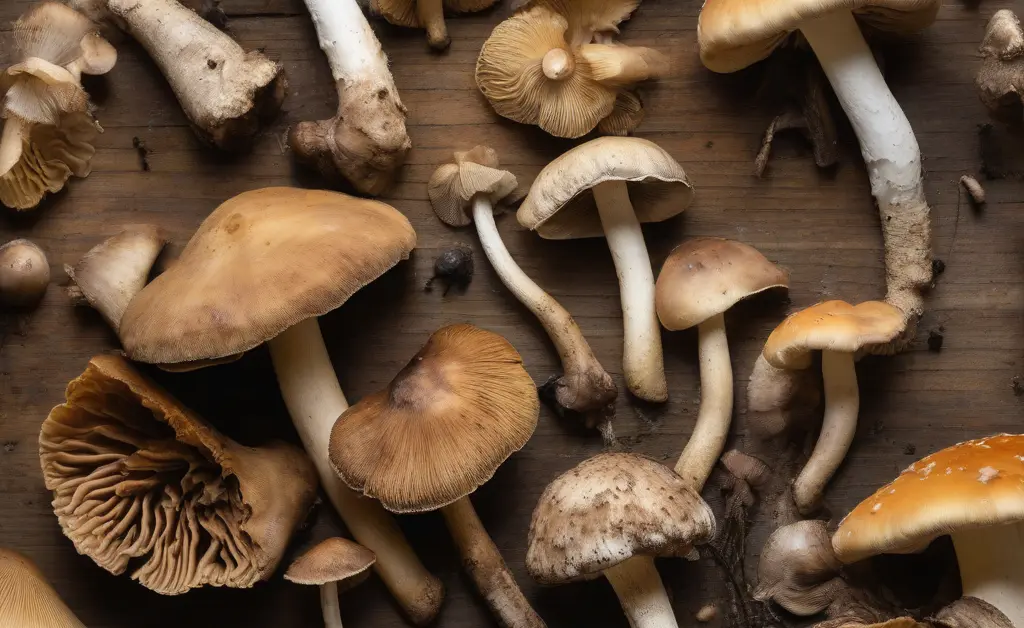
Accurate identification is the cornerstone of safe mushroom foraging. With an abundance of species, both edible and toxic, thriving in the UK during September, understanding the distinct features of each mushroom is paramount. Misidentification can have serious consequences, emphasizing the need for careful observation and reliable resources when identifying edible mushrooms UK September.
It is helpful to consult regional guides, such as those detailing edible mushrooms Scotland, for more localized information.
Pictures of Edible Mushrooms UK September
While this guide describes key characteristics, visual aids are invaluable for identification. Foragers are strongly encouraged to consult reputable field guides that include clear, high-quality photographs of various species. Observing the cap shape, gill structure, stem details, and overall color variations in different growth stages can help confirm identification. Cross-referencing multiple visual resources for each potential find, especially when dealing with less familiar species, is a crucial step in ensuring the safety of any foraged edible mushrooms.
Poisonous Edible Mushrooms UK September
A significant challenge in mushroom foraging is the presence of toxic look-alikes that can closely resemble desirable edible species. For example, some species of Cortinarius or Galerina can be dangerously similar to some edible fungi, and the deadly death cap (Amanita phalloides) and destroying angel (Amanita virosa) are often found in UK woodlands during September. It is critical to learn the specific distinguishing features that separate edible mushrooms from their poisonous counterparts. This includes paying attention to spore print color, the presence or absence of a ring on the stem, the nature of the volva (a sac-like structure at the base), and any distinct odors. Researching cases of mushroom poisoning on reputable scientific databases like PubMed can provide further insights. If there is ever any doubt about a mushroom’s identity, it should always be left untouched. Safety must always take precedence over potential culinary rewards when seeking edible mushrooms UK September.
Identifying September Edible Mushrooms: Key Characteristics
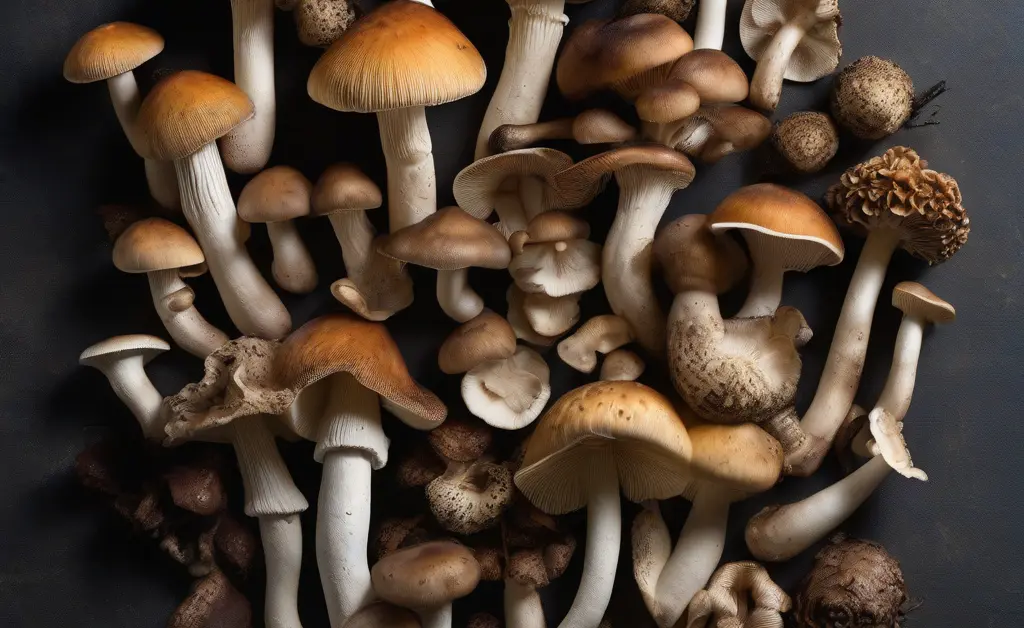
Successful and safe foraging for edible mushrooms UK September relies heavily on a systematic approach to identification, focusing on a combination of visual and physical characteristics. Each part of the mushroom offers clues that, when pieced together, can lead to accurate identification. Foragers should train their eyes to observe minute details across the entire fungal specimen.
As autumn progresses, foragers might also consider looking into edible mushrooms UK October.
Cap Features (Shape, Color, Texture): The cap is often the most prominent feature and provides immediate visual cues. Observe its shape—is it convex, flat, bell-shaped, or funnel-like? Note its color, which can vary with age and moisture, and its texture—is it smooth, scaly, slimy, or velvety? These details are fundamental for distinguishing many types of mushrooms.
Gill Structure (Attachment, Spacing, Color): Turning the mushroom over reveals the gills (or pores/spines for non-gilled fungi). Pay attention to how the gills attach to the stem: are they free, adnate, or decurrent? Observe their spacing (crowded or distant) and their color, which can change significantly as spores mature.
Stem Characteristics (Shape, Texture, Presence of Ring/Volva): The stem, or stipe, offers further critical identification points. Note its shape (cylindrical, tapering, bulbous), its texture (smooth, fibrous, scaly), and whether it has a ring (annulus) or a sac-like base called a volva. The presence or absence of these features can be decisive in differentiating between species.
Spore Print Analysis: A spore print is a definitive identification tool. By placing a mushroom cap gills-down on a piece of paper (half white, half black) and covering it, the spores will drop over several hours, revealing their color. This color is a crucial characteristic that can distinguish between otherwise similar-looking species, providing an important layer of confirmation for edible mushrooms UK September.
Tips for Foraging Edible Mushrooms in September
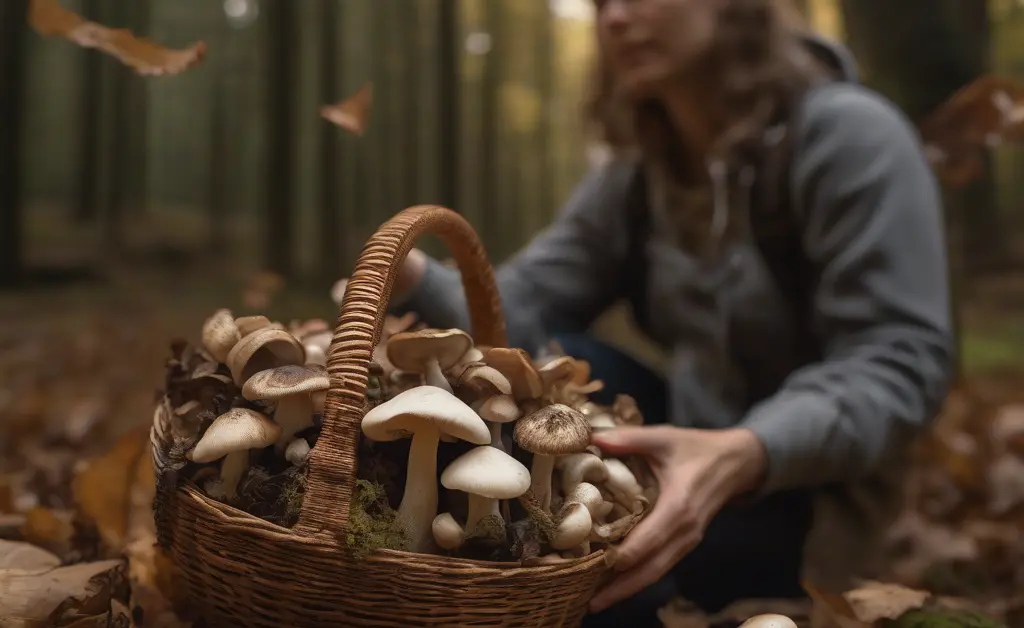
Foraging for edible mushrooms UK September can be a deeply rewarding activity, offering both a connection with nature and the chance to gather delicious wild food. To ensure a safe, sustainable, and successful experience, it’s essential to follow best practices and be well-prepared before heading out into the field.
Best Practices for Sustainable Foraging: Always forage responsibly. Harvest only what you need and leave plenty behind for wildlife and for the mushroom to reproduce. Avoid disturbing the surrounding ecosystem; tread lightly and minimize impact. Only pick from areas where foraging is permitted and respect private land. Use a breathable basket or net bag to allow spores to disperse as you walk, contributing to future growth. This ensures the availability of edible mushrooms for seasons to come.
Essential Foraging Tools and Gear: Equip yourself with the right tools. A sturdy, sharp knife is useful for cutting mushrooms cleanly from their substrate without damaging the mycelium. A breathable basket is ideal for carrying your finds, as it prevents crushing and allows for spore dispersal. A reliable field guide specific to UK fungi is indispensable for identification. Wear appropriate footwear and clothing for woodland conditions, and consider bringing a compass or GPS device for navigation.
When to Forage: Time of Day and Weather Conditions: The best time to forage is typically in the morning, after any overnight rain, as this is when mushrooms are often at their freshest. Overcast and damp conditions are generally favorable for fungal growth. Avoid foraging immediately after heavy downpours, as mushrooms can become waterlogged and difficult to identify, or during prolonged dry spells when few fungi will be present. Consistency in moisture is key to finding a good variety of edible mushrooms UK September.
Where to Find Edible Mushrooms in the UK: Mushrooms thrive in specific habitats. Woodlands, especially those with a mix of deciduous and coniferous trees, are prime locations. Look near specific tree species; for instance, penny buns often associate with oaks and birches. Grasslands and meadows can yield species like shaggy ink caps. Research local foraging spots, but always remember to obtain permission if foraging on private land and be aware of any local bylaws.
Embarking on the journey of foraging for edible mushrooms in the UK during September is a wonderful way to engage with the natural world. By approaching this activity with respect, knowledge, and an unwavering commitment to safety, foragers can enjoy the bounty that this spectacular season offers. Always prioritize accurate identification, consult multiple reputable sources, and, when in doubt, leave it out. Happy foraging!
The content provided in this article is intended for informational learning, not clinical application. It is crucial to exercise extreme caution and diligence when identifying wild mushrooms for consumption. This information is not a substitute for expert guidance or professional mushroom identification. Foraging for wild mushrooms carries inherent risks, and misidentification can lead to severe illness or even death. Always consult with a verified expert or participate in guided foraging walks before consuming any wild mushroom.
FAQ
What are the best edible mushrooms to find in September in the UK?
September is a prime time for foraging delicious fungi across the UK. Several popular species reach their peak this month, offering a rich bounty for those venturing into woodlands and fields. Common chanterelles, with their distinctive apricot aroma and wavy caps, are often found in mossy areas under coniferous and deciduous trees. The robust penny bun, also known as porcini, is another highly sought-after find, typically growing near birch and oak trees. The beautiful and flavorful oyster mushroom can also be discovered, often growing in clusters on dead or dying hardwood trees.
Is September mushroom season?
Indeed, September is widely considered a peak month for mushroom foraging in the UK. The combination of decaying organic matter from summer and increased autumn rainfall creates ideal conditions for a wide variety of fungi to fruit. This period provides an excellent opportunity to find many of the most desirable edible mushrooms before the colder weather sets in.